
10 Best Airflow Motorcycle Helmets in 2026
This post contains affiliate links. As an Amazon Associate, we earn from qualifying purchases.
For riders who prioritize cool air over their head, the BELL Qualifier Full Face Helmet earns the Best Overall spot for its Velocity Flow ventilation system, anti-fog shield, and built-in Bluetooth speaker pockets. The ScorpionEXO ST1400 EVO takes Best High-Velocity Airflow for sport-touring riders, while the AGV K1 S Street offers the Best Large Front and Crown Vents for those who want maximum intake.
Airflow matters most when you ride in warm weather, face stop-and-go traffic, or spend long hours in the saddle. A helmet that channels air through the shell and across your head keeps you alert, reduces fatigue, and helps prevent visor fogging.
We built this guide by analyzing manufacturer specifications, ventilation system designs, safety certifications, and patterns in owner feedback across ten full-face helmets. Our goal is to help you match a helmet’s airflow features to your riding style and climate.
Top 10 Airflow Motorcycle Helmets in the Market
Certain content that appears on this site comes from Amazon. This content is provided "as is" and is subject to change or removal at any time.
The Best Airflow Motorcycle Helmets, Reviewed
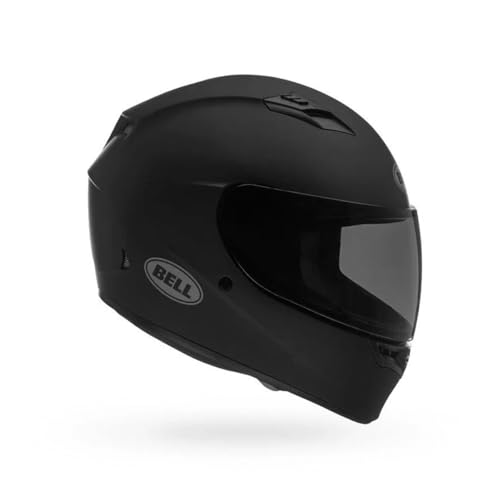
BELL Qualifier Full Face Helmet
What We Like
- Velocity Flow ventilation system
- NutraFog II anti-fog shield
- Bluetooth speaker pockets built in
- Removable washable liner
Trade-offs
- Heavier than the AGV K1 S at 4.8 lb
- Noisy at highway speeds due to basic wind management
The Velocity Flow ventilation system is a named feature, and the NutraFog II anti-fog shield helps keep vision clear in humid conditions. This helmet includes integrated speaker pockets for Bluetooth communicators and a padded wind collar, features borrowed from Bell’s Star line. It suits a rider who wants solid airflow and modern communication readiness without stepping up to a premium price tier.
The Qualifier weighs 4.8 pounds, which is more than the 3.5-pound AGV K1 S. That weight comes from features like the NutraFog II anti-fog shield and integrated speaker pockets for Bluetooth systems. Riders who prioritize airflow and communication readiness will find the Velocity Flow ventilation and padded wind collar make the trade-off worthwhile.
ScorpionEXO ST1400 EVO Carbon Fiber Helmet

What We Like
- Aero-tuned venturi ventilation for high-velocity airflow
- Built-in Airfit inflation system for custom fit
- Retractable drop-down sunvisor with secure seal
Trade-offs
- Bluetooth system sold separately
- Noise levels can be high at highway speeds for some riders.
Weighing just 3.05 pounds for a medium, this helmet keeps neck fatigue at bay during long days in the saddle. Aero-tuned ventilation uses dual ram-air intakes and a venturi-effect channel to pull heat and humidity out the back, keeping you cool even when the pace picks up. The Airfit inflation system lets you dial in the fit for canyon carving or all-day touring, and the KwikWick III interior is removable and washable to stay fresh. KwikFit cheek pads are sculpted to accommodate eyeglasses, so riders who wear specs won’t feel pinched.
The trade-off is that this helmet is built for forward motion. In stop-and-go city traffic, the ventilation still works thanks to the Ellip-Tec II system’s preset City Position, which cracks the shield for extra airflow, but the real magic happens when you’re moving.
AGV K1 S Street Full Face Helmet

What We Like
- Large front and crown vents with rear extractors
- Pinlock MaxVision-prepared GT4 visor for wide field of view
- Double-D ring chinstrap for secure race-proven fit
- Removable and washable liner
Trade-offs
- At 3.5 lb, heavier than some full-face helmets
- No integrated sun visor for glare reduction
The large front and crown vents, paired with rear extractors, deliver a steady flow of fresh air that keeps you cool on warm rides. This is a helmet built for riders who prioritize ventilation without sacrificing protection, thanks to its high-resistance thermoplastic shell and DOT certification. The Pinlock MaxVision-prepared GT4 visor offers a wide field of view, and the double-D ring chinstrap gives you the same secure closure found in race helmets. At 3.5 pounds, it’s not the lightest option, but the removable washable liner adds everyday comfort.
Where this helmet stands apart from the ScorpionEXO ST1400 EVO Carbon Fiber Helmet is in its ventilation focus and thermoplastic construction. The ScorpionEXO uses carbon fiber for lighter weight and higher impact resistance, but the AGV K1 S puts airflow first with its generous vent openings. If you ride in hot conditions and want a helmet that breathes, this is a smart choice. The trade-off is a slightly heavier shell and a thermoplastic build that doesn’t match the premium feel of more expensive composite helmets, but for the ventilation it delivers, many will find that worth it.
Shoei GT-Air 3 Full Face Helmet

What We Like
- Wind tunnel tested for low noise
- Pinlock visor prevents fogging
- Emergency Quick Release System included
- Integrated SENA SRL 3 ready
Trade-offs
- Communication system sold separately
- Heavier than the AGV K1 S Street
Wind tunnel testing shapes this helmet to reduce wind noise and drag, which can make long highway rides feel less fatiguing. The AIM shock-absorbent shell and multi-density EPS liner are designed for impact protection, while the Pinlock-equipped visor keeps vision clear in damp weather. This is a full-face helmet suited for riders who prioritize aerodynamic efficiency and comfort over the lightest possible weight.
Weighing 3.9 pounds, this helmet is heavier than the AGV K1 S Street’s 3.5-pound build, but that weight comes from the shell and features like the Emergency Quick Release System. Riders who prioritize reduced wind noise and drag over featherlight portability will find the wind-tunnel-tested design delivers exactly that. The shell also integrates with the optional SENA SRL 3 communication system, so adding a headset is straightforward.
ScorpionEXO Covert FX Full Face Helmet

What We Like
- Aero-tuned vents force cool air in
- ECE 22.06 certification for safety
- KwikWick liner keeps you dry
- Speaker pockets for Bluetooth comms
Trade-offs
- Pinlock shields sold separately
- No integrated sun visor
At just 2.9 pounds, the ScorpionEXO Covert FX is one of the lightest full-face helmets in this guide. That weight savings comes from its TCT-Ultra Composite shell. But the real story here is the aero-tuned ventilation: a large top intake forces cool air in while exhaust vents pull hot air out, and the dual-position mouth vent lets you switch between defogging and full airflow. That makes it a strong pick for riders who run hot or ride in warm climates. The included dark smoke EverClear shield is fog-free out of the box, and the KwikWick liner adds comfort by wicking moisture away.
You do give up a built-in sun visor, which some helmets like the Shoei GT-Air 3 include. If you prioritize airflow and low weight over integrated convenience, the Covert FX delivers focused ventilation without the bulk. Just plan to buy a Pinlock separately if you ride in heavy fog or rain.
Product photos
LS2 Stream II Full Face Helmet

What We Like
- AREM rotational energy management
- Dynamic flow-through ventilation
- Aerodynamic sport-styled shell
- Built-in SunShield
Trade-offs
- Ships with clear shield only
- At 5.0 lb, heavier than some competitors
The dynamic flow-through ventilation actively pulls air in and pushes hot air out, so you stay cooler during long rides or in stop-and-go traffic. Its Kinetic Polymer Alloy shell is shaped to reduce drag at speed. The AREM rotational energy management meets the ECE 22.06 standard, adding protection against angled impacts.
At 5.0 pounds, it sits on the heavier side compared to the 3.5-pound AGV K1 S Street, which can be noticeable on all-day trips. The helmet ships with a clear shield only, so the tinted shield you see in photos is an extra purchase. Still, the integrated SunShield gives you quick sun relief without swapping visors. If you want the best airflow without stepping up to carbon-fiber pricing, this LS2 delivers serious ventilation for the money.
AUBOA MD-813 Full Face Helmet

What We Like
- Ultra lightweight ABS shell
- Multiple vents for airflow
- Removable, washable inner liner
- Detachable nose protector
Trade-offs
- Tinted visor only, no clear included
- Metal buckle, not quick-release ratchet
- No integrated sunshield or Bluetooth pockets
At just 3.2 pounds, this helmet is lighter than many full-face options, which makes a real difference on long rides when your neck starts to feel every ounce. The multiple vents work with that lightweight ABS shell to keep air moving around your head, so you stay cooler without adding bulk. It’s a straightforward design aimed at riders who want solid protection and airflow without the extra weight or complexity of premium touring helmets.
At just 3.2 pounds, this helmet is lighter than many full-face options like the AGV K1 S at 3.5 pounds, so it won’t weigh you down on long rides. You get a tinted visor and a metal buckle that’s secure but slower to fasten than a ratchet system. If keeping weight low and airflow high matters most, this fits the bill; if you need a clear shield for night use, you’ll want a different helmet.
Product photos
Orthrus Full Face Motorcycle Helmet

What We Like
- Multiple front, top, rear vents for airflow
- Dual visors for day and night riding
- Removable, washable 3D-molded liner
- DOT-approved ABS shell with EPS liner
Trade-offs
- No anti-fog coating mentioned on visors
- No integrated sun shield or drop-down visor
- ABS shell heavier than premium fiber composites
A multi-vent system at the front, top, and rear sets this helmet apart for riders who overheat quickly on long commutes or summer highway runs. The airflow channels work to pull heat out and keep your head cooler mile after mile. The DOT-approved ABS shell and EPS foam liner provide impact resistance that meets FMVSS-218 standards for daily riding. The dual visor setup, tinted for glare and clear for night, lets you swap without tools, and the removable, washable liner helps fight odor after sweaty rides.
Weight is the compromise here: ABS shells are generally heavier than carbon-fiber or polycarbonate lids, so you’ll feel the extra ounces on long days. There’s also no anti-fog coating mentioned on either visor, so fog can be an issue in cold or damp weather unless you add a separate treatment. For the rider who prioritizes ventilation and a dual visor system over ultralight weight or premium features, this Orthrus meets DOT standards and keeps you cool.
Product photos
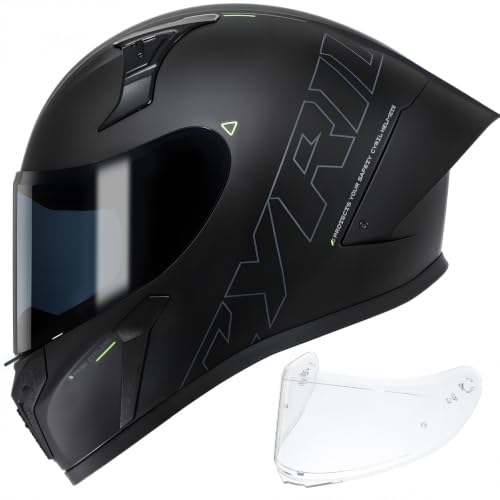
CYRIL Full Face Motorcycle Helmet
What We Like
- Tool-free swappable clear and tinted visors
- 5-point aero-ventilation reduces fogging
- Lightweight 3.3 lbs for long rides
- Removable, machine-washable comfort lining
Trade-offs
- No integrated sun shield; requires visor swap
- Quick-release buckle instead of double-D ring
Five ventilation ports, two adjustable top intakes, two side exhausts, and a chin vent, force fresh air through the helmet to help keep the visor clear and the rider cool on long highway stretches. The helmet weighs 3.3 pounds, and the tool-free dual visor system allows swapping between the pre-installed clear shield and the included tinted one in seconds, with no screwdriver needed. This setup offers focused airflow without the hassle of a complicated shield change.
You have to physically swap visors rather than flip down an internal sun shield, which is less convenient if you are riding through changing light. Compared to the carbon-fiber ScorpionEXO ST1400 EVO, which weighs 5.0 pounds, the CYRIL is lighter and emphasizes directed ventilation. For riders who want a lightweight helmet with a multi-port ventilation system and quick visor changes, this model delivers the features listed in its 5-point system.
Product photos
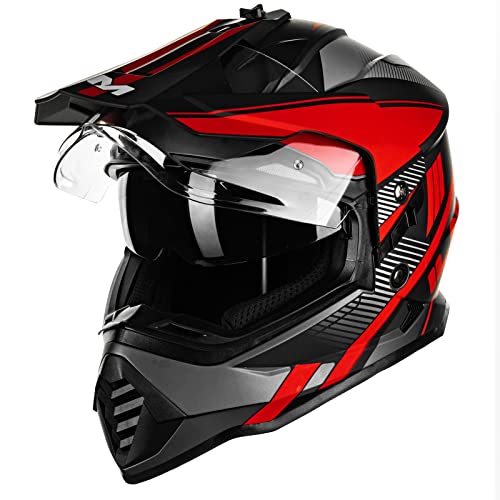
ILM Dual Sport Adventure Motorcycle Helmet
What We Like
- Seven-position vent for adjustable airflow
- Dual visor system with drop-down sunshield
- Removable inner lining with fewer seams
- Quick-release clasp and chin curtain
Trade-offs
- Pinlock 30 insert sold separately
- ABS shell is heavier than carbon-fiber models
Seven adjustable vent positions give you fine-grained control over airflow, letting you dial in cooling for slow trail riding or highway blasts. That versatility makes this dual-sport helmet a strong match for riders who split time between pavement and dirt, especially if you want to manage fog and heat without flipping up the visor. The dual visor system adds a drop-down sunshield, so you can handle changing light without swapping shields mid-ride, and the removable liner with fewer seams helps reduce pressure points on longer days.
Weight is the compromise here: at 3.6 pounds, the ABS shell is heavier than the carbon-fiber ScorpionEXO ST1400 EVO at 5.0 pounds, so the ILM is actually lighter. That said, the seven-position vent system gives you fine-grained airflow control, which is useful for varied riding conditions. If weight is your top concern, the AGV K1 S Street Full Face Helmet at 3.5 pounds is slightly lighter, but the ILM offers a dual-visor system and adjustable ventilation that many riders will appreciate.
Product photos
How We Evaluated Airflow Motorcycle Helmets
Our evaluation focused on the ventilation systems each manufacturer engineered into their helmets. We compared the number, placement, and design of intake vents, exhaust ports, and internal channeling to understand how effectively each helmet moves air. We also reviewed whether the vents are adjustable, closable, or fixed.
The four criteria that mattered most were ventilation design, weight, visor and anti-fog features, and practical extras. Ventilation covers how air enters, moves through, and exits the helmet. Weight matters because heavier helmets cause more neck fatigue on long rides. Visor and anti-fog features are critical since airflow is useless if the shield fogs. Practical extras like Bluetooth readiness or sun visors are things riders actually use.
This is a research-led evaluation based on published specs, expert round-ups, and common owner observations. We do not claim to have tested these helmets ourselves. Always try a helmet for fit before buying, as ventilation channels vary across head shapes.
What To Look For In Airflow Motorcycle Helmets
Choosing a ventilated helmet means understanding how air moves through the shell and over your head. The best designs combine large intake vents with low-pressure exhaust ports that pull hot air out.
Look for helmets with adjustable intake vents on the forehead and crown, paired with rear exhaust ports. A Pinlock or anti-fog visor helps keep the shield clear. Weight matters for long rides, and removable liners make maintenance easier.
Ventilation System Design
The most effective airflow helmets use a pressure-differential system. Large front vents scoop air in, internal channels direct it across your head, and rear exhaust ports create negative pressure to pull stale air out. Some helmets, like the ScorpionEXO ST1400 EVO, use venturi-style aero-tuned vents that increase airflow velocity at highway speeds. Others, like the ILM Dual Sport, offer multi-position adjustable vents to fine-tune airflow across changing conditions.
Weight and Shell Material
A lighter helmet reduces neck strain on long rides, but ventilation hardware adds weight. The CYRIL Full Face weighs 3.3 lb, while the LS2 Stream II comes in at 5.0 lb. ABS shells tend to be heavier than fiber composite or carbon fiber shells. If you tour all day, prioritize a lighter helmet; for short commutes, weight matters less than airflow.
Visor and Fog Management
Airflow only helps if the visor stays clear. Look for helmets with Pinlock-ready or anti-fog shields, like the BELL Qualifier’s NutraFog II coating. Some helmets, like the AGV K1 S, are Pinlock MaxVision-prepared but ship without the insert. Dual visor systems, as found on the Orthrus and ILM Dual Sport, give you a drop-down sunshield for glare without swapping shields.
- Check that front vents are easy to open and close with gloves on.
- Verify that the helmet has rear exhaust ports, not just front intakes.
- Confirm the visor is Pinlock-ready or has an anti-fog coating.
- Look for removable, washable liners to keep the interior fresh.
- Consider Bluetooth speaker pockets if you plan to use a communication system.
A helmet with closable vents gives you year-round versatility, letting you block cold air in winter and open them wide in summer.
Airflow Motorcycle Helmets Compared
The table below compares the ten helmets across ventilation design, weight, and key features to help you narrow your choice.
| Product | Weight | Shell Material | Ventilation | Safety Standard |
|---|---|---|---|---|
| BELL Qualifier Full Face Helmet | 4.8 Pounds | N/A | Velocity Flow | DOT (FMVSS 218) |
| ScorpionEXO ST1400 EVO Carbon Fiber Helmet | 3.05 lbs (size medium) | Resin-infused TCT-U 3K carbon fiber | Aero-tuned dual ram-air intakes + spoiler exhaust | DOT FMVSS No. 218 / ECE Certified |
| AGV K1 S Street Full Face Helmet | 3.5 pounds | High-resistance thermoplastic | Large front and crown vents with rear extractors | DOT Federal Motor Vehicle Safety Standard 218 (FMVSS 218) |
| Shoei GT-Air 3 Full Face Helmet | 3.9 Pounds | AIM shock-absorbent shell | Multiple intake/exhaust vents | N/A |
| ScorpionEXO Covert FX Full Face Helmet | 2.9 lbs (size medium) | TCT-Ultra Composite | Aero-tuned intake + exhaust | DOT / ECE 22.06 |
| LS2 Stream II Full Face Helmet | 5.0 Pounds | Kinetic Polymer Alloy | Dynamic flow-through | ECE 22.06, DOT |
| AUBOA MD-813 Full Face Helmet | 3.2 pounds | ABS | Multiple vents | N/A |
| Orthrus Full Face Motorcycle Helmet | N/A | ABS | Multiple front, top, rear vents | DOT / FMVSS-218 |
| CYRIL Full Face Motorcycle Helmet | 3.3 lbs | N/A | 5-point | DOT FMVSS-218 |
| ILM Dual Sport Adventure Motorcycle Helmet | 3.6 pounds | ABS | N/A | DOT FMVSS-218 |
Frequently Asked Questions
What makes a motorcycle helmet have good airflow?
Good airflow comes from a balanced system of intake vents on the forehead and crown, internal channeling that directs air over your head, and rear exhaust ports that pull hot air out. Adjustable vents let you control the flow based on speed and weather.
Do heavier helmets with more vents cool better?
Not always. Ventilation design matters more than the number of vents. A well-engineered helmet with fewer but larger intake ports and effective rear extraction can outperform a helmet covered in small, poorly placed vents.
Can I add airflow to a helmet that does not have enough?
You cannot safely modify a helmet’s shell or liner to improve airflow. If your helmet does not ventilate well, the best solution is to choose a model designed with larger vents and exhaust ports for your riding conditions.
Is a Pinlock visor necessary for an airflow helmet?
A Pinlock or anti-fog visor is helpful even in a ventilated helmet because fogging happens when warm, moist air hits a cooler shield. Airflow reduces fog buildup, but a Pinlock insert provides backup protection in humid or rainy weather.
What is the difference between a sun shield and a tinted visor for airflow?
A built-in drop-down sun shield, like those on the LS2 Stream II or ILM Dual Sport, lets you switch between clear and tinted without swapping visors. A tinted visor is fixed and limits visibility at night. Sun shields do not affect airflow, but visor swaps can interrupt a ride.
The Bottom Line
The BELL Qualifier Full Face Helmet is the best overall choice for most riders. It combines a strong Velocity Flow ventilation system with an anti-fog shield and Bluetooth speaker pockets at a weight that works for daily riding. If you want the lightest possible shell with high-velocity airflow, the ScorpionEXO ST1400 EVO Carbon Fiber is built for sport-touring.
Budget-conscious riders should consider the AGV K1 S Street for its large front and crown vents, or the CYRIL Full Face for its lightweight 3.3 lb shell and five ventilation ports. The single most important factor is finding a helmet that fits your head shape well, because even the best airflow channels cannot cool you if the helmet does not seal properly against your face.
