
10 Best Dot Approved Motorcycle Helmets in 2026
This post contains affiliate links. As an Amazon Associate, we earn from qualifying purchases.
The Bell Qualifier Full Face Helmet earns our Best Overall spot for its three shell sizes that improve fit and its dual DOT and ECE22.06 safety certifications, plus IONIC+ padding that resists odor. For riders on a budget, the Best Budget Pick is the ILM Model ILM-313, which delivers a full-face design with two visors at an affordable price. The Shoei X-Fifteen is our pick for premium track use with Snell certification.
Finding a DOT approved motorcycle helmet means balancing safety certification with fit, weight, and features that match your riding style. A helmet that meets the Department of Transportation standard has passed impact tests, but comfort, ventilation, and noise levels vary widely between models.
Our research team analyzed manufacturer specifications, safety certifications, and patterns in owner feedback across ten leading helmets. We focused on the features that matter most for real-world riding: fit options, weight, ventilation, and added safety technologies like MIPS.
Top 10 DOT Approved Motorcycle Helmets in the Market
Certain content that appears on this site comes from Amazon. This content is provided "as is" and is subject to change or removal at any time.
The Best DOT Approved Motorcycle Helmets, Reviewed
Bell Qualifier Full Face Helmet
What We Like
- Three shell sizes for better fit
- IONIC+ padding fights odor and sweat
- Meets both DOT and ECE22.06 standards
Trade-offs
- At 6.0 pounds, heavier than many full-face helmets
- Runs loud at highway speeds due to wind noise
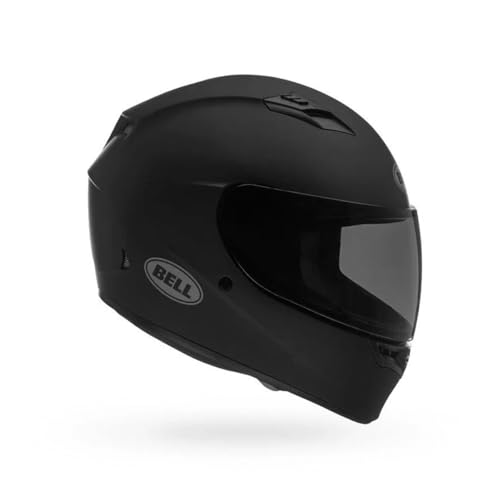
Three separate shell sizes mean this helmet can be tailored to more head shapes than a single-shell design that relies only on thicker padding. That attention to fit, combined with DOT and ECE22.06 certification, gives you a level of safety validation that goes beyond the minimum legal requirement. The IONIC+ padding pulls moisture away quickly and fights odor-causing bacteria, which is a real comfort on long rides or hot days. For riders who want a full-face helmet that checks both safety and everyday livability boxes, this is a straightforward pick.
The trade-off is weight. At six pounds, the Qualifier is heavier than a modular model like the HJC C91 (3.5 pounds) or the premium Shoei X-Fifteen (3.8 pounds). That extra heft is fine for highway cruising or shorter trips, but if you spend hours in stop-and-go traffic or plan to wear it all day, your neck will feel it. For the rider who wants proven safety standards and a tailored fit without stepping up to a premium price, this helmet delivers where it counts.
HJC C91 Modular Helmet

What We Like
- Pinlock prepared shield for fog resistance
- Integrated dark smoke sun visor
- Removable and washable moisture-wicking liner
- Glasses grooves for eyewear comfort
Trade-offs
- Bluetooth system sold separately
- Shield options sold separately
At 3.5 pounds, this modular helmet is lighter than the Shoei X-Fifteen (3.8 pounds), which reduces neck strain on long rides. The integrated dark smoke sun visor and Pinlock-prepared shield give you two ways to handle changing light and fog on the road. The moisture-wicking, removable liner and glasses grooves show real thought for all-day comfort, especially if you wear eyewear or take long rides. That combination of weight, visibility features, and comfort is why this helmet stands out for riders who want modular convenience without a heavy compromise on everyday wearability.
The built-in speaker pockets are ready for HJC’s 10B or 20B Bluetooth systems, but those cost extra, so you will need to budget for communication gear separately. Compared to the Shoei X-Fifteen at 3.8 pounds, the C91 comes in lighter. If you prioritize the ability to flip the front up for quick conversations or drinks without removing the helmet, this modular design gives you that flexibility at a weight that stays comfortable on longer rides.
Shoei X-Fifteen Full Face Helmet

What We Like
- Meets DOT, Snell, ECE R22/06 standards
- Emergency Quick Release System (E.Q.R.S.)
- Adjustable center pad and multi-density EPS
- CWR-F2R racing shield with double lock
Trade-offs
- Heavier than some full-face helmets at 3.8 lb
- Lacks modular or open-face versatility
The Shoei X-Fifteen meets four safety certifications: FVMSS 218, DOT, Snell, and ECE R22/06, which means it passes impact standards for both track and street use. That combination of certifications is paired with a CWR-F2R racing shield that has a double lock to stay secure at high speeds. This helmet is built for riders who want proven performance on the track or the street, especially those who push their bike hard.
At 3.8 pounds, the X-Fifteen is heavier than the HJC C91 Modular (3.5 lb) or the ILM-313 (3.0 lb), so if you’re counting ounces for long rides, that difference stands out. But the helmet’s aerodynamic design reduces drag and keeps it stable at high speeds, which is a real advantage on the track or highway. For a rider focused on safety certifications and high-speed performance, the weight trade-off makes sense.
HJC i31 Open Face Helmet

What We Like
- DOT-approved for impact protection
- Removable washable crown and cheek pads
- Glasses grooves for eyewear comfort
Trade-offs
- Open-face design offers less chin protection
- Sun shield sold separately
- No integrated drop-down visor
At 3.4 pounds, this DOT-approved open-face helmet keeps weight low for reduced neck strain on longer rides. The polycarbonate-ABS shell balances impact resistance with a lighter feel, and the Advanced Channeling Ventilation system moves air from front to back to help clear heat and humidity. Riders who wear glasses will find dedicated grooves in the cheek pads, and those pads are removable and washable for easy maintenance. This is an open-face helmet built for comfort and visibility, ideal for cruising, commuting, or warm-weather riding where you want the wind in your face and a clear view of the road.
An open-face design leaves your jaw and chin exposed, so if you want full facial protection, a modular or full-face helmet like the HJC C91 would be a better fit. The dark smoke sun shield is listed as installed, but the anti-fog lens and clear visor are sold separately, so you will want to budget for those if you ride at night or in variable weather. Compared to the heavier Bell Qualifier full-face helmet at 6.0 pounds, the i31 is noticeably lighter, which many riders appreciate for around-town trips or sunny afternoon cruises.
Arai Regent-X Solid Helmet
What We Like
- Variable Axis System for smoother shape
- Reinforcing hyper ridge lowers center of gravity
- F1-derived visor latch system
- Five exhaust vents for airflow
Trade-offs
- At 4.7 pounds, heavier than many helmets
- No integrated sun visor or drop-down shield
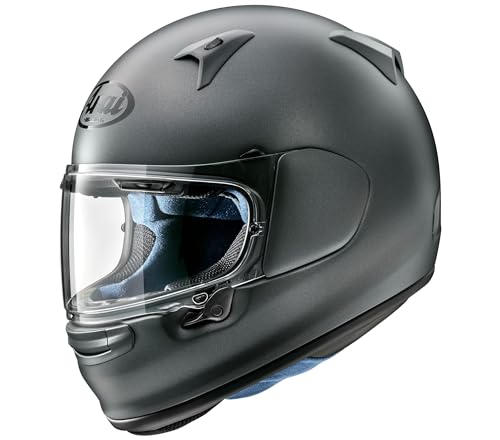
A lower center of gravity is engineered into the Arai Regent-X, which helps the helmet sit more naturally on the head during rides. The PB-cLc1 outer shell is designed to glance off impact forces, while the one-piece multi-density EPS liner absorbs and spreads impact energy. The Variable Axis System (VAS) creates a smoother outer shape, and the reinforcing hyper ridge flares out 5mm to make putting the helmet on or taking it off easier. Dual intake vents, brow vents, a 3-way chin vent, and five exhaust vents provide airflow. The F1-derived visor latch and Pinlock-ready VAS-V MAX vision visor add convenience for riders who face changing conditions.
Weight is a key consideration here. At 4.7 pounds, the Regent-X is heavier than the HJC C91 Modular (3.5 pounds) or the Shoei X-Fifteen (3.8 pounds), so riders who cover long distances or frequently turn their head may notice the extra mass. There is also no built-in sun visor, which means swapping shields or wearing sunglasses is your only option for bright light. Riders who value a shell designed for impact deflection and a lower center of gravity over featherweight convenience will find the Regent-X a purposeful fit. Those wanting a lighter lid or an integrated sun shield may prefer the Shoei X-Fifteen.
ILM Model ILM-313 Full Face Helmet
What We Like
- Includes clear and smoked visors
- Lightweight 3.0 lb ABS shell
- Quick release clasp for easy removal
- Removable inner lining pads
Trade-offs
- ABS shell not as impact-rated as composite shells on track helmets
- Quick-release clasp less secure than double-D ring for aggressive riding
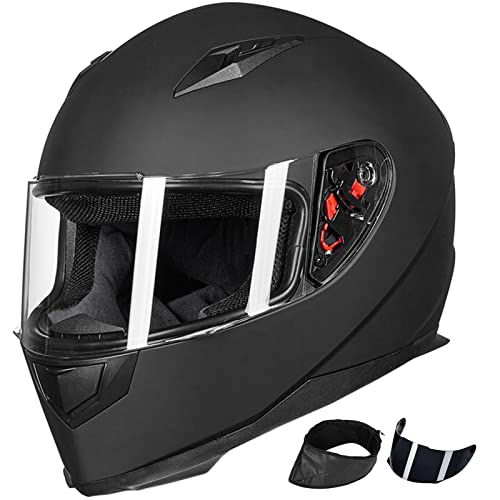
At just 3.0 pounds, this helmet keeps weight low without cutting corners on safety. It meets DOT FMVSS-218 standards, so you get certified protection at a price that won’t strain your budget. The streamlined aerodynamic shape helps reduce wind noise and drag on the highway, and the package includes both a clear and a smoked visor plus a removable winter neck scarf. That means you can ride from sunny afternoons into chilly evenings without digging for extra gear. For anyone buying their first full-face helmet or looking for a dependable spare, this is a smart, straightforward choice.
The ILM-313 weighs just 3.0 pounds, making it noticeably lighter than many full-face helmets like the Bell Qualifier at 6.0 pounds or the Shoei X-Fifteen at 3.8 pounds. That reduces neck fatigue on longer rides. Its lightweight ABS shell and quick-release clasp mean you can pop it off easily at a gas stop. For everyday commuting or highway cruising, this helmet offers solid protection without the bulk. If you’re hitting the track, a heavier helmet with a double-D ring strap might feel more secure at high speeds.
Product photos
Arai XD-5 Adventure Helmet
What We Like
- Reinforced forehead with super fiber belt
- Variable Axis face shield for easy adjustments
- Three distinct configurations for riding conditions
- DOT FMVSS 218 certified
Trade-offs
- At 6.2 lb, heavier than many full-face helmets
- Weighs 6.2 pounds, heavier than some modular helmets
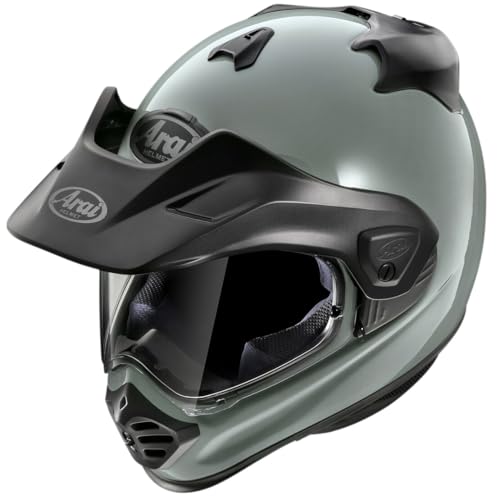
A reinforced forehead area using a super fiber belt, similar to barrel bands, means this helmet adds extra strength where you need it most on rough terrain. The Arai XD-5 suits riders who want a versatile adventure helmet that can shift between three distinct configurations, letting you adapt the look and coverage depending on the ride. Its Variable Axis face shield and side pods make swapping visors or opening the shield easy, even with gloves on, which matters when you’re switching from highway to dirt trail.
Weight is a major factor here: at 6.2 pounds, this is heavier than the HJC C91 Modular at 3.5 pounds, so long days on the road might feel more tiring on your neck. The Intermediate Oval interior fit shape is designed for that head shape, so riders with round or long head shapes should check fit before buying. It’s a premium build that prioritizes protection and adaptability over lightness, so it’s best for riders who value ruggedness and flexibility over all-day featherweight comfort.
Product photos
GLX GX11 Compact Full Face Helmet
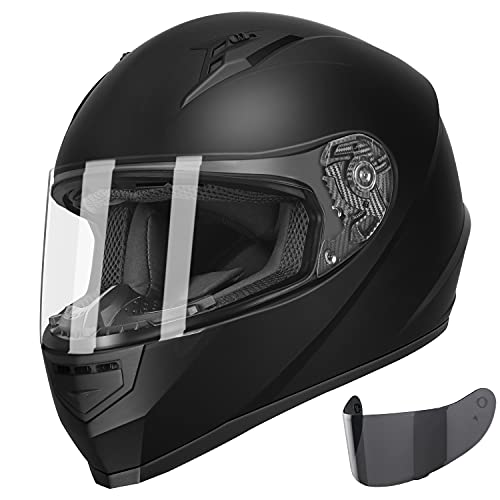
What We Like
- Lightweight at 3.1 pounds
- Three adjustable air intakes for airflow
- Removable, washable, adjustable interior
- Quick-change visor mechanism
Trade-offs
- Tinted visor only (no clear included)
- No MIPS or rotational impact system listed
Weighing 3.1 pounds, the GLX GX11 is a lightweight full-face helmet that can reduce neck fatigue on longer rides. Its compact shell and Multi-Density EPS liner work together to deliver a snug, stable feel, while the fully removable and washable interior lets you keep things fresh ride after ride. Riders who prioritize a close, secure fit without the bulk of heavier helmets will appreciate how the GX11 stays planted at highway speeds. That stability is helped by its wind tunnel-tested ventilation system with three adjustable intakes and four exhaust outlets.
The GX11 comes only with a tinted visor, so if you ride often at night or in low light, you will need to pick up a clear shield separately. Compared to the Bell Qualifier, which weighs nearly twice as much at 6.0 pounds, the GLX feels noticeably lighter on the head, but the Bell includes both clear and tinted visors out of the box. For someone who values a barely-there feel and a tailored interior over included extras, the GX11 delivers comfort that punches well above its price point.
Product photos
Orthrus Full Face Motorcycle Helmet

What We Like
- Dual visor for day and night riding
- Multiple vents reduce heat buildup
- Removable washable liner stays fresh
- DOT approved ABS shell with EPS foam
Trade-offs
- No MIPS or multi-density liner mentioned
- Matte black only limits color options
The Orthrus Full Face Helmet includes both a tinted visor for daytime glare reduction and a clear visor for night or low-light riding, with a quick-release design that lets you swap them without tools. Multiple vents at the front, top, and rear improve airflow to reduce heat buildup during rides. It’s a DOT-approved full-face helmet with an ABS shell and EPS foam liner, suitable for commuting, street riding, and sport bike use.
The Orthrus meets DOT and FMVSS-218 standards with a durable ABS shell and EPS foam liner, so you get certified impact resistance for daily commuting or sport bike use. It comes only in matte black, which suits riders who prefer a low-key look, but if you want a splash of color you’ll need to look elsewhere. The Bell Qualifier weighs about 6 pounds, while the Orthrus’s weight isn’t listed, so you’d need to check the manufacturer for that detail.
Product photos
Bell Lithium MIPS Helmet

What We Like
- MIPS reduces rotational impact forces
- Three shell sizes for better fit
- Class 2 optics drop-down sun shield
- Meets both DOT and ECE22.06 standards
Trade-offs
- At 5.0 lb, heavier than several other DOT helmets
- No integrated communication system port
The three shell sizes let this helmet fit a wide range of head shapes without relying on extra padding alone, which keeps the interior snug and consistent. Mips (Multi-directional Impact Protection System) is a slip-plane layer inside designed to help reduce rotational forces from certain impacts. It meets both DOT and ECE22.06 standards, so it passes U.S. and international safety certifications.
At 5.0 pounds, the Bell Lithium is heavier than the HJC C91 Modular at 3.5 pounds. That weight comes from the polycarbonate shell, which is durable but not as light as some other materials. If you prioritize Mips protection and a solid fit over a lighter helmet, this design makes sense. For riders who want the lightest possible helmet, a lighter option like the HJC C91 may suit you better.
Product photos
How We Evaluated DOT Approved Motorcycle Helmets
We built this guide from manufacturer documentation, safety certification data, and common themes in owner reviews across the motorcycle community. Every helmet on our list carries a DOT certification, which is the minimum legal standard for road use in the United States. We also noted additional certifications like ECE and Snell where applicable, as they indicate higher performance thresholds.
The four criteria that mattered most were fit and shell construction, weight, ventilation and comfort features, and safety extras beyond the DOT standard. A helmet that fits poorly compromises protection regardless of its certification, so we prioritized models with multiple shell sizes and adjustable padding. Weight directly affects neck fatigue on long rides, and ventilation keeps a rider focused in warm weather.
A research-led evaluation has limits: we did not conduct impact testing or wear each helmet for extended periods. Our recommendations come from comparing published specs against the needs of different riding styles, not from hands-on lab work. We encourage buyers to try helmets in person when possible.
What To Look For In DOT Approved Motorcycle Helmets
Choosing the right DOT approved helmet means matching the certification with your head shape, riding conditions, and budget. Focus on fit first, then weight, ventilation, and any extra safety features.
Look for a helmet that meets DOT FMVSS 218 standards at minimum. Fit is the most important factor: a properly snug helmet that doesn’t shift during movement offers the best protection. Consider shell sizes, weight, ventilation, and added certifications like ECE or Snell for higher performance.
Fit and Shell Construction
A helmet’s fit starts with its shell size strategy. Some brands offer three shell sizes across their size range, which means riders in smaller or larger sizes get a shell proportioned to their head rather than a scaled liner. The Bell Qualifier and Bell Lithium MIPS both use three shell sizes, improving fit consistency.
Shell material affects weight and impact performance. Polycarbonate shells are common and affordable, while composite fiber shells like those on the Shoei X-Fifteen offer higher strength-to-weight ratios. ABS shells, found on budget helmets like the ILM Model ILM-313, meet DOT standards but are heavier and less impact-rated than composites.
Weight and Neck Fatigue
Helmet weight matters most on long rides or when riding a sport bike with a forward lean. A heavy helmet strains neck muscles over time. The lightest options on our list include the ILM Model ILM-313 at 3.0 pounds and the GLX GX11 Compact at 3.1 pounds, both suitable for all-day comfort.
Premium helmets like the Shoei X-Fifteen weigh 3.8 pounds, while modular and adventure helmets tend to be heavier. The Arai XD-5 Adventure Helmet weighs 6.2 pounds, which is a trade-off for its reinforced construction and adaptability. Consider your typical ride duration when choosing between lightweight and feature-heavy designs.
Ventilation and Comfort Features
Good ventilation keeps a rider cool and reduces visor fogging. Look for adjustable intake and exhaust vents that let you control airflow. The GLX GX11 Compact has three adjustable air intakes, while the Arai Regent-X uses five exhaust vents for active airflow.
Moisture-wicking, removable, and washable liners help manage sweat and extend the helmet’s life. The Bell Qualifier’s IONIC+ padding fights odor, and the HJC C91 includes glasses grooves for riders who wear eyewear. Pinlock-prepared shields, like on the HJC C91, provide fog resistance in humid conditions.
Safety Certifications Beyond DOT
DOT certification is the legal minimum, but additional standards indicate higher performance. ECE is a European standard that includes impact testing at different angles and speeds. The Bell Qualifier and Bell Lithium MIPS both meet DOT and ECE standards, while the Shoei X-Fifteen adds Snell certification for track use.
MIPS (Multi-directional Impact Protection System) reduces rotational forces during angled impacts. The Bell Lithium MIPS is the only helmet on our list with this technology. For riders who prioritize rotational protection, it’s worth the extra weight.
- Check that the helmet fits snugly without pressure points, especially around the cheeks and forehead.
- Confirm the shell size strategy: single-shell models may fit differently across the size range.
- Try the helmet with your usual eyewear to ensure glasses grooves or adequate space.
- Test the visor mechanism for smooth operation and a positive seal when closed.
- Verify that all vents open and close easily while wearing gloves.
A helmet that fits perfectly and meets your safety needs is always better than one with more features that doesn’t fit well.
DOT Approved Motorcycle Helmets Compared
The table below compares the key specs and certifications of our ten top picks, so you can see at a glance which helmet matches your priorities.
| Product | Weight | Standards | Shell Material | Visor/Shield Type |
|---|---|---|---|---|
| Bell Qualifier Full Face Helmet | 6.0 Pounds | DOT and ECE22.06 | N/A | N/A |
| HJC C91 Modular Helmet | 3.5 pounds | DOT FMVSS 218 | Polycarbonate composite | Pinlock prepared HJ-17 |
| Shoei X-Fifteen Full Face Helmet | 3.8 Pounds | DOT, Snell, ECE R22/06 | N/A | CWR-F2R with double lock |
| HJC i31 Open Face Helmet | 3.4 Pounds | DOT FMVSS 218 | Polycarbonate/ABS Composite | Pinlock Ready HJ-43 |
| Arai Regent-X Solid Helmet | 4.7 Pounds | DOT, FMVSS 218 | PB-cLc1 | VAS-V MAX vision, Pinlock ready |
| ILM Model ILM-313 Full Face Helmet | 3.0 pounds | DOT / FMVSS-218 | Advanced ABS | Clear + Smoked |
| Arai XD-5 Adventure Helmet | 6.2 Pounds | DOT FMVSS 218 | Super Fiber Belt Forehead | VAS A Variable Axis System |
| GLX GX11 Compact Full Face Helmet | 3.1 pounds | DOT | GLX shell molding technology | Tinted, quick-change mechanism |
| Orthrus Full Face Motorcycle Helmet | N/A | DOT / FMVSS-218 | Durable ABS | Dual (tinted + clear) |
| Bell Lithium MIPS Helmet | 5.0 pounds | DOT and ECE22.06 | Polycarbonate | Class 2 optics drop-down |
Frequently Asked Questions
What does DOT approved mean for a motorcycle helmet?
DOT approval means the helmet meets the U.S. Department of Transportation’s Federal Motor Vehicle Safety Standard 218. This standard requires helmets to pass impact attenuation tests, penetration resistance tests, and retention system tests. A DOT-approved helmet is legal for road use across the United States.
Is ECE better than DOT for motorcycle helmets?
ECE testing is generally considered more rigorous than DOT because it includes impact tests at multiple angles and speeds, plus tests for chin bar strength and visor impact. Many premium helmets carry both certifications. ECE is required in Europe and is recognized by many riders as a higher standard.
How tight should a DOT approved motorcycle helmet fit?
A new helmet should fit snugly with no pressure points that cause pain. It should not shift on your head when you move or shake it. The cheek pads should press against your cheeks without being uncomfortable. Over time, the liner will break in and loosen slightly.
Can I use a DOT approved helmet for track days?
Many track day organizations require a Snell or ECE certification, not just DOT. The Shoei X-Fifteen meets DOT, Snell, and ECE standards, making it suitable for track use. Check with your local track or racing organization for their specific helmet requirements before attending.
How often should I replace a DOT approved motorcycle helmet?
Most helmet manufacturers recommend replacing a helmet every five years from the date of manufacture, regardless of visible wear. The EPS liner can degrade over time due to sweat, heat, and UV exposure. Replace the helmet immediately after any significant impact, even if there is no visible damage.
The Bottom Line
The Bell Qualifier Full Face Helmet is our Best Overall pick for riders who want modern safety certifications, a comfortable fit from three shell sizes, and sweat-managing IONIC+ padding. It works well for daily commuting and weekend rides alike, though its 6.0-pound weight and highway wind noise are worth noting.
If your budget is tighter, the ILM Model ILM-313 offers a full-face design with two visors and a lightweight 3.0-pound ABS shell at an affordable price. For track riders or sportbike enthusiasts, the Shoei X-Fifteen delivers the highest safety certifications and race-proven aerodynamics. Riders who want rotational impact protection should look at the Bell Lithium MIPS with its MIPS system and dual DOT/ECE certification.
The single most important factor in choosing a DOT approved motorcycle helmet is fit. No certification or feature compensates for a helmet that doesn’t fit your head shape and size correctly. Try before you buy when possible, and prioritize snug, comfortable fit above all else.
