
9 Best Foam For Motorcycle Seat in 2026
This post contains affiliate links. As an Amazon Associate, we earn from qualifying purchases.
For DIY riders building a custom seat, the GoTo Foam Firm Upholstery Cushion Foam offers firm 43 ILD support. Its generous 24×72 inch sheet gives you full control over shaping. For a quick stock replacement, the Factory Effex Stock Seat Foam is a reasonable choice, while the Saddlemen Seat Foam Repair Kit is best for fixing small damaged sections.
The challenge with motorcycle seat foam is finding the right balance between firm support for long rides and enough cushion to absorb road vibrations. A foam that is too soft can bottom out, while one that is too firm can transfer every bump directly to the rider.
This guide is based on a thorough review of manufacturer specifications, material density ratings, and owner feedback patterns across the most popular foam options. We break down the key differences between sheet foams, repair kits, and adhesive pads so you can match the right product to your specific seat project.
Top 9 Foams For Motorcycle Seats in the Market
Certain content that appears on this site comes from Amazon. This content is provided "as is" and is subject to change or removal at any time.
The Best Foams For Motorcycle Seats, Reviewed
GoTo Foam Firm Upholstery Cushion Foam

What We Like
- Made in the USA
- CertiPUR Certified for quality
- Firm 43 ILD compression support
- Large 24×72 inch sheet for cutting
Trade-offs
- Not pre-shaped; requires cutting and shaping for most seat builds
- Open-cell structure soaks up water, not for outdoor use
A 43 ILD firmness rating means this foam resists sagging under sustained weight, making it a strong foundation for a motorcycle seat that needs to hold up mile after mile. The 2-inch thickness gives you enough material to carve a custom shape, while the generous 24×72-inch sheet leaves room for trial cuts or multiple projects. It suits DIYers who want to rebuild a worn-out seat from scratch and prefer a firm, supportive ride over plush sinking.
The trade-off is that this 2-inch-thick sheet requires cutting and shaping from scratch, so it demands more time and skill than a pre-formed repair kit. For riders who enjoy a hands-on build and value a dense, long-lasting foam, this is the better raw material.
Product photos
Factory Effex Stock Seat Foam
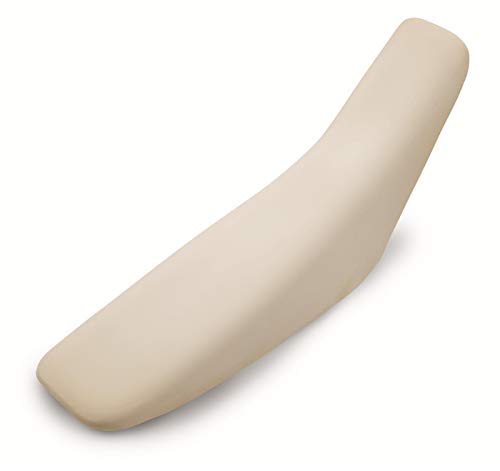
What We Like
- Lightweight at 0.1 pounds
- 30.5-inch length for seat coverage
- 5.0-inch height for cushioning thickness
Trade-offs
- 8.0-inch width limits use to narrow seats
- Only fits stock seats with narrow 8-inch width
The trade-off is width. At just 8 inches wide, this foam targets narrow stock seats, not the broader touring or cruiser saddles you might find on other bikes. Compare that to the Saddlemen Seat Foam Repair Kit, which offers a wider 9.8-inch width for more coverage on larger seats. If your bike has a narrow pan and you want a drop-in replacement that keeps the original shape, this fits the bill. For wider applications, you will need to look elsewhere.
Saddlemen Seat Foam Repair Kit

What We Like
- Includes specialized firm-density motorcycle seat foam
- Lower density foam for covering repairs included
- Simple cut-and-replace DIY design
Trade-offs
- Small lower density sheet limits large repair coverage
- No adhesive or fasteners included for securing foam
The Saddlemen kit supplies Black Magic firm density foam, which is a specialized motorcycle seat foam, not the soft upholstery foam that would collapse under a rider’s weight. That single fact makes it a focused solution for anyone dealing with a sagging or torn seat base. You simply cut out the damaged section and replace it with the supplied foam. The kit also includes a smaller sheet of lower density foam for contouring or covering the repair, so the finished shape looks natural rather than lumpy. This is a targeted fix for a specific problem, not a general cushion refoam.
The Saddlemen Seat Foam Repair Kit includes several pieces of specialized Black Magic firm density motorcycle seat foam, not the lower density upholstery foam that is common in craft stores. The lower density foam sheet measures about 2 inches by 1½ inches, so if your seat has a large area of collapsed foam, you may need to piece together multiple repairs or look at a full replacement like the Factory Effex Stock Seat Foam. The kit also does not include any adhesive or fasteners, so you will need to supply your own spray glue or contact cement. For a rider who wants to patch a localized worn spot without buying an entire seat foam block, this kit offers the right foam type and a straightforward process.
GoTo Foam Black Upholstery Foam Sheet
What We Like
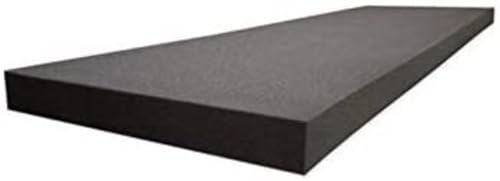
- Firm 44 ILD support for seating
- Stain and impact resistant
- Cuts cleanly with a knife
- Made in the USA
Trade-offs
- Only 1 inch thick for deep cushion builds
- Open-cell foam can absorb moisture over time
- Large sheet requires careful cutting for motorcycle seats
At 44 ILD firmness, this sheet offers the kind of firm support that works well for seat cushions, bench padding, or packaging inserts. The 1.8 density helps it hold its shape over time, resisting the sag that softer foams can develop. It cuts easily with a utility knife, so you can trace a pattern and get a clean edge without special tools.
At one inch thick, this foam sheet is best for projects where you plan to stack layers or combine it with a softer top foam to build up the shape you want. That gives you precise control over firmness and height, but it means more work than buying a single thicker slab like the two-inch GoTo Foam Firm Upholstery Cushion. DIYers who want a firm foundation and don’t mind layering will find this sheet a practical starting point.
Product photos
Datanly Motorcycle Seat Foam Pad
What We Like
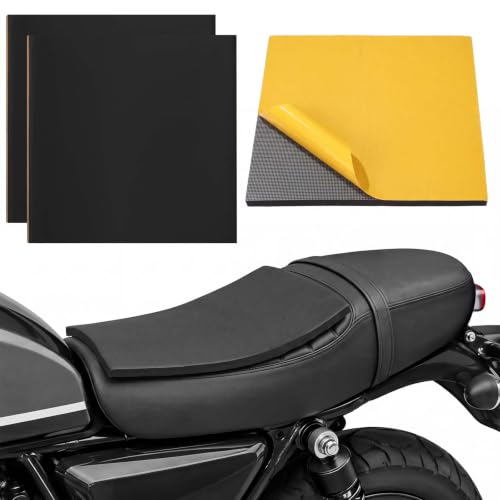
- Self-adhesive backing simplifies installation
- High-density neoprene resists collapse
- 12mm thickness cushions bumps and vibrations
- Easy to trim for custom fit
Trade-offs
- Only 12mm thick, not for major reshaping
- Only suitable for minor thickness adjustments, not full rebuilds.
The self-adhesive backing lets you peel, stick, and trim this 12mm high-density neoprene pad in minutes without extra glue or tools. That makes it a practical choice for riders who want to soften a hard saddle or patch a thin spot without tearing the whole seat apart. The high-density foam provides cushioning and shock absorption for both track riding and commuting, addressing the common complaint of uncomfortable stock seats on sport motorcycles.
The Datanly Motorcycle Seat Foam Pad measures 13 by 13 inches, so it covers only part of a typical seat. If you need to thicken the entire saddle, you might need two pads or a larger sheet like the GoTo Foam Firm Upholstery Cushion. Riders wanting to thicken or patch a sport motorcycle seat for better cushioning will find this pad useful. Not ideal for reshaping an entire seat or for use on non-sport motorcycle models.
Product photos
MOTO4U Universal Race Foam Seat Pad

What We Like
- High density foam for track use
- Self-adhesive backing for easy install
- Pre-cut 0.6-inch thickness
Trade-offs
- 0.6-inch thickness offers minimal cushioning
- Only one pad included per pack
A 0.6-inch thick high-density foam pad gives you a firm, low-profile layer that keeps you planted during aggressive cornering without adding bulk. That thin profile is intentional for track riders who want to lower their seat height slightly and feel more connected to the bike, especially on sport models like ZX6R, GSX-R600, or R1. The self-adhesive backing makes installation straightforward. This pad suits riders focused on lap times and body positioning, not long-distance comfort.
The MOTO4U Universal Race Foam Seat Pad is only 0.6 inches thick, so it provides very little vibration damping or pressure relief. It is not built for all-day touring or commuting. Compared to thicker options like the 2-inch GoTo Foam Firm Upholstery Cushion, this pad sacrifices cushioning for a racing-specific feel. If your priority is track-day performance and a direct connection to the chassis, this pad delivers exactly that. For riders seeking plush support on long rides, a thicker foam or gel insert would be a better fit.
Product photos
Porotmotor Universal Race Foam Seat Pad
What We Like
- Self-adhesive backing for quick installation
- High density foam for firm support
- Lightweight at 0.3 pounds
Trade-offs
- Small surface area (8.7 x 7.1 inches) limits coverage
- Small surface area limits coverage to spot use
At 20 millimeters thick, this race pad is a high density foam piece with a self-adhesive backing, designed for riders who want a low-profile addition to their seat without adding noticeable bulk. Its small 8.7 by 7.1 inch footprint means it works best as a targeted pad for the rider’s hips or tailbone area rather than a full seat replacement. If you are setting up a sportbike for a track day and need a thin, sticky layer that stays put, this pad fits the bill.
The Porotmotor pad is only 2.2 inches thick, so it adds just a thin layer of grip and padding without raising your seat height. That makes it ideal for track days where you want to stay low and connected to the bike. That same slim profile means it won’t help much on long rides or commutes where you’d want more cushion. Installation is simple: you peel off the backing and stick it onto a flat seat surface using the built-in adhesive. For a racer who just needs a little extra grip and a slight cushion, this pad does exactly that.
Product photos
Coaseb Custom Cut Gel Foam Cushion

What We Like
- Cooling gel-infused memory foam
- Custom cut to exact size
- High-density polyurethane foam support
- Available in Mid Firm or Firm
Trade-offs
- 0.1-inch height listed is likely a listing error
- Custom shapes require contacting seller separately
This foam can be ordered in thicknesses from 1 to 12 inches and custom lengths up to 109 inches, giving you precise control over the support and fit for upholstery projects like sofa cushions, boat cushions, or RV furniture. The cooling gel-infused memory foam is designed for comfort, which can be a benefit for long periods of sitting. That makes it a strong match for anyone rebuilding a worn cushion or adding comfort to a firm surface without sacrificing a custom fit.
Product photos
FOAMMA High Density Upholstery Foam

What We Like
- Lasts 7 to 10 years
- High density 1.8 for firm support
- 44-pound compression rate resists sagging
- Custom cuts available on request
Trade-offs
- No adhesive backing for quick installation
- Open-cell foam can absorb moisture over time
A 44-pound compression rate and 1.8 density mean this foam resists flattening under your weight ride after ride. FOAMMA’s High Density Upholstery Foam is built for riders who want a seat that stays supportive for years, the manufacturer states a 7- to 10-year lifespan, which is rare for a DIY-grade sheet. It suits someone rebuilding a seat from scratch or adding a firm base layer under a thinner comfort pad, especially if you value American-made materials and low-VOC indoor air quality.
At just one inch thick, this sheet alone won’t reshape a collapsed seat or add plushness. You’ll likely need to stack it with another layer or pair it with a gel or memory-foam topper. Compared to the GoTo Foam sheet (also 1.8 density and 44 ILD but one inch thick), FOAMMA demands more planning for a full seat rebuild. For a long-lasting foundation that you can cut and stack precisely, though, it’s hard to beat.
How We Evaluated Foams For Motorcycle Seats
Our evaluation focused on the technical specifications that matter most for a motorcycle seat application. We examined manufacturer data on foam density, compression ratings (ILD), and thickness to understand how each material would perform under a rider’s weight over time.
The three criteria that mattered most were material density and firmness, ease of installation, and intended use case. A high-density foam with a 44-pound compression rate will resist sagging far longer than a soft craft foam, but it may require more effort to shape. We also looked at whether a product came pre-shaped, as a sheet, or with adhesive backing to match different skill levels and project scopes.
Because we do not perform physical testing, our rankings rely on published specs, expert round-ups from upholstery forums, and consistent patterns in long-term owner reviews. This approach helps us identify which foams hold up best for motorcycle seats without the need for a test lab.
What To Look For In Foams For Motorcycle Seats
Choosing the right foam starts with understanding how density, thickness, and installation method affect your final seat comfort and durability.
Focus on foam density (pounds per cubic foot) and ILD compression rating. Higher density means longer life and better support. Thicker foam allows for more shaping but may require stacking layers. Adhesive-backed pads are for minor adjustments only.
Density and Compression Rating
Foam density (measured in pounds per cubic foot) tells you how much material is packed into the foam. A higher density, such as 1.8 pounds per cubic foot, means the foam will resist sagging and hold its shape for years. The compression rating (ILD) measures how firm the foam feels. A 43 to 44 ILD rating is considered firm and suitable for motorcycle seats, while lower numbers are softer and better for backrests or padding.
Thickness and Shape
Thicker foam sheets, like the 5.0-inch height found on the Factory Effex foam, provide more cushioning depth for carving a custom seat profile. Thinner pads at 12mm or 0.6 inches are only useful for minor thickness adjustments or adding grip on a track bike. For a full seat rebuild, you generally want at least 2 inches of foam to work with before shaping.
Installation Method
- Sheet foams require cutting, shaping, and often adhesive to attach to the seat pan.
- Pre-shaped replacement foams drop directly onto the stock seat pan with minimal trimming.
- Self-adhesive pads are the easiest option but only add thin layers of cushioning.
- Repair kits include small pieces of firm and soft foam for patching specific areas.
A good rule of thumb: if you are rebuilding a seat from scratch, buy a large firm sheet and stack layers. If you are fixing a sagging spot, use a repair kit. For quick comfort on a stock seat, an adhesive pad works.
Foams For Motorcycle Seats Compared
The table below compares the nine foam options side by side, highlighting their key specs and best use cases so you can quickly narrow down your choice.
| Product | Thickness | Density | Dimensions (L x W x H) |
|---|---|---|---|
| GoTo Foam Firm Upholstery Cushion Foam | 2 inches | 1.8 | 24.0 x 72.0 x 2.0 inches |
| Factory Effex Stock Seat Foam | 5.0 inches | N/A | 30.5 x 8.0 x 5.0 inches |
| Saddlemen Seat Foam Repair Kit | 5.8 inches | N/A | 24.1 x 9.8 x 5.8 inches |
| GoTo Foam Black Upholstery Foam Sheet | 1 inch | 1.8 lb/ft³ | 72.0 x 24.0 x 1.0 inches |
| Datanly Motorcycle Seat Foam Pad | 12 mm | High-density neoprene foam | 13.0 x 13.0 x 1.0 inches |
| MOTO4U Universal Race Foam Seat Pad | 0.6 inches | High Density | 13.0 x 13.0 x 0.6 inches |
| Porotmotor Universal Race Foam Seat Pad | 20 mm | High density foam | 8.7 x 7.1 x 2.2 inches |
| Coaseb Custom Cut Gel Foam Cushion | 1 to 12 inches | High Density Foam | 24.0 x 24.0 x 0.1 inches |
| FOAMMA High Density Upholstery Foam | 1 inch | 1.8 | 72.0 x 24.0 x 0.0 inches |
Frequently Asked Questions
What is the best foam density for a motorcycle seat?
A density of 1.8 pounds per cubic foot or higher, combined with a firm ILD rating around 43 to 44, provides the best support and longevity for motorcycle seats. This combination resists sagging and maintains its shape under the weight of a rider over many years.
Can I use regular upholstery foam on a motorcycle seat?
Regular upholstery foam is often too soft and will compress quickly under a rider’s weight, leading to discomfort and a bottomed-out feel. Motorcycle seat foam is typically firmer and denser to handle the concentrated pressure and vibration from riding.
How do I shape foam for a motorcycle seat?
Use a sharp electric carving knife or a serrated blade to cut rough contours, then sand the foam with coarse grit sandpaper to smooth the shape. Work slowly and check fit frequently against the seat pan to avoid removing too much material at once.
Will gel foam work better than regular foam for long rides?
Gel-infused memory foam can help dissipate heat and reduce pressure points, but it is often heavier and may not provide the same firm support as high-density polyurethane foam. Many riders combine a gel layer over a firm foam base for the best of both worlds.
How long should motorcycle seat foam last?
High-density foam with a 1.8 pound per cubic foot rating can last 7 to 10 years before it begins to lose its shape and support. Lower density foams may start sagging within a year or two, especially if exposed to moisture and direct sunlight.
The Bottom Line
For riders who want to build a custom seat from the ground up, the GoTo Foam Firm Upholstery Cushion Foam is the best overall choice. Its large sheet size and firm 43 ILD rating give you complete control over shaping, and it is made in the USA with CertiPUR certification for quality assurance.
If you need a quick stock replacement, the Factory Effex Stock Seat Foam fits narrow seat pans without any cutting. For small repairs or sagging spots, the Saddlemen Seat Foam Repair Kit is the most practical option. Track day riders should look at the MOTO4U or Porotmotor race pads for a thin, firm layer of grip and minimal cushioning.
The single most important buying factor is foam density. A higher density foam will outlast a cheaper, softer alternative by years and provide consistent comfort ride after ride. Choose the product that matches your project scope and skill level.
