
9 Best Motorcycle Helmet Ventilations in 2026
This post contains affiliate links. As an Amazon Associate, we earn from qualifying purchases.
For riders who want to stay cool without sacrificing safety, the AGV K1 S Street Full Face Motorcycle Helmet earns our top spot for its aggressive race-inspired ventilation system. It combines large front and crown vents with rear extractors. The ScorpionEXO ST1400 EVO delivers the most aggressive high-velocity airflow for hot-weather sport riding, while the HJC C10 offers impressive airflow on a budget.
A helmet that traps heat can turn a pleasant ride into a sweaty, distracted ordeal. Proper ventilation is not just about comfort; it directly affects your focus and endurance on the road, whether you are commuting in stop-and-go traffic or carving canyons on a summer afternoon.
This guide is based on research of manufacturer specifications, expert round-ups, and patterns in owner feedback. We examined nine helmets across different price points and riding styles to help you find the ventilation that matches how and where you ride.
Top 9 Motorcycle Helmet Ventilations in the Market

Certain content that appears on this site comes from Amazon. This content is provided "as is" and is subject to change or removal at any time.
The Best Motorcycle Helmet Ventilations, Reviewed
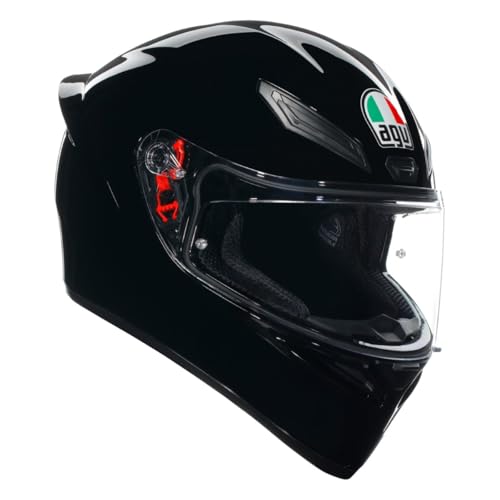
AGV K1 S Street Full Face Motorcycle Helmet
What We Like
- Large front and crown vents with rear extractors
- Pinlock MaxVision-prepared GT4 visor for wide field of view
- Double-D ring chinstrap for secure race-proven fit
- Removable and washable liner for easy maintenance
Trade-offs
- Single clear visor included; no tinted or iridium options in box
- Single clear visor included; no tinted shield in box
A large front intake and crown vents paired with rear extractors mean this helmet is built to push a steady stream of air through the interior. That keeps you cooler on long rides or during spirited canyon runs. The Pinlock MaxVision-prepared GT4 visor gives you a wide, distortion-free view, and the double-D ring closure locks you in with the same security found on race tracks. It’s a strong fit for riders who want race-bred airflow without stepping up to a carbon-fiber price bracket.
At 3.5 pounds, this helmet weighs less than the Shoei RF-1400’s 3.6 pounds, so it won’t feel heavy even on longer rides. The clear visor is ready for the Pinlock MaxVision anti-fog insert, which helps keep vision clear in changing weather. For riders who want strong airflow and a secure fit without extra weight, this is a focused design.
HJC C10 Solid Full Face Motorcycle Helmet

What We Like
- Five vents for active airflow
- Moisture-wicking removable liner
- Speaker pockets for Bluetooth
- Lightweight polycarbonate shell
Trade-offs
- Pinlock lens sold separately for fogging
- Dark Smoke Shield not included
The ACS Advanced Channeling System uses three intake and two exhaust vents to reduce heat and humidity, which matters on a long summer ride or when you’re stuck in stop-and-go traffic. For someone who wants dependable ventilation without spending for a premium badge, this is a practical choice that covers the basics well while keeping weight down to a manageable 3.5 pounds.
The trade-off is that the shield is Pinlock-ready but the anti-fog insert itself costs extra, so if you ride in cold or wet weather you’ll need to budget for that add-on. The C10’s liner is removable and washable, and the shell meets DOT standards, so you’re not giving up safety or comfort for the lower price, you’re just picking where to spend your money first.
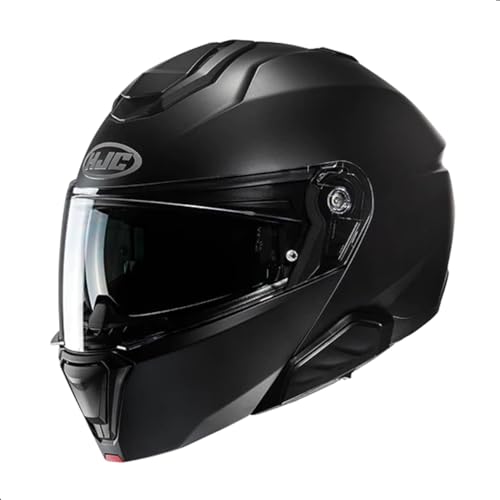
HJC i91 Solid Modular Motorcycle Helmet
What We Like
- Advanced Channeling Ventilation System for airflow
- Pinlock-ready shield with anti-scratch coating
- Moisture-wicking, removable and washable liner
- Glasses grooves for eyewear comfort
Trade-offs
- Bluetooth system sold separately
- Sun visor is dark smoke only
The Advanced Channeling Ventilation System moves air from front to back to push out heat and humidity, which is exactly what riders need on long, warm days. That makes the HJC i91 a strong fit for commuters and tourers who prioritize keeping their head cool without fussing with multiple vents. The moisture-wicking liner and glasses grooves add everyday comfort, while the Pinlock-ready shield handles fogging before it starts.
At 3.5 pounds, the HJC i91 is a mid-weight modular helmet that stays comfortable on long rides without feeling overly heavy. Its polycarbonate composite shell is built for durability, and the advanced channeling ventilation system pushes air front to back to clear heat and humidity. Riders who prioritize steady airflow and the convenience of a flip-up design will find this helmet delivers exactly that.
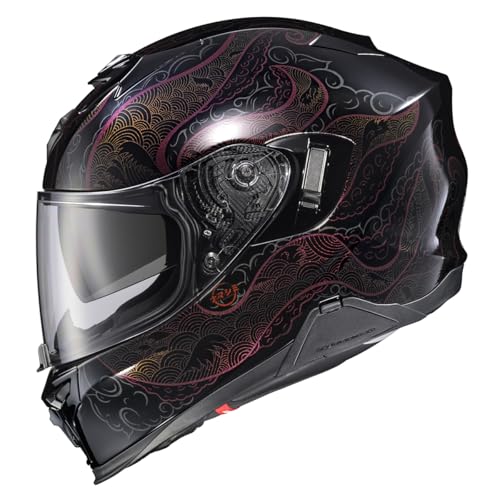
ScorpionEXO T520 Full Face Touring Motorcycle Helmet
What We Like
- Aero-Tuned ventilation with closable intake vents
- Dual-position mouth vent for defrosting and airflow
- AirFit Inflation System for custom cheek fit
- Everclear fog-free shield and drop-down sun visor
Trade-offs
- At 4.8 pounds, heavier than several touring alternatives
- Bluetooth communicator kit sold separately
The ScorpionEXO T520’s Aero-Tuned ventilation includes closable top intake vents and a dual-position mouth vent that can act as a defroster or add airflow, which helps manage temperature on the road. The AirFit Inflation System lets you adjust cheek pad fit to reduce wind noise and lift, and the drop-down SpeedView sun visor avoids the need to swap shields in changing light. For a touring helmet focused on ventilation and fit customization, these features give you control over your riding environment.
At 4.8 pounds, the T520 is heavier than the Shoei RF-1400 at 3.6 pounds, so you’ll feel the difference if you’re used to a lighter lid. That weight comes with the AirFit Inflation System, which lets you pump up the cheek pads for a custom fit that reduces wind noise and lift. It also includes dual-position mouth vent and large speaker pockets for a Bluetooth communicator, so you get adjustable ventilation and comms readiness without needing a separate kit.
ScorpionEXO ST1400 EVO Carbon Fiber Full Face Motorcycle Helmet
What We Like
- Aero-tuned venturi-effect channeling system
- High-velocity front-to-back airflow
- Adjustable dual ram-air intakes
- Spoiler-integrated exhaust pulls heat out
Trade-offs
- Bluetooth communicator sold separately
- At 5.0 lbs, heavier than several full-face competitors
The aero-tuned ventilation on this helmet uses a venturi-effect channeling system with adjustable dual ram-air intakes and a spoiler-integrated exhaust to pull heat and humidity out from front to back at high velocity. That means on a hot highway run or a spirited canyon ride, you stay noticeably cooler and drier than you would with a standard vent setup. The carbon fiber shell keeps weight reasonable at around 3.05 pounds for a medium, so long days in the saddle won’t punish your neck. Riders who prioritize airflow for warm-weather touring or aggressive sport riding will find this system delivers exactly what the name suggests.
The three-shell sizing and Airfit inflation system add some heft, so riders who prioritize the absolute lightest weight may want to check other options. For commuting in stop-and-go traffic, the Ellip-Tec II ratchet system has a City Position that cracks the shield for extra airflow without unsealing it entirely. For riders who want the best ventilation on the market and don’t mind a few extra ounces for that performance, this is the one to beat.
Shoei X-Fifteen Full Face Motorcycle Helmet

What We Like
- Multi-density EPS with enhanced air tunnels
- Cheek pad cooling ventilation system
- CWR-F2R racing shield with double lock
- Emergency Quick Release System (E.Q.R.S.)
Trade-offs
- Heavier than the Shoei RF-1400 at 3.8 pounds vs. 3.6 pounds
- No integrated sun visor for quick glare reduction
The Shoei X-Fifteen meets FVMSS 218, DOT, Snell, and ECE R22/06 standards, so you get top-tier safety credentials right out of the box. Its multi-density EPS liner with enhanced air tunnels works with the cheek pad cooling ventilation system to channel airflow precisely where your head heats up most. That makes it a natural fit for track days or spirited rides where you’re pushing hard and need consistent cooling without constantly fiddling with vents. The CWR-F2R racing shield with double lock also keeps the face shield secure at speed, which adds confidence when you’re leaning into a fast corner.
At 3.8 pounds, this helmet isn’t the lightest full-face option out there. On long commutes or all-day tours you might notice the extra heft compared to a lighter street-focused lid like the Shoei RF-1400. That’s a fair price for the race-grade ventilation and aero stability, though, if your priority is maximum airflow and you’re willing to carry a bit more weight, this helmet delivers. For riders who value cooling performance above all else, the X-Fifteen’s engineering justifies the premium, but if you’re mostly cruising around town, a lighter shell might serve you better.
Product photos
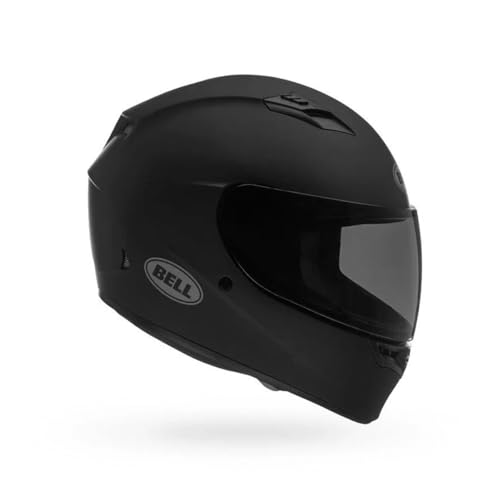
BELL Qualifier Full Face Motorcycle Helmet
What We Like
- Velocity Flow Ventilation system
- NutraFog II anti-fog, anti-scratch shield
- Removable washable quick-dry liner
- Bluetooth speaker pockets included
Trade-offs
- At 4.8 lb, heavier than many competitors
- No Pinlock or ECE rating listed
The Velocity Flow Ventilation system and NutraFog II anti-fog, anti-scratch shield are included, giving you airflow management and fog resistance straight from Bell’s Star line features. It suits riders who want those features without stepping up to a more expensive model, making it a practical choice for everyday use.
At 4.8 pounds, this helmet is heavier than some full-face options. The liner is removable and washable though, so sweat and odor are manageable. If you can handle the heft, you get ventilation, anti-fog performance, and Bluetooth readiness at a competitive price point.
Product photos
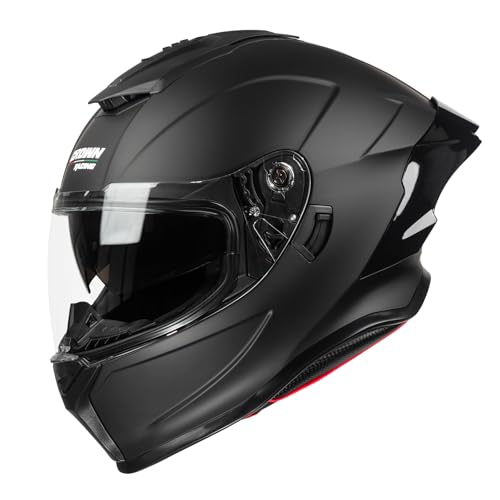
Crown Racing LW600 Full Face Motorcycle Helmet
What We Like
- Three-zone airflow circulates fresh air
- Retractable tinted sun visor built in
- Removable washable liner for freshness
- Quick-release buckle for easy fastening
Trade-offs
- No Pinlock-ready shield for foggy conditions.
- ABS shell is heavier than premium fiberglass models.
Three separate ventilation zones move fresh air through the helmet and push heat out the back, which makes a real difference on warm commutes or long tours. The built-in retractable tinted visor means you don’t have to stop to swap shields when the sun dips behind clouds. It suits riders who prioritize airflow and convenience over ultralight construction, especially those doing daily street riding or weekend trips where comfort matters more than grams.
At 3.3 pounds, this ABS-shell helmet is lighter than some comparable models, so it may feel less fatiguing on all-day rides. For the rider who values strong ventilation and a dual-visor setup on a budget, the LW600 delivers where it counts.
Product photos
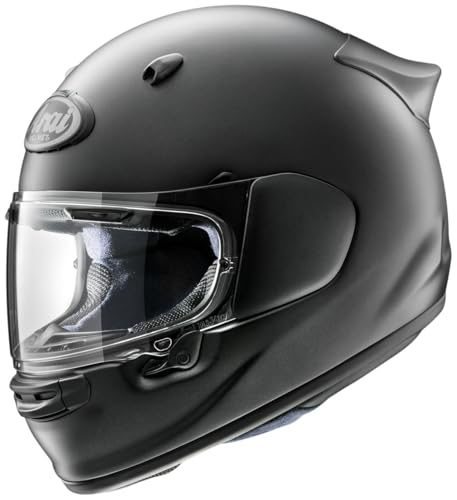
Arai HELMET Contour-X Helmet
What We Like
- 3D logo duct feeds two 10 mm intake ports
- Glove-friendly short-stroke lever for easy adjustment
- Logo duct breakaway design for impact safety
- Aerodynamic rear spoiler with exhaust function
Trade-offs
- At 5.0 pounds, heavier than several competitors
- Logo duct optimized for upright riding, not aggressive tucks
- Vent lever hidden from view, relies on logo position
The Arai Contour-X uses a 3D logo duct that feeds two 10 mm central intake ports, a design that pulls air in even when you’re sitting upright and moving slowly. That makes it a natural fit for riders who spend more time cruising through town or enjoying relaxed backroads than tucking behind a windscreen at highway speeds. The short-stroke lever on top can be worked easily with summer or winter gloves, and the duct itself is meant to break away in a crash rather than dig into the shell. At 5.0 pounds it’s not the lightest lid in the guide, but the ventilation system is built around real-world low-speed airflow, not just track-day speed.
The Contour-X weighs 5.0 pounds, which is heavier than some full-face helmets, so riders may notice the extra mass on long trips. Its logo duct is designed to break away in an impact, and the vent lever is placed out of sight, when the logo sits in its normal position, the duct is open. This setup works well at low speeds and with an upright riding position, and the lever can be operated easily with summer or winter gloves.
Product photos
How We Evaluated Motorcycle Helmet Ventilations
We looked at manufacturer documentation and expert round-ups to understand how each helmet’s ventilation system is designed, including intake vent size, exhaust placement, and channeling architecture. We also analyzed patterns in owner feedback to learn what real-world riders report about airflow effectiveness in different conditions.
The four criteria that mattered most for this category were intake and exhaust vent configuration, adjustability of vent controls, and channeling system design that moves air across the head rather than just dumping it in. Real-world owner consensus on performance in hot weather versus at highway speeds also played a key role.
A research-led evaluation like this can’t replicate the subjective feel of wind on your face or the specific heat profile of your head shape. What it can do is identify the engineering choices that consistently produce better ventilation across many riders’ experiences.
What To Look For In Motorcycle Helmet Ventilations
A well-vented helmet moves hot, stale air out while pulling fresh air in, creating continuous circulation rather than just letting air in one spot.
Vent Configuration and Channeling
The number of vents matters less than how they work together. Look for a system with dedicated intake vents at the front or chin and exhaust vents at the rear or crown. The best designs use internal channeling to route air over the top of your head before pulling it out the back, creating a ventilation effect rather than just spot-cooling.
Adjustability While Riding
Vents you can operate with gloves on, without taking your eyes off the road, make a real difference. Some helmets use slider controls, others use levers or rotating dials. The ability to close vents in cold weather or rain and open them fully when temperatures climb is a feature you’ll appreciate every ride.
Shield and Fog Management
A fogged shield defeats the purpose of good ventilation because you can’t see. Many helmets now include Pinlock-ready shields or anti-fog coatings. A shield that seals well against the face shield gasket also prevents wind noise and water intrusion, which affects how effectively your ventilation system works in varying conditions.
- Check if the shield is Pinlock-ready or includes an anti-fog insert
- Confirm vent controls are glove-friendly and easy to locate by feel
- Look for rear exhaust vents that actively pull air out, not just decorative slots
- Consider whether the helmet has a breath guard or chin curtain to manage fog without blocking airflow
- Verify the liner is removable and washable to keep ventilation channels clear over time
A helmet that vents well at lower speeds may behave differently at higher speeds, so prioritize designs with adjustable intakes you can tune to your typical riding speed.
Motorcycle Helmet Ventilations Compared
The table below compares the key ventilation features and trade-offs of all nine helmets to help you see how they stack up at a glance.
| Product | Ventilation | Weight | Safety Standard |
|---|---|---|---|
| AGV K1 S Street Full Face Motorcycle Helmet | Large front and crown vents with rear extractors | 3.5 Pounds | DOT FMVSS 218 |
| HJC C10 Solid Full Face Motorcycle Helmet | 3 intake, 2 exhaust | 3.5 Pounds | DOT FMVSS 218 |
| HJC i91 Solid Modular Motorcycle Helmet | Advanced Channeling System | 3.5 Pounds | DOT FMVSS 218 |
| ScorpionEXO T520 Full Face Touring Motorcycle Helmet | Aero-Tuned with 2-position mouth vent | 4.8 Pounds | DOT / ECE Certified |
| ScorpionEXO ST1400 EVO Carbon Fiber Full Face Motorcycle Helmet | Aero-tuned dual ram-air intakes + spoiler exhaust | 3.05 lbs | DOT FMVSS 218 / ECE |
| Shoei X-Fifteen Full Face Motorcycle Helmet | Cheek pad cooling system | 3.8 Pounds | FVMSS 218, DOT, Snell, ECE R22/06 |
| BELL Qualifier Full Face Motorcycle Helmet | Velocity Flow Ventilation | 4.8 pounds | DOT FMVSS 218 |
| Crown Racing LW600 Full Face Motorcycle Helmet | Three-zone ventilation | 3.3 pounds | DOT FMVSS 218 |
| Arai HELMET Contour-X Helmet | Two 10 mm central ports | 5.0 Pounds | DOT, FMVSS 218 |
Frequently Asked Questions
What is the best ventilation system in a motorcycle helmet?
The best ventilation depends on your riding style, but the AGV K1 S stands out for its race-inspired setup with large front and crown vents paired with rear extractors. For aggressive high-velocity airflow, the ScorpionEXO ST1400 EVO uses a venturi-effect channeling system that pulls heat out through a spoiler-integrated exhaust.
How many vents should a motorcycle helmet have?
There’s no magic number. What matters is the balance between intake and exhaust vents and how they work together to create airflow across your head. A helmet with five well-placed vents that channel air effectively can outperform one with eight poorly positioned openings.
Do modular helmets have good ventilation?
Many modular helmets offer solid ventilation, but the hinge mechanism and chin bar design can create compromises compared to full-face helmets. The HJC i91 uses an Advanced Channeling Ventilation System that provides good airflow for a modular, though it’s typically not as direct as a dedicated sport helmet’s system.
Can I improve ventilation on an existing helmet?
Some riders add aftermarket vent kits or drill additional holes, but this compromises the helmet’s structural integrity and safety certification. It’s safer and more effective to choose a helmet with the ventilation system you need from the start.
What is the difference between intake and exhaust vents?
Intake vents, usually at the front or chin, pull fresh air into the helmet. Exhaust vents, located at the crown or rear, create negative pressure that draws warm, stale air out. A good system balances both so air flows continuously rather than pooling inside the helmet.
The Bottom Line
The AGV K1 S is our best overall choice for riders who want aggressive race-inspired ventilation without stepping up to premium pricing. Its large front and crown vents with rear extractors deliver the kind of airflow that keeps you focused on the road, not on the heat inside your helmet.
If your budget is tighter, the HJC C10 proves you don’t need to spend a lot to get active airflow from five vents. For touring riders who want adjustable precision, the ScorpionEXO T520‘s Aero-Tuned ventilation with closable intakes and a dual-position mouth vent gives you control over exactly how much air reaches you.
The single most important factor is matching the ventilation system to your typical riding conditions. A track-focused helmet with high-velocity airflow may be overkill for slow city commutes, while a touring helmet’s adjustable vents might not satisfy a rider who wants constant maximum airflow on summer canyon runs. Know your roads, and choose accordingly.
