
9 Best Motorcycle Helmet Cameras in 2026
This post contains affiliate links. As an Amazon Associate, we earn from qualifying purchases.
For riders who want to document every twist and turn, the Insta360 X5 Motorcycle Bundle is the best overall pick, offering 8K 360° video that captures the full scene around you. For those who prefer a tiny in-helmet POV, the Insta360 GO 3S In-Helmet Bundle is the best tiny helmet cam, while the AKEEYO 730Pro excels for nighttime commuters with its low-light sensor.
The challenge with helmet cameras is balancing video quality, battery life, mounting stability, and weather resistance for your specific riding style. A long-distance tourer needs different features than a weekend canyon carver.
This guide is based on a thorough review of specifications, manufacturer claims, and patterns in owner feedback across dozens of models. We break down the key criteria so you can match the right camera to your ride.
Top 9 Motorcycle Helmet Cameras in the Market
Certain content that appears on this site comes from Amazon. This content is provided "as is" and is subject to change or removal at any time.
The Best Motorcycle Helmet Cameras, Reviewed
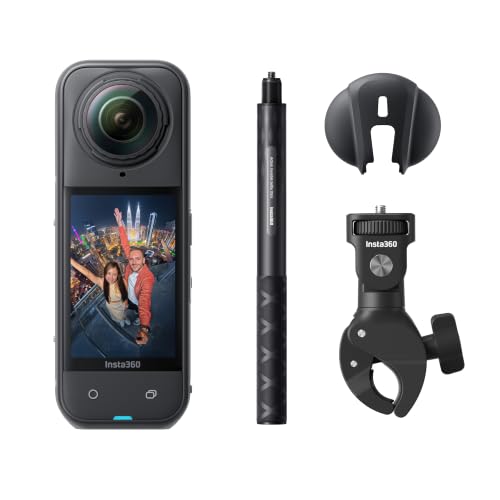
Insta360 X5 Motorcycle Bundle
What We Like
- 8K 360° video with dual sensors
- 185-minute battery with fast charging
- Waterproof to 49ft without a case
- Replaceable scratch-resistant lenses
Trade-offs
- At 3.2 lb, heavy for helmet mounting
- Weighs 3.2 pounds, heavy for extended helmet use
An 8K 360° video camera that captures everything around you in one shot means you never have to guess which direction to point it. With a 185-minute battery and fast charging to 80% in 20 minutes, it’s ready for long tours without constant recharging. This is the camera for riders who want to reframe their footage later, grabbing that perfect third-person view or catching an unexpected moment they missed while riding.
The trade-off is weight. For comparison, the Insta360 GO 3S In-Helmet Bundle weighs just 0.3 pounds and tucks inside your helmet for a featherlight POV. The X5 also isn’t a set-and-forget dash cam; its 360° video needs post-ride editing to pull out the shots you want. If you prefer instant clips and minimal weight, a simpler action cam may suit you better. But if immersive, reframe-able footage matters most, this bundle delivers.
Product photos
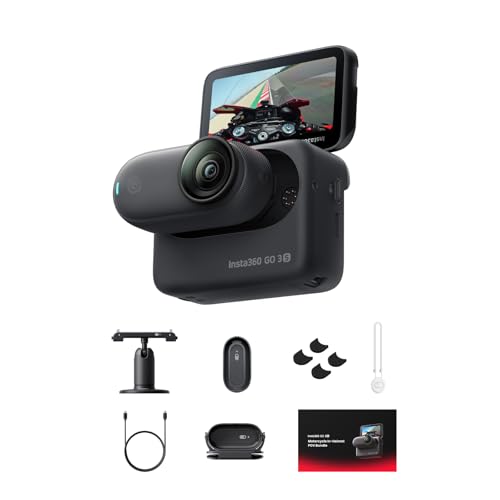
Insta360 GO 3S In-Helmet Bundle
What We Like
- Tiny size mounts inside helmet
- FlowState stabilization keeps footage smooth
- 140-minute battery with Action Pod
- Hands-free POV with magnetic mounts
Trade-offs
- Action Pod is only splashproof, not fully waterproof
- Magnet pendant not safe for pacemaker wearers
- Internal 128GB storage cannot be expanded
The camera weighs 0.3 pounds, so it’s light enough to mount inside a helmet without adding noticeable weight. It records 4K video with FlowState Stabilization, which keeps footage smooth on rough roads. The Action Pod provides 140 minutes of battery life, enough for most day rides, and the magnetic mounts allow creative angles that other cameras can’t reach.
The trade-off comes with the Action Pod’s IPX4 splashproof rating, you can’t submerge it, so heavy rain or a stream crossing means you’ll want to keep the camera pod itself (which is IPX8) separate. For sunny-day riders and vloggers who value a barely-there camera, this bundle hits the mark; for all-weather commuters, a fully sealed option may suit better.
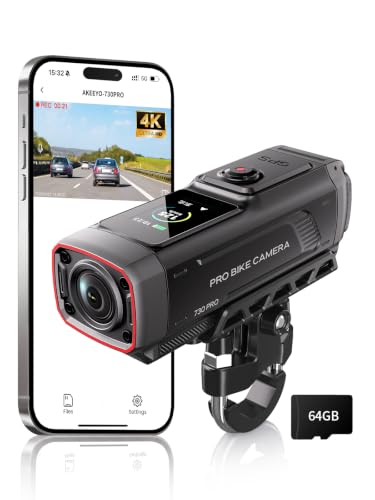
AKEEYO 730Pro Motorcycle Dash Cam
What We Like
- IMX678 sensor for low-light plate capture
- Magnetic mount holds past 100MPH
- Built-in GPS logs route and speed
- Included 64GB card, ready out of box
Trade-offs
- 4K and 60FPS cannot run at the same time
- 1.14-inch touchscreen is small for menu navigation
- 6-hour battery life only in battery-saving 1080P mode
The magnetic quick-release mount holds steady past 100MPH yet pops off in one second, so you can pocket the camera when you park, no worrying about theft. A 3500mAh battery keeps recording for up to 3.5 hours in 4K or 6 hours in battery-saving 1080P mode, and the IP66 rating shrugs off rain and splashes.
4K maxes out at 30FPS, and 60FPS only works at 2K, so you cannot have both ultra-high resolution and silky slow-motion at the same time. The 1.14-inch touchscreen is functional but small for navigating menus while riding.
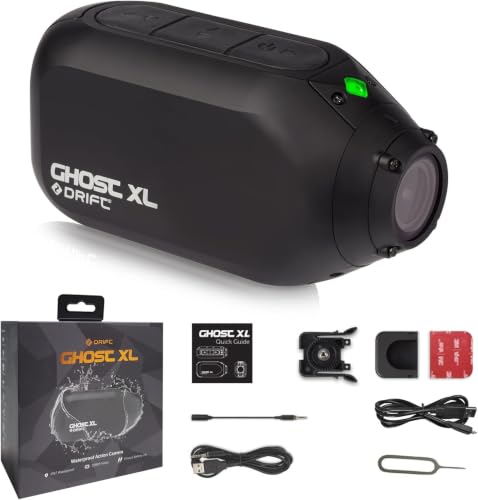
Drift Ghost XL Motorcycle Action Camera
What We Like
- 9-hour battery for all-day riding
- IPX7 waterproof without extra housing
- 300° rotating lens for level footage
- Aerodynamic side-profile helmet mount
Trade-offs
- 1080P resolution only, not 4K
- No built-in screen for playback
- Bulky side design limits helmet placement
Nine hours of continuous recording means you can ride from dawn to dusk without hunting for an outlet or swapping batteries mid-trip. That industry-leading battery life makes the Drift Ghost XL a natural fit for long-distance tourers, commuters who log heavy miles, and anyone who wants to set it and forget it. The IPX7 waterproofing handles rain and mud without a separate housing, and the 300° rotating lens keeps your horizon level whether the camera is mounted on the side, top, or chin of your helmet. Large controls work easily with gloves, and the aerodynamic profile cuts wind resistance better than a boxy action cam.
The marathon runtime comes at the cost of a 1080P ceiling. If you need 4K detail for reading license plates or cropping into footage, the GoPro Hero offers higher resolution but only about half the battery life. There is no built-in screen for reviewing clips on the go, and the side-mount design, while sleek, limits where you can attach it compared to a compact thumb cam like the Insta360 GO 3S. For riders who prioritize endurance over resolution and want a dedicated motorcycle camera that stays out of the way, the Ghost XL delivers where it counts.
MUFU V40T Motorcycle Dash Cam
What We Like
- 8-hour battery for all-day rides
- IP66 waterproof against rain and dust
- Dual 2K cameras front and rear
Trade-offs
- Top-mount only, no chin or side option
- No touchscreen or built-in display
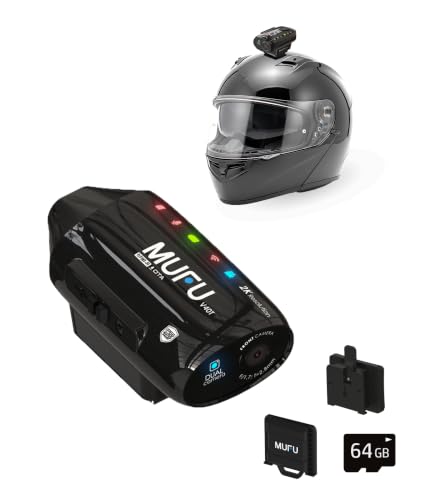
A 4000mAh battery that runs up to eight hours means you can cover a full day of touring without hunting for a charger or swapping packs mid-ride. That alone sets the V40T apart from most helmet cameras, which often tap out after two or three hours. It is built for riders who want continuous front-and-rear recording on long trips, with IP66 waterproofing that shrugs off rain and mud. The dual 2K lenses capture clear detail in daylight and the wide aperture helps in low light, so you get usable footage even on unlit back roads or through tunnels.
The top-mount design is the only way to attach it. That works well for adventure helmets and some full-face models, but if you prefer a chin mount for a lower, more natural POV, you will need to look elsewhere. The lack of a built-in screen also means you rely on the LED indicators and the Wi-Fi app to check settings or review footage. Compared to the AKEEYO 730Pro, which has a 1.14-inch touchscreen and GPS built in, the V40T trades onboard controls for longer battery life and a lighter, simpler setup. For riders who value endurance and straightforward operation over extra features, it is a focused, capable choice.
Black Cat Cam 4K Motorcycle Camera
What We Like
- 6-axis anti-shake for rough terrain
- 4.5-hour battery for long rides
- 5GHz Wi-Fi for fast downloads
- IP64 rain and dust protection
Trade-offs
- IP64 rating not fully submersible
- No built-in display for preview
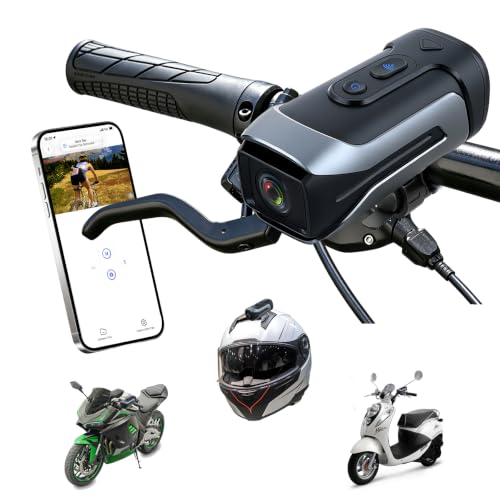
A 2900mAh battery that delivers 4.5 hours of continuous 4K recording means you can ride through a full day of twisty back roads or a long commute without worrying about the camera dying mid-trip. That endurance pairs with a Sony IMX 415 sensor and 6-axis anti-shake stabilization, which aggressively smooths out the vibrations from bumpy pavement or gravel trails. For riders who spend more time on uneven surfaces than smooth highways, this camera keeps the footage steady and clear where many others would turn shaky and blurry.
The IP64 waterproofing handles rain and dust but won’t survive being dunked in a stream or left out in a heavy downpour for long. If your priority is stabilization on rough rides and enough battery to skip midday charging, the Black Cat Cam delivers exactly that.
Sixmou i3 4K Thumb Action Camera

What We Like
- Ultra-light 1.25 oz thumb-sized body
- Magnetic mount for quick chest attachment
- Waterproof to 131 ft with included case
- Records while charging for long sessions
Trade-offs
- Camera not waterproof without included housing
- 4K battery life drops to 90 minutes
- No touchscreen or viewfinder for framing shots
At 1.25 ounces and smaller than a thumb, the Sixmou i3 disappears on your gear. That featherlight weight means you can clip it to a collar, stick it to a metal surface with the magnet, or wear the lanyard pad on your chest without feeling any extra bulk. For riders who want a true hands-free POV camera that doesn’t scream look at me, this is a discreet option. The magnetic spring clip and included mounts let you attach it quickly to gear. It records 4K video and includes a 64GB card, so you can start capturing rides right away.
The trade-off for that tiny size is battery life. In 4K mode you get 90 minutes of recording, which covers a solid commute or a spirited back-road loop but falls short of a full day’s touring. The camera also needs its waterproof housing for wet riding or diving, so you have to remember the case if rain is in the forecast.
Product photos
DJI Osmo Action 4 Essential Combo
What We Like
- 1/1.3-inch sensor for crisp low-light video
- 4K at 120fps with 155° ultra-wide view
- Cold-resistant battery works to -20°C
- Magnetic quick-release for fast angle changes
Trade-offs
- At 0.3 lb, heavier than some helmet cams
- No built-in GPS or dash cam loop recording
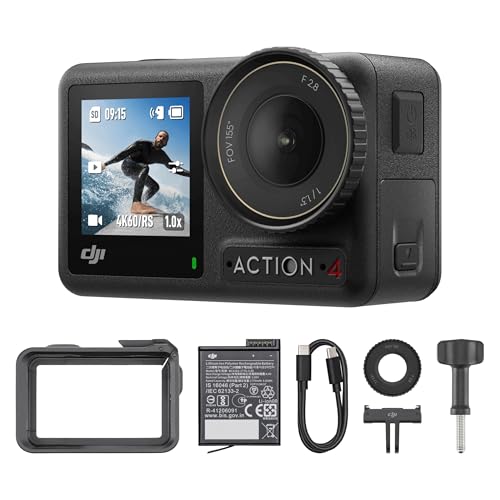
You also get 4K at 120fps with a 155-degree field of view, which means smooth slow-motion clips and a wide enough angle to catch the road and your handlebars.
The 150-minute battery life won’t cover a full day of touring, so you’ll need to recharge or carry a spare if you ride long distances. Compared to the Drift Ghost XL, which claims a 9-hour battery, the DJI is built for shorter, higher-quality sessions rather than marathon commutes. It also lacks GPS or loop recording, so it’s more suited for creative action footage than as a dedicated dash cam. If your priority is capturing sharp, vivid footage in low light and you don’t mind swapping batteries, this is the one to grab.
Product photos
LKT Motorcycle Dash Cam Front and Rear

What We Like
- Built-in GPS tracks route and speed
- WiFi app for phone playback and downloads
- Sony IMX307 sensor improves low-light detail
- Wireless remote control and 64GB card included
Trade-offs
- 2K resolution is lower than some 4K rivals
- Requires app connection for video review on phone
A built-in GPS that logs your route, speed, and location turns this dash cam into more than just a recorder, it gives you a full ride log you can pull up later. The Sony IMX307 sensor is designed to deliver clearer footage in low-light conditions, which helps capture important details such as road signs and license plates after dark. For riders who want evidence-grade footage with location data baked in, the LKT DB5 delivers that without needing extra gear. The included 64GB card and wireless remote mean you can start recording and forget about it, focusing on the road ahead.
Battery life is the main consideration: at three to four hours, it covers most commutes and afternoon rides, but all-day tourers will need to recharge or carry a backup. Resolution tops out at 2K, not 4K like the AKEEYO 730Pro, so if you need every detail for later zooming, that model offers sharper capture. The WiFi app is handy for quick downloads, but you have to connect your phone to view clips rather than pulling the card. For the rider who values GPS tracking and night vision over maximum resolution, this is a well-rounded, ready-to-go package.
Product photos
How We Evaluated Motorcycle Helmet Cameras
Our evaluation combines manufacturer specifications, expert round-ups from the motorcycling community, and common patterns found in thousands of owner reviews. We focused on the features that matter most when the camera is mounted to a vibrating, weather-exposed helmet at highway speeds.
The four criteria that carried the most weight were video resolution and stabilization, battery life for real-world riding durations, mounting versatility and security, and weather sealing. A camera that captures stunning 4K but dies after an hour or shakes itself loose on rough pavement fails the core mission.
Our research method identifies the best candidates based on published data and the collective experience of the riding community. It then presents the trade-offs honestly so you can decide what matters most for your own bike and budget.
What To Look For In Motorcycle Helmet Cameras
Choosing a helmet camera means weighing video quality, battery endurance, mounting options, and durability against your specific riding habits. Here is what to consider before you buy.
Prioritize battery life and stabilization for your longest typical ride, then match resolution and mounting style to your helmet type and riding conditions.
Video Resolution and Stabilization
Resolution determines how much detail you capture, but stabilization determines whether that detail is watchable. 4K at 60fps offers smooth, sharp footage, though many cameras cannot run both simultaneously. For rough roads, look for electronic stabilization like FlowState or 6-axis anti-shake systems. 360° cameras like the Insta360 X5 let you reframe the shot after recording, which is ideal for capturing action from every angle without worrying about aiming the lens.
Battery Life and Charging
Battery life varies wildly, from 90 minutes at 4K on ultra-compact models to nine hours at 1080P on endurance-focused cameras. Consider your longest typical ride and whether the camera can record while charging via a USB power bank. Fast charging is a plus for riders who make quick stops between legs of a tour.
Mounting Options and Security
Mounting position affects both footage quality and safety. Chin mounts provide the most natural POV, while side mounts offer a lower profile. Magnetic mounts allow quick removal but must be strong enough to hold at speed. Top-mount cameras like the MUFU V40T offer a dual-camera setup but limit placement flexibility. A secure mount that does not shift or vibrate is essential for stable footage.
- Check the camera’s weight, a heavy 3.2-pound camera can strain your neck on long rides.
- Verify the mount is compatible with your helmet shape and vent placement.
- Look for aerodynamic designs that reduce wind noise and drag.
- Consider theft-deterrent features like magnetic quick-release for easy removal when parked.
A camera you can’t comfortably wear for hours won’t get used, no matter how good the specs are.
Motorcycle Helmet Cameras Compared
The table below compares the nine helmet cameras side by side, highlighting their key specs and best-use scenarios so you can quickly narrow your options.
| Product | Video Resolution | Battery Life | Waterproof |
|---|---|---|---|
| Insta360 X5 Motorcycle Bundle | 8K30fps 360° | 185 minutes | 49ft (15m) |
| Insta360 GO 3S In-Helmet Bundle | 4K | 140 minutes | 10m |
| AKEEYO 730Pro Motorcycle Dash Cam | 4K 30FPS / 2K 60FPS | 3.5h 4K / 6h 1080P | IP66 |
| Drift Ghost XL Motorcycle Action Camera | 1080P | 9 hours | IPX7 |
| MUFU V40T Motorcycle Dash Cam | 2K dual front & rear | up to 8 hours | IP66 |
| Black Cat Cam 4K Motorcycle Camera | 4K 30fps | 4.5 hours 4K recording | IP64 |
| Sixmou i3 4K Thumb Action Camera | 4K hands-free recording | 150 min (1080p), 90 min (4K) | 131 ft (40 m) with case |
| DJI Osmo Action 4 Essential Combo | 4K at 120fps | 150 minutes | 18m |
| LKT Motorcycle Dash Cam Front and Rear | 2K front & rear | 3-4 hours (1920mAh) | N/A |
Frequently Asked Questions
What is the best motorcycle helmet camera for night riding?
The AKEEYO 730Pro Motorcycle Dash Cam uses an IMX678 sensor specifically designed for low-light plate capture, making it the top choice for nighttime commuters. The DJI Osmo Action 4 Essential Combo also performs well in low light thanks to its larger 1/1.3-inch sensor.
How long should a motorcycle helmet camera battery last?
Battery life depends on your riding distance. For daily commutes under an hour, a 90-minute battery may suffice. For all-day touring, look for cameras with eight to nine hours of battery life, like the Drift Ghost XL or MUFU V40T, or models that can record while plugged into a power bank.
Can I mount a helmet camera inside my helmet?
Yes, the Insta360 GO 3S In-Helmet Bundle is designed specifically for in-helmet mounting with its tiny body and magnetic pendant mount. This placement provides a true first-person POV but requires a camera small enough to fit without compromising helmet fit or safety.
Are motorcycle helmet cameras waterproof?
Waterproof ratings vary. The Insta360 X5 is waterproof to 49 feet without a case, while models like the Black Cat Cam have an IP64 rating that handles rain but not submersion. Always check the IP rating or depth rating against your typical riding conditions.
What resolution do I need for a motorcycle helmet camera?
4K resolution offers the best detail for capturing license plates, scenery, and fine road details. However, 1080P cameras like the Drift Ghost XL still produce clear footage and often offer significantly longer battery life. Choose 4K if image quality is your top priority; choose 1080P if you need all-day recording.
The Bottom Line
The Insta360 X5 Motorcycle Bundle is the best overall pick for riders who want to capture every angle of their ride in stunning 8K 360° video. Its waterproof design and long battery make it a versatile companion for everything from canyon carving to rainy commutes. But its 3.2-pound weight means it is best suited for riders who can tolerate a heavier camera.
If you need a lightweight, discreet camera for hands-free vlogging, the Insta360 GO 3S is the smallest option we found, fitting inside most helmets. For budget-minded riders or those who prioritize nighttime plate capture, the AKEEYO 730Pro offers excellent low-light performance and a theft-deterrent magnetic mount.
The single most important factor is matching the camera’s battery life to your longest typical ride. A camera that cuts out mid-ride is just dead weight on your helmet.
