
10 Best Youth Motorcycle Helmets in 2026
This post contains affiliate links. As an Amazon Associate, we earn from qualifying purchases.
For young riders, the right motorcycle helmet means the difference between a great day on the trail and a parent’s worst nightmare. The ILM MF521 Youth Full Face Helmet wins as best overall for its lightweight ABS shell that reduces neck strain, removable washable liner, and quick-release buckle. For off-road adventures, the Fly Racing Kinetic Solid Helmet delivers durability and ventilation, while budget-conscious families will appreciate the complete ROOZO Youth Dirt Bike Helmet Set.
The challenge for parents is finding a helmet that fits a growing child’s head properly, meets safety certifications, and doesn’t cause neck fatigue during long rides. Youth helmets must balance protection with a weight that young necks can support.
This guide evaluates ten youth motorcycle helmets based on safety certifications, weight, ventilation, and real-world owner feedback patterns. We focus on what matters most: keeping your young rider protected without sacrificing comfort.
Top 10 Youth Motorcycle Helmets in the Market
Certain content that appears on this site comes from Amazon. This content is provided "as is" and is subject to change or removal at any time.
The Best Youth Motorcycle Helmets, Reviewed
ILM MF521 Youth Full Face Helmet

What We Like
- Lightweight ABS shell reduces neck strain
- Removable, washable liner for easy care
- Quick release buckle for easy adjustment
Trade-offs
- At 2.9 lb, heavier than some youth helmets
- No MIPS or rotational impact system listed
The lightweight ABS shell and high-density EPS foam work together to absorb impact without weighing down a young rider’s neck. That matters on longer rides or when they’re still building strength. Add in a quick release buckle that small fingers can manage, a wide visor that keeps dust and gravel at bay, and a washable liner, and you have a helmet that balances protection with everyday comfort for street, dirt, or ATV use.
The trade-off here is weight: at 2.9 pounds, it is heavier than the 2.2-pound Fox Racing V1 Motocross Helmet, which could matter for very young or small riders on long outings. But that extra weight comes with a shell that meets a more rigorous safety standard than many youth helmets offer, and the ILM is still lighter than the 6-pound FLY Racing Kinetic Drip MX Helmet. For a parent choosing one helmet for mixed riding, paved roads and off-road trails, this is a versatile and well-rounded option.
Fly Racing Kinetic Solid Helmet
What We Like
- DOT and FMVSS 218 certified
- Removable moisture-wicking liner
- Dual-density EPS for impact
- TFV ventilation system
Trade-offs
- No MIPS or rotational impact system
- Only available in Youth Large size
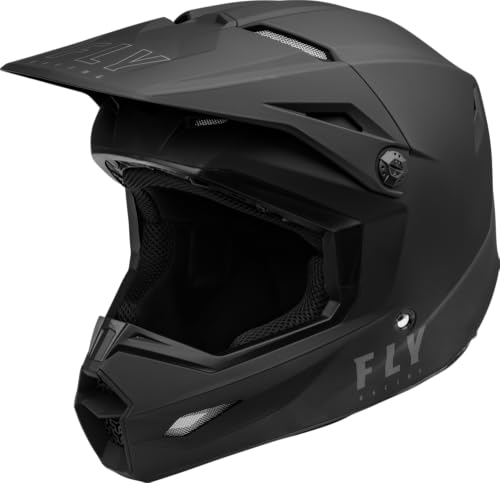
The Fly Racing Kinetic Solid meets DOT and FMVSS NO.218 safety standards, giving parents confidence for off-road riding like motocross or ATV use. Its polymer alloy shell and dual-density EPS liner work together to absorb impact energy, while the TFV ventilation pushes air from front intake ports out the rear exhaust vents to keep a young rider cool on dusty trails. The fully removable, washable liner and quick-release cheek pads make cleanup simple after muddy days. This helmet is built for serious off-road adventures, not casual neighborhood cruising.
The Fly Racing Kinetic Solid Helmet meets DOT and FMVSS NO.218 safety standards, so it’s certified for motocross, ATV, UTV, and off-road motorcycle riding right out of the box. Its polymer alloy shell comes in three shell sizes and four EPS sizes, which helps reduce rider fatigue by giving a secure, precise fit. The TFV ventilation system pulls air in through front intake ports and pushes it out rear exhaust vents, keeping a rider cool and dry on the trail. Inside, the moisture-wicking liner and quick-release cheek pads are fully removable and washable, so the helmet stays fresh ride after ride.
Product photos
Fox Racing V1 Motocross Helmet

What We Like
- Mips low-friction impact protection layer
- Lightweight at 2.2 pounds
- Designed for youth ages 4-14
Trade-offs
- Youth sizing only, not for adults
- No goggle or visor included with helmet
This helmet is designed for youth riders ages 4-14, so it will not fit teens or adults. Unlike some all-in-one sets from ROOZO or XFMT that bundle goggles, gloves, and a bag, the Fox Racing V1 is sold as a standalone helmet. If you want a complete kit in one box, those options may be more convenient. But if DOT and ECE22.06 certifications with Mips are your priority, the Fox Racing V1 delivers that protection in a 2.2-pound package that keeps the helmet comfortable for a young rider.
FLY Racing Kinetic Drip MX Helmet
What We Like
- 4 shell and EPS sizes for precise fit
- Removable washable liner for long-term comfort
- TFV ventilation system keeps rider cool
Trade-offs
- At 6.0 lb, heavier than some youth helmets
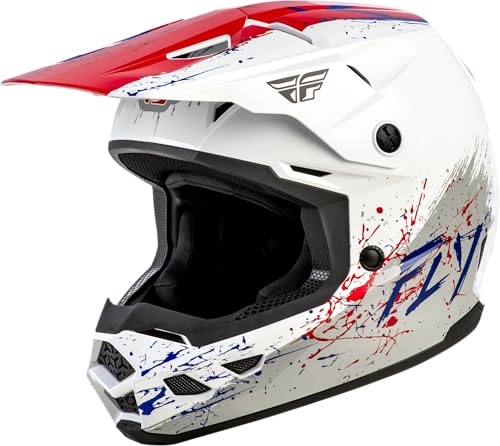
At 6.0 pounds, this youth motocross helmet is heavier than some alternatives, but the polycarbonate shell and dual-density EPS liner are designed for reliable protection. Four shell and EPS sizes help tailor the fit to a growing rider’s head, which can improve comfort and security. The helmet meets DOT and ECE standards, making it a suitable option for young off-road riders who need certified gear.
The 6.0-pound weight is higher than the Fox Racing V1 Motocross Helmet at 2.2 pounds, so a smaller or younger rider may notice the difference on longer rides. However, the removable, washable comfort liner and TFV ventilation system, which moves air through multiple intake and exhaust ports, help manage heat and moisture. If a precise fit from multiple shell sizes matters more than the lightest possible weight, this helmet offers a practical balance of protection and comfort.
Product photos
Bell Moto-9 MIPS Youth Helmet
What We Like
- MIPS energy management system
- Magnefusion Emergency Removal cheek pads
- Velocity Flow Ventilation for cooling
- Removable and washable liner
Trade-offs
- At 3.5 lb, heavier than some youth helmets
- No ECE certification listed, only DOT
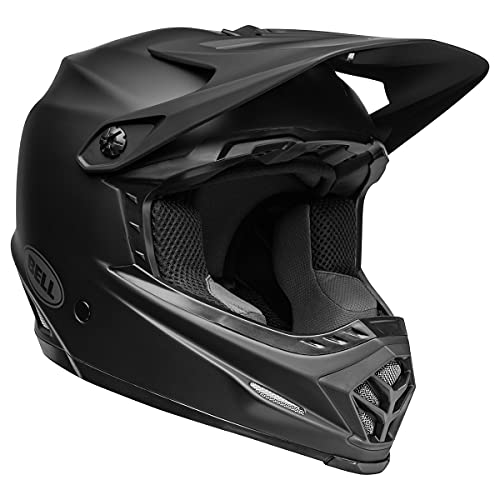
The MIPS energy management system inside this helmet is a key safety feature for a young rider. Paired with the Tri Matrix shell construction, it provides protection that meets DOT and FMVSS 218 standards. The Magnefusion Emergency Removal System uses magnetic cheek pads, which are designed for quick removal by first responders. This helmet suits families who prioritize advanced impact protection and want the latest safety tech for their child, even if it means a little more weight on the trail.
The trade-off is that this helmet weighs 3.5 pounds, which is noticeably heavier than something like the Fox Racing Youth V1 at 2.2 pounds. For a young rider with less neck strength, that extra pound and a half can add fatigue on long rides or while learning. The Bell only carries DOT certification, while some competitors like the Leatt Junior Moto 3.5 include ECE approval, which is a broader international standard. If your child is just starting out or takes short trips, the weight may not bother them. But for all-day use or serious motocross training, it is worth considering how that extra mass feels over time.
Leatt Junior Moto 3.5 Helmet Set
What We Like
- 3-in-1 safety system for varied impacts
- Includes matching goggles in the box
- Lightweight at 2.75 pounds
- Dual ECE 22.06 and DOT certified
Trade-offs
- Single shell size limits fit range
- Single shell size only fits 51-52cm head circumference
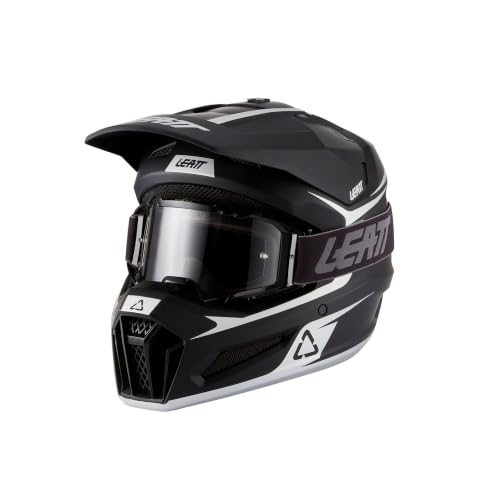
A 3-in-1 safety system that handles low-speed, high-speed, and rotational forces means this helmet actively works to reduce injury in multiple crash scenarios, not just meet the minimum standards. That gives parents real peace of mind for their young rider. It comes with a Vizion 2.5s goggle in the box, so you’re ready to ride without hunting for a separate visor that fits. At about 2.75 pounds, it stays light enough for a full day on the trails, and dual ECE 22.06 plus DOT certifications confirm it’s been tested to rigorous global and U.S. standards.
The trade-off is that this set comes in a single shell size, so if your child’s head falls outside the 51-52cm range, this one won’t work at all. For families with a junior rider who fits this size and wants a complete, safety-focused package straight out of the box, this set delivers real value without cutting corners on protection.
Product photos
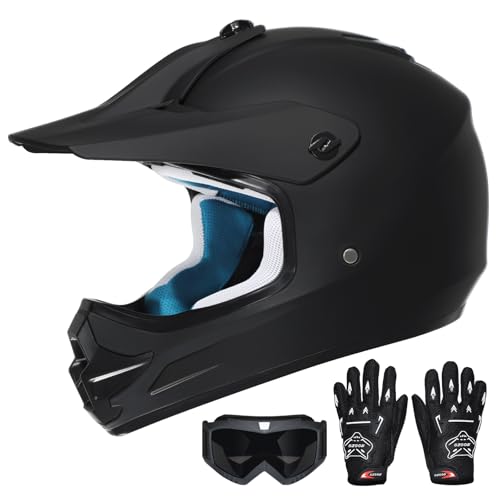
ROOZO Youth Dirt Bike Helmet Set
What We Like
- Ultra-light 2.38 lb design
- DOT-certified ABS shell and EPS liner
- Includes goggles, gloves, and storage bag
- Washable, sweat-wicking liner
Trade-offs
- Limited to youth head sizes 49-56 cm
- No MIPS or multi-density EPS liner
Weighing just 2.38 pounds, this helmet is light enough for a young rider to wear all day without neck strain. The DOT-certified ABS shell and dense EPS foam liner provide reliable impact protection for off-road use. The set includes goggles, gloves, and a storage bag, so you have everything needed to start riding right away. For parents looking for a safe, complete kit that won’t weigh a child down, this delivers solid value.
The ROOZO Youth Dirt Bike Helmet Set meets DOT FMVSS-218 safety standards with a high-impact ABS shell and dense EPS foam liner, so it provides reliable protection for casual off-road riding. Its size range goes up to 55-56 cm (X-Large, which equals an Adult Small), meaning it fits older kids but not most teens or full-grown adults. Reviewers note that the ultra-light 2.38 lb design keeps young riders comfortable on long rides, making it a practical starter helmet for growing children.
Product photos
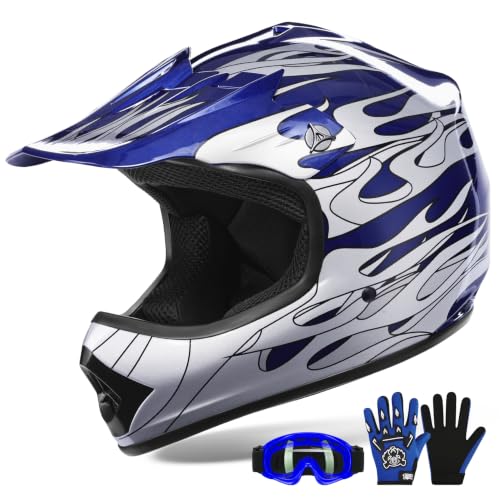
XFMT Youth Dirt Bike Helmet Set
What We Like
- Ultra-lightweight at just 1030g
- DOT-approved ABS and EPS protection
- Removable and washable liner
- Complete set with goggles and gloves
Trade-offs
- No MIPS or ECE rating listed
- Only DOT certified, not ECE rated
At just 2.0 pounds, this is the lightest helmet in this guide by a clear margin, nearly a full pound lighter than the ILM MF521 and half the weight of the Fly Racing Kinetic Drip MX. That matters a lot for a young rider whose neck muscles are still developing; a lighter helmet means less fatigue on long trail rides and more willingness to keep it on. The DOT-approved ABS shell and high-density EPS liner give you the basic safety foundation you need for off-road or street riding. The three-vent system helps keep things cool when the summer heat kicks up. It also arrives as a complete kit with anti-fog goggles, anti-slip gloves, and a carry bag, so you don’t have to shop for extras separately.
At just 2.0 pounds, this helmet set is ultra-lightweight, which means a young rider won’t feel weighed down during a long day of riding. The DOT FMVSS-218 safety standard is met with a high-impact ABS shell and high-density EPS buffer layer, so parents can trust the basic protection for straight-on impacts. The size range is specific: the medium fits 51-52 cm, so measure your child’s head carefully before ordering. For a beginner who needs a complete kit with goggles and gloves, this set keeps things simple and ready to go.
Product photos
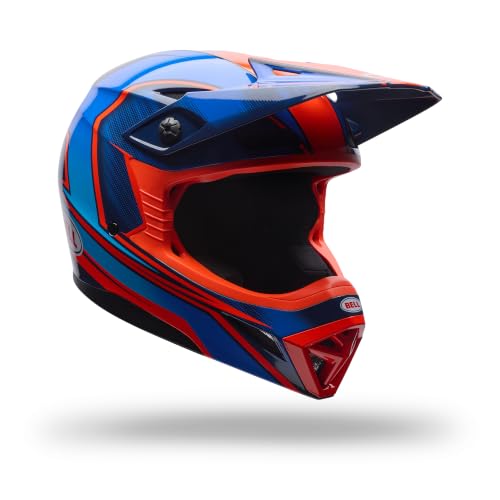
BELL Youth MX-10 MIPS Helmet
What We Like
- MIPS impact rotation protection
- Ultralight 1300 g polycarbonate shell
- Flying Bridge Visor improves airflow
- Removable anti-microbial liner fights odor
Trade-offs
- No integrated sun visor or drop-down shield
- Weighs 6.0 pounds, heavier than many youth helmets
This polycarbonate shell weighs 1300 grams, light enough for a young rider to wear all day without neck fatigue, yet it includes MIPS rotation management and meets both DOT and ECE22.06 standards. That combination of low weight and high-end protection is why serious weekend warriors upgrade their kid to this model. The Flying Bridge Visor skips the traditional center screw, which puts more energy-absorbing foam where impacts often hit, while the removable mouthpiece and anti-microbial liner keep the helmet fresh after dusty rides.
For a parent who prioritizes top-tier safety standards and a visor designed to flex on impact, the extra heft is a fair exchange. This helmet is built for the young rider who rides hard and expects gear that keeps pace.
Orthrus Youth Dual Sport Helmet

What We Like
- DOT certified for street and off-road
- Built-in sun visor reduces glare
- Removable washable liner for cleaning
- Lightweight design reduces neck strain
Trade-offs
- No MIPS or advanced rotational impact system
- Visor is fixed, not removable for goggle use
The Orthrus Youth Dual Sport Helmet is DOT certified for both street and off-road riding, which means your young rider can wear it on the pavement and then hit the trails without switching helmets. The built-in sun visor cuts glare and keeps dust out of their eyes, so you don’t need to buy separate goggles for daytime rides. This makes it a great fit for teens who split their time between dirt paths and neighborhood streets, especially if you want one helmet that handles both without extra gear or hassle.
The Orthrus is DOT certified for street and off-road use, so it’s legal for dual-sport riding right out of the box. Its built-in sun visor cuts glare and keeps dust out of the rider’s view, meaning no extra goggles are needed for most conditions. The removable, washable liner makes post-ride cleanup straightforward after muddy or dusty trips.
How We Evaluated Youth Motorcycle Helmets
Our evaluation combines manufacturer specifications, safety certification data, and patterns found in owner feedback across multiple sources. We examined each helmet’s DOT and ECE certifications, shell materials, impact protection systems, and weight to determine how well they protect young riders.
The four criteria that mattered most were safety certifications (DOT and ECE 22.06), weight (lighter helmets reduce neck strain for developing bodies), ventilation system effectiveness, and fit options across different head sizes. A helmet that doesn’t fit properly cannot protect properly, so we prioritized models offering multiple shell sizes.
This is a research-led evaluation, not a testing report. We have verified that each model meets the safety standards it claims and that owner feedback supports the strengths and trade-offs we describe.
What To Look For In Youth Motorcycle Helmets
Choosing a youth motorcycle helmet requires balancing safety certifications, proper fit, and weight. Here are the key factors to consider before buying.
Look for DOT certification as a minimum, then ECE 22.06 for advanced protection. The helmet should fit snugly without pressure points, and the chin strap must stay secure when buckled. Weight under 3 pounds helps prevent neck fatigue during long rides.
Safety Certifications
DOT (FMVSS 218) is the legal minimum for street use in the United States. ECE 22.06 is a more rigorous international standard that includes rotational impact testing. Some helmets also feature MIPS (Multi-directional Impact Protection System), which adds a low-friction layer to reduce rotational forces during angled impacts. For serious off-road riding, prioritize helmets with both DOT and ECE certification.
Weight and Shell Construction
Youth helmets typically weigh between 2.2 and 3.5 pounds. Lighter helmets reduce strain on developing neck muscles, especially during long rides or off-road sessions where the head moves frequently. ABS shells offer good protection at a lower cost, while polycarbonate and composite shells are lighter and more impact-resistant. Multiple shell sizes within a model line ensure a better fit for different head shapes.
Ventilation and Liner Quality
Young riders generate more heat than adults and need effective ventilation to stay comfortable. Look for helmets with multiple intake and exhaust vents, such as the TFV (Thermal Flow Ventilation) system found on Fly Racing models. A removable, washable moisture-wicking liner prevents odor buildup and keeps the helmet fresh between rides.
- Check that the chin strap buckle is easy for a child to operate but secure enough to stay fastened.
- Verify head circumference measurements against the manufacturer’s size chart before buying.
- Look for emergency removal systems like Magnefusion cheek pads on advanced models.
- Consider whether you need a complete set with goggles and gloves or just the helmet.
- Ensure the helmet fits the type of riding: full-face for street, motocross style for off-road.
A helmet that fits properly will not move when the child shakes their head side to side, and the cheek pads should touch the cheeks without causing discomfort.
Youth Motorcycle Helmets Compared
The table below compares all ten youth motorcycle helmets across key specifications, including weight, safety certifications, and special features to help you narrow your choice.
| Product | Weight | Safety Certifications | Shell Material |
|---|---|---|---|
| ILM MF521 Youth Full Face Helmet | 2.9 pounds | DOT and ECE22.06 | ABS |
| Fly Racing Kinetic Solid Helmet | N/A | DOT, FMVSS NO.218 | Polymer alloy |
| Fox Racing V1 Motocross Helmet | 2.2 pounds | DOT and ECE22.06 | N/A |
| FLY Racing Kinetic Drip MX Helmet | 6.0 pounds | ECE / DOT | Lightweight Polycarbonate |
| Bell Moto-9 MIPS Youth Helmet | 3.5 pounds | DOT / FMVSS 218 | N/A |
| Leatt Junior Moto 3.5 Helmet Set | 2.75 lbs | ECE 22.06 + DOT | Injected polymer compound |
| ROOZO Youth Dirt Bike Helmet Set | 2.38 lb | DOT FMVSS-218 | High-impact ABS |
| XFMT Youth Dirt Bike Helmet Set | 2.0 pounds | DOT FMVSS-218 | High-impact ABS |
| BELL Youth MX-10 MIPS Helmet | 6.0 pounds | DOT and ECE22.06 | Polycarbonate |
| Orthrus Youth Dual Sport Helmet | N/A | DOT certified | N/A |
Frequently Asked Questions
What size youth motorcycle helmet does my child need?
Measure your child’s head circumference just above the eyebrows using a flexible tape measure. Most youth helmets fit head sizes from 49 to 56 centimeters. Compare your measurement against the manufacturer’s size chart, as fit varies between brands. A properly fitting helmet should feel snug but not painful, with no gaps between the padding and the head.
Is DOT certification enough for a youth motorcycle helmet?
DOT certification meets the minimum federal safety standard for street-legal helmets in the United States. For young riders, especially those riding off-road or at higher speeds, ECE 22.06 certification offers more rigorous testing that includes rotational impact protection. Parents seeking the highest level of safety should look for helmets with both DOT and ECE ratings, plus MIPS technology.
How often should I replace my child’s motorcycle helmet?
Replace any helmet after a crash, even if there is no visible damage, because the EPS liner may be compromised. For normal use, replace youth helmets every three to five years as materials degrade from UV exposure and sweat. Also replace a helmet when your child outgrows it, which can happen quickly during growth spurts.
What is MIPS protection in a youth helmet?
MIPS stands for Multi-directional Impact Protection System. It adds a low-friction layer between the helmet’s outer shell and inner liner that allows the helmet to rotate slightly on impact. This rotation reduces the rotational forces transferred to the brain during angled crashes. MIPS is an additional safety feature found on helmets like the Fox Racing V1 and Bell Moto-9.
Can my child use a youth motorcycle helmet for both street and off-road riding?
Yes, if the helmet is DOT certified and has a full-face design. Dual sport helmets like the Orthrus Youth Dual Sport Helmet work for both environments with a built-in sun visor. Dedicated off-road helmets like the Fly Racing Kinetic have longer visors and more ventilation but lack face shields, requiring separate goggles for street use.
The Bottom Line
The ILM MF521 Youth Full Face Helmet is our best overall pick for most families. It combines DOT certification with a lightweight ABS shell, a washable liner, and a quick-release buckle that makes it easy for young riders to use independently. This helmet works well for both street and off-road riding, giving parents one versatile option for growing riders.
If your young rider is serious about motocross or trail riding, the Fly Racing Kinetic Solid Helmet offers excellent ventilation and dual-density EPS protection at a reasonable price. For families on a budget, the ROOZO Youth Dirt Bike Helmet Set provides a complete kit with goggles and gloves for casual riding.
The single most important factor in choosing a youth motorcycle helmet is proper fit. No safety feature matters if the helmet does not fit your child’s head correctly. Measure carefully, use the manufacturer’s size chart, and prioritize a snug, comfortable fit above all else.
