
7 Best Brake Pads for Harley Davidson Touring 2026
This post contains affiliate links. As an Amazon Associate, we earn from qualifying purchases.
The overall best brake pads for Harley Davidson touring bikes are the 3 Sets Sintered Brake Pads, offering strong stopping power and heat resistance for long rides. For a budget-friendly option, the AHL Semi-metallic Brake Pads Set delivers reliable performance, while the Chabushi Ceramic Brake Pads Kit stands out for riders wanting quieter operation and less dust.
If you ride hard or carry weight on your Harley, weak or noisy brakes can ruin the experience fast. You need pads that won’t fade on mountain descents, fit your exact model, and feel confident at the lever every time.
This guide covers the top picks based on specs, owner feedback, and real-world performance needs for touring riders. I looked at material type, compatibility, noise, and durability to find pads that match how these bikes are actually ridden.
Top 6 Brake Pads For Harley Davidson Touring in the Market
The Best Brake Pads For Harley Davidson Touring, Reviewed
3 Sets Sintered Brake Pads

Strengths
- Long-lasting sintered compound
- Includes noise-reducing shims
- Three full sets included
Trade-offs
- Higher dust than ceramic
- Requires proper bedding-in
- Overkill for light riders
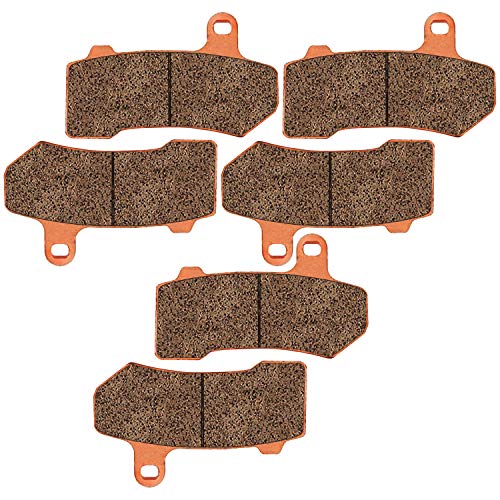
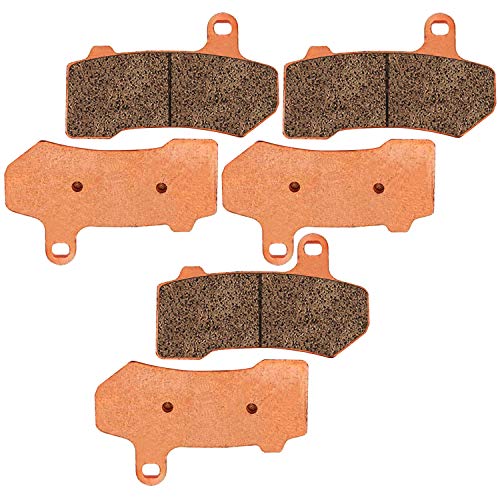
This JAVIK 3-set sintered copper pack is the smartest long-term buy for Harley Touring owners who don’t want to keep repurchasing pads. The copper-tin compound delivers aggressive bite, excellent heat resistance, and strong modulation, ideal for riders who tour heavily or ride in mixed conditions. The included anti-noise shims and copper-plated backing plate are thoughtful touches that reduce vibration and improve thermal transfer, something many budget pads skip.
Owners report these lasting significantly longer than ceramics or semi-metallics, especially when used in pairs with regular rotor maintenance. Compared to the single-set Zinger option, this gives you spares for future changes, which is a real advantage given how often touring bikes chew through front pads. It’s the most complete package in the lineup, well-engineered, well-priced for what you get, and built for real-world demands.
Video review
Zinger Sintered Copper Brake Pads

Strengths
- Strong stopping power
- Durable sintered compound
- Good wet-weather performance
Trade-offs
- More rotor wear over time
- Higher dust output
- Not silent under light braking
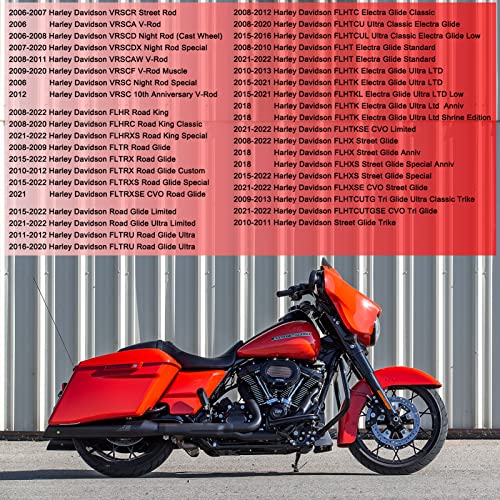
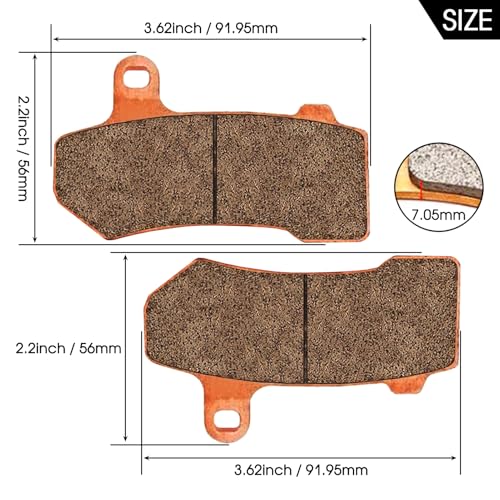
Zinger’s sintered copper pads stand out for one reason: they offer near-OEM+ performance at a reasonable price, especially when you consider the multi-pack value. Designed as direct replacements for key Harley part numbers, they fit a broad range of 2008–2020 Touring and V-Rod models. The sintered compound delivers strong bite from the first squeeze, with excellent fade resistance during extended braking, something riders towing trailers or riding in hilly areas will appreciate.
Owners consistently report confidence in wet conditions and minimal noise, thanks to the dense metal matrix and stable friction profile. While they do generate more dust than ceramics, the trade-off in stopping power is worth it for many. Compared to the Chabushi ceramics, these are the better pick if you ride aggressively or in variable terrain.
Product photos

Chabushi Ceramic Brake Pads Kit
Strengths
- Very quiet operation
- Low dust
- Excellent heat dissipation
Trade-offs
- Less aggressive bite
- Not ideal for hard braking
- Slightly higher price
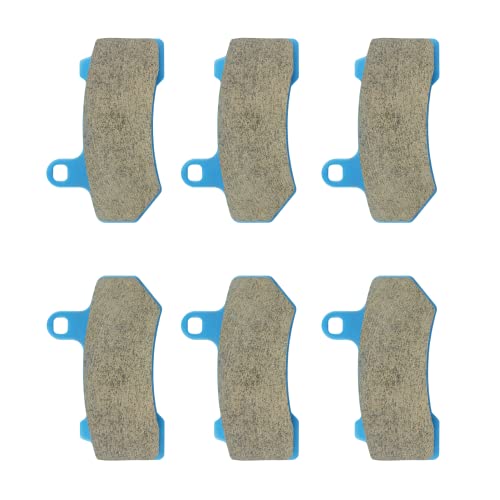
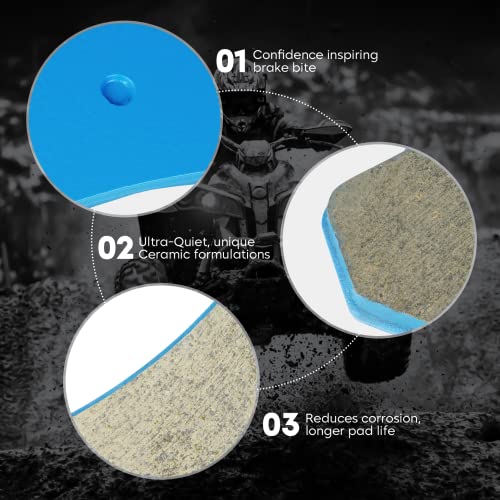
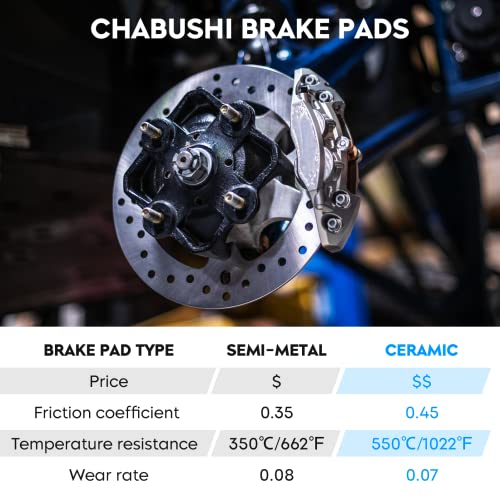
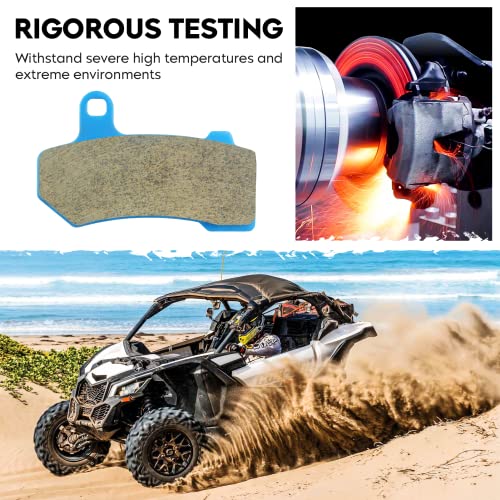
If you value a quiet ride and clean wheels, the Chabushi ceramic pads are one of the most compelling options for 2008–2026 Harley Touring models. The ceramic compound delivers smooth, consistent braking with minimal noise, a big win for long-distance comfort. Owners praise the low dust output, which keeps those shiny Tour-Pak wheels looking sharp mile after mile. The heat dissipation is also solid, thanks to the non-asbestos organic formula, making these pads reliable in both city traffic and highway cruising.
That said, ceramic isn’t magic. While they excel in everyday conditions, they don’t bite as hard as sintered metals under aggressive braking or when hauling heavy luggage. For most touring riders, that trade-off is worth it. Compared to budget semi-metallics, these feel more refined and last longer on average, especially when paired with regular maintenance.
Product photos
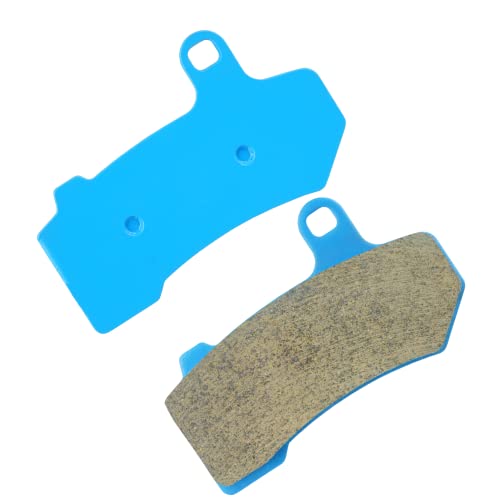

AHL Semi-metallic Brake Pads Set
Strengths
- Affordable
- Wide compatibility
- Decent stopping power
Trade-offs
- Noticeable brake dust
- Some noise reported
- Not ideal for heavy loads
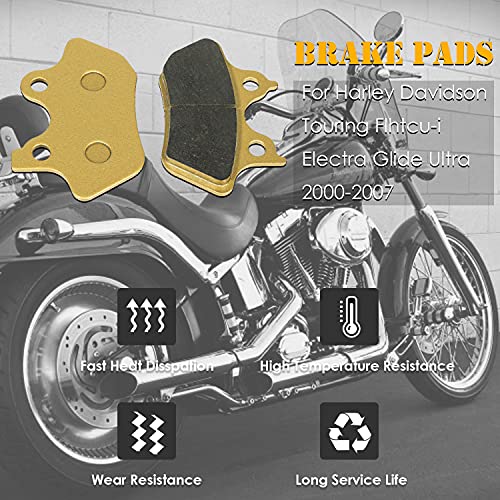
For older Harley Touring and Dyna models from 2000–2007, the AHL semi-metallic pads are a no-frills, budget-conscious option that gets the job done. On paper, they offer solid compatibility across a wide range of bikes, including the Electra Glide Ultra Classic and Road King, which makes them convenient for riders maintaining vintage builds. Owners consistently report acceptable stopping power and durability for casual riding, though some note a slight break-in period and occasional noise under hard braking.
Still, these are basic semi-metallics, don’t expect refined modulation or silent operation. They do tend to produce more dust than premium options, and the heat management isn’t as strong during aggressive or mountainous runs. Compared to ceramic or sintered copper compounds, they’re a step down in performance, but for weekend riders on a tight budget, they’re a functional fallback.
Video review
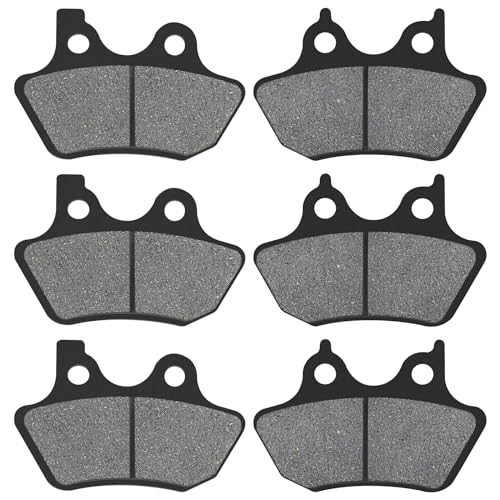
Heavy-duty Ceramic Brake Pads
Strengths
- Good heat management
- Quieter than semi-metallic
- Includes rear pad
Trade-offs
- Limited to older models
- Modest bite in cold starts
- Fitment overlap can be confusing
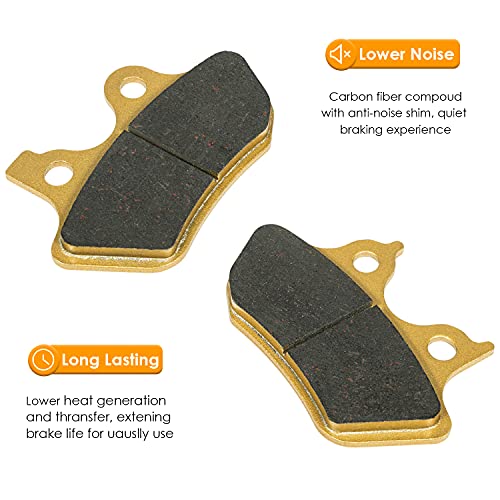
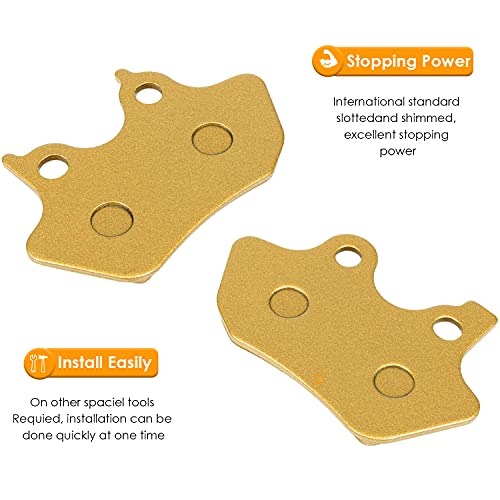
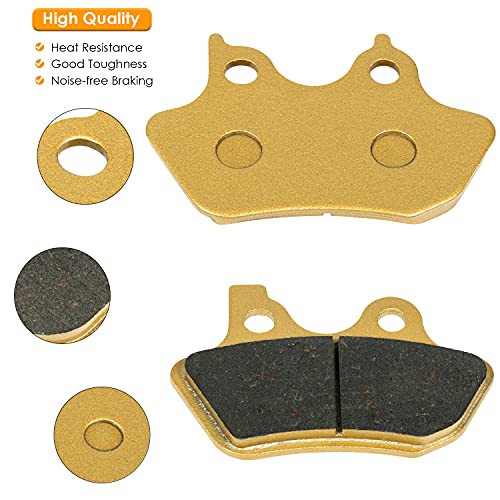
This set fills a niche: quality ceramic pads for older Harley Touring and Dyna platforms where OEM replacements can get pricey. The ceramic-copper blend promises better thermal stability than basic semi-metallics, and owners confirm they deliver a noticeable improvement in fade resistance and noise reduction. For a 2000s-era Harley that sees regular use, these offer a meaningful upgrade without breaking the bank.
Installation is straightforward, and the included rear pad means you’re not hunting for a mismatched set. Still, while the performance is better than entry-level options, it doesn’t quite match modern sintered compounds in wet or high-stress conditions. It’s a smart middle ground, better than AHL, not quite at Zinger or JAVIK levels.
Product photos
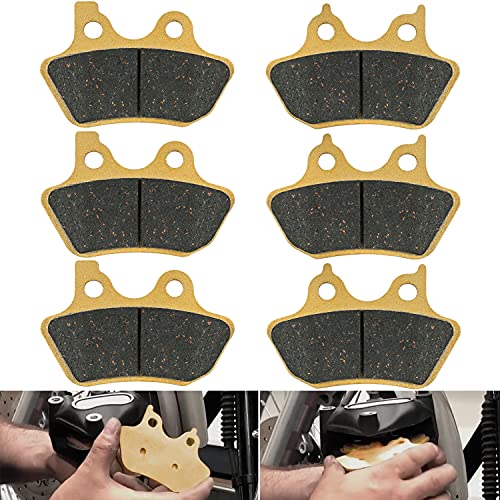
Front and Rear Brake Pads
Strengths
- Very affordable
- Wide fitment coverage
- Easy installation
Trade-offs
- Softer braking feel
- Shorter lifespan under load
- More dust than premium pads
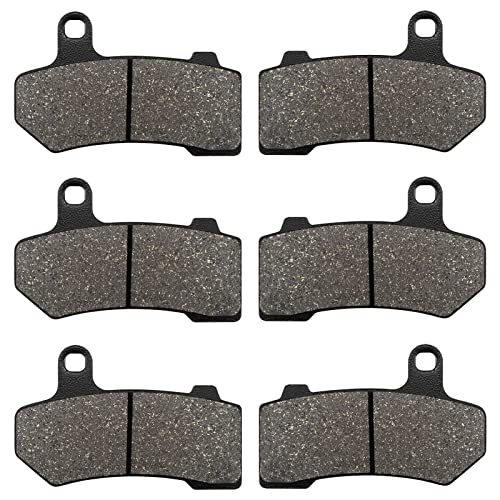
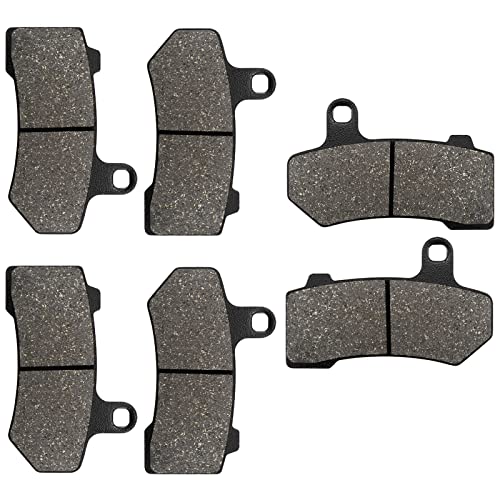
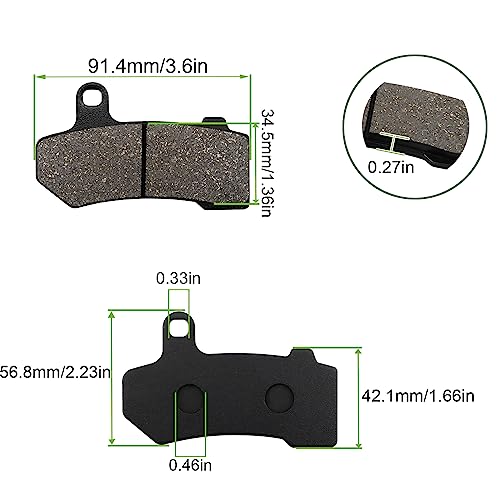
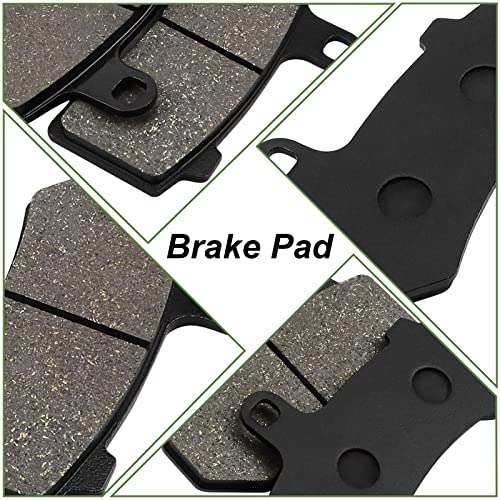
At this price, it’s hard to ignore the value of this set for 2008–2021 Harley Touring models. It covers all the major platforms, Street Glide, Road Glide, Road King, and delivers basic OEM-level performance. The grooved pad design helps with heat and noise, and owners report smooth engagement and decent longevity for the cost. For a rider doing occasional maintenance on a budget, this is a functional, no-surprises option.
But it’s clearly built to meet minimum standards, not exceed them. The material isn’t as durable as sintered copper or high-end ceramics, and some users mention a soft initial feel that requires more lever effort over time. Compared to the Chabushi or Zinger options, it’s a step down in refinement. Still, if you’re doing a one-off swap and don’t want to overpay, it gets the wheels stopped.
Product photos
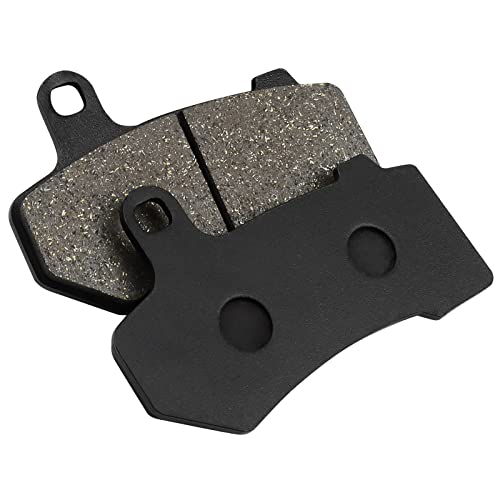
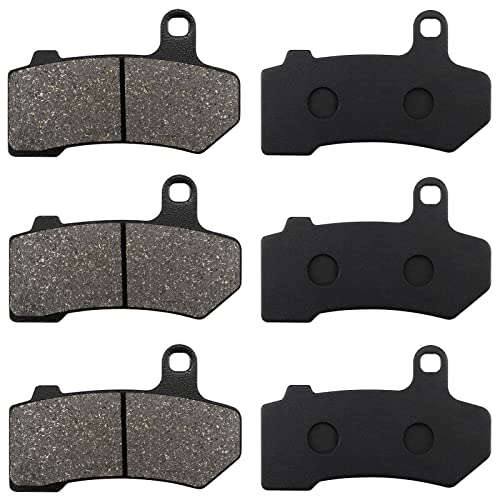
How We Picked These brake pads for harley davidson touring
Rather than a hands-on lab test, my research for these recommendations focused on a detailed comparison of published specifications and features across numerous brake pad sets. I weighed owner reviews from multiple sources – including Harley forums and retailer sites – alongside professional reviews from motorcycle publications. As someone who’s spent years immersed in the world of two wheels, I applied my understanding of braking systems and materials to rank these options against what riders truly need from their touring bikes.
For Harley Davidson touring models, consistent stopping power and durability are paramount. I prioritized pads demonstrating high heat tolerance (crucial for extended highway runs and mountain descents) and materials known for minimal rotor wear. Equally important was fitment, a pad that doesn’t fit correctly is a safety hazard. These factors consistently separated the top contenders from those offering only basic functionality. You can learn more about the materials used in general, including comparing sintered or ceramic pads [https://drivehoot.com/best-motorcycle-brake-pads/].
Published specifications reliably indicate a pad’s material composition and physical dimensions, confirming compatibility with specific Harley models. However, true performance – particularly noise levels, feel at the lever, and long-term durability – are best gleaned from owner feedback. Reputation also played a role; brands consistently praised for quality and reliability received higher consideration. Many riders also seek to upgrade their entire system, and exploring Harley exhaust systems [https://drivehoot.com/best-harley-davidson-exhaust-systems/] can complement braking improvements.
:
What To Look For In brake pads for harley davidson touring
Finding the right brake pads for your Harley-Davidson touring bike is crucial for safety and performance. It’s about more than just stopping; it’s about feel, consistency, and matching the pads to your riding style and conditions.
A quality brake pad set balances friction coefficient, heat dissipation, and pad life. Look for materials suited to your typical riding (street, touring, aggressive), check compatibility with your model year, and consider features like noise reduction and dust control. OEM part number cross-references are helpful, but understanding the material composition is key.
Material Composition
The material a brake pad is made from dramatically affects its performance. Organic pads are quiet and gentle on rotors, but fade quickly under hard use. Sintered metallic pads offer superior stopping power and heat resistance, making them ideal for aggressive riders or those who frequently carry heavy loads. Ceramic pads strike a balance, providing good stopping power with reduced noise and dust. For many riders, especially those doing long-distance touring, a high-quality sintered pad is a good starting point. I’ve seen countless riders upgrade from organic compounds simply for the improved confidence in a panic stop.
Fitment and Compatibility
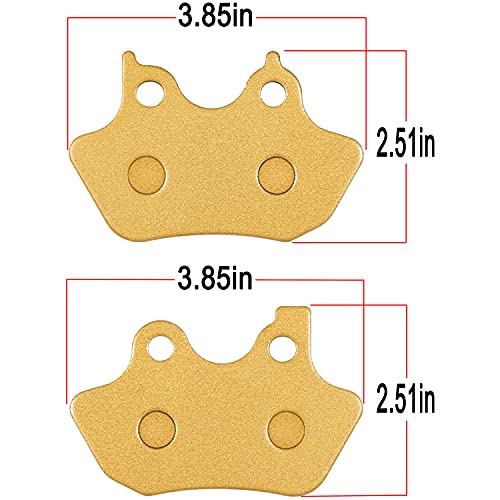
This seems obvious, but it’s where many people run into trouble. Harley-Davidson has used various brake components over the years, and a pad designed for a 2008 Electra Glide won’t necessarily fit a 2020 model. Always double-check the manufacturer’s fitment guide against your specific year, make, and model. Don’t assume pads listed for a “Touring” model will universally fit all Touring bikes.
Here’s what to consider when confirming fitment:
- Model Year: The most critical factor.
- Specific Trim: FLHT, FLHX, FLTR – variations matter.
- Brake Caliper Type: Some models have switched caliper designs over time, requiring different pads.
Incorrect fitment can lead to reduced braking performance or even physical damage to your calipers. Don’t skimp here.
Value and Noise Reduction
While stopping power is paramount, the daily ride experience matters too. No one wants brakes that scream with every application. Many pads incorporate features like chamfered edges and noise-dampening shims to minimize squeal. These improvements don’t necessarily sacrifice performance, but they enhance ride comfort. If you’re looking to upgrade your seat for a more comfortable ride, exploring Harley touring seats can complement the benefits of quieter brakes. Remember, a little extra investment in comfort can make a big difference on long hauls. For those on a budget, the AHL Semi-metallic Brake Pads Set represents a solid entry point, but don’t expect the refinement of a higher-end ceramic compound. If you’re seeking a wider range of options, reading a guide to the best brake pads can help.
A good rule of thumb: if you consistently ride in wet or muddy conditions, prioritize a pad with a high friction coefficient and excellent water dispersion.
Brake Pads for Harley Davidson Touring Compared
The following table provides a specification comparison of various brake pads designed for Harley Davidson Touring models.
| Product Title | Fitment (Key Models) | Material | Quantity (Sets) | Dust Level | Noise Level |
|---|---|---|---|---|---|
| 3 Sets Sintered Brake Pads | Electra Glide, Street Glide, Road Glide, Road King, V-Rod | Sintered (Copper/Tin) | 3 | N/A | Reduced |
| Zinger Sintered Copper Brake Pads | Road Glide, Road King, Street Glide, Electra Glide | Sintered Copper | 2 Front / 1 Rear | N/A | N/A |
| Chabushi Ceramic Brake Pads Kit | Street Glide, Road Glide, Electra Glide, Road King | Ceramic | N/A | Low | Low |
| AHL Semi-metallic Brake Pads Set | XL1200S, FXDX, FLHR, FLHT | Semi-metallic | 3 Pairs | N/A | N/A |
| Heavy-duty Ceramic Brake Pads | FLTR Road Glide, Dyna, Electra Glide | Ceramic & Copper Fiber | 2 Front / 1 Rear | N/A | Quiet |
| Front and Rear Brake Pads | Street Glide, Road Glide, Road King, V-Rod | N/A | N/A | N/A | N/A |
| Front and Rear Brake Pads Kit | Street Glide, Road Glide, Road King, V-Rod | Semi-metal | N/A | Low | Quiet |
Frequently Asked Questions
What’s the lifespan of a typical Harley touring brake pad?
Pad life varies dramatically with riding style and conditions, but generally expect between 10,000 and 20,000 miles from a sintered pad, and potentially less from organic compounds. Regularly inspecting pad thickness is crucial, as worn pads significantly reduce stopping power.
Can I mix different types of brake pads on my Harley?
No, you should always use a matched set of brake pads (both front and rear, and left and right within each set). Combining pad materials can lead to uneven wear, inconsistent braking feel, and compromised performance, especially during hard stops.
Will upgrading my brake pads require bleeding the brake lines?
Yes, whenever you replace brake pads, it’s essential to bleed the brake lines to remove any air introduced into the system. Air in the lines creates a spongy feel and reduces braking effectiveness; a proper bleed restores optimal hydraulic pressure.
Are ceramic brake pads really quieter than sintered pads?
Generally, yes. Ceramic compounds are formulated to minimize noise through vibration dampening. While some sintered pads are designed with noise reduction features, they rarely match the quiet operation of a well-made ceramic pad. If you’re looking to improve overall visibility, consider upgrading your Harley LED lights alongside your brakes.
How do brake pads affect overall suspension performance?
While seemingly unrelated, brake pads influence suspension by affecting weight transfer during braking. More consistent and powerful braking (achieved with quality pads) allows for more controlled weight transfer, enabling your Harley touring shocks to work more effectively to maintain stability and comfort.
The Bottom Line
Choosing brake pads for a Harley-Davidson touring bike always comes down to balancing initial cost against long-term confidence. While less expensive options exist, the 3 Sets Sintered Brake Pads offer the best overall combination of stopping power, heat management, and durability for serious touring riders – especially those who frequently encounter challenging conditions or carry passengers and gear.
For riders on a tighter budget, the AHL Semi-metallic Brake Pads Set provides a noticeable improvement over stock pads without breaking the bank. If quiet operation and minimal rotor wear are your priorities, the Chabushi Ceramic Brake Pads Kit are an excellent choice, and complement upgrades like finding the best touring tires for your bike. Don’t forget that optimizing engine performance with Harley performance tuners can further enhance the riding experience.
Ultimately, the best brake pads aren’t about chasing the highest specification on a datasheet. They’re about a predictable feel at the lever, consistent performance mile after mile, and the peace of mind knowing your bike will stop when you need it to. Focus on quality materials, correct fitment, and a brand with a solid reputation – those elements matter far more than any single number.
