
8 Best 265 70R17 All Terrain Tires of 2026
This post contains affiliate links. As an Amazon Associate, we earn from qualifying purchases.
The BFGoodrich All-Terrain T/A KO3 stands as the top choice for most drivers, delivering proven durability and confident traction in mixed conditions, with the Falken Rubitrek A/T as a strong budget-friendly alternative that doesn’t skimp on tread life or all-weather capability.
Choosing the right 265 70r17 all terrain tire means balancing real-world demands, like how much time you spend off pavement, what kind of weather you face, and how much noise you’re willing to tolerate on the highway. As someone who’s spent years analyzing tire performance across different vehicles and terrains, I know how much of a difference the right set makes in both confidence and longevity.
This guide cuts through the hype by focusing on what actually matters: tread life, all-weather reliability, sidewall strength, and real owner experiences. I compared specs and feedback to highlight options that deliver where it counts, whether you’re chasing rugged trails or simply want a tougher tire for daily driving.
Top 8 265 70R17 All Terrain Tires in the Market
The Best 265 70R17 All Terrain Tires, Reviewed
BFGoodrich All-Terrain T/A KO3

Strengths
- Exceptional sidewall protection
- Proven off-road durability
- Strong mud and snow traction
Trade-offs
- Louder on highway than A/T4W
- Higher price point
The BFGoodrich KO3 isn’t just another update, it’s a statement. This tire inherits the DNA of its off-road royalty predecessors and pushes it further with CoreGard 3.0 and an evolved tread compound that reviewers say shrugs off gravel roads and sharp rocks like they’re nothing. The serrated shoulder design isn’t just for show; it actively bites into mud and snow, and the mud-phobic bars help shed gunk faster than the KO2 did, which owners appreciate after muddy trails.
It’s the benchmark in this category for a reason. Yes, it’s the most expensive option listed, but you’re paying for proven durability and a 50,000-mile treadwear warranty that BFG actually stands behind. Compared to the Falken Rubitrek, it doesn’t have the deepest initial tread, but real-world feedback suggests it wears more evenly and resists chunking under torque. For those who push their trucks hard off-road but still need reliability on long hauls, this is the tire that earns trust.
Video review
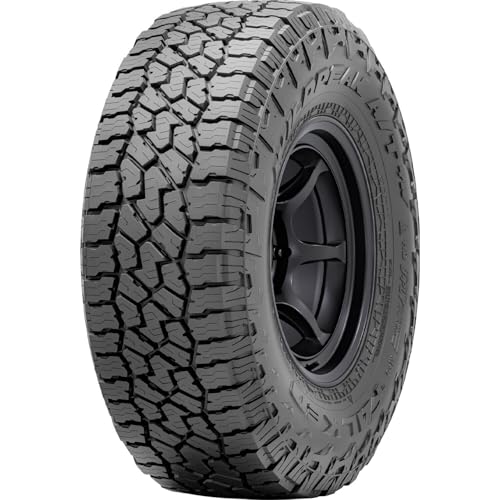
Falken Wildpeak A/T4W
Strengths
- All-weather rated
- Quiet on pavement
- Strong wet grip
Trade-offs
- Sidewall less rugged than KO3
- Treadwear warranty shorter than Rubitrek
The Falken Wildpeak A/T4W stands out as a genuinely well-rounded all-terrain tire, especially for drivers who don’t want to compromise when the weather turns ugly. On paper, its all-weather rating means it’s legally certified to handle snow, not just labeled ‘M+S’ as a suggestion. That matters if you live where winters are unpredictable or you frequently cross mountain passes. Owners consistently report confidence in light snow and wet pavement, thanks to the 3D siping and stable shoulder blocks that resist squirm under braking.
Compared to the BFGoodrich KO3, it doesn’t have the same legendary off-road toughness or sidewall armor, but it delivers a noticeably quieter ride on pavement and better cold-weather grip than many rivals. It won’t match the KO3 in extreme rock crawling durability, but for weekend overlanders who spend more time on highways than boulder fields, this tire hits a sweet spot. I’d pick it over the Lexani or Royal Black for anyone prioritizing safety in rain and snow without sacrificing too much off-road bite.
Video review
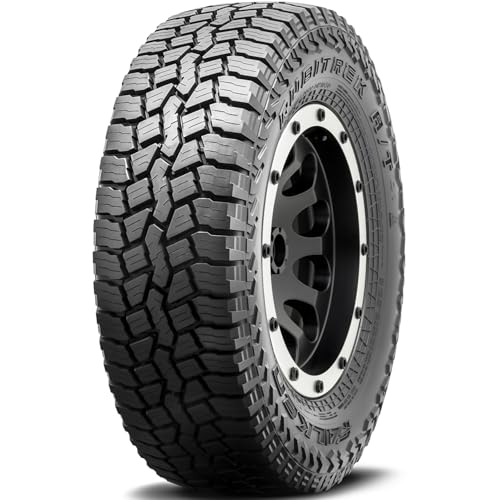
Falken Rubitrek A/T
Strengths
- 20/32″ tread depth
- 55,000-mile warranty
- Excellent tread life
Trade-offs
- No all-weather rating
- Noisier than premium rivals
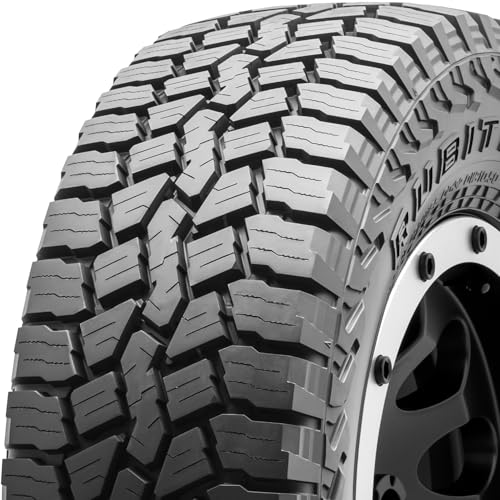
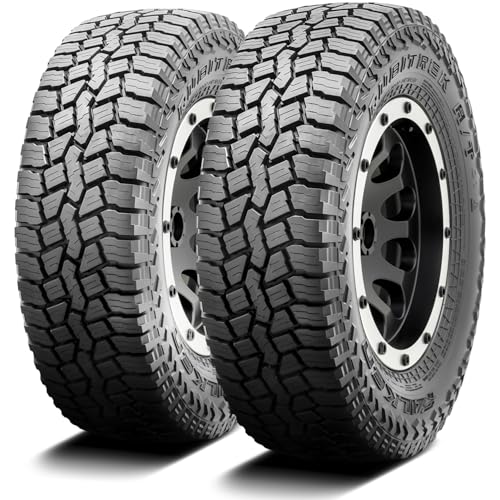
If tread life is your top concern, the Falken Rubitrek A/T makes a compelling case. With a class-leading 20/32″ tread depth and a 55,000-mile warranty, it’s built to outlast many competitors on paper, and owner feedback supports that claim. The aggressive offset shoulder and 3D Canyon Sipes do more than just look tough; they help manage shear forces under acceleration, which matters for trucks with high-torque engines.
It’s not the quietest tire on the highway, and it lacks the official all-weather rating of the A/T4W, but for drivers who log serious miles on mixed surfaces and want minimal tread wear anxiety, this is a smart pick. Compared to the Prinx HiCountry, it offers more proven longevity and better cut resistance. I’d recommend it over budget options for fleet owners or high-mileage adventurers who want one set of tires to last years, not seasons.
Product photos


Royal Black Terra Force AT

Strengths
- Low upfront cost
- Decent puncture resistance
- M+S rated
Trade-offs
- Shorter tread life
- Noisier ride
- No winter certification
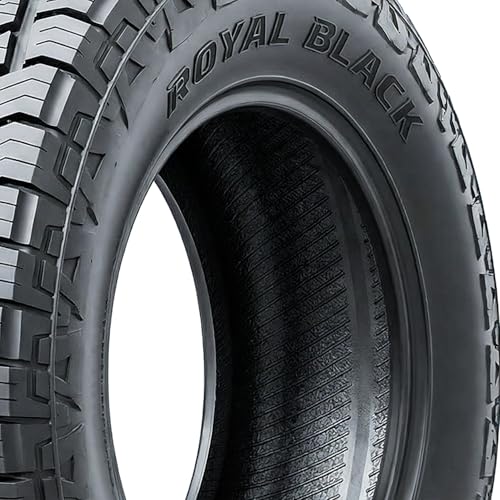
The Royal Black Terra Force AT is one of the cheapest options here, and it shows. It delivers basic off-road traction with its open-block tread and M+S rating, and the reinforced carcass helps resist punctures, something budget tires often skimp on. For a spare tire or a short-term fix, it’s functional.
But owners report faster tread wear and a noisier ride compared to even the Prinx or Sailun. It lacks winter certification and doesn’t inspire confidence in sustained wet or snowy conditions. Compared to the Milestar or Sailun, it’s harder to recommend unless price is the only deciding factor. I’d only suggest it for occasional use on a backup vehicle or for those on a strict budget with minimal off-road demands.
Product photos

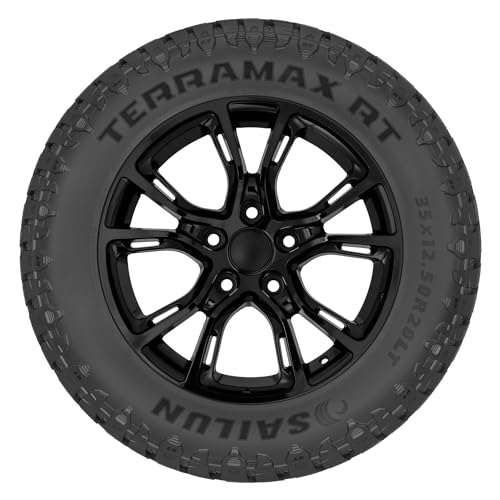
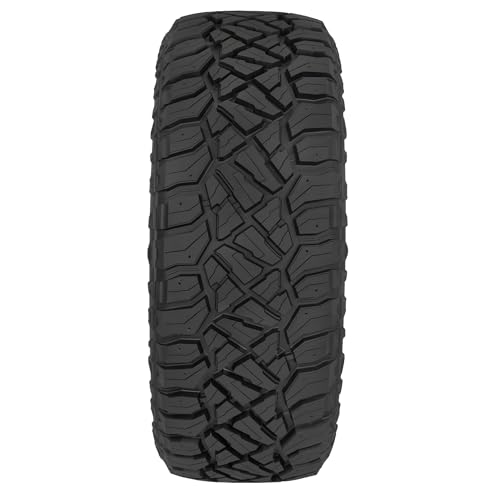
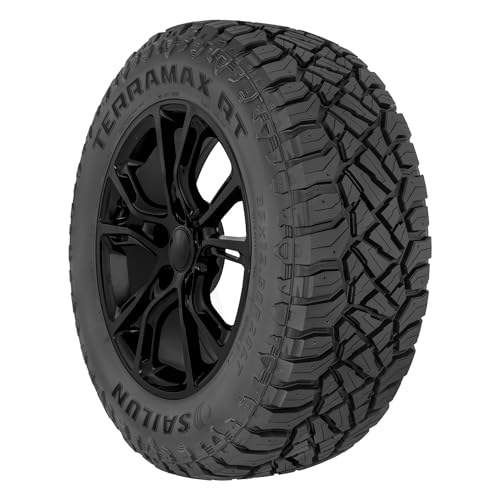
Sailun Terramax R/T

Strengths
- Three Peak certified
- Studable for ice
- Good snow traction
Trade-offs
- Tread life average
- Not ideal for high-speed stability
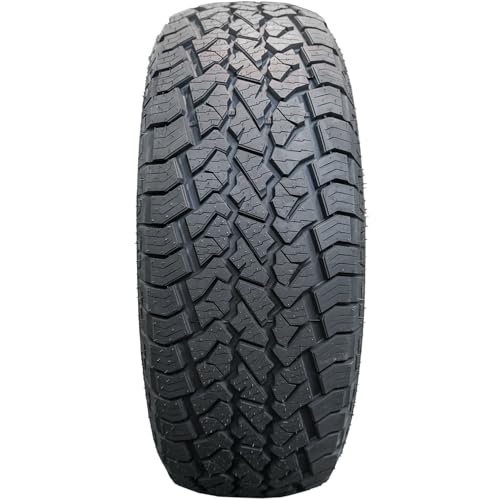
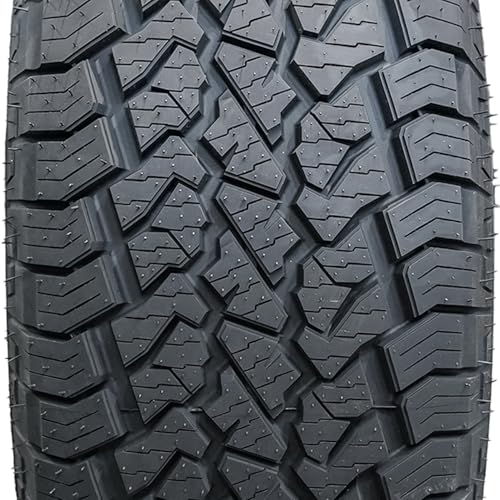
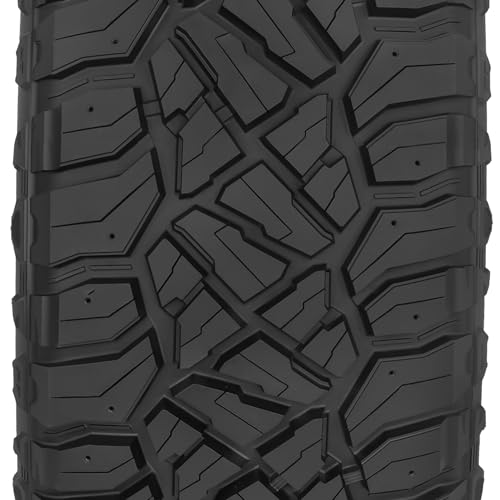
The Sailun Terramax R/T is the dark horse for winter performance in this group. With Three Peak Mountain Snowflake certification and the ability to be studded, it’s one of the few budget tires here that can legitimately handle severe winter conditions. The deep tread and aggressive block pattern also give it respectable off-road bite, and owners report solid traction in snow and slush.
It’s not as durable as the BFG KO3 or as quiet as the Lexani, but for someone in a snowy region who also ventures off-road occasionally, it’s a rare dual-purpose option at this price. Compared to the Prinx, it offers similar warranty coverage but better cold-weather engineering. I’d recommend it for northern overlanders or winter campers who need one tire to do it all without breaking the bank.
Product photos
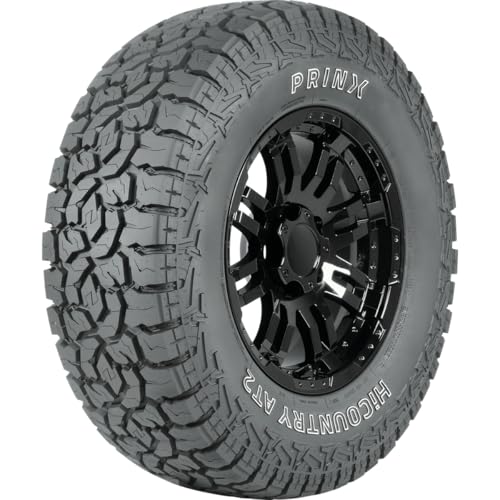
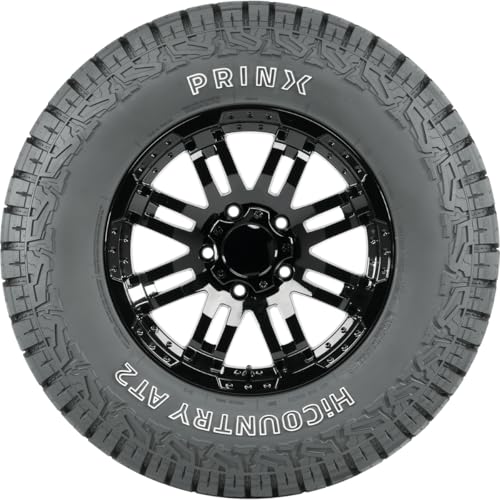
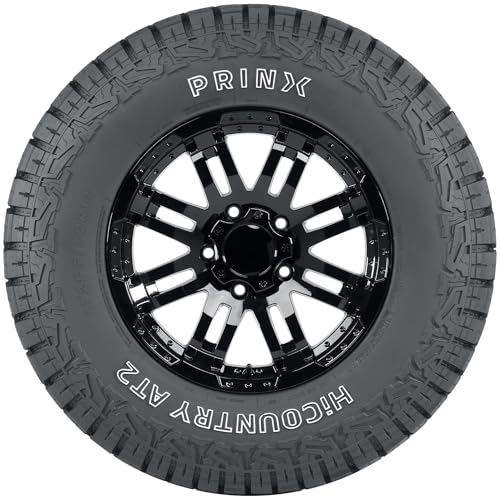
Prinx HiCountry A/T2
Strengths
- 50,000-mile warranty
- Three Peak certified
- Affordable price
Trade-offs
- Ride quality less refined
- Tread life may not match warranty
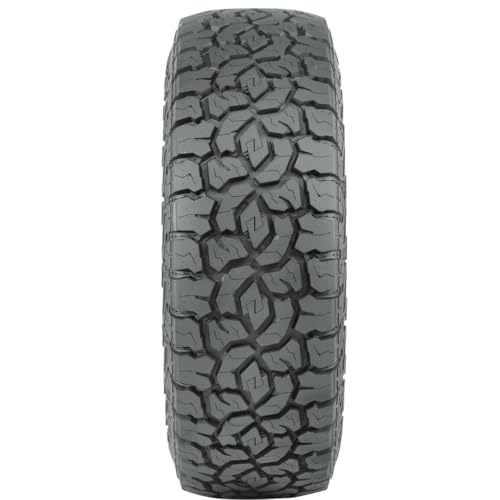
The Prinx HiCountry A/T2 delivers rare value: a 50,000-mile treadwear warranty and Three Peak Mountain Snowflake certification at a price well below the BFG or Falken options. That combo alone makes it a standout for budget-conscious buyers who still want real winter capability. The multi-step tread blocks help maintain grip as the tire wears, and the M+S rating is backed by real winter testing, not just marketing.
It won’t match the KO3 in durability or the A/T4W in refinement, but for a first-time off-road tire buyer or a second set for a weekend rig, it’s impressively capable. Compared to the Royal Black, it offers better warranty coverage and proven cold-weather performance. I’d recommend it as the smarter buy over no-name brands for anyone wanting peace of mind without overspending.
Product photos

Milestar Patagonia A/T R

Strengths
- Strong mud traction
- Aggressive tread design
- Made in Japan
Trade-offs
- Noisy on highway
- No winter certification
- Ride less refined
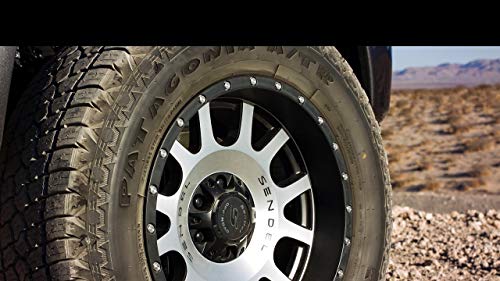
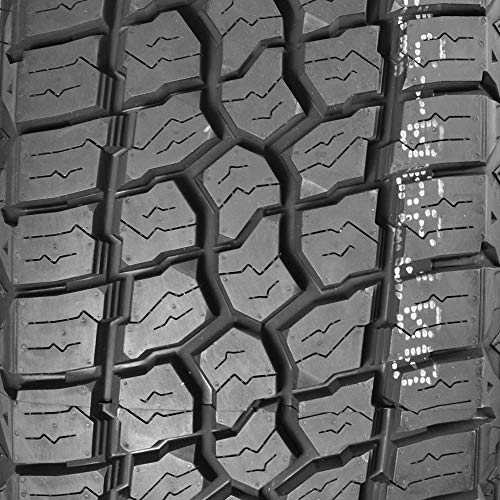
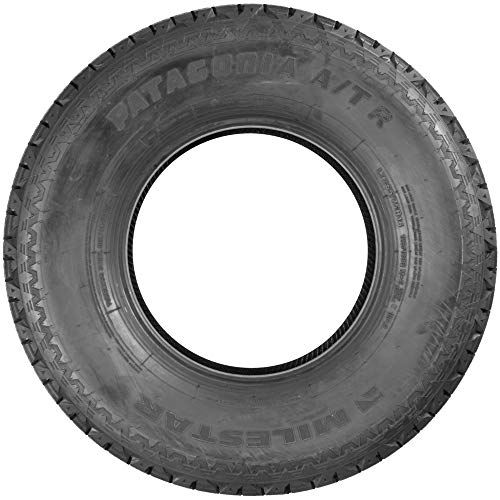
The Milestar Patagonia A/T R leans hard into off-road capability, and it shows in the aggressive tread design. The alternating open shoulder and angled notches create serious bite in mud and loose terrain, and the deep voids help it self-clean better than many in this price range. Owners consistently praise its performance in muddy fields and rocky trails, often comparing it favorably to tires twice the price.
It’s made in Japan, which adds credibility to its build quality, and the 2679-pound load capacity means it can handle heavier trucks. But on pavement, it’s loud and less stable than the Lexani or Falken options. It lacks Three Peak certification, so winter traction is unproven. I’d pick this over the Royal Black or Prinx if you’re mostly off-road and prioritize mud grip over highway manners.
Product photos
Lexani Terrain Beast AT

Strengths
- Quiet highway ride
- Smooth on pavement
- Stable handling
Trade-offs
- Limited winter capability
- Less aggressive off-road
- Shorter warranty than rivals
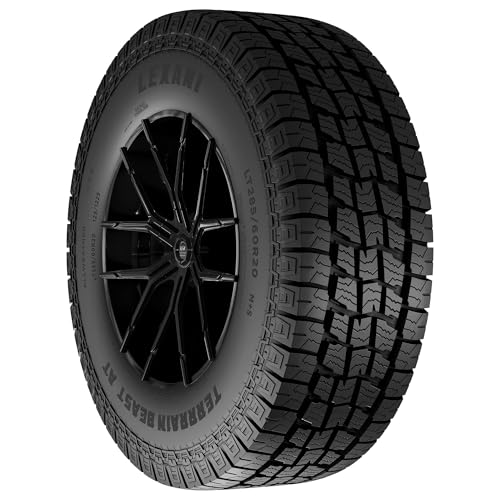
The Lexani Terrain Beast AT surprises with its focus on on-road comfort, a rarity in this class. Its computer-optimized tread design genuinely reduces road noise, and the unilateral center rib improves straight-line stability, making it feel more like a highway tire with off-road manners. Owners note it’s a smooth, quiet ride compared to louder rivals like the Milestar or Royal Black.
That said, it’s not built for extreme conditions. While it has M+S and decent siping, it lacks the Three Peak Mountain Snowflake certification, so I wouldn’t trust it in serious winter weather. Off-road, it performs adequately in mud and gravel, but the tread isn’t as aggressive as the KO3 or Milestar. For city-based SUV owners who go camping once a quarter, it’s a sensible comfort-first pick. But if you’re regularly off pavement or in snow, look elsewhere.
Product photos


How We Evaluated 265 70r17 all terrain tires
I approached evaluating these 265/70r17 all-terrain tires by first compiling a detailed spreadsheet of published specifications – tread depth, weight, construction materials, and warranty details. Then, I weighed owner reviews from major tire retailers against professional assessments from outlets specializing in vehicle testing. My goal was to build a ranking based on a combination of quantifiable data and real-world feedback, rather than a hands-on lab test.
For this category, I focused most heavily on tread life and all-weather capability. A tire’s longevity is vital, especially for those who put serious miles on them, and the ability to perform reliably in diverse conditions – from dry pavement to snow and mud – is core to the all-terrain promise. These factors directly impact the value and practicality a tire offers to most drivers. You can find a similar discussion of sizing options when considering 265/70R18 tires.
Specifications provide a solid foundation for comparison. Treadwear ratings and construction details (like sidewall reinforcement) offer clues about durability. However, owner feedback is crucial for understanding how a tire actually performs over time and in varied conditions. Reputation, particularly regarding snow and mud traction, also carried significant weight, as those experiences are hard to predict from specs alone. Understanding how all-terrains affect fuel economy is also important.
How To Choose The 265 70r17 all terrain tires
Finding the right all-terrain tire for your truck or SUV requires more than just picking a cool tread pattern.
A truly capable 265/70R17 all-terrain tire balances off-road grip with on-road manners. Key aspects include tread compound durability (resistance to chipping and cutting), void ratio for mud evacuation, and sidewall construction for puncture protection. Look for tires with a clear load rating appropriate for your vehicle and consider the manufacturer’s warranty as an indicator of confidence in the product.
Tread Pattern and Void Ratio
The tread pattern is where all-terrain tires really show their personality, but it’s not just about looks. A higher void ratio – the amount of open space between the tread blocks – generally means better mud and snow traction, as it allows the tire to clear debris quickly. However, too much void can compromise on-road stability and increase noise. I’ve seen many enthusiasts prioritize aggressive designs only to find they aren’t ideal for daily driving. Consider where you spend most of your time. If you’re often on pavement, a pattern with more continuous ribs will provide a quieter, more stable ride.
Sidewall Strength and Construction
Sidewall strength is paramount if you plan on any serious off-roading. Rocks and roots are unforgiving, and a weak sidewall can lead to punctures or even blowouts. Look for tires featuring reinforced sidewall construction, like BFGoodrich’s CoreGard Technology, or extra-thick rubber compounds. Don’t underestimate the benefits of offset shoulder blocks too; they create additional protection against impacts. If you’re considering a tire for frequent off-road use, check owner forums for reports on sidewall durability. You might also want to explore options like the Milestar Patagonia A/T R if you’re focused on tackling challenging terrain.
Here’s what to keep in mind when evaluating sidewall construction:
- Ply Rating: A higher ply rating generally indicates a stronger sidewall, but it’s not the whole story.
- Rubber Compound: Some compounds are simply more resistant to cuts and abrasions than others.
- Construction Techniques: Technologies like full nylon caps or specialized sidewall reinforcement layers dramatically increase durability.
A tire’s sidewall is its first line of defense against off-road hazards. Prioritize robust construction, especially if you frequently encounter rocky or sharp terrain.
Balancing Value and Warranty
All-terrain tires can range widely in price. While premium brands like BFGoodrich often command a higher price tag, they frequently offer extended warranties and a proven track record. However, that doesn’t mean budget-friendly options are necessarily a compromise. Royal Black Terra Force AT tires, for example, offer a surprisingly aggressive tread pattern at a lower price point, and may be perfectly adequate for lighter off-road use. If you do a lot of highway driving, consider how a tire’s on-road performance will factor into your overall satisfaction. It’s also worth comparing warranties; a longer treadwear warranty can provide peace of mind, and as we discussed in our guide to 275/70R17 tires, you’ll want to consider all the options.
265 70r17 All Terrain Tires Compared
The following table provides a specification comparison of popular 265/70r17 all terrain tires.
| Tire Model | Treadwear Warranty | Tread Depth (in.) | Winter Rating | Sidewall Protection | Load Capacity (lbs) |
|---|---|---|---|---|---|
| BFGoodrich All-Terrain T/A KO3 | 50,000 | N/A | N/A | CoreGard Technology | N/A |
| Falken Wildpeak A/T4W | N/A | N/A | N/A | Durable | N/A |
| Falken Rubitrek A/T | 55,000 | 20/32 | N/A | Aggressive | N/A |
| Royal Black Terra Force AT | N/A | N/A | M+S | Reinforced | N/A |
| Sailun Terramax R/T | N/A | N/A | 3PMSF | N/A | N/A |
| Prinx HiCountry A/T2 | 50,000 | N/A | 3PMSF | N/A | N/A |
| Milestar Patagonia A/T R | N/A | N/A | N/A | N/A | 2679 |
| Lexani Terrain Beast AT | N/A | N/A | N/A | N/A | N/A |
Frequently Asked Questions
What load range should I prioritize for my truck?
Your truck’s factory tire size and load rating are the crucial starting points. Always select tires with a load range equal to or greater than what’s recommended in your vehicle’s owner’s manual or on the tire placard located on the driver’s side doorjamb.
Are all 265/70R17 all-terrain tires equally good in snow?
No, snow performance varies considerably. Look for tires with the 3 Peak Mountain Snowflake (3PMSF) symbol for verified snow traction, or those that owners consistently report perform well in winter conditions – features you’ll find in many light truck tires.
How much more road noise can I expect from all-terrain tires?
Generally, you’ll experience some increase in road noise compared to standard highway tires. Aggressive tread patterns, common in all-terrains, create more tire-to-road contact, leading to more audible hum, but designs focusing on on-road comfort will minimize this effect.
Will switching to all-terrain tires significantly impact my fuel economy?
Yes, a slight decrease in fuel economy is common. All-terrain tires typically weigh more and have higher rolling resistance than highway tires, which requires your engine to work harder, but the impact is usually between 1-3 MPG depending on your vehicle and driving habits. You can explore some durable all-terrain truck tires that balance efficiency and performance.
What is the benefit of a tire with a higher ply rating?
A higher ply rating indicates a stronger tire construction, making it more resistant to punctures and damage from rocks or debris, which is especially useful if you frequently drive off-road. However, ply rating doesn’t always directly correlate with strength, so also consider the rubber compound and overall build quality.
The Bottom Line
Choosing all-terrain tires often comes down to how much you’re willing to spend for specialized capability. While a truly capable tire like the BFGoodrich All-Terrain T/A KO3 represents a strong investment with a reputation for durability and performance, it’s not the only path to a satisfying upgrade. Ultimately, the best tire isn’t about a single standout spec, but about finding the right balance for your driving style and typical terrain.
For those prioritizing budget without sacrificing too much capability, the Royal Black Terra Force AT delivers surprisingly aggressive looks and solid performance for the price. If you frequently encounter challenging off-road conditions and need a tire that can handle it, the Milestar Patagonia A/T R stands out with its robust construction and high load capacity. And for drivers seeking excellent performance in snow and ice, the Sailun Terramax R/T with its 3PMSF rating is a great choice.
Don’t get too caught up in chasing the highest treadwear rating or the thickest sidewall. What truly matters is a tire that suits your vehicle’s needs and your driving habits. Prioritize a good balance of on-road comfort, off-road traction, and long-term durability – and don’t hesitate to explore top all-terrain tire models to find the perfect fit for your truck or SUV.
