
7 Best Bike Touring Tents for 2 People 2026
This post contains affiliate links. As an Amazon Associate, we earn from qualifying purchases.
The MSR Hubba Hubba Bikepack is the best overall 2 person tent for bike touring, combining smart design with reliable weather protection, while the Naturehike Cloud Up Pro stands out as a solid budget-friendly option that still delivers strong performance in wet conditions.
Riding hundreds of miles means your gear has to earn its place on the bike. A tent that’s too heavy, bulky, or flimsy can turn a dream trip into a slog. I looked at what matters most to riders, pack size, ease of setup, and resilience to wind and rain, then compared specs and real-world feedback to find the models that deliver where it counts.
This guide focuses on tents built for the realities of bike touring: short pole segments for easy mounting, lightweight builds that don’t sacrifice durability, and ventilation that cuts condensation. These picks reflect what experienced riders consistently highlight as dependable, ride-after-ride.
Top 7 2 Person Tents For Bike Touring in the Market
The Best 2 Person Tents For Bike Touring, Reviewed
MSR Hubba Hubba Bikepack Tent
Strengths
- Excellent gear storage
- Bike-specific handlebar bag
- Strong storm resistance
Trade-offs
- Expensive
- Rainfly clips can snag
- No footprint included
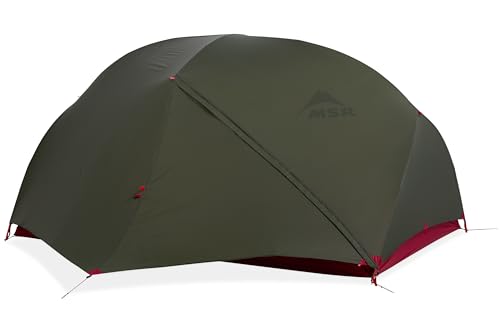
The MSR Hubba Hubba Bikepack isn’t just one of the best bike-specific tents, it’s the benchmark. With a true rectangular floor plan, massive vestibules, and an ultralight 3 lb 1 oz weight, it’s built for real-world touring comfort. Owners rave about the internal clotheslines and gear lofts, which make living out of the tent for days at a time feel almost civilized.
The DAC poles fold short for easy mounting, and the included handlebar storage bag is a thoughtful touch most competitors skip. When compared to the Sea to Summit Telos Evo, it’s slightly heavier but feels more stable in wind and offers better internal organization. For all-around performance, this is the one I’d pick for a cross-country ride.
Video review
Sea to Summit Telos Evo Tent

Strengths
- Superb ventilation design
- Tension Ridge architecture
- Split-pole packability
Trade-offs
- Very high price
- Limited color options
- No footprint included
The Telos Evo Compact is a standout in the bikepacking world, not because it’s flashy, but because it gets the details right. The Tension Ridge design gives it a roomier feel than most 2-person tents, with higher doors and better headroom, which owners love after long days in the saddle. At just over 3.5 pounds, it’s impressively light, and the split-pole design means it packs down small enough to fit on any bike, even with limited frame space.
DAC poles, YKK zippers, and Ultra-Sil fabric signal top-tier build quality, and reviewers consistently praise its stormworthiness and ventilation. Yes, it’s expensive, but when compared to the MSR Hubba Hubba Bikepack, it offers slightly more headroom and a more intuitive setup. For serious riders, this is where I’d start my search.
Video review
Big Agnes Tiger Wall UL Tent
Strengths
- Exceptional durability
- Smart internal storage
- Lifetime warranty
Trade-offs
- Highest price
- Heavy for UL standards
- Footprint sold separately
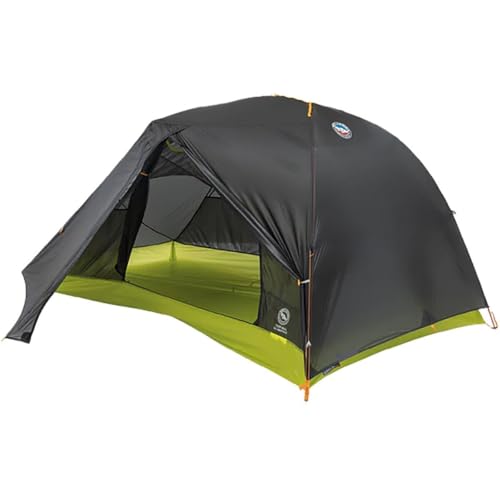
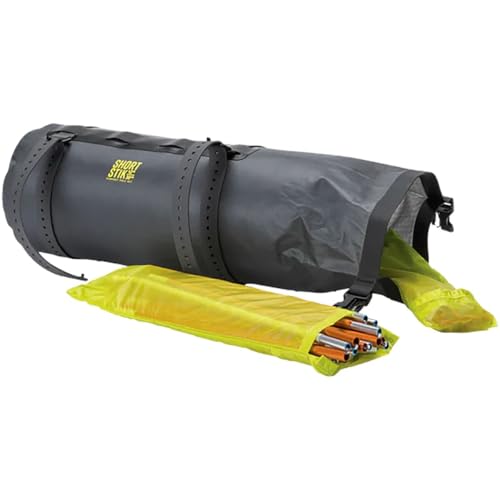
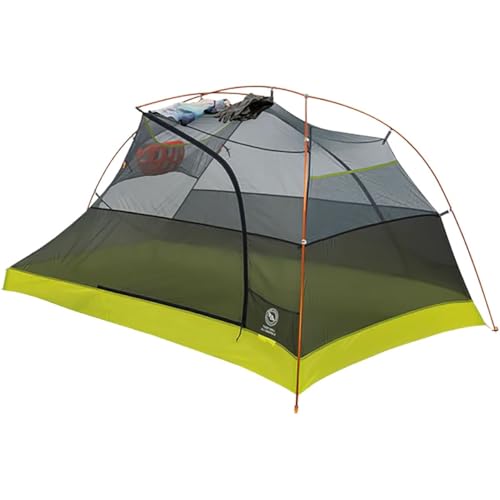
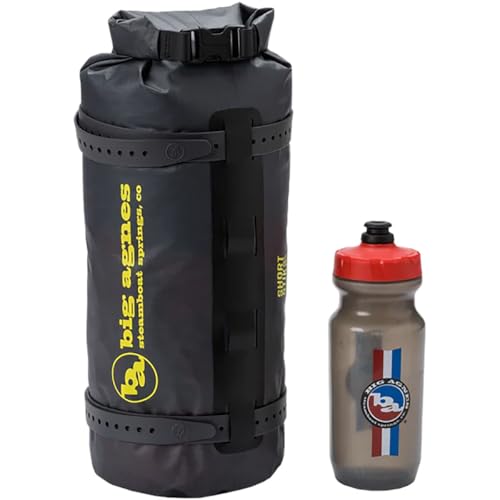
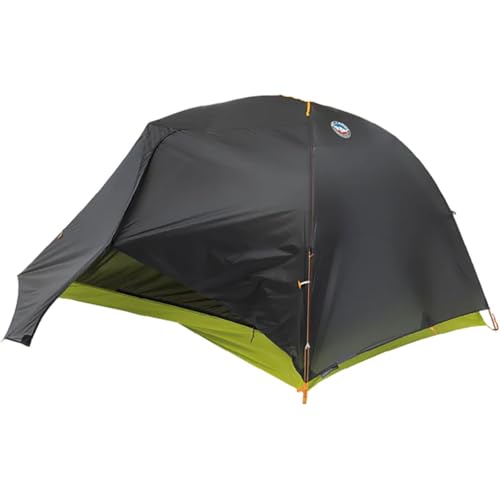
The Big Agnes Tiger Wall UL Bikepack is built like a tank, and that’s the point. With HyperBead fabric and a lifetime warranty, it’s designed for riders who put their gear through years of abuse. The semi-free-standing design with a single pole makes setup fast, and the color-coded buckles help in low light. Owners love the 3-D bin pocket and daisy chains, which turn the tent into a rolling gear hub.
It’s not the lightest, just under 4 pounds, and it’s by far the most expensive option here. But when compared to the MSR or Sea to Summit, it feels more durable and better organized. If you’re planning decade-long adventures and want a tent that won’t quit, this is the one.
Product photos

Naturehike Cloud up Pro Tent

Strengths
- High waterproof rating
- Includes footprint
- Upgraded ventilation
Trade-offs
- Slightly bulky packed size
- Stakes could be better
- Zippers not YKK
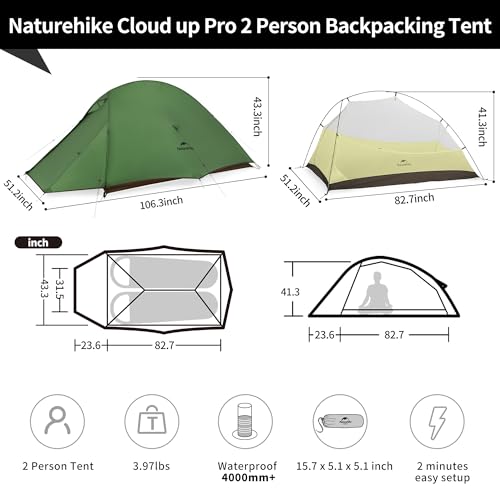
If you’re looking for the sweet spot between price and performance, the Naturehike Cloud up Pro should be at the top of your list. With a PU4000mm coating, taped seams, and a silicone-treated 20D nylon body, it outspecifies many tents twice its cost in waterproofing. Owners report it handling heavy rain without leaks, and the included footprint is a rare bonus at this price.
It’s also impressively roomy for two, with a taller door and added ventilation window that cuts down on condensation. The 3.97-pound weight is reasonable for bike touring, though not class-leading. Compared to the Forceatt, it’s lighter, better built, and more thoughtful in design, making it the smarter buy for most riders who don’t want to splurge on premium models.
Product photos


Night Cat 2-Person Backpacking Tent

Strengths
- Excellent airflow
- Quick 3-minute setup
- Affordable price
Trade-offs
- Mediocre pole strength
- Limited storm durability
- Not ideal for shoulder seasons
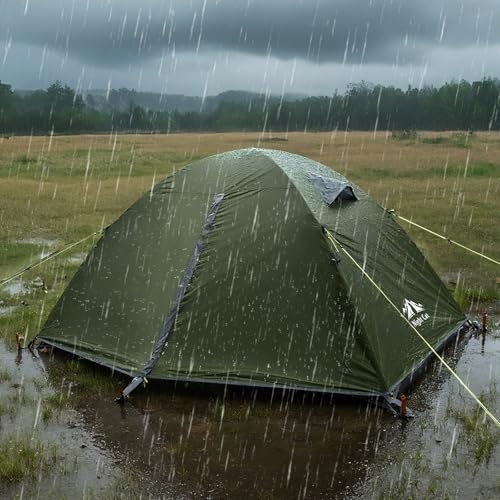
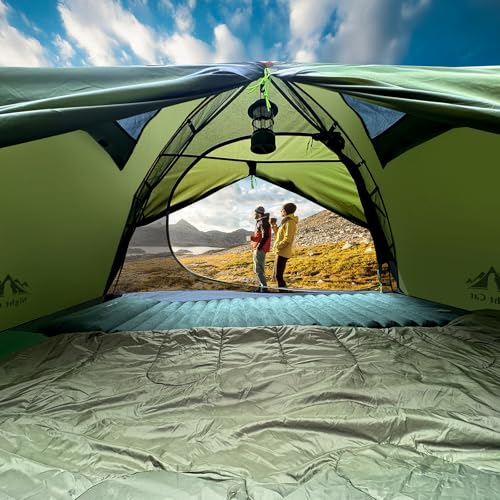
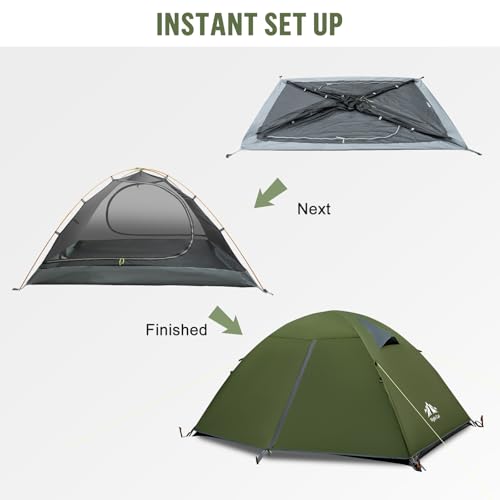
The Night Cat tent is the kind of no-frills, functional shelter that makes sense when your budget is tight but you still want something that performs. On paper, it mirrors many higher-end models, dual mesh doors, full-coverage rainfly, and a 3000mm waterproof rating, and owners say it holds up reasonably well in spring and summer conditions. The ventilation is a real win, with full mesh walls and ceiling vents cutting down on condensation, which is rare at this price.
But it’s not built for the long haul. The poles are aluminum but not DAC-grade, and the stitching feels a bit thin for repeated use in high winds. Still, if you’re scouting for a dependable backup or entry-level tent, this one delivers. I’d recommend it over heavier budget options simply because it’s roomy and sets up fast.
Product photos

Forceatt 2 Person Camping Tent

Strengths
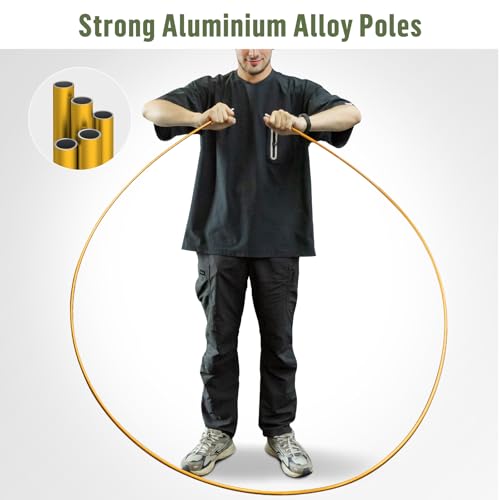
- Lightweight aluminum poles
- Dual vestibules
- 3000mm waterproof rating
Trade-offs
- Heavy for bike touring
- Basic fabric quality
- No included footprint
On paper, the Forceatt 2-person tent hits several marks for budget-conscious bikepackers who still want decent weather protection. With a 3000mm waterproof rating, full-coverage rainfly, and welded floor, it’s built to keep you dry in light to moderate rain, owners consistently report staying dry even during unexpected downpours. The dual D-shaped doors and vestibules add real convenience, especially when sharing the tent or storing gear.
Where it stumbles is weight and long-term durability. At 5.5 pounds, it’s on the heavier side for a true bike touring setup, and while the 7001 aluminum poles are solid, the materials don’t feel as refined as pricier models. Still, for occasional riders or those just getting into bike camping, it offers a lot of shelter for the money.
Product photos


2 Person 4 Season Backpacking Tent
Strengths
- Extreme weather ready
- High waterproof rating
- Snow skirt included
Trade-offs
- Too heavy for most bike tours
- Poor airflow in summer
- Bulky packed size
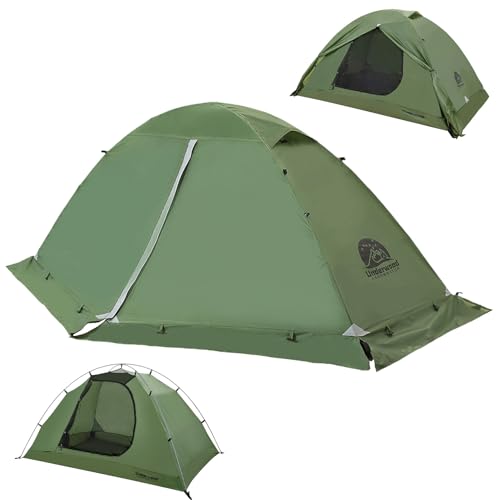
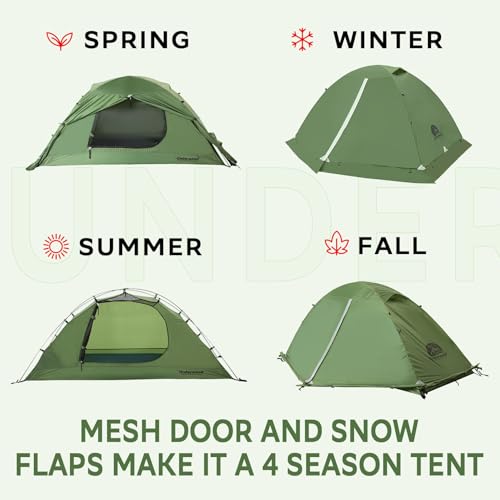
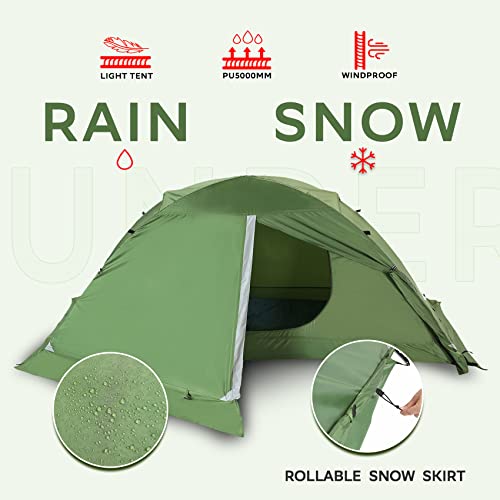
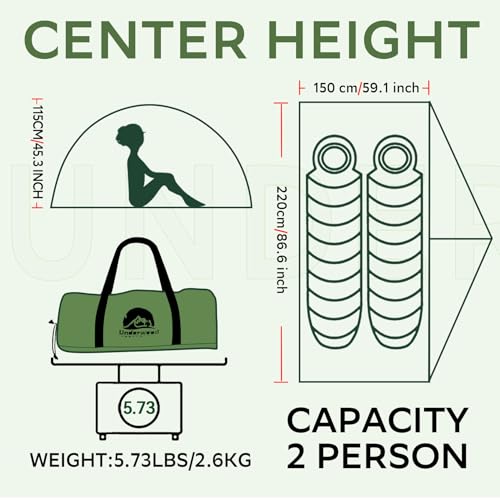
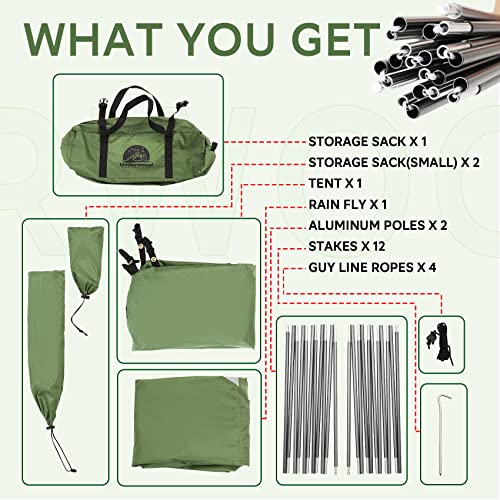
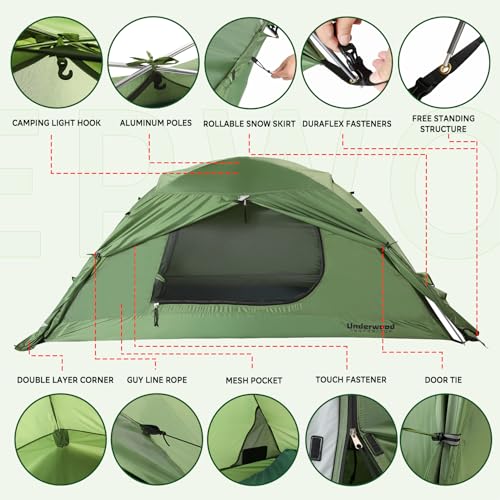
This 4-season tent stands out for its ambition, aiming to handle winter storms with a snow skirt, PU5000mm coating, and aircraft-grade aluminum poles. On paper, it’s overbuilt compared to most bike touring tents, and owners confirm it holds up in cold, windy conditions where 3-season models would fail. The 5.73-pound weight makes sense given the reinforcement, but it’s a lot to carry on a long ride.
Where it falters is ventilation and versatility. The mesh is limited, so condensation can build up in milder weather, and the design isn’t optimized for bike mounting. Compared to the MSR or Sea to Summit, it’s clearly aimed at winter backpackers, not bikepackers. I’d only recommend it if you’re touring in alpine or subarctic conditions.
Product photos
How We Evaluated 2 person tents for bike touring
My approach to evaluating these tents centered on a research-led comparison of published specifications and owner feedback. Rather than a hands-on lab test, I compared features like weight, waterproof ratings, packed size, and included features against the demands of bikepacking. I then weighed owner reviews from multiple sources, alongside assessments from reputable outdoor gear reviewers, to understand real-world performance and durability. This helped me rank tents against criteria important to cyclists.
For bike touring, packed size and weight are paramount, followed closely by weatherproofness. A tent that’s too bulky or heavy quickly becomes a burden on long rides, and the ability to withstand unexpected storms is vital. I prioritized tents with shorter pole segments designed to fit on handlebars or within frame bags, as well as those with robust waterproof ratings and well-regarded construction. Understanding how easily a tent can be packed and carried directly impacts the enjoyment of a trip, and a quick setup is always a plus.
Specifications reliably indicate a tent’s potential for weather protection and weight, but owner feedback provides crucial context. I paid particular attention to comments regarding durability – how the tent holds up after repeated use and exposure to the elements – and ease of setup in various conditions. I also considered advice about things like ventilation and condensation, which specs don’t always fully reveal. Don’t forget to keep your bike chain maintenance up to par before hitting the road! And of course, invest in good bike lights for added safety.
How To Choose The 2 person tents for bike touring
Selecting the right shelter is paramount for enjoyable bike touring. It’s more than just a place to sleep; it’s your mobile basecamp, protection from the elements, and a crucial component of a successful trip.
A good bikepacking tent balances weight, durability, packability, and weather protection. Look for tents utilizing lightweight materials like DAC aluminum poles and ripstop nylon fabrics. Consider features specific to cycling, such as pole segments designed to fit on handlebars, and integrated attachment points for lights or gear. Waterproofing (measured in mm hydrostatic head) and a well-designed ventilation system are also key.
Weight and Packability
For bike touring, every ounce counts. Unlike backpacking where you carry everything on your back, weight distribution on a bike is less critical, but still important. However, packability, how small the tent compresses, is huge. You’ll be strapping it to your handlebars, fitting it into frame bags, or tucking it into panniers. Tents like the Naturehike Cloud Up Pro offer a good balance of weight and price, but be realistic about how much space you have. Don’t automatically assume the lightest tent is the best; sometimes a small weight gain translates to a significant improvement in durability or living space.
Pole Configuration and Durability
The poles are a tent’s skeleton, and their failure can ruin a trip. Look for tents utilizing DAC aluminum poles; they’re the industry standard for a reason. For bikepacking specifically, shorter pole segments are a massive advantage, making them easier to attach to your bike. The Big Agnes Tiger Wall UL Tent stands out here, with its short pole set designed specifically for bicycle transport. Beyond that, consider the overall construction. A more robust fabric denier (the thread count) will increase durability, but also weight.
- A tent designed for 3-season use will generally be lighter than a 4-season model.
- Look for reinforced stress points, like where the poles connect to the tent body.
- Waterproof coatings on the fly and floor are essential. Polyurethane (PU) coatings are common, but silicone coatings generally offer better longevity and water resistance, though at a higher price point.
Weather Protection and Ventilation
You’ll encounter a range of conditions while bike touring, so a tent with solid weather protection is vital. A fully seam-taped rainfly and a waterproof floor are essential. The hydrostatic head rating (measured in mm) indicates the fabric’s water resistance; aim for at least 2000mm, but 3000mm or higher is preferable for consistently wet climates. Equally important is ventilation. Condensation buildup can be a real problem, especially in humid conditions, so look for tents with mesh panels and adjustable vents. Getting the right setup is important for a good night’s sleep, and pairing a good tent with comfortable saddles for touring will make all the difference.
Don’t skimp on tent quality. A well-built tent is an investment that will last for years and provide reliable shelter on countless adventures.
2 Person Tents for Bike Touring Compared
Here is a comparison of specifications for popular 2-person tents suited for bike touring, to help you evaluate your options.
| Product | Weight (lbs) | Floor Size (in x in) | Peak Height (in) | Waterproof Rating (mm) | Packed Size (in x in x in) | Special Features |
|---|---|---|---|---|---|---|
| MSR Hubba Hubba Bikepack | 3.1 | N/A | 42 | N/A | N/A | Bike-specific handlebar storage |
| Sea to Summit Telos Evo | 3.78 | 88.2 x 100.8 | 43.7 | N/A | 12.6 x 7.1 x 7.1 | Tension Ridge Architecture |
| Big Agnes Tiger Wall UL | N/A | N/A | N/A | N/A | N/A | HyperBead fabric, Trail Ready |
| Naturehike Cloud up Pro | 3.97 | 82.7 x 49.2 | 41.3 | 4000 | 15.7 x 5.1 x 5.1 | Footprint Included |
| Night Cat 2-Person | N/A | 6.8 x 4.6 | 3.6 | 3000 | N/A | Dual vestibules |
| Forceatt 2 Person | 5.5 | 88.6 x 53.1 | 43.3 | 3000 | N/A | D-Shaped doors |
| 2 Person 4 Season | 5.73 | 59.1 x 86.6 | 45.3 | 5000 | 5.9 x 16.54 | Snow skirt, 4-season |
Frequently Asked Questions
What waterproof rating do I really need for a biketouring tent?
A rating of 2000mm is generally sufficient for most conditions, but I recommend at least 3000mm if you anticipate frequent or prolonged exposure to heavy rain. Higher ratings offer better protection, especially for extended trips in unpredictable weather.
Are freestanding tents better for bikepacking?
Not necessarily. While freestanding tents are convenient, they often add weight. Many excellent bikepacking tents require staking, but their lighter weight and smaller packed size usually make up for the slight inconvenience, and a good set of bike pumps will make quick work of any setup.
How important is the tent’s vestibule space?
Vestibule space is very important for bike touring because it provides a dry area to store gear, like muddy boots or rain-soaked clothing, outside the main tent body. Larger vestibules offer more storage, keeping your sleeping area cleaner and more organized.
What’s the advantage of a tent with shorter poles?
Shorter pole segments are designed to more easily attach to a bicycle’s handlebars or frame, which is a real benefit for bikepackers. Standard-length poles can be awkward and difficult to secure, while shorter segments streamline the carrying process.
Should I choose a 3-season or 4-season tent for bike touring?
For most bike touring scenarios, a 3-season tent is ideal. They’re lighter and offer better ventilation, which is crucial for warmer weather. However, if you’re planning a trip that might encounter snow or extreme conditions, understanding the road vs mountain bike you’re using and a 4-season tent would be a safer choice.
The Bottom Line
Choosing a tent often comes down to balancing how much you want to spend against how much weight and bulk you’re willing to carry. While lightweight options command a higher price, the Naturehike Cloud Up Pro stands out as providing the best overall value, hitting a sweet spot between affordability, weight, and weatherproofness. It’s a reliable shelter that won’t break the bank or your back.
For those prioritizing minimal weight and streamlined packability, the MSR Hubba Hubba Bikepack is the clear choice. If you anticipate consistently challenging weather, the 2 Person 4 Season tent offers the most robust protection, although at a weight penalty. Remember to also consider secure bike locks for touring as part of your overall trip preparation.
Ultimately, the best tent isn’t about chasing the highest specs; it’s about finding one that reliably keeps you dry, comfortable, and protected while allowing you to enjoy the ride. Don’t forget the importance of bike helmets – a good night’s sleep is only worthwhile if you arrive safely. Prioritize solid construction, adequate waterproofing, and good ventilation above all else.
