
10 Best 29 Mountain Bike Tires in 2026
This post contains affiliate links. As an Amazon Associate, we earn from qualifying purchases.
The Maxxis Minion DHF Dual Compound EXO is the best 29-inch mountain bike tire, with a tread design that balances rolling speed with braking and cornering traction. For a fast-rolling rear companion, the Maxxis Aggressor Dual Compound EXO is our pick as the best fast-rolling rear tire, while the Continental Cross King ShieldWall earns the nod as the best all-rounder for mixed conditions.
Choosing a 29-inch tire means balancing grip, rolling speed, and durability against the terrain you ride most. A tire that excels on hardpack can feel sluggish in mud, and a burly casing that shrugs off rocks adds weight that slows climbing.
This guide is based on manufacturer specifications, expert round-ups, and patterns in owner feedback. We evaluated ten tires across key criteria to help you match a tire to your riding style and trail conditions.
Top 10 29 Mountain Bike Tires in the Market
Certain content that appears on this site comes from Amazon. This content is provided "as is" and is subject to change or removal at any time.
The Best 29 Mountain Bike Tires, Reviewed
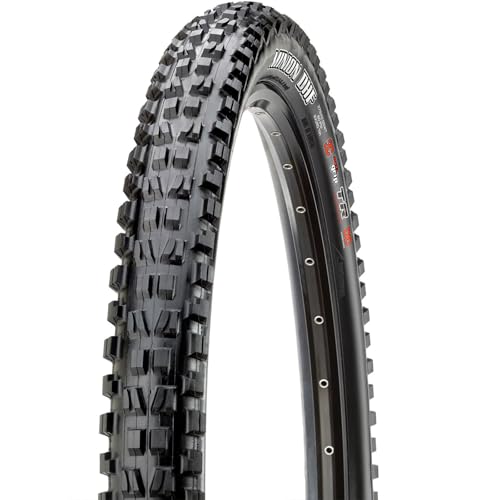
Maxxis Minion DHF Dual Compound EXO
What We Like
- Fast-rolling center, grippy side knobs
- EXO sidewall resists cuts and abrasion
- Wide Trail optimized for modern rims
- E25 rated for light e-bike use
Trade-offs
- 2.2 lb weight adds rotational mass for XC riders
- EXO casing is for light trail, not heavy enduro
- Dual Compound balances grip but prioritizes rolling speed
A 29×2.50 WT width means this tire fills a modern rim with a confident footprint, while the Dual Compound keeps the center rolling fast and the side knobs biting hard in corners. The EXO sidewall adds a layer of cut resistance that suits trail riding without making the tire feel like a boat anchor. For riders who want one front tire that handles loose over hardpack, roots, and gravel climbs without slowing you down, this design delivers a balanced ride that few imitators have matched.
The trade-off is weight: at 2.2 pounds, it’s not the lightest option for pure cross-country racing, where something like the Continental Cross King ShieldWall weighs 0.7 pounds less. But that extra heft comes from the EXO protection and the wider tread footprint, which together give you the confidence to push into corners and roll over rocky sections without worrying about a sidewall tear. If your riding mixes technical climbs with fast descents, the Minion DHF earns its place as a versatile tire that balances rolling speed and cornering grip.
Product photos
Maxxis Aggressor Dual Compound EXO

What We Like
- Dual Compound balances rolling speed and grip
- EXO sidewall resists cuts and abrasion
- Tubeless ready for reduced flats
Trade-offs
- EXO casing is light duty, not for heavy enduro
- E25 rating suits only light duty e-bikes up to 16.1 MPH
The Maxxis Aggressor is designed for high-speed, hard-packed rocky trails, so it keeps your rear wheel spinning efficiently when the terrain gets rough. A Dual Compound tread balances rolling resistance with grip, meaning you won’t fight extra drag on long climbs or flowy sections, yet the cornering knobs still bite when you lean into a turn. It works especially well as a dedicated rear tire paired with a Minion DHF or Assegai up front, giving you a setup that prioritizes momentum without sacrificing control.
The EXO casing is designed for lighter trail duty, not the sharp rocks and heavy impacts of aggressive enduro riding. If you push hard into chunky terrain, a tougher casing like the Minion DHF’s EXO+ or a full DH casing would hold up longer. For riders who value straight-line speed and a predictable rear end on hardpack, this is a well-matched choice.
Product photos
Continental Cross King ShieldWall

What We Like
- ShieldWall puncture protection layer
- PureGrip compound for grip and durability
- Tubeless Ready construction
- E25 e-bike rated
Trade-offs
- 2.20 width is narrower than some trail tires
- Not ideal for deep mud or loose over hardpack
A 29×2.20 width with a ShieldWall puncture layer and PureGrip compound makes this tire a confident companion for mixed terrain. The tread adapts to whatever the trail throws at you, rolling smoothly on hardpack while still holding corners in looser stuff. That versatility is what earns it the all-rounder reputation, it’s comfortable enough for long days and sure-footed when you need to lean into a turn. Riders who want one tire for everything from cross-country loops to weekend trail rides will find a lot to like here.
At 2.20 inches wide, this tire sits on the narrower side compared to some trail tires, so in deep mud or very aggressive terrain you’ll miss the extra float and bite. But for the rider who values a balanced feel and doesn’t want to swap tires for every change in trail conditions, the Cross King delivers a predictable, durable ride. It’s also E25 rated, so it works on e-bikes without complaint, a nice bonus if your bike has a motor.
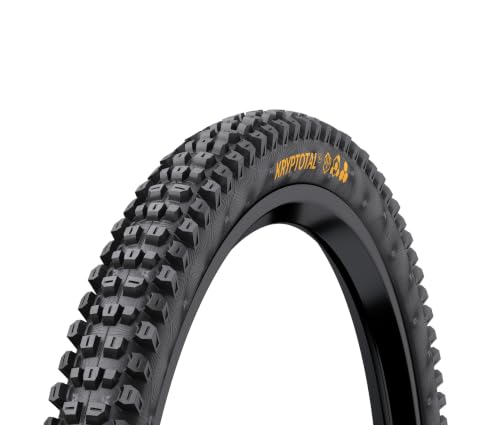
Continental Kryptotal Front Endurance
What We Like
- Front-specific tread for stability and agility
- Endurance compound balances grip and durability
- Tubeless ready with folding bead
Trade-offs
- Single-ply casing offers less puncture protection than heavier options
- Front-specific tread limits rear tire compatibility
A front-specific tread pattern tuned for mixed and loose terrain means this tire is designed to keep your steering precise and predictable when the trail shifts from hardpack to gravel or loose dirt. The Endurance compound adds long-wearing durability and easy rolling, so riders covering long miles on varied trails won’t wear through the knobs too quickly. It pairs naturally with the Kryptotal Rear for a matched setup, and the Trail casing keeps weight low for a livelier feel under the front end.
The single-ply Trail casing is lighter and more responsive but less armored than thicker casings found on some other tires. If you regularly ride sharp, rocky terrain at speed, you might want more protection. But for mixed-terrain trail riding where agility and rolling efficiency matter most, this Continental delivers a focused front-end feel that many all-rounder tires can’t match.
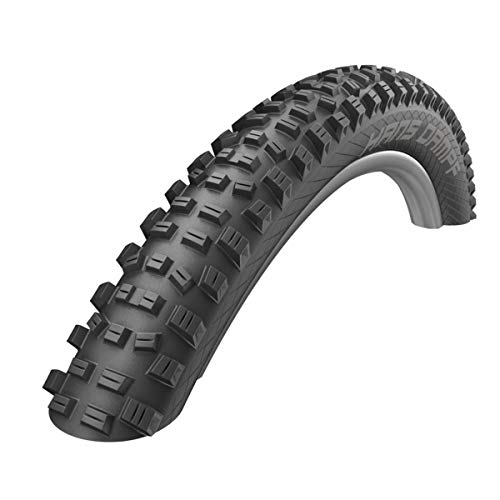
Schwalbe Hans Dampf Addix Speed
What We Like
- Precisely tuned stud positioning for controlled handling
- Large and small shoulder studs for optimal grip
- Semi-open blocks for self-cleaning and low rolling resistance
- Addix Speed compound for XC race performance
Trade-offs
- Addix Speed compound prioritizes speed over long wear
- Focused on enduro fun, not all-around trail versatility
The Schwalbe Hans Dampf Addix Speed uses a stud pattern that pairs large and small shoulder knobs with semi-open center blocks, so you get confident cornering grip and mud-shedding ability without dragging excessive resistance on climbs. That combination makes it a tire that rewards an aggressive, playful riding style, someone who wants to push hard into berms and pop off roots without worrying about washout. The Addix Speed compound is designed for XC race specialists, meaning it rolls fast and hooks up well when you’re charging, but it’s not built for maximum longevity on rough, rocky trails.
The Addix Speed compound is designed for XC race specialists, so it prioritizes speed over long-term wear on jagged rocks. Reviewers note that riders who frequently hit sharp, abrasive terrain might prefer a tire with a more durable casing, such as the Maxxis Minion DHF with its Dual Compound. At 2.35 inches wide, the Hans Dampf offers a nimble footprint that suits riders who enjoy playful, sideways cornering on descents rather than plowing through loose debris.
Vittoria Syerra Trail 4C Graphene

What We Like
- 4C Graphene compound for grip and durability
- Reinforced Trail Casing with anti-puncture belt
- Fast-rolling center tread for efficient climbing
- Aggressive shoulder knobs for cornering confidence
Trade-offs
- 60 TPI casing is less supple than higher-count options
- Reinforced sidewall adds weight for XC racers
- Not the lightest choice for pure speed-focused builds
With four optimized compounds working together, the 4C Graphene construction balances grip, durability, and rolling efficiency so you can maintain speed on long trail rides without sacrificing cornering confidence. The 60 TPI nylon casing adds an anti-puncture belt and sidewall protection, which helps resist sharp rocks while keeping the tire responsive enough for quick line changes.
That same reinforced casing, while tough, doesn’t have the supple feel of higher-TPI options some riders prefer for maximum small-bump compliance. The Maxxis Minion DHF uses a Dual Compound and EXO casing, while the Syerra Trail uses a 4C Graphene compound and reinforced trail casing, each suits different riding styles. If your rides involve long climbs where rolling efficiency matters, the Syerra Trail’s center tread is designed to keep speed high.
Product photos
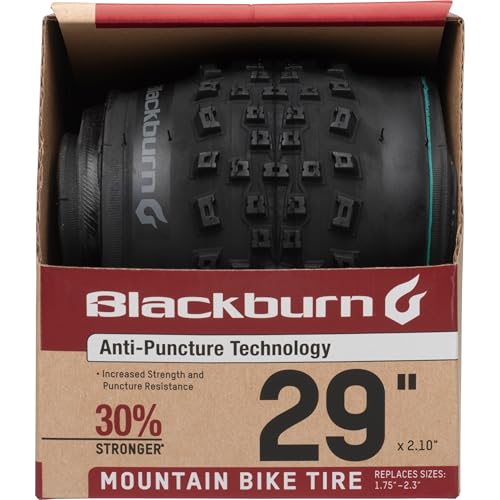
Blackburn Mountain Bike Tire
What We Like
- Carbon steel bead folds without damage
- Protective layer boosts puncture resistance 30%
- Tall knobby tread for trail to technical riding
- Optimized tread for traction and control
Trade-offs
- Narrower width range (2.10-2.25) limits float in loose terrain
- Carbon steel bead is heavier than some folding alternatives
A protective layer under the tread provides 30% more strength and puncture resistance, which helps the tire hold up on rough trails without needing a premium price tag. The tall, knobby tread is designed for traction from smooth trail to technical singletrack, making it a versatile option for riders who want one tire for varied conditions. That combination of added toughness and all-around grip makes it a practical choice for anyone looking to upgrade their ride.
A narrower width range (2.10 to 2.25 inches) compared to wider tires like the Maxxis Minion DHF 29×2.50WT means less float and cushion in deep loose terrain or aggressive cornering. The carbon steel bead is folding-friendly but adds a bit of weight versus some premium competitors. For the rider who prioritizes durability and value over maximum volume or tubeless convenience, this Blackburn delivers where it counts most.
Product photos
Schwinn Replacement Kevlar Puncture Guard

What We Like
- Kevlar puncture guard for flat prevention
- Steel bead construction for durability
- Aggressive tread sheds mud efficiently
- Trusted 130-year American brand
Trade-offs
- Steel bead limits folding portability
- At 3.2 lb, heavier than many trail tires
- No tubeless-ready construction mentioned
A Kevlar layer reinforcement built into this 29-inch tire gives you serious puncture resistance for rocky, root-filled trails where thorns and sharp stones lurk. The aggressive tread pattern with wide, well-spaced knobs digs in on loose terrain and sheds mud as you roll, so you maintain traction when the trail gets sloppy. Schwinn’s steel bead construction adds long-lasting durability, making this a tire that won’t quit after a few hard rides. For riders who want reliable flat protection without spending a fortune, this Schwinn delivers the confidence to push through rough sections without constantly worrying about a sidewall tear.
The trade-off comes in weight and versatility. At 3.2 pounds, this tire is noticeably heavier than something like the Maxxis Aggressor Dual Compound EXO at 1.9 pounds, which means more rotational mass when climbing or accelerating. The steel bead also makes it stiff and less packable than folding-bead tires, so it’s not the best choice if you frequently swap tires or carry spares on long backcountry trips. And while the Kevlar guard excels at stopping punctures, the tire is designed to be used with a tube. If your priority is bombproof flat protection on a budget, this Schwinn is a smart, no-nonsense pick.
Product photos
Schwalbe Romy Trail Tire
What We Like
- Aggressive shoulder lugs for cornering grip
- Closely spaced center tread for efficient rolling
- Suitable for front and rear wheels
- Available in three performance versions
Trade-offs
- Heavier than some trail-focused tires at 2.3 lb
- Heavier than the Maxxis Aggressor at 1.9 lb
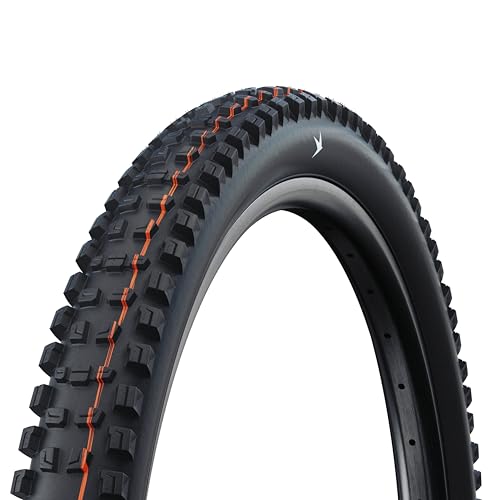
A balanced tread design with aggressive shoulder lugs and a closely spaced center tread makes this tire a strong fit for riders who want both cornering control and efficient rolling. At 2.3 pounds, it is a trail tire that offers high stability and durability across front and rear wheel use. It suits trail, all-mountain, and enduro riding without forcing you to choose between climbing speed and downhill confidence.
Weighing 2.3 pounds, the Schwalbe Romy is heavier than the 1.9-pound Maxxis Aggressor, so it won’t roll as effortlessly on smooth hardpack, but that extra heft translates into greater stability on rough, demanding trails. The aggressive shoulder lugs provide strong cornering grip, while the closely spaced center tread keeps rolling efficient and improves durability. For riders who want a tire that handles everything from all-mountain to enduro without sacrificing control, this is a well-balanced option.
Product photos
Fincci Maori Tubeless Tire
What We Like
- Tubeless ready for reduced flats
- 120 TPI casing gives responsive trail feel
- 3mm directional knobs grip loose dirt
- 1mm puncture layer resists sharp rocks
Trade-offs
- 1010g is heavier than some trail tires
- 30-50 PSI range limits ultra-low pressure setups
- Designed for hooked rims only
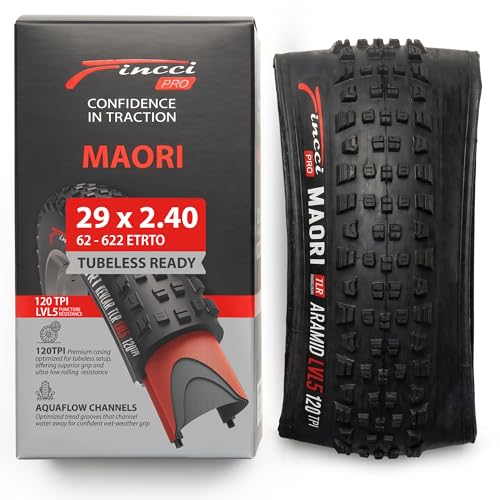
A 120 TPI casing with a foldable aramid bead keeps this tire light and responsive on the trail, while the 1mm Level 5 puncture layer stands up to sharp rocks and debris. That combination makes the Fincci Maori a smart pick for XC and trail riders who want tubeless convenience without worrying about sidewall cuts. The directional 3mm knobby tread hooks up on loose dirt and rocky climbs, and the shoulder blocks give predictable cornering stability when you lean into a turn.
Weight is a factor here: at 1010g, this tire is heavier than some trail tires listed in the guide, such as the Continental Cross King ShieldWall at 0.7 pounds. That extra heft is the price you pay for the puncture protection and durable casing. If you prioritize flat resistance and tubeless reliability over all-out speed, the Fincci Maori delivers real value for everyday trail riding and mixed-terrain adventures.
best_for”: “Trail and XC riders who want a tubeless-ready tire with solid puncture protection and confident grip on loose dirt and rocks. Not ideal for racers chasing the lightest possible setup or riders who need ultra-low-pressure performance below 30 PSI.
How We Evaluated 29 Mountain Bike Tires
Our evaluation draws from manufacturer specifications, expert round-ups, and patterns in owner feedback across trail, enduro, and XC riding. We focused on the design features that directly affect how a tire performs on the trail.
The four criteria that mattered most were tread pattern and compound for grip, casing construction for puncture protection and ride feel, weight for rotational efficiency, and tubeless readiness for flat prevention. A tire that nails two or three of these but falls short on one may still be the right choice depending on your priorities.
A research-led evaluation cannot replicate every rider’s weight, bike setup, or local trail conditions. We present the trade-offs honestly so you can decide which compromises fit your riding.
What To Look For In 29 Mountain Bike Tires
Choosing a 29-inch tire starts with matching its strengths to the terrain you ride most. Here are the key factors to consider before you buy.
Look for a tread pattern that matches your primary terrain, a casing that balances weight and puncture protection, and a tubeless-ready design if you want to run lower pressures for more traction.
Tread Pattern And Compound
The tread pattern determines how a tire grips in different conditions. Widely spaced, tall knobs clear mud and bite into loose dirt, while closely spaced center tread rolls faster on hardpack and pavement. Shoulder knobs that wrap around the sidewall provide cornering grip when the bike leans over.
The rubber compound affects both grip and wear. Softer compounds like Schwalbe’s Addix Speed or Maxxis’s Dual Compound offer more traction but wear faster, while harder compounds last longer but can feel slippery on wet roots or rocks. A front-specific tire often uses a softer compound for steering grip, while the rear prioritizes rolling speed and durability.
Casing And Puncture Protection
The casing is the tire body between the tread and the bead. A higher thread count (TPI) usually means a lighter, more supple casing that conforms to terrain for better traction, but it may be less puncture resistant. Lower TPI casings are heavier and stiffer but offer more support for aggressive riding.
Puncture protection layers, like Maxxis’s EXO or Continental’s ShieldWall, add a fabric belt under the tread to resist cuts and abrasions. These layers add weight but reduce the chance of a flat on rocky trails. For enduro and heavier riders, a thicker casing like a DoubleDown or reinforced trail casing provides more sidewall support for hard landings.
Tubeless Readiness And Weight
A tubeless-ready tire seals to the rim without an inner tube, allowing you to run lower air pressure for more traction and fewer pinch flats. Most modern trail tires are tubeless ready, but some budget options are not, check before you buy if you plan to ditch the tubes.
Weight matters most for climbing and acceleration. A tire that weighs over 2.2 pounds feels sluggish on steep climbs, while a sub-1.9-pound tire spins up quickly but can have less casing strength for rocky descents. The ideal weight depends on your riding style and the terrain.
- Match the tread to your most common trail conditions: hardpack, loose over hardpack, mud, or rocks.
- Choose a casing that matches your riding aggression: EXO for light trail, reinforced for enduro.
- Decide on tubeless readiness before buying if you plan to run a tubeless setup.
- Weigh the trade-off between grip and wear when picking a rubber compound.
A tire that rolls fast and grips well on your home trails is worth more than a tire that excels on terrain you rarely ride.
29 Mountain Bike Tires Compared
The table below compares the ten tires side by side, showing their key specs and best-use recommendations at a glance.
| Product | Size | Casing | Weight |
|---|---|---|---|
| Maxxis Minion DHF Dual Compound EXO | 29×2.50WT | EXO | 2.2 pounds |
| Maxxis Aggressor Dual Compound EXO | 29×2.30 | EXO | 1.9 Pounds |
| Continental Cross King ShieldWall | 29×2.20 | ShieldWall | 0.7 Pounds |
| Continental Kryptotal Front Endurance | 29×2.40 | Trail, single-ply | 2.3 pounds |
| Schwalbe Hans Dampf Addix Speed | 29 x 2.35 | Tubeless Folding | N/A |
| Vittoria Syerra Trail 4C Graphene | 29×2.4 | 60 TPI nylon, reinforced | N/A |
| Blackburn Mountain Bike Tire | 29" x 2.10-2.25 | N/A | N/A |
| Schwinn Replacement Kevlar Puncture Guard | 29 x 2.25 inches | N/A | 3.2 Pounds |
| Schwalbe Romy Trail Tire | 29-inch | N/A | 2.3 pounds |
| Fincci Maori Tubeless Tire | 29×2.4 inches | 120 TPI nylon with foldable aramid | 1010g |
Frequently Asked Questions
What is the difference between a front and rear specific mountain bike tire?
Front-specific tires have more aggressive shoulder knobs and softer rubber compounds to maximize steering grip and cornering confidence. Rear-specific tires use a faster-rolling center tread and harder compound to balance traction with durability and lower rolling resistance. Some tires, like the Schwalbe Romy, work well on both wheels.
How much air pressure should I run in my 29-inch mountain bike tires?
Most trail riders run between 25 and 35 PSI, depending on rider weight, terrain, and whether the tire is tubeless. Lighter riders may go as low as 20 PSI for more traction, while heavier riders or those on rocky trails may need 35 PSI to avoid pinch flats. Always check the tire sidewall for the manufacturer’s recommended range.
Are tubeless mountain bike tires worth it?
Tubeless tires reduce the risk of pinch flats, allow lower air pressure for better traction, and can seal small punctures with sealant. The trade-off is a more involved setup process and the need to carry a plug kit or tube for larger cuts. For most trail and enduro riders, the traction and flat protection benefits outweigh the hassle.
What does EXO casing mean on a Maxxis tire?
EXO is Maxxis’s lightweight puncture protection layer added under the tread and sidewall. It resists cuts and abrasions from rocks and roots but is designed for light trail riding rather than heavy enduro or downhill. For more aggressive riding, Maxxis offers thicker casings like EXO+ or DoubleDown.
How often should I replace my mountain bike tires?
Replace a tire when the center knobs are worn down to less than half their original height, when side knobs are torn or missing, or when the casing shows cuts that expose the fabric. Frequent riders on rocky trails may replace tires every season, while riders on hardpack may get two or more seasons from a set.
The Bottom Line
The Maxxis Minion DHF Dual Compound EXO is the best overall 29 mountain bike tire for trail riders who want a confident front tire that balances rolling speed and cornering grip. Its EXO sidewall resists cuts, and the Wide Trail optimization suits modern rims, but the 2.2-pound weight is not ideal for weight-conscious XC racers.
If you ride mostly hardpack and rocky trails and want a fast-rolling rear tire to pair with an aggressive front, the Maxxis Aggressor Dual Compound EXO is the right choice. For budget-conscious riders, the Blackburn Mountain Bike Tire offers durable puncture protection at a lower cost, though its narrower width range limits float in loose terrain.
The single most important factor when buying a 29-inch tire is matching the tread pattern and casing to the terrain you ride most. A tire that grips well on your local trails will always outperform one that excels on a trail you visit twice a year.
