
7 Best Adhesives for Car Molding 2026
This post contains affiliate links. As an Amazon Associate, we earn from qualifying purchases.
The 3M Plastic and Emblem Adhesive is the best overall choice for car molding, delivering a reliable, long-lasting bond on a range of automotive surfaces. For budget-conscious repairs, the LIKFCBOND Automotive Adhesive Sealant offers solid performance at a lower cost, while the 3M Super-Strength Molding Tape stands out for heavy-duty applications and easy peel-and-stick installation.
Replacing loose or damaged car molding is one of those small jobs that can make a big difference in how your vehicle looks and holds up. But using the wrong adhesive often leads to peeling, cracking, or even damage to paint and trim. After years of studying automotive materials and repair methods, I know that success comes down to choosing an adhesive built for the stresses cars face daily.
This guide cuts through the clutter by focusing on adhesives proven in real-world use, evaluated for bond strength, environmental resistance, and ease of application. We looked at product specs, owner feedback, and professional recommendations to find the ones that actually hold up.
Top 7 Adhesives For Car Molding in the Market
The Best Adhesives For Car Molding, Reviewed
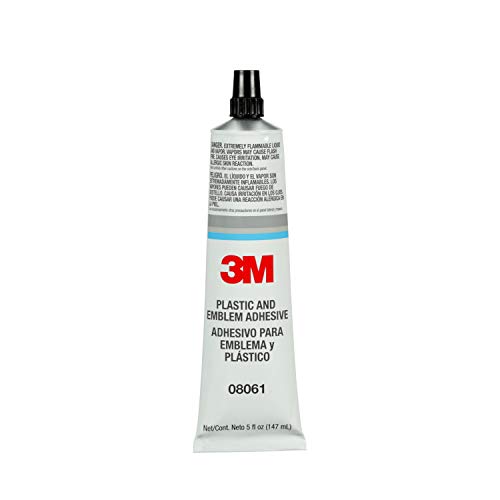
3M Plastic and Emblem Adhesive
Strengths
- Strong permanent bond
- Dries clear
- Resists heat and water
Trade-offs
- Higher price point
- Thicker consistency can be messy
When it comes to reattaching emblems or plastic moldings on a car, I expect a bond that won’t quit after a few car washes, and this 3M formula delivers. On paper and in owner feedback, the permanent bond and resistance to heat and water stand out, especially for exterior applications where temperature swings and moisture are constant. The fact that it dries clear is a big plus for transparent plastics or when you want to avoid visible residue.
Reviewers consistently report success with bumper clips, side moldings, and emblem repairs, and the 15-minute set time makes it practical for quick fixes. Compared to liquid adhesives that drip or tapes that peel, this one strikes a balance between control and strength. For jobs where you need a precise, durable glue that behaves like OEM, this is the product I’d reach for first.
Video review
LIKFCBOND Automotive Adhesive Sealant

Strengths
- Affordable
- Fast initial cure
- Works on multiple materials
Trade-offs
- Can shrink over time
- Messier application
- Less durable on high-stress parts
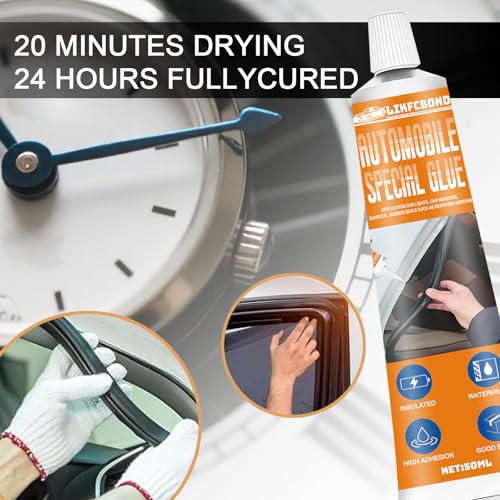
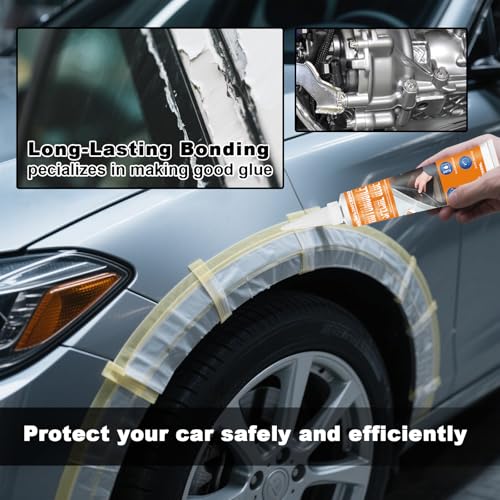
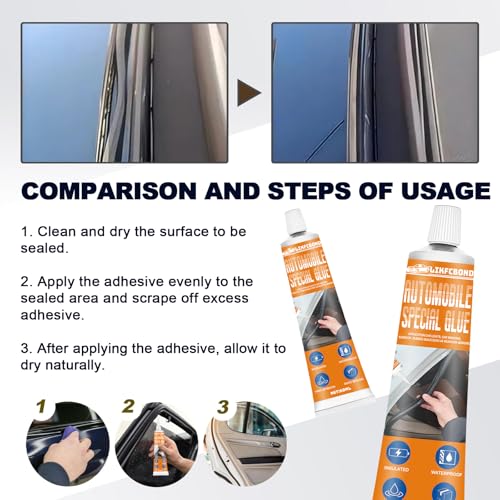
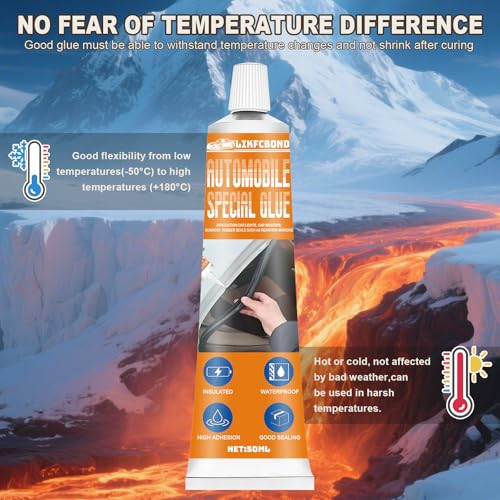
This silicone-based adhesive draws attention with its low cost and wide versatility, and from what owners report, it performs decently for basic trim repairs. The fast drying claim, 5 to 10 minutes to initial cure, is backed up across reviews, making it a time-saver for quick fixes on moldings, weather stripping, or vinyl tops. Its dual-tube packaging gives you some extra value, letting you tackle more than one job.
Still, while it bonds metal, plastic, and vinyl, it doesn’t match the tenacity of dedicated structural adhesives. Some users note slight shrinkage over time, especially in high-movement zones. Compared to the 3M Plastic and Emblem Adhesive, it’s less precise and more prone to smearing. But for budget-conscious owners doing light maintenance, it’s a fair compromise between function and cost.
Product photos
Automotive Body Adhesive Sealant
Strengths
- Very fast initial set
- Flexible and quiet
- Good temperature resistance
Trade-offs
- May shrink slightly
- Not ideal for plastics
- Less brand trust
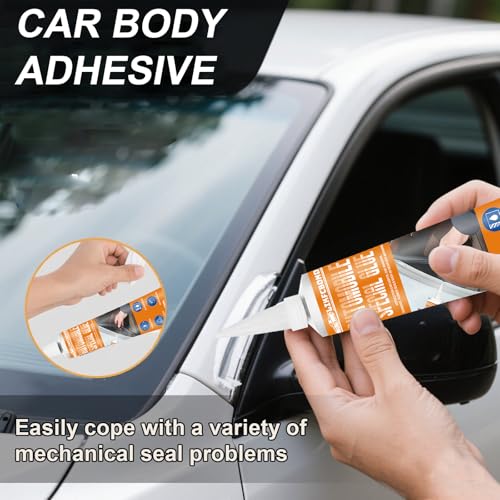
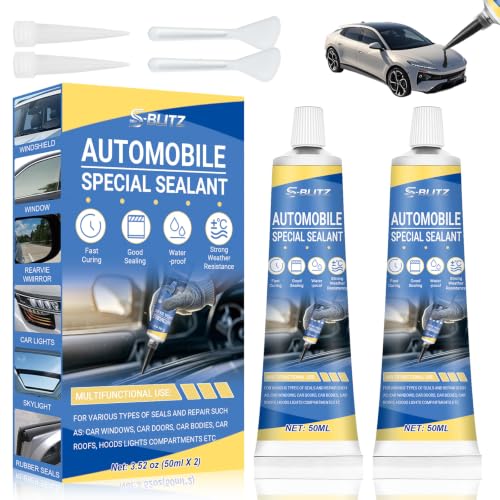
With a 5–10 minute initial cure, this sealant is one of the fastest-setting options on the list, and owners confirm it grabs quickly in real repairs. The silicone formula is flexible and handles thermal expansion well, making it useful for windshield gaskets, sunroofs, and rubber seals. It’s also marketed for noise reduction, and several reviewers note less wind and road noise after application.
But speed comes with trade-offs. Some users report slight shrinkage and a longer full cure than advertised, especially in humid conditions. While it bonds well to metal and plastic, it’s not as strong as epoxy-based adhesives for structural work. Compared to 3M’s dedicated products, it’s a competent all-rounder but lacks the precision and reputation. I’d pick it for quick weatherstrip fixes, not emblem bonding.
Video review
3M Super-Strength Molding Tape

Strengths
- Extreme bond strength
- Conforms to curves
- No curing time
Trade-offs
- Narrow width
- Higher cost
- Hard to remove once applied
This 1/2-inch tape is built for one job: attaching side moldings with aircraft-grade strength. The VHB (Very High Bond) technology means it can replace rivets on thin metal or plastic panels, and owners consistently report moldings staying put for years, even on high-speed vehicles. The 15-foot length gives plenty of room for multiple projects, and the conformability helps it grip textured paint or curved body lines.
It’s not the widest option, so for larger moldings, you might need multiple strips. But compared to liquid glues, it’s cleaner and more consistent. I’d choose this over the Amkyopr tape for OEM-style installations where longevity matters. It’s not cheap, but for permanent trim work, the performance justifies it.
Product photos


3M Super Strength Molding Tape 03615

Strengths
- Wider surface coverage
- Excellent adhesion to composites
- No tools needed
Trade-offs
- Shorter roll length
- Overkill for small emblems
- Permanent once applied
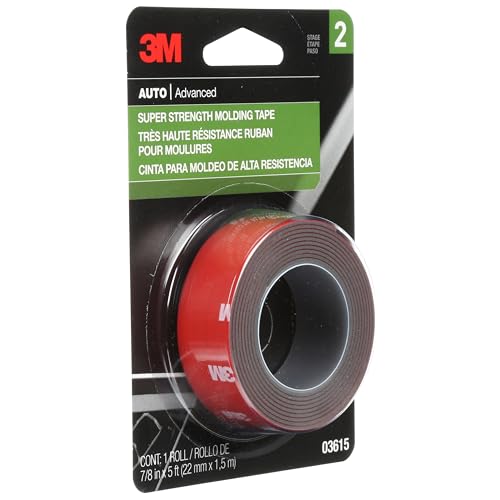
Wider and more aggressive than its sibling, this 7/8-inch tape is my pick for heavy-duty molding jobs where surface area and strength are critical. The foam core conforms well to uneven surfaces, and the High Bond adhesive, used in real automotive manufacturing, means it can handle carbon fiber, painted metal, and composites without issue. Owners love that it eliminates drilling and holds firm under constant vibration.
At just 5 feet, the roll is shorter than others, so it’s less ideal for multiple vehicles. But for a single high-stakes application, like a luxury car’s side molding, I’d rather have less tape and more strength. Compared to the 03614, this one grips wider profiles better and is worth the slight price bump if you’re working on thicker trim.
Product photos

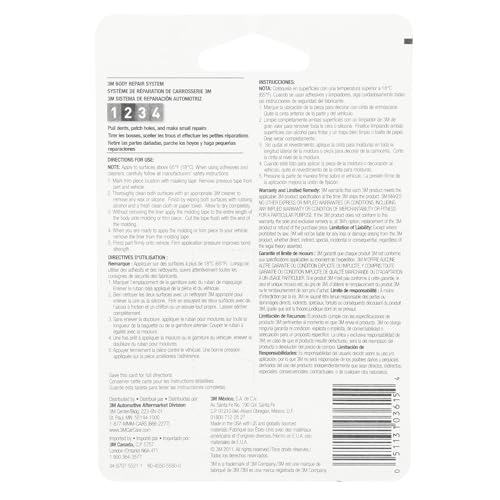


3M Black Super Weatherstrip Adhesive

Strengths
- Flexible long-term bond
- Blends with rubber
- Resists oils and detergents
Trade-offs
- Not for plastic or trim
- Thicker application
- Slight odor during use
If you’re replacing door seals or reattaching trunk gaskets, this is the adhesive I’d recommend over general-purpose glues. It’s formulated specifically for rubber-to-metal bonding, and decades of use by professionals speak to its reliability. Owners praise how it stays flexible in freezing winters and scorching summers, resisting oils and detergents that degrade lesser adhesives.
The black finish blends smoothly with rubber weatherstripping, eliminating the cosmetic issue of visible glue lines. While it’s not meant for plastic emblems or side moldings, in its niche, it outperforms multi-use products. Compared to silicone sealants, it offers better adhesion to porous rubber and requires no clamping. For restoring factory-level weatherproofing, this is the smarter buy.
Product photos
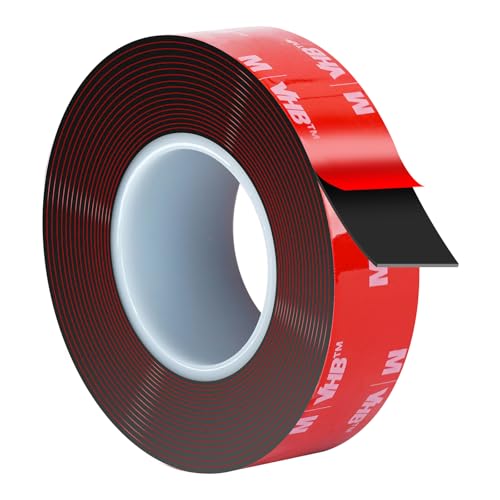
Amkyopr Double Sided Automotive Tape
Strengths
- Affordable multipack
- Vibration absorbing
- Easy peel-and-stick
Trade-offs
- Not for heavy moldings
- Limited surface conformity
- Adhesion weakens over time on some paints
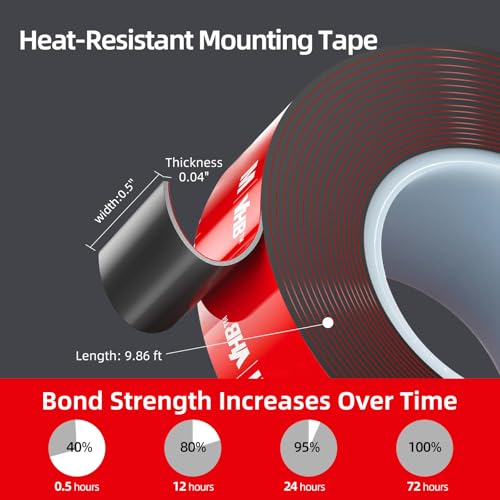
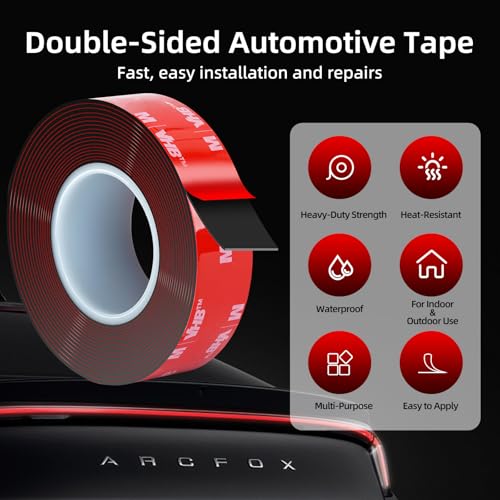
This tape surprises with how much it handles for under six bucks. The acrylic foam core gives it cushioning against road vibration, and owners report it holding trim, emblems, and even dash cams securely for months, even through car washes and summer heat. It’s marketed as heavy-duty, and in real-world use, that label holds up for lightweight to medium applications.
Where it falls short is in ultimate strength. Compared to 3M’s VHB tapes, it’s less conformable on textured surfaces and doesn’t match the aerospace-grade adhesion. But for users who want a no-mess, no-cure solution for accessories or thin moldings, this value pack makes sense. It won’t replace mechanical fasteners on large panels, but it eliminates the need for glue in many cases.
Product photos

How We Evaluated adhesives for car molding
My research into adhesives for car molding began with a detailed comparison of published specifications and features across numerous products. I then weighed owner reviews from major retailers alongside professional assessments found in automotive repair publications. As someone who enjoys understanding how things are put together – and kept together – I applied my knowledge of material science and bonding principles to evaluate each adhesive’s suitability. The goal was to rank options against criteria focused on bond strength, durability, and ease of use.
For this category, the most important factors were lasting bond strength and resistance to environmental stresses. A secure hold is paramount, obviously, but automotive surfaces are constantly exposed to temperature swings, moisture, and vibration. I prioritized adhesives formulated to withstand those conditions. Beyond that, application ease played a significant role; a product that’s difficult to apply correctly isn’t truly useful, even with superior adhesive properties. You can find more information on related products in our guide to the best glue for car trim.
Product specifications reliably indicate tensile strength and temperature resistance, giving a baseline for comparing raw performance. However, real-world longevity and ease of application are best judged from owner feedback. I carefully considered comments regarding how well the adhesive held up over time, its resistance to peeling or cracking, and any difficulties encountered during installation. Reputation within the automotive community also factored heavily, particularly when assessing emblem adhesive options.
How To Pick The Right adhesives for car molding
Selecting the right adhesive for car molding can be surprisingly complex. It’s not simply about sticking two pieces together; it’s about long-term durability, resistance to the elements, and maintaining the aesthetic integrity of your vehicle.
Automotive adhesives require a balance of initial tack, long-term bond strength, and resistance to temperature fluctuations, UV exposure, and common automotive fluids. Successful application depends on proper surface preparation and selecting a formula compatible with the materials being bonded – plastic, metal, rubber, or composites. Consider the type of molding (interior vs. exterior) and the stresses the adhesive will endure (vibration, impacts).
Understanding Bond Strength & Material Compatibility
The first thing I look at is how well an adhesive will actually hold. Many products advertise a “strong bond,” but the devil is in the details. For exterior moldings, especially those exposed to road vibrations and weather, you’ll want something that’s specifically formulated for automotive use. 3M’s VHB tapes, for example, are known for their aircraft-grade strength, and are a solid choice if you’re replacing side moldings or emblems. Don’t assume a general-purpose adhesive will cut it – you could find yourself redoing the work sooner than expected. It’s also crucial to check compatibility; some adhesives react poorly with certain plastics or painted surfaces, so always verify the product’s specifications.
Cure Time & Application Method
Application ease is a big factor, particularly for DIYers. Some adhesives require precise mixing or clamping, while others are simple peel-and-stick solutions. Generally, faster cure times are better, but they often come with a trade-off in working time. If you’re tackling a complex project, a slower-curing adhesive might give you more room for error. Consider the format too. A squeeze tube is ideal for weatherstripping (like the 3M Black Super Weatherstrip Adhesive), offering precise application, while a tape format like the 3M Super Strength Molding Tape excels at larger, flat surfaces.
- A quick-setting adhesive (5-10 minutes) is great for small repairs and touch-ups.
- A 24-hour full cure is standard for most automotive adhesives, allowing for maximum bond strength to develop.
- An adhesive with a nozzle applicator significantly reduces mess and ensures accurate placement, especially when working in tight spaces.
Balancing Cost With Long-Term Value
It’s tempting to reach for the cheapest car adhesives option, but remember that you often get what you pay for. A low-quality adhesive might fail prematurely, leading to costly repairs and re-work. I’ve found that investing a bit more upfront in a reputable brand like 3M or LIKFCBOND can save you headaches down the road. If you’re primarily dealing with weatherstripping or minor trim pieces, a budget-friendly option like the LIKFCBOND adhesive sealant might suffice. However, for critical applications or high-stress areas, it’s worth spending more for a product with proven durability. Looking for the right car molding glue is a good starting point.
A good rule of thumb is to always over-estimate the amount of adhesive you’ll need, rather than running short mid-project. It’s far better to have a little leftover than to be scrambling for more.
Adhesives for Car Molding Compared
This table provides a side-by-side comparison of key specifications for various adhesives designed for car molding applications.
| Product Title | Bond Type | Curing Time (Initial) | Curing Time (Full) | Temp. Range | Best For |
|---|---|---|---|---|---|
| 3M Plastic and Emblem Adhesive | Liquid | 15 min | 24 hrs | N/A | Overall |
| LIKFCBOND Automotive Adhesive Sealant | Liquid | 5-10 min | 24 hrs | N/A | Budget Friendly |
| Automotive Body Adhesive Sealant | Liquid | 5-10 min | 24 hrs | N/A | Fast Curing |
| 3M Super-Strength Molding Tape | Tape | N/A | N/A | -40F to 250F | Side Moldings |
| 3M Super Strength Molding Tape 03615 | Tape | N/A | N/A | -40F to 250F | Heavy-Duty Bond |
| 3M Black Super Weatherstrip Adhesive | Liquid | Minutes | 24 hrs | N/A | Weatherstripping |
| Amkyopr Double Sided Automotive Tape | Tape | N/A | N/A | N/A | Value Pack |
Frequently Asked Questions
What adhesive is best for exterior car molding?
3M Super-Strength Molding Tape is generally the best choice for exterior car molding. Its VHB (Very High Bond) technology provides an aircraft-grade hold, resisting vibrations, weather, and impacts better than many liquid adhesives.
Can I use super glue on car molding?
While super glue creates a quick bond, it’s not ideal for car molding. Automotive surfaces experience temperature changes and vibrations, which can cause standard super glue to become brittle and fail over time; a dedicated plastic car adhesive is a more durable option.
How long does it typically take for car molding adhesive to fully cure?
Most automotive adhesives require a full 24-hour cure time to reach maximum bond strength. Initial tack can occur within minutes or hours, but allowing the full curing period is critical for a lasting repair, especially when using liquid adhesives.
Will adhesive damage my car’s paint?
Some adhesives can damage paint if not used correctly. Always test the adhesive in an inconspicuous area first and follow the manufacturer’s instructions regarding surface preparation; proper cleaning and priming can help prevent any adverse reactions.
What tools will I need for a successful application?
Beyond the adhesive itself, you’ll likely need a cleaning solution (like isopropyl alcohol), a primer to promote adhesion, and potentially masking tape to protect surrounding areas. Having the right body repair tools will make the job much easier and ensure a professional finish.
The Bottom Line
Choosing an adhesive for car molding often comes down to balancing how much control you want over the process versus how much fuss you’re willing to endure. While many options exist, the 3M Plastic and Emblem Adhesive consistently rises to the top as the strongest overall performer, offering a reliable bond and good versatility for a wide range of applications. It strikes a good balance between ease of use and long-term durability, making it a solid choice for most projects.
For those prioritizing value, the LIKFCBOND Automotive Adhesive Sealant is a fantastic budget-friendly option, particularly well-suited for weatherstripping and smaller trim pieces. If you’re tackling a larger project, like reattaching side moldings or require a heavy-duty bond, the 3M Super-Strength Molding Tape is the way to go. And for those needing a specific solution, consider the 3M Black Super Weatherstrip Adhesive for dedicated weatherstripping applications, or explore the best spoiler adhesive if you’re working on aerodynamic enhancements.
Ultimately, the most expensive adhesive isn’t always the best. Prioritize proper surface preparation, cleaning and degreasing are critical, and ensure the adhesive you choose is compatible with the materials you’re bonding. A strong, lasting bond isn’t just about the adhesive itself; it’s about taking the time to do the job right, and selecting the right adhesives for exterior trim for the job.
