
10 Best Adventure Bike Gps Devices in 2026
This post contains affiliate links. As an Amazon Associate, we earn from qualifying purchases.
For adventure riders who need reliable navigation off the beaten path, the Garmin zūmo XT3 stands as our best overall pick. It offers IP67-rated durability, preloaded street and topographic maps, and Garmin Adventurous Routing that favors scenic roads over highways. The Garmin Montana 700 offers the best large display for glove-friendly use, while the TomTom Rider 550 is a strong choice for riders who want a simple, ready-to-go unit.
The challenge with adventure bike GPS devices is balancing ruggedness, screen size, and battery life without ending up with a unit that is too heavy, too complex, or too reliant on a smartphone. A GPS that works on a dirt trail may frustrate on a paved highway, and vice versa.
This guide is based on manufacturer specifications, expert round-ups, and patterns in owner feedback to help you choose the right navigator for your style of riding. We break down the key features, trade-offs, and what each top pick does best.
Top 10 Adventure Bike GPS Devices in the Market

Certain content that appears on this site comes from Amazon. This content is provided "as is" and is subject to change or removal at any time.
The Best Adventure Bike GPS Devices, Reviewed
Garmin zūmo XT3 4.7" Motorcycle GPS
What We Like
- IP67-rated against weather and vibration
- Preloaded street and topographic maps
- Live lean angle gauge for cornering data
- Garmin Adventurous Routing for scenic roads
Trade-offs
- Group tracking requires smartphone and cellular connection
- Performance Package plan needed for track lap times
- Outdoor Maps+ subscription for premium trail layers
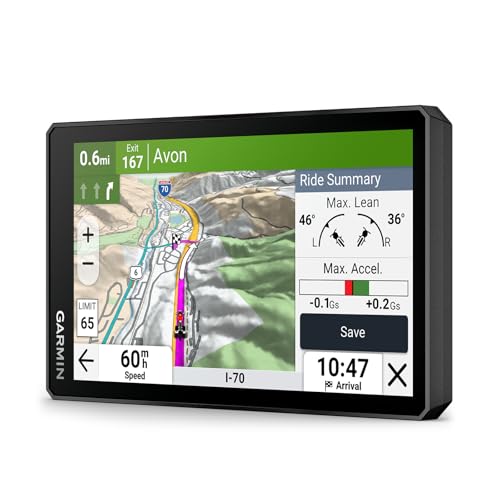
A 4.7-inch high-definition display with an IP67 rating withstands handlebar vibration, harsh weather, and rough road conditions, so you can ride confidently through rain or dust without worrying about the device. Preloaded street and topographic maps let you navigate immediately. You can download high-resolution satellite imagery directly to the unit for extra visual detail. The live lean angle gauge shows how far you’ve leaned in each turn, and the Tread app displays ride summaries with G-force, max speed, acceleration, and deceleration, turning every trip into a chance to review your performance.
The real trade-off comes with some of the advanced features: group tracking needs a paired smartphone and active cellular service, and the track-focused lap timing requires an active Garmin Performance Package plan. Compared to the TomTom Rider 550, which is another motorcycle GPS option, the zūmo XT3 offers lean-angle and track data that the TomTom does not, based on available product listings. For riders who want a rugged GPS with performance tracking and detailed maps, this is a strong option.
Garmin Montana 700 Handheld GPS

What We Like
- 5-inch glove-friendly touchscreen display
- MIL-STD 810 rugged construction
- Multi-GNSS with preloaded TopoActive maps
- ANT+, Wi-Fi, and Bluetooth connectivity
Trade-offs
- At 0.9 pounds, heavier than dedicated motorcycle units
- No motorcycle-specific mounting or routing features
A 5-inch glove-friendly touchscreen is the biggest reason to look at the Garmin Montana 700 for adventure riding. The display is easy to read with gloves on, and it packs multi-GNSS support and preloaded TopoActive maps, so off-road navigation stays accurate in canyons or under tree cover. The MIL-STD 810 rating covers thermal shock, water, and vibration, so this handheld can handle tough conditions. For riders seeking a big, clear screen and who don’t mind carrying a bit more weight, this is a capable companion for trail exploring.
The trade-off is size and weight. At 0.9 pounds, the Montana 700 is heavier than the Garmin zūmo XT3, which weighs 0.4 pounds. That extra heft and the 5-inch footprint can feel bulky on a bike, especially if you have limited bar space. The Montana is a handheld first, so it lacks the dedicated motorcycle mounting and routing features that a motorcycle-specific unit like the zūmo XT3 might offer. If screen size and rugged versatility matter more, this one delivers.
TomTom Rider 550 Motorcycle GPS

What We Like
- Full-screen text-to-speech message reader
- Touch screen interface
- Maps included out of the box
- Lightweight at 0.7 lb
Trade-offs
- No rugged or waterproof rating listed
- Lacks satellite imagery and off-road mapping
The TomTom Rider 550 comes with maps already loaded and a full-screen text-to-speech reader that reads messages aloud, so you can keep your eyes on the road instead of the display. Its touch screen makes route adjustments quick, and at just 0.7 pounds, it won’t weigh down your handlebars. For riders who want a straightforward navigation device without needing to download maps or pair a phone for basic directions, this unit delivers exactly that, no fuss, no extra steps.
The trade-off shows up in its size: at 19.7 inches long, it takes up significant space on your handlebars. That can feel cramped on a smaller bike or when you already have phone mounts and other gear. Compare that to the compact Garmin zūmo XT3 at 0.9 inches long, which offers a smaller footprint. If you prioritize simplicity and a big readable screen over a tidy cockpit, the Rider 550 fits the bill. Just be sure your handlebars have room to spare.
Product photos
Beeline Moto II Metal Edition GPS

What We Like
- IP67 waterproof and shockproof
- 14-hour battery for long rides
- Compact, distraction-free mini-map
- Glove-friendly buttons
Trade-offs
- Small display shows less detail at speed
- No preloaded maps or satellite imagery
- Requires phone app for route planning
At just 0.2 pounds, this GPS is barely noticeable on your handlebars, which is exactly the point for riders who want to stay focused on the road. The compact mini-map shows only what you need, speed, distance, ETA, without the clutter of a full-screen map, so you can glance down and get back to riding in a second. It’s built to shrug off rain and bumps with IP67 waterproofing and shockproof construction, and the 14-hour battery means it’ll last through a full day of backroads without needing a charge. The design prioritizes simplicity and durability over screen size and feature overload.
The trade-off is that the small screen can feel limiting when you’re navigating complex intersections or unfamiliar trail networks. You’ll also need your phone to plan routes through the Beeline app, since the device itself doesn’t store detailed maps. For riders who value a clean, lightweight setup and don’t mind the phone dependency, this is a refreshing alternative to bulky GPS units.
WonVon 6.25 Inch Motorcycle CarPlay GPS

What We Like
- IP68 waterproof and dustproof housing
- 6.25-inch anti-glare IPS display with night mode
- Wireless Apple CarPlay and Android Auto
- Glove-friendly touchscreen operation
Trade-offs
- At 1.1 pounds, heavier than dedicated GPS units
- No built-in battery; requires constant 12-24V power
A 6.25-inch IPS touchscreen with 1024×600 resolution gives you a large, bright display for glancing at routes at speed. The anti-glare coating and dedicated night mode keep it readable in direct sun or after dark, and the IP68 waterproof rating means rain, mud, and dust won’t stop it. Riders who want phone-mirroring convenience with CarPlay or Android Auto will appreciate the wireless connection, hands-free calls, and voice commands through Siri or Google Assistant, all without fumbling for a phone in a pocket.
At 1.1 pounds, this unit is noticeably heavier than a dedicated GPS like the Garmin zūmo XT3, which weighs less than half as much. That extra weight means the included clamp and vibration-proof body have to work harder to keep it steady on rough trails. If you want a big, bright display with full smartphone integration, this is the one to reach for. Just make sure your handlebars have the room and your mount can handle the load.
NiesahYan Handheld GPS Navigator
What We Like
- 36-hour battery life
- Sunlight-readable 3.2-inch screen
- IP66 water-resistant design
- Multi-GNSS support for accuracy
Trade-offs
- Smaller screen than motorcycle-specific units
- No preloaded trail routing for vehicles
- Physical buttons only, no touchscreen
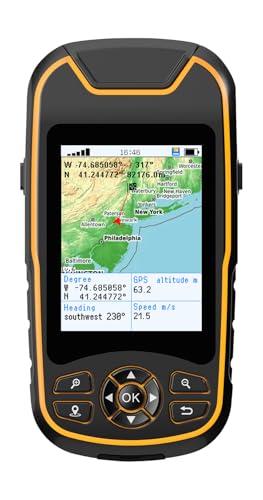
A battery life of up to 36 hours means you can leave for a multi-day backcountry hike without hunting for an outlet each night. This handheld supports multiple satellite systems (GPS, Galileo, BeiDou, QZSS) for reliable positioning, with location accuracy within 6 feet. Its IP66 water-resistant design handles rain and splashes, and the 3.2-inch sunlight-readable screen stays visible even in bright sunlight. Physical buttons provide versatility in any conditions. For hikers and campers who want a tough, no-nonsense navigator that lasts the whole trip, this is a rugged companion you can count on.
The 3.2-inch screen on this handheld is noticeably smaller than the 4.7-inch display on the Garmin zūmo XT3. That means you have to look a little closer to read maps while moving. It comes preloaded with USA Topo maps for outdoor hiking and camping, so it’s built for off-trail exploration and waypoint tracking rather than turn-by-turn street navigation. If you want a big screen for highway riding, the Garmin zūmo XT3 is a better option. For a compact, water-resistant device that lasts up to 36 hours on a full charge, this one fits the bill.
YuisyNie S190 Handheld GPS Navigator

What We Like
- Preloaded USA Topo maps
- 36-hour battery for long trips
- TrackBack and 3-axis compass
- 64 GB memory for map downloads
Trade-offs
- Map goes blank when zooming in too far
- Requires manual download of high-detail maps
The 64 GB of internal memory lets you store a large library of topo maps without worrying about space. It comes with USA Topo maps preloaded, so you can start navigating trails and backroads right out of the box. The 36-hour battery life supports multi-day hikes or long adventure rides, and the multi-GNSS support locks onto GPS, Galileo, QZSS, and BeiDou satellites for reliable positioning even in remote canyons or dense forest.
If you zoom in too far on the preloaded maps, the screen goes blank, because the map zoom tier for your city is limited. You can download high-detail map files from the website, and the full steps are in the product video and user manual. Seller support will help with any download issues. The 3.2-inch sun-readable screen is easy to see in bright daylight, making it practical for hiking. It is smaller than the 4.7-inch display on the Garmin zūmo XT3, so it’s less suited for on-the-bike navigation at speed.
Product photos
Certified Brands 010-02510-00+010-02646-00 Adventure Bike Gps Device
What We Like
- 10" ultrabright display for high-speed visibility
- Built-in inReach for team tracking and messaging
- Includes premium audio system with LED speakers
Trade-offs
- Large 9.9" length requires substantial mounting space
- inReach Flex Team subscription needed for satellite features
- Audio system adds bulk beyond navigation alone
A 10-inch ultrabright display gives you a large, clear view of course files, pacenotes, and hazard warnings at racing speeds. The built-in inReach satellite technology lets you track your team’s live positions and send messages even where cell service doesn’t reach, so you stay coordinated through remote desert stages. This bundle also includes an audio system with two 6.5-inch tower speakers and an LED controller, letting you sync speaker colors to your speed or music. It’s built for riders who need race-specific tools like virtual checkpoints, mile markers, and a splits/lap timer to sharpen their performance on the clock.
The trade-off for that massive screen and integrated sound system is size: at nearly 10 inches wide, it demands a large mounting area that won’t fit every handlebar setup. The Garmin zūmo XT3 is far more compact at 5 inches wide and weighs less than half a pound, making it a better match for riders seeking a rugged navigator without the bulk. If you’re serious about off-road racing and want a dedicated co-driver display with audio, this Certified Brands bundle delivers purpose-built hardware. Just plan for the space it needs and the ongoing subscription for the satellite team-tracking feature.
Product photos
WonVon 5 Inch Motorcycle CarPlay GPS

What We Like
- Glove-friendly touchscreen with anti-glare display
- IP-rated waterproof and dust-resistant housing
- Wireless CarPlay and Android Auto support
- Compact 5-inch size fits handlebars easily
Trade-offs
- 1.1 pounds is heavier than some dedicated GPS units
- 5-inch screen is small for navigation on large touring bikes
A 5-inch IPS touchscreen with anti-glare and night mode means you can glance at directions without squinting, whether the sun is baking the asphalt or you’re rolling home after dusk. This WonVon unit is built for riders who want smartphone mirroring without the bulk of a full-sized tablet. The compact footprint and vibration-proof clamp keep it stable on handlebars, and the IP-rated housing shrugs off rain and mud. It’s the right fit for urban commuters and light tourers who prioritize CarPlay or Android Auto integration over dedicated off-road mapping.
At 1.1 pounds, it’s noticeably heavier than the Garmin zūmo XT3 (0.4 pounds), and without a built-in battery, you’ll need to keep the bike’s electrical system on to use it. That makes it less practical for riders who stop frequently or want a device that can function off the bike for route planning. If your adventures lean toward long, powered highway miles with occasional rain, this compact screen works well. For multi-day backcountry trips where every ounce and battery minute counts, a lighter, self-powered unit may serve you better.
Product photos
iGPSPORT BSC300T GPS Bike Computer
What We Like
- 2.4" touchscreen with six-button backup
- Global offline map navigation with turn prompts
- Off-course warning alerts you back on route
- Supports e-bike mode and power level display
Trade-offs
- 2.4" screen is small for glove-friendly touch use
- No built-in battery life spec for long adventure days
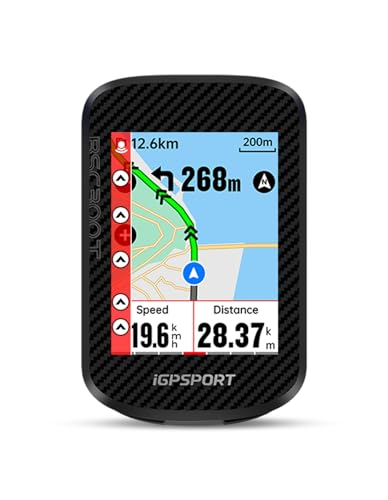
A 2.4-inch touchscreen paired with six physical buttons means you can swipe through maps or push through gloves when the trail gets rough. This iGPSPORT packs five satellite systems for fast, accurate positioning anywhere on the planet, and it loads global offline maps so you never lose your way even far from cell service. The off-course warning buzzes the moment you stray, a real comfort when you’re exploring unfamiliar backroads or singletrack. It also tracks over 130 data fields, from speed and grade to e-bike battery level, making it a versatile companion for both pedal and power-assisted adventure rides.
At 2.4 inches, the display is noticeably smaller than the 4.7-inch Garmin zūmo XT3, which means map detail and touch targets are tighter, especially with heavy gloves or in a downpour. That compact size keeps the weight down to just 0.1 pounds, so it disappears on your handlebar or stem. Adventure riders who rely on quick glance-and-go navigation may find themselves squinting. Best suited for cyclists who want a lightweight, feature-rich computer with both touch and button control, and who prioritize portability over a large map view.
Product photos
How We Evaluated Adventure Bike GPS Devices
Our evaluation of these devices is based on manufacturer documentation, expert round-ups, and common themes found in owner reviews. We focused on what the specifications and real-world feedback consistently reveal about each unit’s performance.
For this category, we prioritized four criteria above all others. First, weather and dust resistance is non-negotiable for adventure riding; an IP67 or MIL-STD rating gives confidence in rain and dust. Second, screen readability and size matters when you are wearing gloves and the sun is glaring down. Third, map quality and routing logic determines whether the GPS takes you down a scenic fire road or a congested highway. Finally, mounting flexibility and weight affects how the device integrates with your handlebars without adding excessive bulk.
A research-led evaluation has limits. Owner feedback can vary widely based on riding conditions and personal expectations, and specifications do not always translate perfectly to real-world use. We aim to give you the clearest picture possible so you can make an informed decision.
What To Look For In Adventure Bike GPS Devices
Choosing the right GPS for adventure riding means looking beyond screen size to durability, map coverage, and how the device fits into your riding style. Here are the key factors to consider.
Look for a GPS with an IP67 or higher water and dust rating, a screen that is readable in direct sunlight, and maps that include both paved roads and off-road trails. Consider battery life for multi-day trips and whether you need smartphone connectivity for route planning.
Durability and Weather Resistance
Adventure riding exposes gear to rain, dust, mud, and vibration. A GPS without a proper ingress protection (IP) rating is a liability. An IP67 rating, like the Garmin zūmo XT3, means the device is fully protected against dust and can survive submersion in up to one meter of water. For extreme conditions, MIL-STD 810 certification, as found on the Garmin Montana 700, adds protection against shock, vibration, and temperature extremes.
Screen Size and Glove-Friendly Operation
A larger screen makes glancing at directions easier at speed, but it also adds weight and takes up handlebar space. A 5-inch display is a sweet spot for most riders, offering enough detail without being overly bulky. Touchscreens must work with riding gloves; look for capacitive screens that register gloved taps or physical button backups like those on the iGPSPORT BSC300T. Anti-glare coatings and high brightness (measured in nits) are critical for visibility in direct sunlight.
Mapping, Routing, and Offline Capability
Adventure routes often go where cellular signals do not. Preloaded topographic maps and offline navigation are essential. Look for devices with Garmin Adventurous Routing or similar algorithms that prioritize scenic and unpaved roads. Satellite imagery and premium trail layers, while useful, often require a subscription. For handheld units, preloaded TopoActive maps and a TrackBack feature to retrace your route are valuable.
- Confirm the device includes preloaded maps for the regions you ride.
- Check if high-detail maps require a manual download or subscription.
- Verify the battery life covers your typical ride duration without recharging.
- Ensure the mounting system fits your handlebar diameter and does not interfere with controls.
- Look for an off-course alert feature that warns you when you stray from the route.
A GPS that works offline and is readable in bright sunlight will serve you better than one with the largest screen but poor durability.
Adventure Bike GPS Devices Compared
The table below compares the key specifications of each top-rated adventure bike GPS device to help you see at a glance which one fits your needs.
| Product | Screen Size | Weight | Water Resistance |
|---|---|---|---|
| Garmin zūmo XT3 4.7" Motorcycle GPS | 4.7 inches | 0.4 pounds | IP67 |
| Garmin Montana 700 Handheld GPS | 5 inches | 0.9 pounds | MIL-STD 810 |
| TomTom Rider 550 Motorcycle GPS | N/A | 0.7 lb | N/A |
| Beeline Moto II Metal Edition GPS | N/A | 0.2 Pounds | IP67 |
| WonVon 6.25 Inch Motorcycle CarPlay GPS | 6.25-inch | 1.1 pounds | IP68 |
| NiesahYan Handheld GPS Navigator | 3.2 inches | N/A | IP66 |
| YuisyNie S190 Handheld GPS Navigator | 3.2" | 0.5 pounds | IP66-rated |
| Certified Brands 010-02510-00+010-02646-00 Adventure Bike Gps Device | 10 inches | N/A | N/A |
| WonVon 5 Inch Motorcycle CarPlay GPS | 5 inches | 1.1 pounds | N/A |
| iGPSPORT BSC300T GPS Bike Computer | 2.4" | 0.1 lb | N/A |
Frequently Asked Questions
What is the most rugged adventure bike GPS?
The Garmin zūmo XT3 is built to IP67 standards, meaning it is fully dust-tight and can handle submersion in water. For even more extreme conditions, the Garmin Montana 700 carries MIL-STD 810 certification, which adds protection against shock, vibration, and temperature extremes.
Do I need a GPS with preloaded off-road maps?
Yes, if you ride off pavement regularly. Preloaded topographic maps, like those on the Garmin zūmo XT3 and YuisyNie S190, provide trail and contour data without requiring a cellular connection. Without them, you may find yourself navigating with only street-level detail.
Can I use my phone instead of a dedicated GPS?
A phone can work in a pinch, but it lacks the ruggedness, glove-friendly interface, and dedicated routing of a purpose-built device. Phones are not IP67-rated, can overheat in direct sun, and may lose signal in remote areas. A dedicated GPS like the TomTom Rider 550 offers a more reliable experience.
How important is battery life for adventure riding?
Very important for multi-day trips where charging opportunities are scarce. The NiesahYan and YuisyNie handhelds offer up to 36 hours of battery life, while the Beeline Moto II offers 14 hours. Units without a built-in battery, like the WonVon 6.25-inch model, require constant power from the bike.
What is the difference between CarPlay and a traditional GPS?
CarPlay mirrors your smartphone’s navigation apps on a larger, weatherproof screen, as seen on the WonVon models. A traditional GPS, like the Garmin zūmo XT3, has its own maps and routing software, which works independently of a phone. CarPlay offers app flexibility, while a dedicated GPS provides offline reliability.
The Bottom Line
For most adventure riders, the Garmin zūmo XT3 is the best overall choice because it combines IP67 ruggedness, preloaded street and topo maps, and routing that seeks out scenic roads. It is a capable companion for both pavement and dirt, though its group tracking features require a smartphone connection.
If you prefer a larger screen that works well with gloves, the Garmin Montana 700 is a strong alternative, especially if you plan to use the device off the bike as a handheld. For budget-conscious riders who want a simple, no-fuss GPS for paved roads, the TomTom Rider 550 delivers solid value without the extra weight.
The single most important factor is matching the GPS to your riding environment. Choose a device with the durability and map coverage for the terrain you actually ride, and you will never second-guess your route.
