
7 Best Aftermarket ATV Drive Belts of 2026
This post contains affiliate links. As an Amazon Associate, we earn from qualifying purchases.
The Tusk Pro Torque CVT Aramid Belt stands out as the best overall aftermarket ATV drive belt, delivering strong performance and heat resistance for serious riders. For those on a budget, the MOTOALL ATV Drive Belt offers solid reliability at a lower cost, while the StarknightMT Heavy Duty Drive Belt is a top pick for riders needing extra grip and heat tolerance.
If you’ve ever been stranded by a snapped belt mid-ride, you know how critical this small part is to your ATV’s performance. A weak or poorly matched belt can slip, overheat, or fail early, especially under heavy loads or tough terrain.
This guide cuts through the noise by focusing on real-world durability, material quality, and proper fitment. I looked at specs, owner reports, and brand reputation to find belts that consistently deliver, so you can choose with confidence.
Top 7 Aftermarket Atv Drive Belts in the Market
The Best Aftermarket Atv Drive Belts, Reviewed
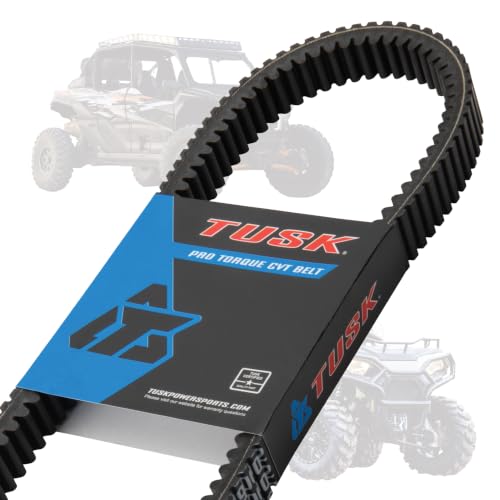
Tusk Pro Torque CVT Aramid Belt
Strengths
- Aramid cord
- High heat resistance
- OEM replacement fit
Trade-offs
- Premium price
- Limited to newer Polaris models
If you’re running a high-horsepower Polaris RZR or General XP1000 and demand a belt that can handle aggressive riding, the Tusk Pro Torque belt is built for that exact purpose. On paper, the aramid cord construction and heat-resistant design stand out, and owners consistently report fewer heat-related failures under sustained load compared to standard belts. It’s clearly engineered for machines pushing beyond factory performance levels.
This isn’t just a clone of the OEM part, it’s an upgrade in material science, and reviewers note it holds up better during dune runs and rock crawling where CVTs run hot. When compared to cheaper aftermarket options, the Tusk belt maintains dimensional stability longer, which helps prevent slippage and erratic shifting. For anyone who’s killed multiple belts from overheating, this one makes sense as the logical step up.
Video review
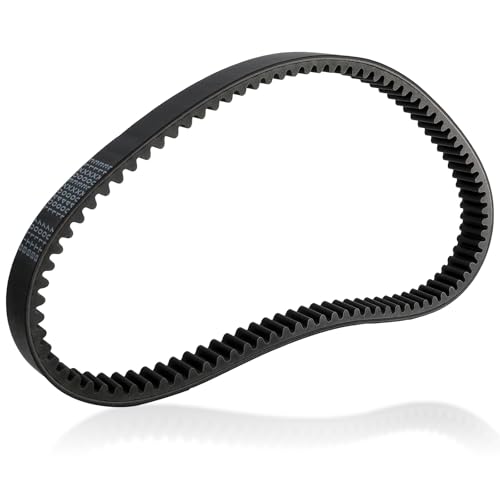
MOTOALL ATV Drive Belt
Strengths
- Very low cost
- Fits older Sportsman models
- Widely compatible
Trade-offs
- Basic rubber construction
- Prone to glazing
- Shorter lifespan
The MOTOALL belt is one of the cheapest options available for older Polaris Sportsman 500 models, and that’s its main selling point. It covers a wide range of years and fits the basic need for a no-frills replacement. But based on owner reports, it’s best treated as a temporary fix, some users note it begins to glaze or slip after moderate use, especially in hotter climates.
There’s no advanced material tech here, just a basic rubber compound without aramid or heat-dissipating design. Compared to the KEMIMOTO or Polaris OEM belts, it falls short in durability. But if you’re on a tight budget and need something that fits an older 500, it gets the job done in a pinch. Just don’t expect it to last a full season under hard use.
Video review
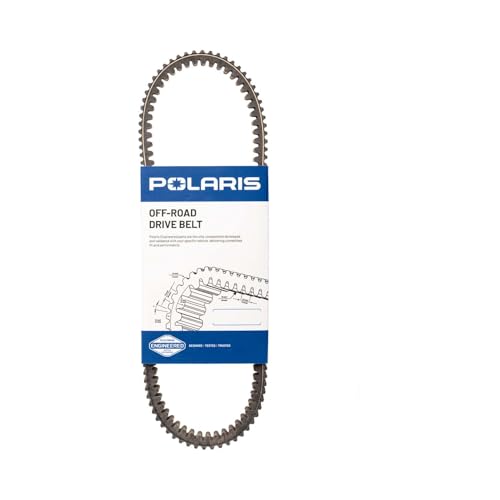
Polaris Genuine CVT Drive Belt 3211077
Strengths
- Factory precision
- Cooler operation
- OEM durability
Trade-offs
- Higher cost
- No performance gains
When you want the factory feel without compromise, the genuine Polaris 3211077 belt is the gold standard for OEM replacements. It’s not flashy, but the 18+ months of engineering and field validation show in consistent owner feedback, this belt runs cooler and wears more evenly than most aftermarket versions. The tight manufacturing tolerances mean no guesswork with fit or performance.
I’d pick this over third-party belts if you value predictability and don’t modify your machine. It won’t outperform a heavy-duty aftermarket belt under extreme stress, but for stock or lightly used ATVs, it integrates flawlessly with the factory clutch setup. Compared to the KEMIMOTO or MOTOALL options, it’s more expensive but delivers the reliability you expect from OEM.
Product photos
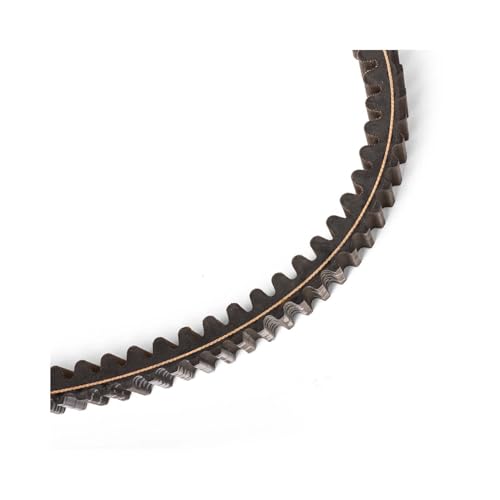
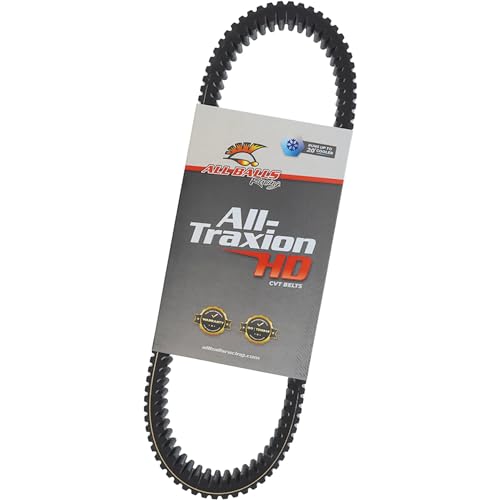
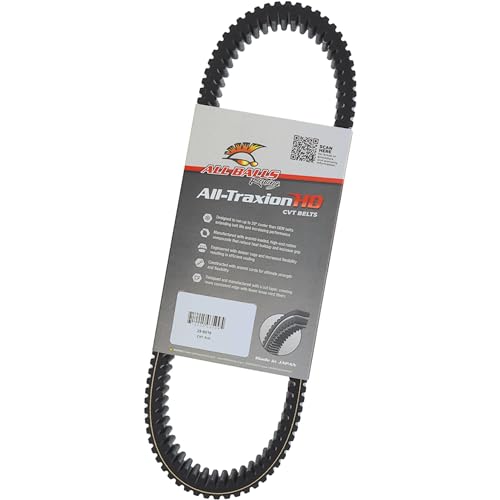
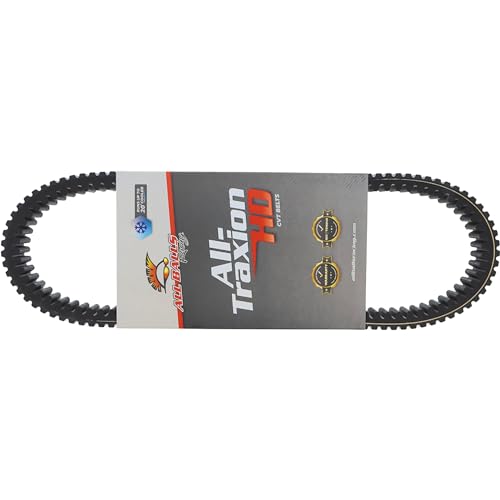
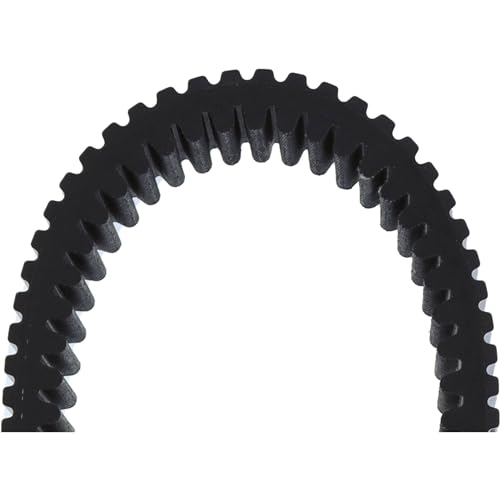
All Balls Racing CVT Belt
Strengths
- OEM-spec fit
- Durable aramid core
- Excellent warranty
Trade-offs
- Very expensive
- Can-Am only
The All Balls Racing 25-9016 is one of the few high-end options built specifically for Can-Am Defenders, and that niche focus matters. It’s engineered to meet OEM specs, and owners report it fits and performs like the factory unit, no break-in quirks or alignment issues. The rigorous testing process All Balls claims seems to pay off in consistency, with fewer reports of premature wear than some generic belts.
At over $160, it’s the most expensive belt here, and for Polaris owners, that would be overkill. But for Can-Am users, genuine OEM-equivalent options are limited, and this fills the gap well. Compared to cheaper universal belts, it maintains better dimensional stability and heat resistance. If you rely on your Defender for work, the peace of mind is worth the cost.
Product photos

KEMIMOTO Drive Belt 3211113

Strengths
- Strong aramid core
- Even wear
- Good stretch resistance
Trade-offs
- No anti-slip coating
- Slightly softer under load
KEMIMOTO returns with another solid contender, this time tuned for the Polaris Sportsman lineup. The 3211113 model shares the same chloroprene and aramid core as their other belts, and owners of Sportsman 500s and 700s report smooth engagement and consistent performance. It’s not marketed as ultra-heavy-duty, but it handles stock engine output without issue.
Compared to the StarknightMT version of the same belt, this one lacks the extra nylon friction layer, so it may slip slightly more under peak load. But it’s quieter and slightly more flexible out of the box, which helps with break-in. For a routine replacement on a utility-focused Sportsman, this is one of the better aftermarket choices under $50.
Product photos
KEMIMOTO Heavy Duty CVT Belt 3211077

Strengths
- Affordable
- Good heat dissipation
- Aramid reinforcement
Trade-offs
- Not for high-performance use
- Limited field validation
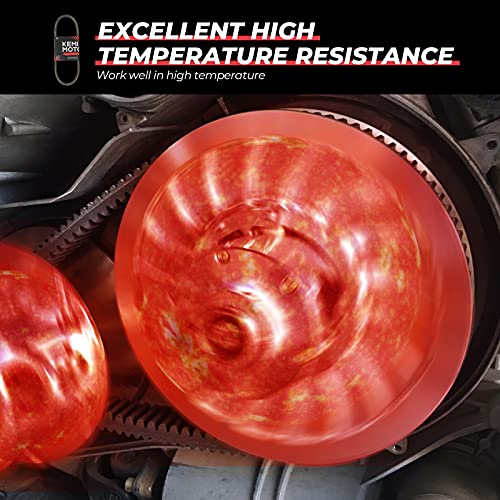
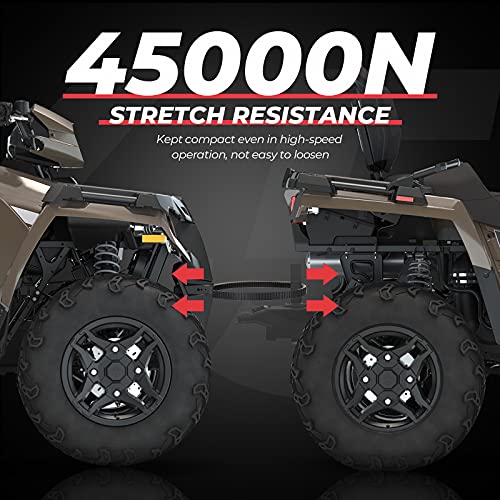
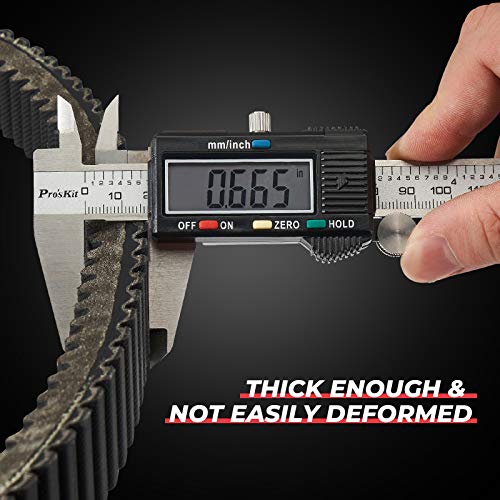
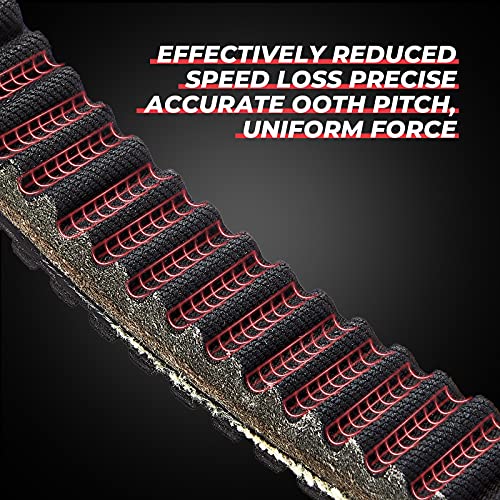
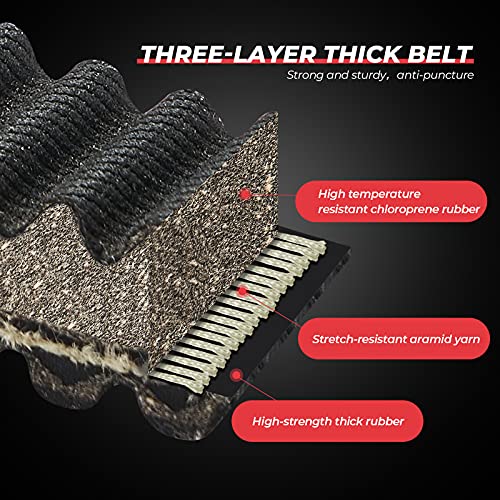
For the price, the KEMIMOTO 3211077 belt punches above its weight, especially if you’re maintaining a midsize Polaris Sportsman or Ranger. The use of chloroprene rubber and aramid string isn’t just marketing, it’s a real upgrade over basic rubber compounds, and owners report noticeably better heat resistance than entry-level belts. It’s not built for wide-open desert runs, but for trail riding and utility work, it holds tension well and resists stretch.
Compared to the OEM Polaris belt, it’s a fraction of the cost and still delivers solid durability for casual use. Some long-term reviewers mention slight performance drop-off after extended miles, but for a rider who puts on a few hundred miles a year, this is the smarter buy. It’s a rare case where value doesn’t mean sacrificing all longevity.
Product photos


StarknightMT Heavy Duty Drive Belt

Strengths
- Four-layer construction
- Reduces slippage
- Good heat resistance
Trade-offs
- Newer brand
- Less long-term data
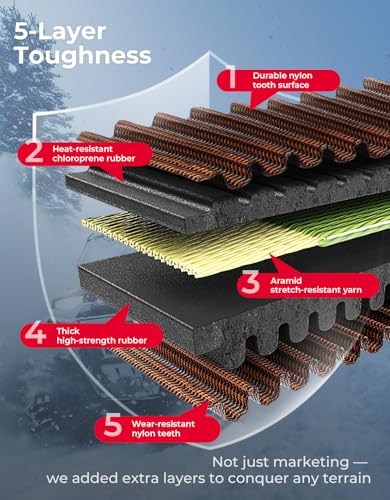
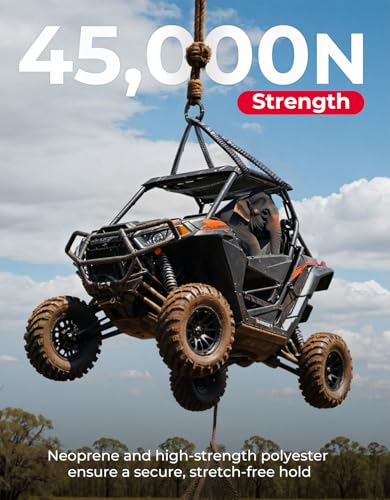
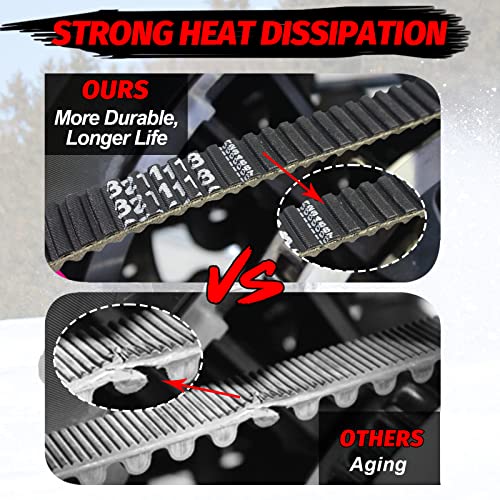
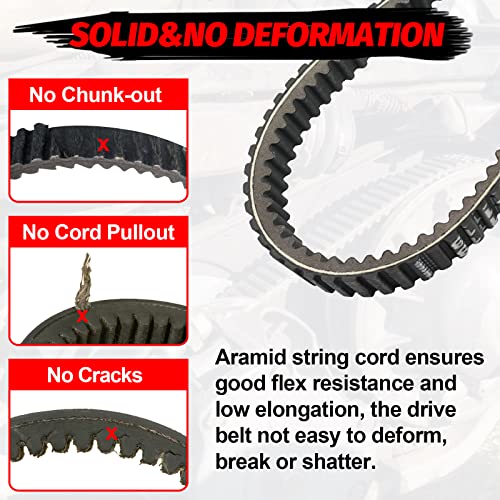
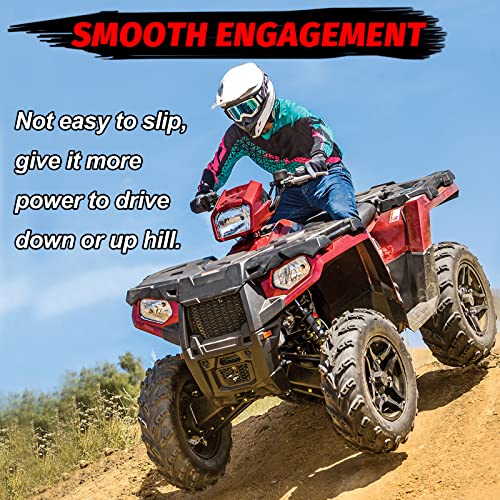
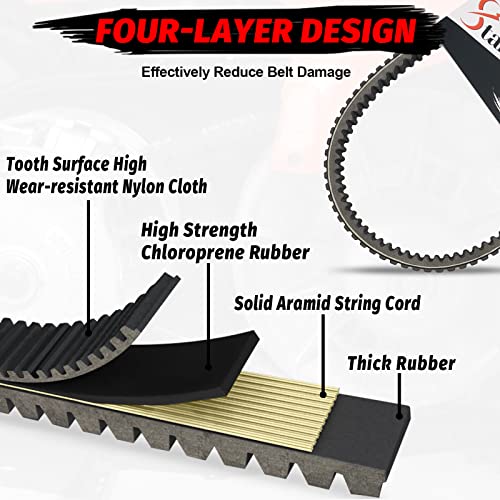
The StarknightMT 3211113 belt stands out for its four-layer design and nylon-reinforced surfaces, which owners say significantly reduce noise and slipping, two common complaints with budget belts. The added friction layer is a smart touch for riders hauling heavy loads or climbing steep grades, where power loss from slippage is a real issue.
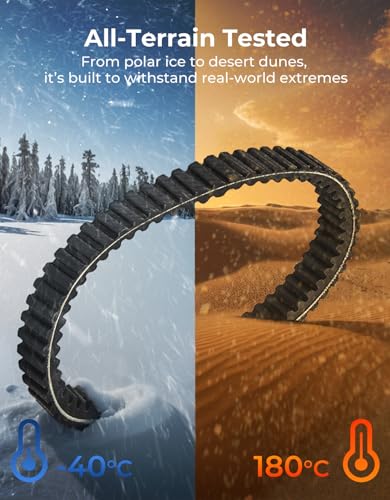
It runs cooler than expected for the price, thanks to chloroprene rubber, and holds up better than many in the $40 range. When stacked against the KEMIMOTO 3211113, it’s slightly more refined in operation, though not quite as proven over time. But for mid-duty use in Rangers or RZRs, it strikes a solid balance between durability and cost.
Product photos
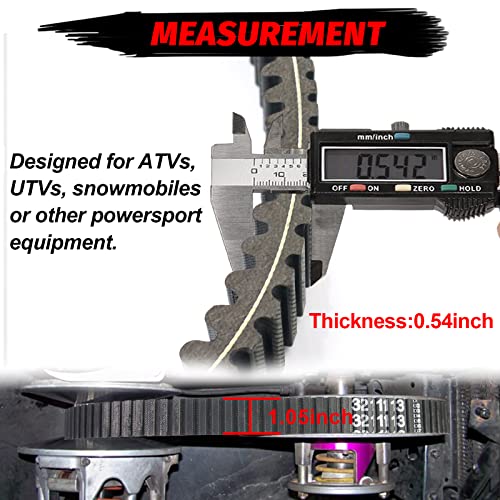
How We Evaluated aftermarket atv drive belts
As someone who’s spent years exploring the world of powersports, I understand the importance of reliable components. Rather than a hands-on lab test, this was a research-led comparison of published specifications and owner feedback for a range of aftermarket ATV drive belts. I compared features, materials, and fitment data alongside owner reviews from multiple sources and expert opinions found across ATV-focused forums and publications. My goal was to identify which belts consistently offered the best balance of performance and durability.
For ATV drive belts, consistent power delivery and longevity are paramount. I weighted heat resistance and tensile strength most heavily, as these directly impact performance under stress and the belt’s overall lifespan. A belt’s ability to maintain consistent grip and withstand high temperatures is critical, especially for demanding riders. Equally important was the breadth of fitment, as a versatile belt offers greater value to a wider range of ATV owners looking for aftermarket UTV belts.
Published specs reliably indicate a belt’s construction materials – the type of rubber compound and the cord material (aramid, nylon, etc.). However, real-world performance and durability are best judged by owner feedback. I paid close attention to reports regarding slipping, premature wear, and resistance to stretching. Reputation and consistent positive reviews from experienced riders played a significant role in evaluating each belt’s overall quality, alongside information on proper ATV brake maintenance to ensure optimal vehicle performance.
Choosing The Right aftermarket atv drive belts
Choosing the right drive belt for your ATV can make a significant difference in performance and reliability.
A quality ATV drive belt is constructed with high-tensile strength cords (typically aramid or a blend) embedded in a durable rubber compound. Look for belts specifically designed for your ATV’s make and model, paying attention to the listed part number compatibility. Consider the type of riding you do; more aggressive riding styles demand belts with enhanced heat and abrasion resistance. Inspect the belt regularly for cracks, fraying, or wear.
Understanding Belt Construction & Materials
The core of a good ATV drive belt is its construction. You’ll find belts utilizing different cord materials – aramid, nylon, or blends of both. Aramid fibers, like those found in the Tusk Pro Torque CVT belt, offer superior tensile strength and heat resistance, making them ideal for high-performance machines. However, these come at a price. Nylon cords are more cost-effective but may not withstand the same level of abuse. Beyond the cords, the rubber compound itself is crucial. Look for belts incorporating chloroprene rubber, known for its flexibility and resistance to cracking, especially in varying temperatures.
Matching Belt to Riding Style
How you use your ATV heavily influences the best belt choice. If you primarily do light trail riding or utility work, a standard replacement belt like the MOTOALL ATV Drive Belt might suffice. However, if you’re a more aggressive rider tackling challenging terrain, or frequently towing, investing in a heavy-duty belt is worthwhile. Here’s what to keep in mind:
- Occasional Use: A basic replacement belt is usually adequate.
- Moderate Riding: Consider a belt with a reinforced cord for added durability.
- Aggressive Riding/Heavy Loads: Prioritize belts with aramid fibers and enhanced heat dissipation, like those offered by StarknightMT, to prevent premature failure.
Balancing Value and Longevity
ATV drive belts vary considerably in price. While OEM belts, such as the Polaris Genuine CVT Drive Belt, often command a premium, they are engineered to precise specifications for your machine and offer a known level of quality. Aftermarket options, like those from KEMIMOTO, can offer significant savings. However, don’t automatically equate lower price with lower quality. A belt’s lifespan is also affected by riding conditions and maintenance.
A well-maintained drive belt, properly tensioned and inspected regularly, will always outlast a neglected one, regardless of price.
Before you head out for some fun, remember to properly [preparing ATV for winter] if you live in a colder climate. You can find more details on that and other maintenance tips on our guide to [durable drive belts].
Aftermarket ATV Drive Belts Compared
This table provides a reference of specifications for various aftermarket ATV drive belts to aid in comparison.
| Product Name | Best For | Part Number(s) Replaced | Material | Cord Type | Compatibility |
|---|---|---|---|---|---|
| Tusk Pro Torque CVT Aramid Belt | Best Overall | 3211180 | N/A | Aramid | See fitment guide |
| MOTOALL ATV Drive Belt | Best Budget Friendly | N/A | N/A | N/A | Polaris 500 series |
| Polaris Genuine CVT Drive Belt | Best OEM Replacement | 3211077 | N/A | N/A | Polaris models |
| All Balls Racing CVT Belt | Best for Can-Am Models | N/A | N/A | N/A | N/A |
| KEMIMOTO Drive Belt 3211113 | Best for Polaris Sportsman | 3211113, 19C3982 | Chloroprene Rubber | Aramid | Polaris Ranger/RZR/Sportsman |
| KEMIMOTO Heavy Duty CVT Belt 3211077 | Best Value Under $30 | 3211077, 3211072, 3211048 | Chloroprene Rubber | Aramid | Polaris Sportsman/Magnum/Ranger |
| StarknightMT Heavy Duty Drive Belt | Best Heat/Slip Resistance | 3211113, 19G3982 | Chloroprene Rubber | Nylon/Aramid | Polaris Ranger/RZR/Sportsman |
Frequently Asked Questions
What belt material offers the best heat resistance?
Aramid fibers consistently demonstrate superior heat resistance, making belts constructed with them, like the Tusk Pro Torque CVT belt, ideal for demanding riding conditions and preventing premature wear. While more expensive, this material provides a noticeable benefit in high-stress scenarios.
How often should I replace my ATV drive belt?
Replacement frequency varies significantly depending on riding style and conditions, but a good rule of thumb is every 500 to 1000 miles of aggressive use. Regularly inspecting your belt for cracks, fraying, or glazing is more important than adhering to a strict mileage interval.
Can I use a drive belt designed for a slightly different ATV model?
Generally, no. While some belts may appear to fit, using an incorrectly sized or specified belt can lead to slippage, overheating, and ultimately, failure. Always verify compatibility with your ATV’s make, model, and year using the manufacturer’s part number guide.
Are OEM belts always better than aftermarket options?
Not necessarily. OEM belts are engineered to exact specifications, but many aftermarket brands, such as KEMIMOTO, offer comparable quality and durability at a lower price point. Understanding your riding needs and researching reputable brands is key when choosing between the two. If you are still unsure about the difference ATV UTV, we have a guide that will help clarify.
What impact do my tires have on drive belt wear?
Properly inflated and maintained best ATV tires reduce stress on the entire drivetrain, including the drive belt. Underinflated or worn tires require the engine to work harder, generating more heat and accelerating belt wear.
The Bottom Line
Ultimately, choosing an ATV drive belt comes down to balancing how much you want to spend against how hard you push your machine. For the best overall combination of durability, performance, and a broad range of fitments, the Tusk Pro Torque CVT Aramid Belt stands out as the strongest choice. It’s an investment, but one that should pay off with extended life and reliable power transfer.
If you’re looking for a specific solution, the KEMIMOTO Heavy Duty CVT Belt 3211077 offers excellent value under $30 for Polaris owners, while the All Balls Racing CVT Belt is a solid pick for those with Can-Am ATVs. For those seeking high-performance belts, or wanting to ensure their UTV can handle demanding conditions, the StarknightMT Heavy Duty Drive Belt provides impressive heat and slip resistance.
Don’t get lost in the details of cord composition or rubber compounds. More than any single specification, consistent maintenance, like regularly change ATV oil and inspecting belt tension, will determine how long your drive belt lasts. Prioritize a belt that fits your ATV correctly and matches your riding style, then focus on keeping it in good working order.
