
10 Best Back Booster Car Seats in 2026
This post contains affiliate links. As an Amazon Associate, we earn from qualifying purchases.
The Graco TurboBooster 2.0 Highback & Backless Booster is our Best Overall pick because it converts from highback to backless, adjusts easily, and keeps the car tidy with hideaway cup holders. For flame-retardant-free materials, the Chicco KidFit ClearTex Plus is a top choice. Families needing a harness-to-booster transition should look at the Chicco MyFit.
The real challenge with back booster seats is finding one that fits your car, your child, and your lifestyle. You need a seat that positions the belt correctly, adjusts as your child grows, and doesn’t make every car ride a wrestling match with buckles and straps.
This guide is based on manufacturer specifications, expert round-ups, and patterns in owner feedback. We focused on fit, ease of use, safety features, and long-term value to help you find the right booster without the guesswork.
Top 10 Back Booster Car Seats in the Market
Certain content that appears on this site comes from Amazon. This content is provided "as is" and is subject to change or removal at any time.
The Best Back Booster Car Seats, Reviewed
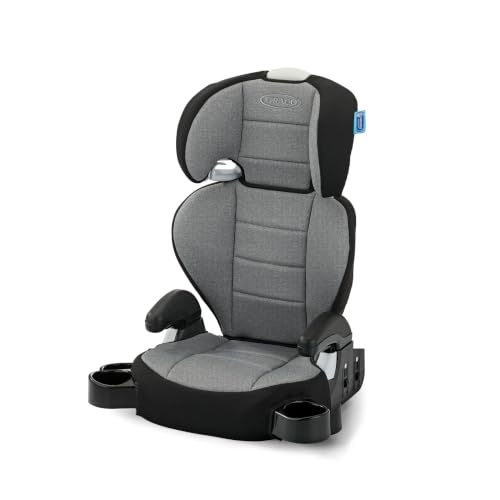
Graco TurboBooster 2.0 Highback & Backless Booster
What We Like
- 2-in-1 highback and backless modes
- Height-adjustable headrest and armrests
- Hideaway cup holders save space
- Open-loop belt guides for easy buckling
Trade-offs
- No LATCH system for secure attachment
Weighing just 7.7 pounds, this booster is light enough to toss into a trunk or swap between cars without breaking a sweat. It works as both a highback and a backless seat, so it adapts as your child grows from age 4 up to 100 pounds. The height-adjustable armrests and head support let you tweak the fit over the years, and the open-loop belt guides make it easy for kids to buckle themselves in. It’s a simple, practical seat that focuses on getting the basics right.
The open-loop belt guides make proper seat belt positioning straightforward, and the hideaway cup holders keep the cabin tidy when not in use. Compared to the Chicco KidFit ClearTex Plus, which weighs 10 pounds, the Graco is lighter and easier to move. For families who value portability and a clean, simple setup, this booster delivers exactly what you need.
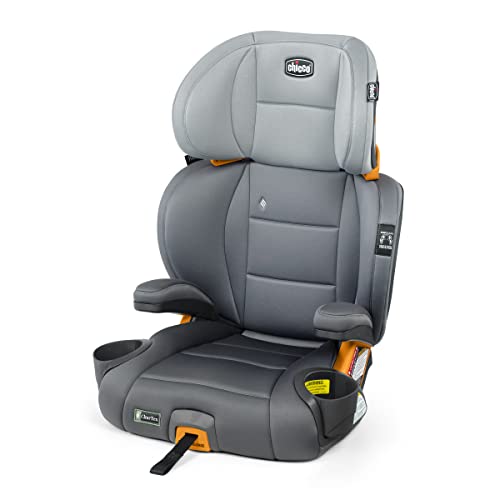
Chicco KidFit ClearTex Plus 2-in-1 Booster
What We Like
- Flame retardant-free ClearTex fabric
- Quick-release LATCH for easy transfer
- Removable, machine-washable fabrics including armrests
- 2-position recline and 10-position height adjustment
Trade-offs
- At 10.0 lb, heavier than some lightweight boosters
- No harness mode: belt-positioning booster only
- Wider than some slim-fit competitors at 18.8 inches
Few boosters skip flame retardant chemicals entirely while still meeting federal flammability standards, so the Chicco KidFit ClearTex Plus is a clear choice for anyone wanting to reduce additives in their child’s car seat. The DuoGuard head and torso protection uses a 10-position height adjustment from the waist instead of the neck, which makes it simpler to raise the support as your child grows. Quick-release LATCH and a SuperCinch one-pull tightener let you stabilize the seat and move it between vehicles with one hand, a real convenience for families sharing drop-offs or taking road trips.
The trade-off is that this is strictly a belt-positioning booster, so it won’t work for younger kids who still need a five-point harness. At 10 pounds, it’s noticeably heavier than the Evenflo GoTime LX (7.1 lb) if you’re constantly hauling it in and out. The 18.8-inch width is also a bit more than the Diono Connect3 R’s 16.3 inches, which matters if you’re trying to squeeze three seats across a mid-sized back row. Still, for the peace of mind that comes with flame-retardant-free materials and the convenience of a seat that’s easy to clean and adjust, this booster earns its place for health-conscious families.
Britax Skyline 2-Stage Belt-Positioning Booster

What We Like
- Two-stage highback and backless modes
- 10-position one-hand headrest adjustment
- Removable, washable cover
- Color-coded belt guides for easy use
Trade-offs
- At 11 pounds, heavier than some boosters
- No harness mode for younger children
The highback mode gives head and neck support for younger riders, then converts to a backless booster for bigger kids. Plush foam and built-in armrests add comfort on longer drives, and the color-coded belt guides take the guesswork out of proper positioning.
Weight and width are the main considerations here. At 11 pounds, this seat is heavier than the Evenflo GoTime LX (7.1 pounds), which matters if you’re swapping seats between cars or hauling it on trips. Its 19.5-inch width also makes three-across setups tighter than the Diono Connect3 R’s 16.3-inch profile. Still, for a family that values longevity over portability, the Skyline’s generous size range and two-stage design offer real value without sacrificing safety features like the foam-lined headrest and energy-absorbing shell.
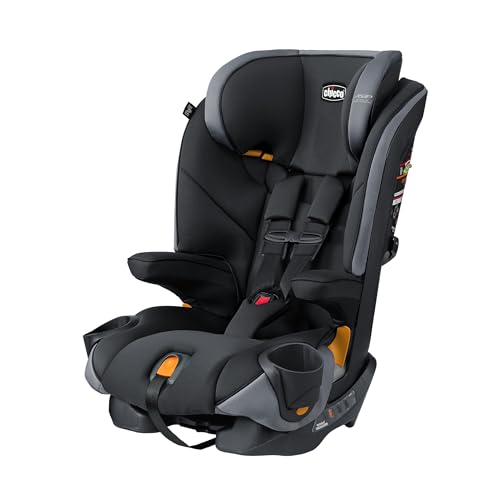
Chicco MyFit 2-in-1 Harness + High Back Booster
What We Like
- 2-in-1 harness and booster modes
- 9-position headrest for growing kids
- 4-position recline for comfort
- Slim design fits 3-across
Trade-offs
- At 25 lb, heavier than most boosters
A 2-in-1 seat that starts with a 5-point harness for toddlers and converts to a belt-positioning booster up to 100 pounds means you buy one seat and use it for years. The 9-position headrest and 4-position recline let you dial in a comfortable fit as your child grows, while the slim profile helps squeeze three seats across a backseat. This forward-facing car seat transitions from harness to booster without swapping gear.
This seat weighs 25 pounds, which is noticeably more than a dedicated booster like the Graco TurboBooster 2.0 at 7.7 pounds. Moving it between cars or hauling it on trips takes more effort. It also stays in high-back mode only, with no backless option. If you prioritize a single seat that covers harness and booster modes over portability, the MyFit fits that need. If you need something light for frequent swapping, the Graco is easier to handle.
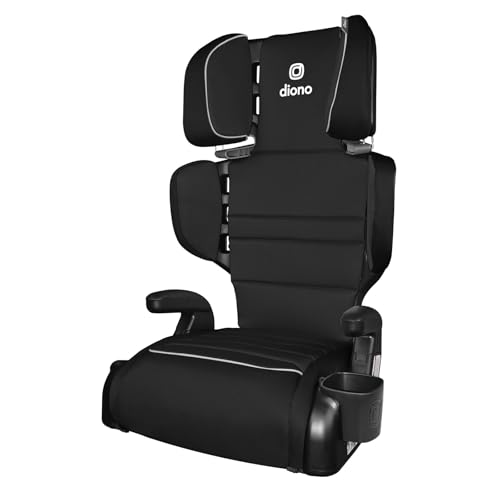
Diono Connect3 R 2-in-1 High Back Booster
What We Like
- 11-position adjustable head and backrest
- Converts to backless booster
- Removable cup holder nests between seats
Trade-offs
- At 14.5 lb, heavier than some boosters
- No harness mode, booster only from 40 lb
At just 16.3 inches wide, this booster solves the tight squeeze of fitting three kids across a mid-sized sedan or SUV backseat. The patented contour around the lap belt guides and EasyReach buckle access mean you won’t be fighting with buckles when loading everyone up. It’s a smart pick for families who need that third seat without giving up comfort, the 2-position reclining backrest and SleepyCheek ergonomic headrest let a dozing child stay supported on longer drives.
This seat weighs 14.5 pounds, which is more than the Evenflo GoTime LX at 7.1 pounds. Moving it between cars is more of a chore. And while it supports kids up to 120 pounds, it’s a booster only from 40 pounds, with no harness mode like the Chicco MyFit offers for younger riders. If your child is already booster-ready and you need that slim three-across fit, this Diono delivers where wider seats simply can’t.
Britax Grow with You Harness-2-Booster Car Seat

What We Like
- One-hand 9-point harness and headrest adjustment
- High-strength steel frame for durability
- Two recline positions for vehicle fit
- Stay-put harness pads prevent neck rubbing
Trade-offs
- At 23 pounds, heavier than many boosters
- No backless mode for older kids
The 9-point harness and headrest adjust with one hand and no rethreading, so you can dial in a snug fit as your child grows without wrestling with straps or taking the seat apart. That ease of adjustment is the core reason this seat suits parents who want a harness-to-booster transition that keeps up with growth spurts without hassle. The high-strength steel frame and two layers of energy management add serious structure, and the two recline positions help the seat sit well in different vehicles.
Weight and size are the main trade-offs here. At 23 pounds, this is a heavy seat to move between cars, and its 21-inch width makes it a tight fit for three-across setups compared to a slim booster like the Diono Connect3 R. If you need a lightweight seat for frequent swapping or a narrow profile for a crowded back row, this one will feel bulky. But for a family that installs it once and leaves it, the no-rethread harness and sturdy build make the extra heft worthwhile.
Product photos
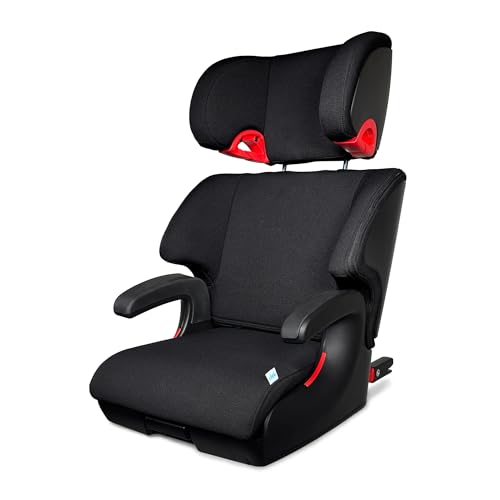
Clek Oobr High Back Booster Seat
What We Like
- Rigid-LATCH for stable collision protection
- Flame-retardant-free fabrics throughout
Trade-offs
- Narrower than some competitors at 18 inches wide
- No harness mode for younger children
The energy-absorbing foam in the headrest and the reclining back mean your child stays properly positioned and comfortable on longer drives, while the flame-retardant-free fabric removes a chemical concern many families have. This is the seat for someone who prioritizes crash safety above all else and is willing to carry a bit more weight in exchange for that confidence.
At 18 inches wide, this booster takes up more space across a vehicle’s back seat than many alternatives. The Graco TurboBooster 2.0, for example, measures 17 inches wide, and the Diono Connect3 R is only 16.3 inches wide. That extra width can make it challenging to fit three child seats side by side in a typical sedan or smaller SUV. Families who frequently transport multiple children may want to measure their rear seat width before purchasing.
Product photos
Evenflo GoTime LX Booster Car Seat

What We Like
- 2 modes: high back to backless
- 7-position one-hand height adjustment
- 2 built-in cup holders
Trade-offs
- Lower weight limit starts at 40 lb
The two-mode design grows with your child from a high-back booster to a backless one, and the seven-position headrest adjusts one-handed so you can dial in the right belt fit quickly as they grow. If portability and ease of handling are your top priorities, this seat delivers exactly that without cutting corners on basic safety features like deep side wings and overlapping head support.
The light weight comes with a simpler feature set. The padding is firmer than some competitors, which may matter on longer drives. But if you are a parent who values a seat you can actually lift with one hand and move between cars without groaning, the Evenflo GoTime LX is the pick that makes that daily hassle disappear.
Product photos
Baby Trend Hybrid SI 3-in-1 Combination Booster

What We Like
- 3-stage growth design adapts as kids grow
- Side-impact focused design for everyday rides
- Adjustable headrest tailors comfort over time
- Cushioned seating keeps rides comfortable
Trade-offs
- At 16.0 lb, heavier than many booster seats
- Heavier than the Graco TurboBooster 2.0 (7.7 lb)
A 3-in-1 combination booster that grows through harness and booster stages means you can buy one seat and keep it for years, not just a season. The side-impact focused design adds a layer of confidence for daily driving, while the adjustable headrest and cushioned seating help keep your child comfortable on longer trips. This is a seat built for families who want a single, durable solution that adapts as their child grows from harness to vehicle seat belt use.
This seat weighs 16 pounds, which is more than the Graco TurboBooster 2.0 (7.7 lb). That makes it less convenient to move between cars or to stow when not in use. For families who prioritize long-term use over portability, this seat delivers solid everyday value.
Product photos
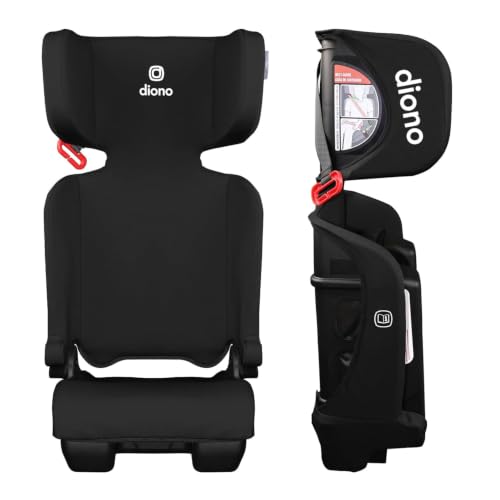
Diono Airi Travel High Back Booster Seat
What We Like
- Folds flat for travel and storage
- Weighs only 4.1 lbs for easy carrying
- Slim 3-across fit in most cars
- Removable machine-washable cover
Trade-offs
- No backless mode for older kids
- No LATCH or harness mode included
- Fits only up to 100 lbs and 57 in
At just 4.1 pounds and with a foldable frame, this booster is built to move between vehicles or stow away when not in use. That slim 13.4-inch width also means it can squeeze three across in many cars, a real help for families with multiple kids in the back seat. The precision belt guidance keeps the shoulder belt positioned correctly and prevents twisting, so you can buckle up quickly and head out the door without fuss. It’s a smart pick for anyone who regularly swaps cars, takes road trips, or needs to free up space when the seat isn’t needed.
At just 4.1 pounds, this booster is light enough to carry between cars without breaking a sweat, and it folds for storage when not in use. The trade-off is that it stays in high-back mode only, skipping the backless option some families prefer for older kids. It also lacks a harness stage and LATCH connectors, so it’s strictly a belt-positioning seat from the start. Compared to the Graco TurboBooster 2.0, which weighs 7.7 pounds, the Diono Airi is clearly the lighter choice for travel-focused families.
Product photos
How We Evaluated Back Booster Car Seats
Our evaluation combines manufacturer data, expert recommendations, and common themes from owner experiences. We did not conduct independent crash testing; our assessment is research-based and focuses on design, adjustability, and real-world usability.
The most important criteria were safety construction (including LATCH systems and belt guides), adjustability for growing children, weight and portability for moving between cars, and the overall fit in different vehicle types. We also considered whether a seat offers a harness mode for younger children or a backless mode for older kids.
A research-led evaluation has limits. We cannot replicate every vehicle seat configuration or guarantee a perfect fit for every car. We recommend checking your vehicle’s manual and the booster’s dimensions before purchasing, especially for three-across setups.
What To Look For In Back Booster Car Seats
The right back booster keeps your child safe and comfortable while fitting your car and your daily routine. Focus on the features that matter most for your situation.
Choose a booster that positions the lap belt low on the thighs and the shoulder belt across the chest, not the neck. Adjustable headrests and armrests help achieve this fit as your child grows.
Height and Weight Limits
Every booster has minimum and maximum limits. Most backless boosters start at 40 pounds, while highback models often start lower. Check the forward-facing weight limit if you plan to use a harness mode. The upper weight limit determines how long the seat will last, look for boosters rated to at least 100 pounds for extended use.
Installation and LATCH
Some boosters use LATCH to anchor the seat to the vehicle, which keeps it in place when empty and reduces movement during a crash. Others rely on the vehicle’s seat belt and the child’s weight to hold the seat secure. Rigid LATCH connectors offer a more stable connection than flexible straps. If you move the seat between cars frequently, a lighter booster without LATCH may be more convenient.
Adjustability and Comfort
A booster should grow with your child. Look for multiple headrest positions, adjustable armrests, and recline options. Padded seats and breathable fabrics improve comfort on longer rides. Removable, machine-washable covers make cleanup easier after spills and snacks.
- Measure your vehicle’s rear seat width before buying a slim-fit booster for three-across seating.
- Check that the booster’s belt guides are easy to reach and use, especially for children who buckle themselves.
- Consider the booster’s weight if you plan to move it between cars or take it on trips.
- Look for cup holders that fold away or nest between seats to save space in tight back seats.
- Verify that the booster’s seat depth matches your child’s leg length for proper thigh support.
A booster that fits well today might not fit well in six months. Choose one with generous adjustability to avoid buying another seat next year.
Back Booster Car Seats Compared
The table below compares the key specs and features of our top picks side by side, making it easy to see which booster fits your family’s needs.
| Product | Weight Range | Modes | Weight |
|---|---|---|---|
| Graco TurboBooster 2.0 Highback & Backless Booster | 40-100 lb | Highback & Backless | 7.7 pounds |
| Chicco KidFit ClearTex Plus 2-in-1 Booster | N/A | High Back & Backless | 10.0 Pounds |
| Britax Skyline 2-Stage Belt-Positioning Booster | 40-120 lbs | Highback and backless | 11.0 pounds |
| Chicco MyFit 2-in-1 Harness + High Back Booster | up to 100 lb | Harness & Booster | 25.0 pounds |
| Diono Connect3 R 2-in-1 High Back Booster | 40-120 lbs | N/A | 14.5 pounds |
| Britax Grow with You Harness-2-Booster Car Seat | N/A | Forward-facing harness + booster | 23.0 Pounds |
| Clek Oobr High Back Booster Seat | N/A | High Back & Backless | 20.0 Pounds |
| Evenflo GoTime LX Booster Car Seat | 40-120 lb | High back & no back | 7.1 pounds |
| Baby Trend Hybrid SI 3-in-1 Combination Booster | N/A | 3-in-1 harness & booster | 16.0 pounds |
| Diono Airi Travel High Back Booster Seat | 40-100 lbs | N/A | 4.1 lbs |
Frequently Asked Questions
When can my child switch from a harness to a back booster?
Most children are ready for a belt-positioning booster between ages 4 and 7, but the key factor is size, not age. Your child should be at least 40 pounds and mature enough to sit properly without slouching or playing with the seat belt. Check your booster’s minimum weight and height requirements before making the switch.
Can I use a back booster in a car without headrests?
Highback boosters provide their own head support and can be used in vehicles without headrests. Backless boosters require a vehicle headrest or seat back that is tall enough to support the child’s head. Always check the booster’s manual and your vehicle’s owner manual for compatibility.
How do I clean a back booster car seat?
Most boosters have removable, machine-washable covers. Remove the cover and wash it on a gentle cycle with mild detergent, then air dry. Wipe down the plastic shell and harness straps with a damp cloth. Avoid soaking the harness straps or using harsh chemicals that could weaken the fibers.
What is the difference between a highback and backless booster?
A highback booster provides head and side support, which is important in vehicles without adjustable headrests or with low seat backs. It also helps position the shoulder belt correctly. A backless booster is more portable and easier to store but requires a vehicle headrest for proper belt positioning. Many boosters convert between both modes.
How long can my child use a back booster seat?
Children should use a booster until the vehicle’s seat belt fits properly without it, typically when they reach 4 feet 9 inches tall and are between 8 and 12 years old. The seat belt should lie across the upper thighs, not the stomach, and across the shoulder, not the neck or face. Check your booster’s maximum height and weight limits.
The Bottom Line
For most families, the Graco TurboBooster 2.0 offers the best balance of adjustability, portability, and ease of use. Its 2-in-1 design and hideaway cup holders make it a practical choice for daily driving and occasional car swaps.
If you need a harness-to-booster transition seat, the Chicco MyFit is the right pick. For a lightweight travel booster, the Diono Airi folds flat and weighs just over 4 pounds. Parents who prioritize flame-retardant-free materials should choose the Chicco KidFit ClearTex Plus.
The single most important factor in choosing a booster is proper belt fit. No matter which seat you buy, make sure the lap belt sits low on the thighs and the shoulder belt crosses the chest. A booster that doesn’t fit correctly won’t protect your child as intended.
