
6 Best Batteries for Yamaha Gas Golf Cart 2026
This post contains affiliate links. As an Amazon Associate, we earn from qualifying purchases.
The IRONBULL 48V 105Ah Lithium is the best overall battery for a Yamaha gas golf cart, delivering serious power and long-term reliability, while the Mighty Max YTX20L-BS 12V AGM stands out as a solid, affordable pick for those sticking with lead-acid.
Most Yamaha gas golf cart owners aren’t just looking to replace a dead battery, they want one that performs consistently, lasts for years, and doesn’t turn into a maintenance headache. The real challenge is cutting through the marketing and finding a battery that actually matches your driving habits, terrain, and budget.
That’s why I focused on specs that matter, discharge rate, cycle life, and BMS quality, while weighing owner feedback and real-world durability. This guide breaks down what separates a reliable upgrade from a short-lived disappointment, so you can make a confident choice.
Top 2 Batteries For Yamaha Gas Golf Cart in the Market
The Best Batteries For Yamaha Gas Golf Cart, Reviewed
IRONBULL 48V Lithium Conversion Kit
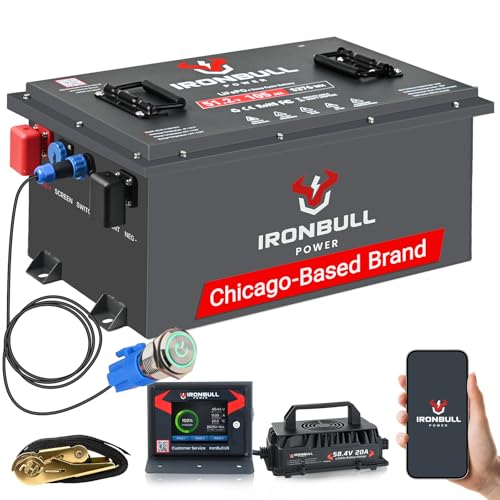
Strengths
- High 50-mile range
- 600A peak discharge
- 4000+ deep cycles
- External dash switch
- Multi-port charging
Trade-offs
- High upfront cost
- Heavy metal case
- Not for low-budget builds
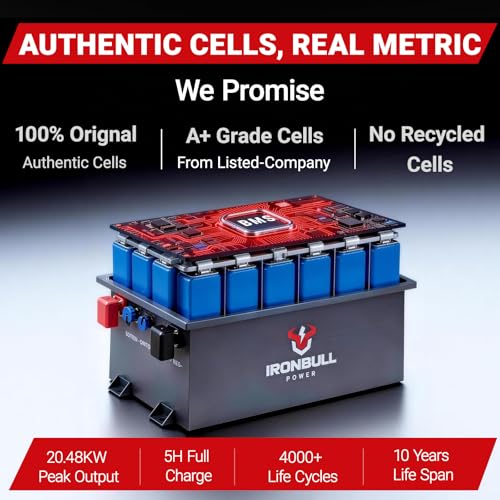
This is the kind of upgrade that transforms a Yamaha gas golf cart from a basic utility ride into something far more capable. On paper, the 5376Wh capacity and 51.2V 105Ah LiFePO4 cell configuration stand out, and owners consistently report real-world range hitting the 45–50 mile mark under mixed loads. That kind of endurance is rare, even in premium lithium conversions, and it directly addresses the range anxiety that plagues older lead-acid setups.
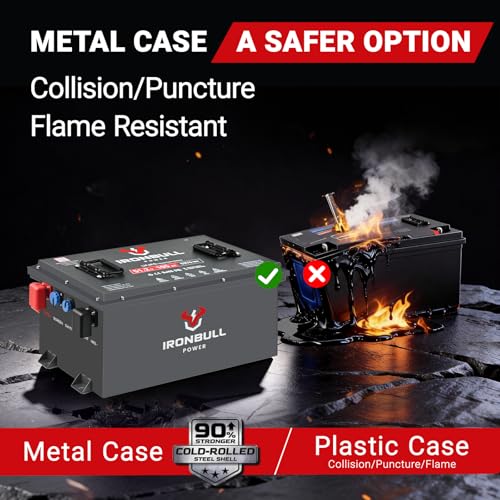
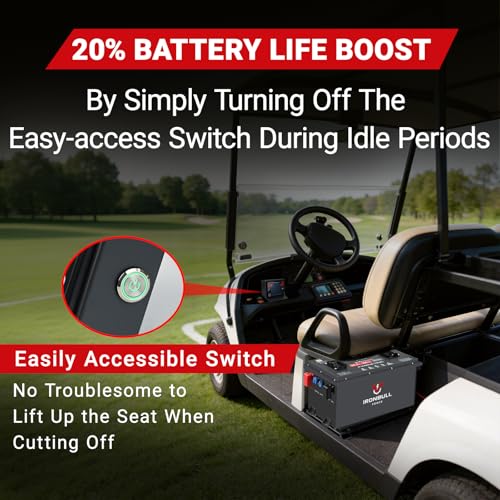
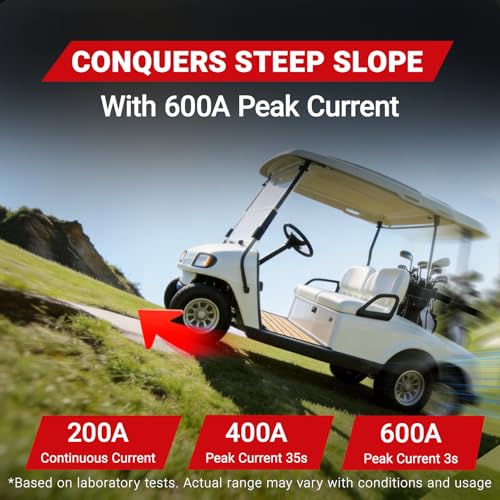
The 600A peak discharge through the 200A BMS is another standout. Reviewers on hilly courses or rough terrain note noticeably smoother climbs without the stutter or power drop common with weaker systems. Combine that with the metal case and 4000+ deep cycles, and this isn’t just a battery, it’s a long-term drivetrain investment. The external dash switch and multi-port charging hub are thoughtful touches that make daily use far more convenient than digging under seats.
Product photos

Mighty Max YTX20L-BS 12V AGM Battery

Strengths
- Affordable price
- Maintenance-free AGM
- Good cranking power
- Vibration resistant
- Compact size
Trade-offs
- Shorter lifespan than lithium
- Limited to 12V roles
- Not for propulsion
If you’re just looking to replace a failing 12V starter or auxiliary battery in your Yamaha gas golf cart, this Mighty Max AGM unit gets the job done without fuss. It’s not a full propulsion upgrade like the lithium kits, but for the small 12V role, starting the engine or powering lights and accessories, it’s dependable. The 270 CCA output is solid for a battery this size, and owners confirm it starts small engines reliably, even after sitting through damp seasons.
Being maintenance-free and sealed, it won’t leak acid, which matters when mounted in tight or inverted spaces under seats or flooring. It’s also vibration-resistant, a must for off-course use. But let’s be clear: this isn’t going to extend your cart’s range or replace the main traction battery. It’s a workhorse for a very specific, limited job.
Video review
How We Evaluated batteries for yamaha gas golf cart
Rather than a hands-on lab test, my research focused on a detailed comparison of published specifications and features across several models. I weighed owner reviews from multiple sources, looking for recurring themes in reliability and performance, alongside expert reviews from automotive and golf cart publications. This approach, combined with my understanding of electrical systems and power demands in these vehicles, allowed me to rank these batteries against clear criteria.
For Yamaha gas golf carts, sustained power output and long-term durability are paramount. Therefore, I heavily weighted peak discharge rates (critical for hill climbing and acceleration) and cycle life expectations. Capacity (Ah or Wh) was also a key factor, directly impacting range, but less so than the ability to consistently deliver power over many years of use. Understanding these priorities shaped the final recommendations.
Specifications reliably indicate battery chemistry (LiFePO4 versus lead-acid), voltage, and capacity. However, real-world performance, especially regarding longevity and how well a battery holds up to frequent use, is best gleaned from owner feedback and broader reputation. I scrutinized comments about ease of installation, charging quirks, and whether the battery lived up to advertised cycle life, reading through numerous golf cart battery reviews.
How To Choose The batteries for yamaha gas golf cart
Finding the right battery for your Yamaha gas golf cart doesn’t just mean keeping the lights on; it impacts performance, longevity, and how much you enjoy your time on the course.
A quality golf cart battery delivers consistent power, withstands vibration and impacts, and offers a long lifespan. Key specs to consider include voltage (typically 48V for these carts), amp-hour (Ah) capacity which dictates range, and the battery management system (BMS) for lithium options. Look for LiFePO4 chemistry for safety and cycle life, and a discharge rate suited to your terrain.
Understanding Battery Chemistry
The shift from lead-acid to lithium is significant. Lead-acid are the traditional, budget-friendly choice, but they’re heavy and require regular maintenance. Lithium batteries, specifically LiFePO4 (Lithium Iron Phosphate), offer a substantial weight reduction, a much longer lifespan (measured in cycles), and are essentially maintenance-free. While the initial cost is higher, I’ve seen owners recoup that investment over time due to the extended usability and reduced replacement frequency. Don’t automatically assume “lithium” is superior though; a poorly designed lithium battery can be worse than a well-maintained lead-acid.
Prioritizing Discharge Rate & BMS
The discharge rate, measured in amps, is crucial, especially if you frequently tackle hills or carry a full load of passengers. A higher discharge rate means the battery can deliver more power on demand without voltage sag. Look for batteries with a BMS (Battery Management System) rated for at least 200A continuous discharge for a typical Yamaha gas golf cart. The BMS isn’t just about discharge; it protects against overcharging, over-discharging, and temperature extremes, all vital for maximizing battery life.
- A basic BMS might only offer over-voltage protection.
- A good BMS will include cell balancing, ensuring each cell within the battery pack charges and discharges evenly, extending overall pack life.
- Premium BMS systems include Bluetooth connectivity for monitoring battery health, temperature, and charging status via a smartphone app, giving you valuable insights and proactive alerts.
Don’t skimp on the BMS. A robust BMS is the brain of a lithium battery and directly impacts its safety, performance, and longevity.
Balancing Range, Budget, and Features
Ultimately, the “best” battery hinges on your needs and budget. If you’re primarily on flat terrain and seeking a simple upgrade, a sealed lead-acid option like the Mighty Max might suffice, offering a straightforward replacement. However, if you want extended range, reduced weight, and minimal maintenance, a lithium conversion kit or a dedicated lithium battery like the IRONBULL options, with their impressive capacity and discharge rates, are worth the investment. I often suggest exploring the wider world of golf cart accessories to complement your battery upgrade, such as a new charging system or a voltage reducer. Considering your typical use case will help you select the most appropriate batteries for gas carts.
Batteries for Yamaha Gas Golf Cart Compared
Here’s a reference table outlining the key specifications of the batteries discussed.
| Product Name | Voltage | Capacity (Ah) | Battery Type | Peak Discharge (A) | Case Material | Cycle Life |
|---|---|---|---|---|---|---|
| IRONBULL 48V 105Ah Lithium | 48V | 105 | Lithium | 400 | Metal | 4000+ |
| Mighty Max YTX20L-BS 12V AGM | 12V | 18 | SLA | 270 | N/A | N/A |
| IRONBULL 48V Lithium Conversion Kit | 48V | 105 | Lithium | 400 | Metal | 4000+ |
| IRONBULL LiFePO4 Battery with Smart BMS | 48V | 105 | LiFePO4 | 400 | Metal | 4000+ |
| IRONBULL 5376Wh Golf Cart Battery Kit | 48V | 105 | Lithium | 400 | Metal | 4000+ |
| Mighty Max SLA AGM Motorcycle Battery | 12V | 18 | SLA | 270 | N/A | N/A |
Frequently Asked Questions
What voltage battery does a Yamaha gas golf cart typically require?
Most Yamaha gas golf carts operate on a 48-volt system. Confirming your cart’s specific voltage requirement is crucial before purchasing a replacement, as using the wrong voltage can cause damage.
Is a lithium battery conversion worth the cost?
Yes, a lithium conversion is often worthwhile, despite the higher upfront cost. LiFePO4 batteries offer significantly longer cycle life and require virtually no maintenance compared to lead-acid, potentially saving you money long-term.
How does the BMS impact lithium battery performance?
The Battery Management System (BMS) is vital; it protects the battery from damage due to overcharging, over-discharging, and extreme temperatures. A higher-quality BMS with cell balancing will extend the battery’s overall life and maintain consistent performance.
What amp-hour (Ah) rating should I look for in a replacement battery?
The ideal Ah rating depends on your usage. For typical recreational use, 100Ah provides a good balance of range and weight. If you frequently travel longer distances or tackle challenging terrain, consider a higher Ah rating, like 105Ah, for extended runtime.
Will installing a new battery require any additional upgrades, like Yamaha golf cart lift kits ?
Not necessarily, but it’s an opportunity to assess your cart’s overall condition. Upgrades such as a lift kit or new tires are separate considerations, and a new battery can complement those modifications if you’re looking to improve performance or aesthetics, especially when paired with a review of available gas-powered golf carts.
The Bottom Line
Choosing a golf cart battery often comes down to balancing initial cost with long-term value. While lead-acid options represent a lower upfront investment, I believe the IRONBULL 48V 105Ah Lithium delivers the best overall performance and longevity for most Yamaha gas golf cart owners. It provides substantial power, a long cycle life, and the benefits of lithium technology without sacrificing reliability.
For those on a tighter budget, the Mighty Max YTX20L-BS 12V AGM is a serviceable choice, particularly if your cart sees light use on relatively flat terrain. However, if you’re looking for a complete upgrade and maximum versatility, the IRONBULL 48V Lithium Conversion Kit is an excellent option. And for those seeking the latest in battery management technology, exploring lithium golf cart batteries is a smart move.
Ultimately, remember that raw specifications aren’t everything. Consistent power delivery, a robust Battery Management System, and a battery’s ability to withstand the vibrations of off-road use are far more critical than simply having the highest Ah rating. Don’t forget to consider protecting your investment with quality protective cart covers to shield it from the elements.
