
8 Best Bike Stems in 2026
This post contains affiliate links. As an Amazon Associate, we earn from qualifying purchases.
The Ritchey Comp 4-Axis Adjustable Stem is our best overall pick because its flippable ±30° angle lets you dial in handlebar height and reach for a more comfortable ride. That range gives you either an upright position or a lower drop. For riders who need even more fine-tuning, the Ritchey Adjustable 4-Axis offers a ±55° range. The Race Face Ride Mountain Bike Stem is the top choice for those who want a strong, fixed-length forged aluminum stem.
Getting the right stem is one of the most impactful changes you can make to your bike’s fit. A stem that is too long, too short, or the wrong angle can lead to back pain, neck strain, or poor handling. We focused on stems that offer a range of materials, angles, and lengths to suit different riding styles and body types.
This guide is based on a thorough review of manufacturer specifications, material data, and patterns found in owner feedback across the cycling community. We evaluated each stem on its adjustability, construction quality, weight, and intended use case to help you choose with confidence.
Top 8 Bike Stems in the Market
Certain content that appears on this site comes from Amazon. This content is provided "as is" and is subject to change or removal at any time.
The Best Bike Stems, Reviewed
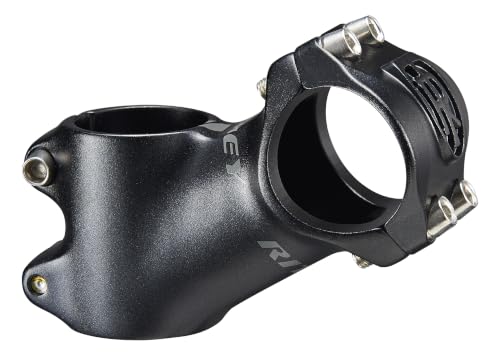
Ritchey Comp 4-Axis Adjustable Stem
What We Like
- Flippable ±30° angle for upright or dropped position
- 3D net forged 6061 aluminum with stainless bolts
- Angled steerer slot reduces stress on carbon steerers
- Includes matching top cap
Trade-offs
- 60mm length limits reach options for longer cockpits
- 136g claimed weight is for 90mm length, not the 60mm sold
A flippable plus or minus 30 degree angle lets you dramatically raise or lower your handlebars without swapping spacers or buying a new stem. That single feature makes this the go-to for anyone dialing in fit after a bike fit or recovering from an injury. The 60mm reach keeps the cockpit compact, and the 3D net forged 6061 aluminum with stainless steel bolts delivers pro-grade strength at a price that won’t break a weekend rider’s budget. It’s the kind of part that turns a bike that doesn’t quite fit into one that feels like it was built for you.
The trade-off is reach: at 60mm, this stem suits riders who want a shorter, more upright cockpit. If you need a longer stem for a stretched-out position, the Thomson X4 offers fixed-angle options in 110mm, but you lose the adjustability. The angled steerer clamp slot reduces stress concentration on carbon steerer tubes. For someone building a comfort-oriented commuter or fine-tuning a road bike’s fit, this stem gives you the range without the hassle.
Ritchey Adjustable 4-Axis Bike Stem
What We Like
- +/-55 degree angle range for fine-tuning
- 3D-Net forged 6061 alloy construction
- Stainless steel bolts resist corrosion
- Universal 31.8mm bar and 1-1/8″ steerer fit
Trade-offs
- Adjustable pivot adds complexity over a solid stem
- Adjustable mechanism adds weight compared to fixed stems
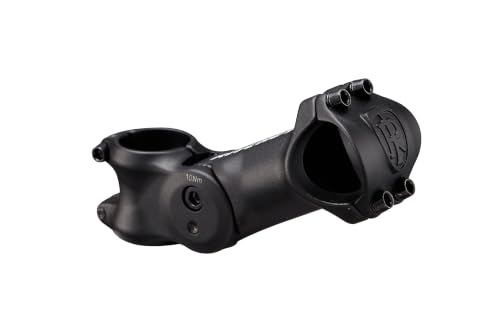
A +/-55 degree range of angle adjustability means you can raise or lower your handlebars dramatically without swapping stems or shuffling spacers. That kind of flexibility is rare, and it makes this Ritchey a one-stop solution for riders still dialing in their fit on a road, gravel, commuter or mountain bike. The 3D-Net forged 6061 alloy keeps weight reasonable while maintaining the strength needed for all-weather riding, and the stainless steel bolts hold up against corrosion ride after ride. If you value the ability to experiment with position over chasing every last gram, this stem gives you room to find what works.
The adjustable pivot introduces more parts than a solid stem, so if you already know your ideal handlebar height and reach, a fixed stem will save weight and reduce potential maintenance. But for anyone still tweaking their cockpit or building a bike that needs to serve multiple riding styles, the Ritchey Adjustable 4-Axis offers real hands-on adjustability that a standard stem simply cannot match.
Race Face Ride Mountain Bike Stem

What We Like
- Forged 6061 aluminum for strength
- Shot peened for fatigue resistance
- Four bolt bar clamp holds securely
Trade-offs
- Fixed 60mm length limits fit options
- No angle adjustability for custom positioning
Forged and shot peened from 6061 aluminum, this stem is built for strength and fatigue resistance at a reasonable weight. At 0.3 pounds, it’s light enough for a spirited mountain bike build, yet the four bolt bar clamp keeps your handlebars planted through rough terrain. This stem suits riders who want a fixed-length, no-adjustability design that relies on a traditional forging process for durability.
A 60mm length and fixed angle mean you’re choosing a stem that prioritizes simplicity over adjustability. For comparison, the Ritchey Comp 4-Axis offers a ±30 degree adjustment range if you need to fine-tune your cockpit. Owners who already know their preferred fit will find the Race Face Ride a straightforward option.
Thomson X4 Mountain Bike Stem

What We Like
- One-piece 7000 series aluminum billet
- Aerospace-grade precision machining
- Precision machined in Macon, Georgia
Trade-offs
- No angle adjustment (0-degree only)
- Heavier than some alloy stems at 0.5 lb
A solid, one-piece block of 7000 series aluminum, precision machined in Georgia to the same standards as aerospace parts, makes this stem exceptionally rigid and durable. That means aggressive trail riders get a steering connection that won’t flex or develop play over time, even under hard landings. The 0-degree rise keeps the bar low and steering direct, exactly what mountain bikers and cyclocross riders want for precise handling.
A fixed 0-degree stem locks you into one position, so if you need a different bar height or reach, this stem won’t help. The Ritchey Comp 4-Axis Adjustable Stem offers plus or minus 30 degrees of adjustment for the same 60mm length, but it uses a forged 6061 alloy and weighs less.
Thomson X4 Bicycle Stem

What We Like
- Precision engineered for tight tolerances
- Made from highest quality materials
- Tested for durability
- Ultra-light at 0.2 pounds
Trade-offs
- Fixed 0-degree angle limits fit adjustment
- No angle adjustability for customizing reach or rise
The trade-off comes with its fixed 0-degree angle and 110mm length. Unlike the Ritchey Adjustable 4-Axis Bike Stem, which offers an angle-adjustable design, this Thomson stem does not allow you to change the rise, so fit must be dialed in from the start. That makes this stem best for riders who already know their ideal position and want to drop grams without adding complexity. If you need angle adjustability, look at the Ritchey Adjustable 4-Axis instead.
Easton EA50 Stem
What We Like
- Lightweight 160 g aluminum build
- Standard ±7° angle for fine-tuning reach
- 70 mm length suits many road and MTB setups
- 31.8 mm bar clamp fits common handlebars
Trade-offs
- Fixed ±7° angle limits adjustability compared to adjustable stems
- No rise option for riders seeking a taller front end
- Only one length offered in this model range
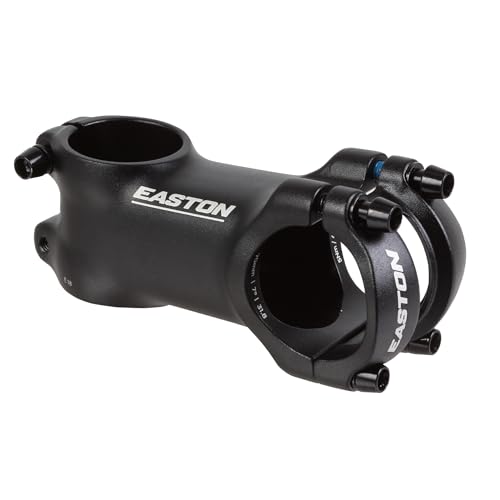
The fixed ±7° angle means you cannot change the angle on the fly, unlike the Ritchey Comp 4-Axis Adjustable Stem, which offers a range of angles. That added adjustability comes with more parts and weight. For cyclists who have their position dialed and prefer simplicity and low weight, this Easton stem provides a clean, fixed-angle option.
Product photos
CYSKY 31.8 Bike Stem

What We Like
- Ultra-short 35mm reach for upright position
- Lightweight 96g reduces front-end mass
- Sandblasted frosted finish resists wear
- Four-bolt bar clamp holds securely
Trade-offs
- 35mm length limits cockpit adjustment range
- Fixed +/-7 degree angle not adjustable
- No steerer tube spacer or hardware included
This stem measures 35mm in length, which brings the handlebars closer than a typical longer stem, making it a good choice if you need a more upright position or a shorter reach. The 96-gram weight keeps front-end mass low, and the 6061 T6 aluminum alloy construction provides strength without extra bulk. The sandblasted frosted finish is designed to resist wear and look clean, suiting a variety of bike types including mountain bikes, BMX, and road bikes used for commuting.
You get only one length and one fixed angle, with no ability to adjust the fit later. That +/-7 degree rise works well for most short-reach setups, but if you need a steeper or shallower angle, you will have to swap stems entirely. Compared to the Ritchey Comp 4-Axis Adjustable Stem, which offers a 60mm length and +/-30 degree angle, this CYSKY is a more specialized option for a specific fit need. It is best for riders who already know they want a short, lightweight stem and value that over adjustability.
Product photos
Easton EA90 Alloy Stem

What We Like
- Lightweight 0.3 lb alloy construction
- Standard 31.8mm bar clamp diameter
- Compatible with 1-1/8" steerer tubes
- Simple +/-7 degree rise adjustment
Trade-offs
- 50mm length limits reach adjustment options
- Fixed +/-7 degree rise less versatile than adjustable stems
- No retail packaging included with purchase
At 0.3 pounds, this stem is a lightweight alloy option that helps keep overall bike weight down, which is useful for riders focused on efficiency. The 50mm length and +/-7 degree rise provide a simple, fixed geometry that works well for someone who already knows their preferred fit and wants a no-fuss connection between bars and fork.
A 50mm length and fixed rise won’t work for everyone. If you need more reach or a steeper angle to dial in comfort, the Ritchey Comp 4-Axis Adjustable Stem offers a wider range of fit options. But for a rider who has already dialed their position and values light weight above all, this Easton delivers exactly what the specs promise.
Product photos
How We Evaluated Bike Stems
Our evaluation began with a deep dive into the technical specifications provided by manufacturers for each stem. We examined material composition, forging methods, and machining tolerances to understand the build quality of every model. That includes everything from the forged 6061 aluminum of the Race Face Ride to the aerospace-grade 7000 series billet of the Thomson X4.
We then established four key criteria that matter most for choosing a bike stem: adjustability (angle and length range), construction quality (material and manufacturing process), weight, and compatibility with common handlebar and steerer tube standards. These factors directly affect how well a stem improves your riding position and how long it will last.
Our findings are based on published data, expert round-ups from the cycling press, and consistent feedback from owners. This research-led approach gives you a reliable starting point for comparing stems, but we always recommend confirming fit and compatibility with your specific bike and handlebar setup.
What To Look For In Bike Stems
Choosing a stem means balancing reach, rise, and strength. The right stem transforms how your bike handles and how comfortable you feel on long rides.
Focus on stem length (reach), angle (rise or drop), steerer tube diameter, and bar clamp size. A stem that is shorter or steeper can completely change your center of gravity and weight distribution.
Stem Length and Angle
Stem length, measured in millimeters from the center of the steerer tube to the center of the handlebar clamp, directly affects your reach. A shorter stem brings the bars closer for a more upright position, while a longer stem stretches you out for a lower, more aerodynamic stance. Angle, expressed in degrees, determines the rise or drop of your handlebars relative to the steerer tube. A positive angle raises the bars, while a negative angle drops them.
Material and Construction
Most quality stems are made from 6061 or 7000 series aluminum. Forged aluminum stems, like the Race Face Ride, are shot peened for fatigue resistance and offer excellent strength-to-weight ratios. Machined billet stems, like the Thomson X4, are cut from a single block of aircraft-grade aluminum for maximum precision and durability. Stainless steel bolts resist corrosion, a key detail for riders in wet or salty conditions.
Weight and Compatibility
Weight matters for performance-minded cyclists, but it should never be the only factor. A stem that is too light for your riding style may flex or fail. Always check that the stem’s steerer tube diameter (typically 1-1/8 inch) and bar clamp size (most commonly 31.8mm) match your bike’s fork and handlebars. Some stems include a matching top cap, which is a helpful bonus.
- Measure your current stem length and angle before shopping.
- Confirm your steerer tube diameter and bar clamp diameter.
- Decide if you need adjustability to experiment with fit or a fixed stem for a known position.
- Check the steerer slot design if you have a carbon steerer tube to avoid stress risers.
A good rule of thumb: changing stem length or angle by a small amount will make a noticeable difference in your reach and handlebar height.
Bike Stems Compared
The table below compares the key specs and features of our top picks, from the versatile Ritchey Comp 4-Axis to the ultra-light Thomson X4 Bicycle Stem.
| Product | Length | Angle | Bar Clamp | Material | Weight |
|---|---|---|---|---|---|
| Ritchey Comp 4-Axis Adjustable Stem | 60mm | ±30 degrees | 31.8mm | 3D net forged 6061 aluminum | 136g (90mm length) |
| Ritchey Adjustable 4-Axis Bike Stem | 90mm | +/-55 degrees | 31.8mm | 3D-Net forged 6061 alloy | 0.5 pounds |
| Race Face Ride Mountain Bike Stem | 60mm | N/A | N/A | 6061 aluminum | 0.3 pounds |
| Thomson X4 Mountain Bike Stem | 60mm | 0-Degree | 31.8mm | 7000 series aluminum | 0.5 pounds |
| Thomson X4 Bicycle Stem | 110mm | 0-Degree | 31.8mm | Aluminum | 0.2 Pounds |
| Easton EA50 Stem | 70 mm | ±7° | 31.8 mm | Aluminum | 160 g |
| CYSKY 31.8 Bike Stem | 35mm | +/- 7 Degree | 31.8mm | 6061 T6 aluminum alloy | 96g (0.21lb) |
| Easton EA90 Alloy Stem | 50mm | +/-7 Deg | 31.8mm | Alloy | 0.3 Pounds |
Frequently Asked Questions
What does the angle of a bike stem do?
The angle of a stem controls the height of your handlebars relative to the steerer tube. A stem with a positive angle (like +7°) raises the bars, putting you in a more upright position. A negative angle (like -7°) drops the bars for a more aggressive, aerodynamic posture. Adjustable stems let you experiment with a wide range of angles.
How do I know what length bike stem I need?
Stem length affects your reach to the handlebars. If you feel stretched out or have lower back pain, a shorter stem may help. If you feel cramped or the front wheel feels twitchy, a longer stem may add stability. A good starting point is to measure your current stem and adjust in small increments based on how the bike feels.
Are adjustable bike stems as strong as fixed stems?
Quality adjustable stems from reputable brands like Ritchey are built to be durable for their intended use. However, the pivot mechanism adds complexity and weight compared to a fixed, one-piece stem. For aggressive riding like downhill mountain biking, a fixed forged or billet stem is generally preferred for maximum strength and simplicity.
What is the difference between a 31.8mm and a 35mm stem?
The number refers to the diameter of the handlebar clamp. A 31.8mm stem is the most common standard, fitting the vast majority of road, mountain, and gravel handlebars. A 35mm stem is a newer, stiffer standard often found on modern mountain bikes. You must match the stem clamp size to your handlebar diameter.
Can I use a mountain bike stem on a road bike?
You can, as long as the steerer tube diameter and handlebar clamp diameter match. Many mountain bike stems use a 31.8mm clamp, which is also common on road bikes. However, mountain bike stems often have a shorter length and a higher rise, which may put you in a more upright position than is typical for road riding.
The Bottom Line
For most cyclists, the Ritchey Comp 4-Axis Adjustable Stem is the best overall choice. Its flippable ±30° angle and quality construction make it ideal for riders who are dialing in their fit or building a bike for comfort. If you need an even wider range of adjustment, the Ritchey Adjustable 4-Axis is the pick for you.
Budget-conscious riders and mountain bikers should look at the Race Face Ride Mountain Bike Stem for its forged strength and reliable performance at a reasonable price point. Weight weenies who know their exact fit will appreciate the Thomson X4 Bicycle Stem, which adds almost nothing to the scale.
The single most important factor is compatibility: ensure the stem’s steerer diameter, bar clamp size, and intended angle range match your bike and riding style. A stem that fits correctly is the foundation of a comfortable and confident ride.
