
10 Best Car Rust Inhibitors in 2026
This post contains affiliate links. As an Amazon Associate, we earn from qualifying purchases.
For drivers serious about stopping corrosion, the Rust-Oleum Rubberized Undercoating Spray is the best overall car rust inhibitor. It combines a fast-drying, salt-blocking rubberized formula with an any-angle spray tip for easy underbody application. For those needing protection that lasts up to two years, the B’laster Surface Shield Rust Prevention Spray is a top choice. The Fluid Film Rust Inhibitor Kit offers the best value for reaching tight cavities.
A car rust inhibitor is only as good as its ability to block moisture, salt, and oxygen from reaching bare metal. The real challenge is choosing the right formula for the job: a thick rubberized coating for the underbody, a penetrating oil for cavities, or a self-healing wax for enclosed panels. Each type works differently, and using the wrong one can leave critical spots vulnerable.
This guide is based on a thorough evaluation of manufacturer specifications, expert application guides, and patterns found in owner feedback across hundreds of real-world uses. We break down the key differences between each product type to help you match the right inhibitor to your vehicle’s specific rust-prone areas.
Top 10 Car Rust Inhibitors in the Market
Certain content that appears on this site comes from Amazon. This content is provided "as is" and is subject to change or removal at any time.
The Best Car Rust Inhibitors, Reviewed
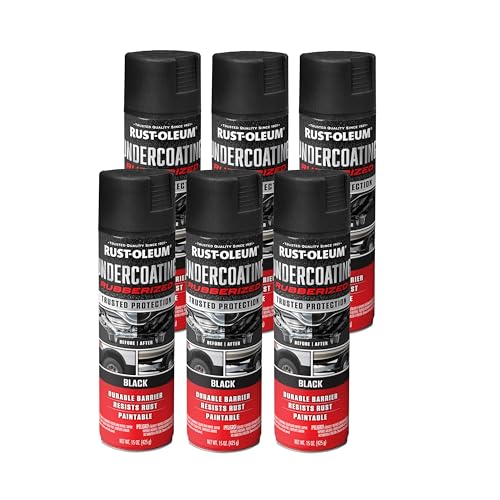
Rust-Oleum Rubberized Undercoating Spray
What We Like
- Rubberized formula blocks salt and water
- Dries in 30 minutes for fast application
- Sprays upside down with any-angle tip
- Covers 10-12 sq. ft. per can
Trade-offs
- Heavy six-pack adds storage weight
- Rubberized coating can be messy to remove
- Not designed for cavity or closed-frame use
A six-pack of this undercoating covers up to 10-12 square feet per can, so you can treat a car’s underbody in one go without extra trips. The rubberized formula protects against corrosion from water, salt, and other chemicals, which is useful for drivers in areas with road salt or coastal moisture. It dries to the touch in 30 minutes, letting you move on to other tasks the same day. The any-angle spray tip reaches awkward spots like wheel wells and frame rails without needing to twist the can. This is a straightforward option for a DIYer who wants durable coverage on exposed metal surfaces.
The rubberized coating dries to the touch in 30 minutes and covers up to 10-12 sq. ft. per can, so you can finish a whole underbody in a single afternoon. Once it sets, it creates a thick, sound-deadening layer that resists corrosion from water, salt, and road chemicals. That makes it ideal for broad, exposed surfaces like underbodies of cars, trucks, trailers, and RVs that take a constant beating from debris and salt. For tight spaces inside rocker panels or frame cavities, a cavity wax or lanolin spray may be easier to apply and less permanent, but this Rust-Oleum product delivers durable protection on open metal surfaces.
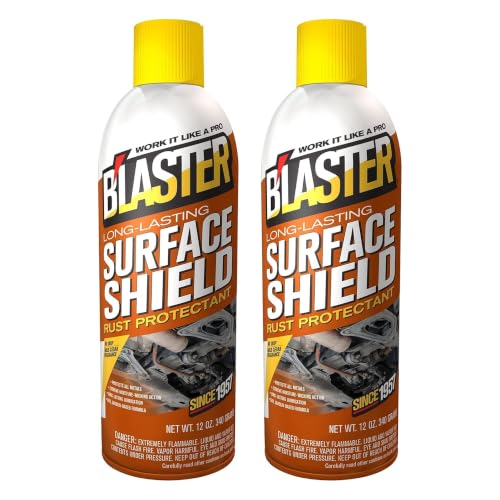
B'laster Surface Shield Rust Prevention Spray
What We Like
- Up to 2-year corrosion protection
- Thick lanolin coating resists dripping
- Withstands high-pressure washing
- Aggressively displaces moisture
Trade-offs
- Formula thickens in cold temperatures
- Requires thorough shaking before use
Up to two years of protection is the standout here, because it means you can apply this lanolin undercoating spray and then forget about rust for a long stretch. The thick coating clings to metal without sagging or dripping, making it a natural fit for automotive underbodies, exposed metal, and equipment that faces salt and moisture. It also aggressively displaces water, so even damp surfaces get sealed against corrosion. For anyone who wants a set-it-and-forget-it rust barrier that holds up through seasons and high-pressure washes, this is the one to reach for.
Up to two years of corrosion protection is what you get with this lanolin-based undercoating spray, which resists high-pressure washing so it stays put on exposed undercarriages. The formula can thicken in cold weather, so shaking the can thoroughly before use is necessary for even coverage. Compared to the Fluid Film Rust Inhibitor Kit, which also uses lanolin and comes with a wand for cavity work, this spray is better suited for large, exposed metal surfaces where durability against washing matters.
Product photos
CorrosionX Rust Inhibitor Aerosol

What We Like
- Forms moisture-blocking dielectric barrier
- Deep-penetrating for seized parts
- Safe on electronics and sensors
- Qualified by U.S. Navy
Trade-offs
- Aerosol can limits application in tight cavities
- No wand included for reaching deep frame rails
The dielectric film on this spray is rated over 39,000 volts, which means it can be used on battery terminals and sensors without causing shorts. The moisture-blocking barrier helps protect metal from rust and corrosion. That dual capability makes it especially valuable for anyone dealing with marine environments, coastal humidity, or vehicles that live near salt spray. The formula that earned U.S. Navy qualification also penetrates deep into rusted bolts and frozen fittings, so it works as both a preventive treatment and a freeing agent when corrosion has already set in.
Qualified by the U.S. Navy for advanced marine corrosion protection, this 16-ounce aerosol builds a lasting shield against rust and corrosion by forming a moisture-blocking dielectric barrier that molecularly bonds to metal surfaces and subsurfaces. It also delivers long-lasting, marine-grade lubrication that clings to metal like a magnet and resists pressure, friction, and washout. For open surfaces, underhood components, and exposed fasteners it is excellent, but if your main concern is sealing up hidden box sections, you may want a product designed for that specific job. Still, for a single can that handles rust prevention, lubrication, and electronic protection, it is hard to beat the versatility.
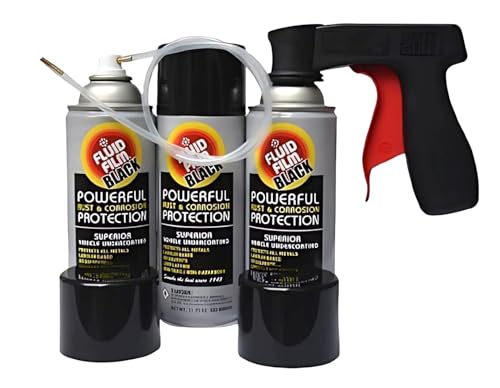
Fluid Film Rust Inhibitor Kit
What We Like
- Three 11.75 oz cans for extended coverage
- Extension wand reaches tight spots
- 360° spray nozzle for thorough application
- Eco-friendly, non-toxic lanolin formula
Trade-offs
- Three cans still limit large underbody jobs
- Non-drying coating attracts dust on exposed surfaces
The included spray can extension wand with a 360-degree nozzle lets you direct Fluid Film into rocker panels, frame rails, and door cavities without awkward contortions. That reach, combined with three 11.75 oz cans and a reusable Can-Gun trigger designed for easy grip, makes this kit purpose-built for someone who wants to protect hidden metal without fighting awkward angles. The lanolin-based formula penetrates deeply and forms a protective barrier, which helps resist rust and corrosion on metal parts exposed to harsh conditions.
When you need to protect cavities and tight spots from rust, the included spray can extension wand and three 11.75 oz cans give you the reach and volume to cover multiple areas without stopping to reload. The wand’s 360-degree spray pattern nozzle ensures you can direct the lanolin-based coating evenly inside frame rails, rocker panels, and door seams. Many owners find this combination far more convenient than buying separate cans and wands, since the kit keeps everything together and ready for a full undercoating session. The non-drying, slick consistency of the coating means it won’t become tacky over time. That helps it continue to lubricate and protect even in extreme weather conditions.
Product photos
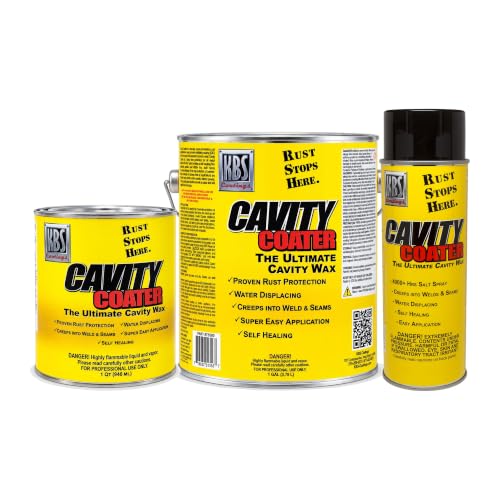
KBS Coatings Cavity Coater Aerosol
What We Like
- 4000+ hours salt spray protection
- Creeps into welds and seams
- Water displacing and self-healing
- Resists road salt and acid vapors
Trade-offs
- Requires cavity wand for deep reach
- Thick formula makes even application inside tight spaces slow
A 4000-plus-hour salt spray rating means this coating holds up against road salt and moisture far longer than most cavity treatments. It creeps into welds and seams that primers and topcoats can’t reach, so hidden rust pockets inside frame rails and rocker panels get sealed off. That makes it the right choice for anyone keeping a vehicle through snowy winters or coastal humidity, especially if you plan to hold onto the car for years.
A 4000+ hour salt spray rating means this coating is built for extreme, long-term rust protection, not just a quick fix. The thick, waxy formula does need a cavity wand to reach inside door sills and floor seams, making application a slower process than using a spray that flows freely. But for frame rails and rocker panels, that extra effort pays off with a self-healing, water-displacing barrier that resists road salt, steam, and chemical vapors.
WD-40 Specialist Corrosion Inhibitor

What We Like
- Blocks air and moisture from metal
- Precision straw for controlled application
- Non-drying formula stays where sprayed
- Industrial strength for extreme environments
Trade-offs
- 6.5 oz can is small for large underbody jobs
- Not intended for coating large surfaces like underbodies
Up to one year of outdoor protection against rust and corrosion means this spray works for metal parts left in the weather, but the duration drops to two years indoors. The non-drying formula stays where you spray it, blocking air and moisture to help prevent rust. The included straw delivers a precision stream for controlled application on bolt heads or frame seams without waste. This is a good choice for targeted protection on specific metal parts, not for coating large surfaces.
At 6.5 ounces, the can is small, so you will go through several if you are coating a full truck underbody or boat trailer. For that kind of job, a larger aerosol like the B’laster Surface Shield weighs 1.9 pounds, which suggests more product per can. But if your focus is precision protection on exposed metal parts, the WD-40 Specialist delivers industrial-strength performance in a package that fits in a tool box. The 50-state VOC compliance also means you can use it without worrying about local air-quality rules.
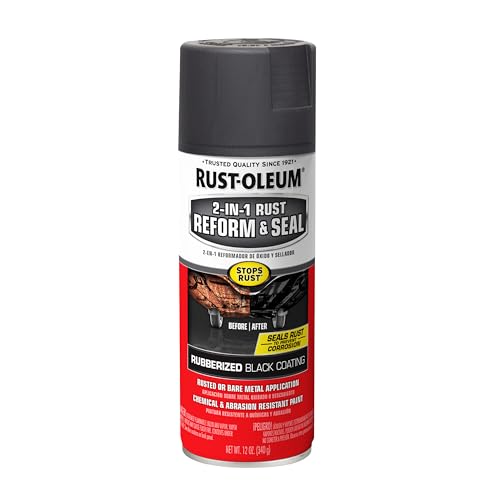
Rust-Oleum 2-in-1 Rust Reform Spray
What We Like
- 2-in-1 reform and seal
Trade-offs
- Rubberized coating can attract dust before fully cured
- Flat finish stands out on glossy panels
It dries to the touch in an hour and covers up to 13 square feet per can, so a quarter-panel or a set of frame patches can be done in an afternoon.
The trade-off is that flat black look: it works great on underbodies, wheel wells, and farm equipment. But if you’re touching up a glossy fender or a visible exterior panel, the matte texture will stand out. Best for hidden or functional areas where rust reform and sealing matter more than appearance.
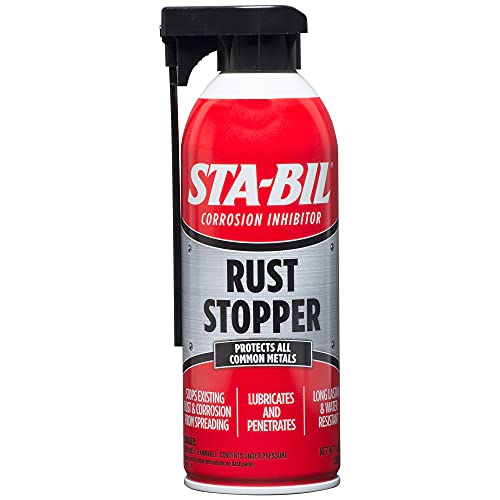
STA-BIL Rust Stopper Spray
What We Like
- Helps stop existing rust on contact
- Water-resistant formula protects against weather
- Works on battery terminals and metal parts
- Quick-acting corrosion inhibitor spray
Trade-offs
- Smaller can size limits large-area coverage
- Not designed for heavy underbody coating jobs
A 13-ounce spray that stops existing rust on contact and leaves a water-resistant protective layer makes this a natural fit for electrical connections and tight metal spots. The quick-acting formula targets corrosion the moment it hits the surface, which is exactly what you want around battery terminals where even a little buildup can cause starting trouble. The water-resistant coating also helps prevent weather-related squeaking and sticking, so it handles that job on exposed hardware without needing a second product. Drivers who maintain their own battery connections will find the precision and speed here genuinely useful.
The trade-off is that this can is smaller than dedicated undercoating sprays, so it is not the right tool for coating large frame sections or wheel wells in one pass. A product like Rust-Oleum Rubberized Undercoating Spray is designed for a different purpose, thick rubberized coating for underbody areas, but that type of coating is overkill for battery posts and small metal brackets. STA-BIL Rust Stopper Spray is purpose-built for the spots where corrosion starts first and spreads fastest: terminals, clamps, and exposed fasteners, and it handles that job without leaving a messy residue.
Product photos
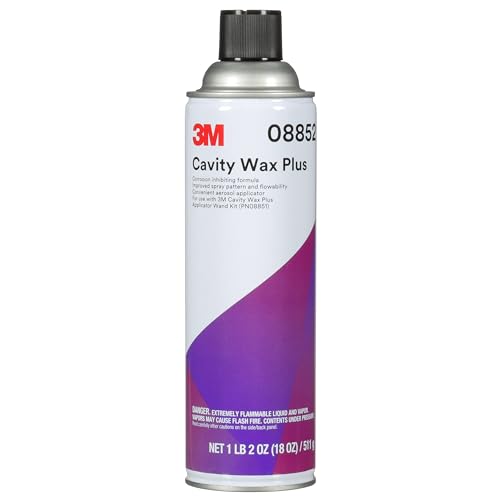
3M Cavity Wax Plus Aerosol
What We Like
- Self-healing formula reflows into cracks
- Non-hardening, won't crack or peel
- Designed for cavity and frame protection
Trade-offs
- Requires separate applicator wand kit
- Labeled for industrial/occupational use only
A self-healing formula that reflows into cracks and crevices is the standout reason to reach for this cavity wax. It stays soft and pliable rather than hardening, so it won’t crack, chip, or peel over time. That makes it a strong fit for anyone protecting hard-to-reach internal body panels, frame rails, and structural enclosures where long-term coverage matters most. The aerosol can keeps things simple, no bulky spray equipment needed, but you will want the 3M Cavity Wax Plus Applicator Wand Kit to get the job done right.
The main trade-off is that this product is labeled for industrial or occupational use only, not for consumer sale or use. Compared to other options like Fluid Film’s rust inhibitor kit, which includes a spray can extension wand, the 3M requires a separate applicator wand purchase (sold separately). If you are a professional or a dedicated enthusiast willing to source the right applicator, the self-healing performance is worth the extra effort.
Product photos
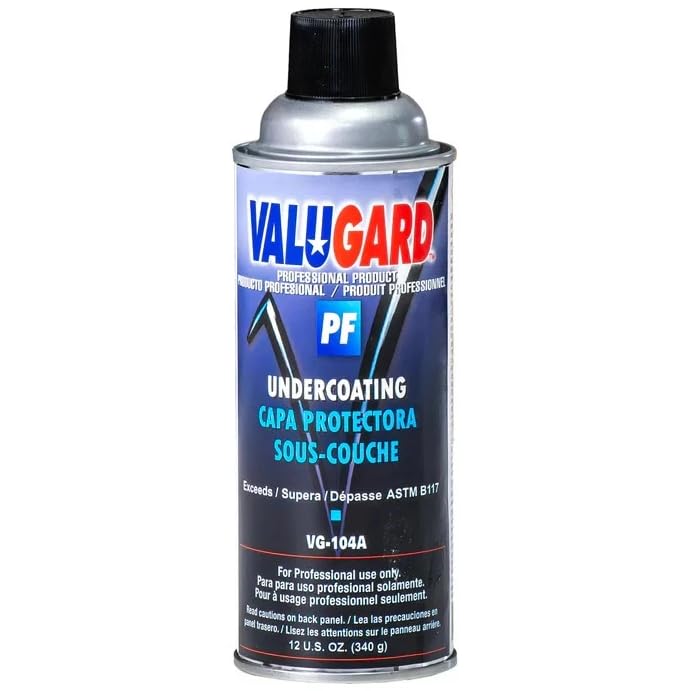
VALUGARD Heavy Duty Undercoating Spray
What We Like
- OEM-grade automotive formula for professional use
- Rubberized coating resists moisture and road debris
- Excellent adhesion to prepared metal surfaces
- Easy aerosol application without special equipment
Trade-offs
- 12 oz can covers less area than larger sizes
- Requires proper surface preparation for best adhesion
An OEM-grade automotive formula means this rubberized coating is built to the same standards collision repair shops trust. It bonds to properly prepared metal surfaces, creating a durable protective layer that helps shield against moisture, road salt, and gravel impact. For anyone wanting a heavy-duty underbody coating that delivers professional-level durability from a simple aerosol can, this fits the bill.
The 12 fl oz can is compact, so it’s best for targeted touch-ups on wheel wells and frame rails rather than full undercarriage coverage. The OEM-grade automotive formula delivers reliable long-term protection for exposed metal surfaces, making it a practical choice for spot repairs where durability matters.
How We Evaluated Car Rust Inhibitors
Our evaluation focused on three core criteria that determine whether a rust inhibitor will actually protect your vehicle over time. We analyzed manufacturer data on corrosion resistance, including salt spray test hours where available. We also examined the physical properties of each formula, whether it stays flexible, dries to a hard finish, or remains a waxy coating that can reflow into scratches.
The application method and coverage area were equally important. A product that is difficult to apply or requires special equipment may not get used properly, leaving gaps in protection. We considered can size, spray patterns, the availability of extension wands, and how each product handles hard-to-reach areas like frame rails and cavity seams.
This evaluation cross-references expert recommendations from professional automotive restoration forums, rust-proofing industry guidelines, and consistent patterns in owner reports about long-term performance and ease of use. This approach gives you a reliable framework for choosing without needing to test every option yourself.
What To Look For In Car Rust Inhibitors
Choosing the right rust inhibitor means matching the product type to the area you are protecting. The wrong formula can trap moisture or fail to adhere, causing more harm than good.
Focus on the formula type (rubberized, lanolin, wax, or penetrant), the coverage area per can, and whether the product includes an applicator wand for cavities.
Formula Type and Application Area
The most important distinction is between surface coatings and cavity treatments. Rubberized undercoatings like the Rust-Oleum spray are designed for exposed underbody metal where they form a thick, impact-resistant barrier against salt and road debris. For enclosed areas inside rocker panels and frame rails, you need a thin, creeping formula like Fluid Film. A self-healing cavity wax like the 3M option can flow into seams and re-seal if scratched.
Corrosion Resistance and Durability
Look for specific corrosion protection ratings, typically measured in salt spray test hours. The KBS Coatings Cavity Coater, for example, offers over 4,000 hours of protection, while the B’laster Surface Shield claims up to two years of real-world performance. Consider your climate: coastal or heavy-salt areas demand higher durability and a formula that resists washing off from rain or pressure cleaning.
Ease of Application and Coverage
A great rust inhibitor is useless if it is difficult to apply correctly. Check the can size and estimated coverage, the Rust-Oleum covers 10-12 square feet per can, which matters for full underbody jobs. Look for features like 360-degree spray nozzles, extension wands for cavity work, and formulas that can spray at any angle for reaching tight spots. Some products thicken in cold weather, requiring you to warm the can before use.
- Match the formula to the location: rubberized for underbody, lanolin or wax for cavities.
- Check salt spray test hours if you live in a high-corrosion area.
- Ensure the product includes the right applicator for your job (wand, straw, or precision tip).
- Consider whether you want a removable coating or a permanent seal.
A good rule of thumb: if you can see the area, use a surface coating; if you cannot, use a cavity wax or penetrant.
Car Rust Inhibitors Compared
The table below compares the 10 best car rust inhibitors side by side, highlighting their primary use, formula type, and key features to help you decide.
| Product | Type | Coverage | Dry Time |
|---|---|---|---|
| Rust-Oleum Rubberized Undercoating Spray | Rubberized spray | 10-12 sq. ft. per can | 30 minutes to touch |
| B'laster Surface Shield Rust Prevention Spray | Lanolin-based spray | N/A | N/A |
| CorrosionX Rust Inhibitor Aerosol | Dielectric corrosion prevention | N/A | N/A |
| Fluid Film Rust Inhibitor Kit | Lanolin oil | N/A | N/A |
| KBS Coatings Cavity Coater Aerosol | Aerosol spray | N/A | N/A |
| WD-40 Specialist Corrosion Inhibitor | Anti-rust spray | N/A | N/A |
| Rust-Oleum 2-in-1 Rust Reform Spray | Rubberized flat finish | 12-13 sq. ft. per can | 1 hour to touch |
| STA-BIL Rust Stopper Spray | Corrosion inhibitor | N/A | N/A |
| 3M Cavity Wax Plus Aerosol | Self-healing, non-hardening | N/A | N/A |
| VALUGARD Heavy Duty Undercoating Spray | Rubberized coating | N/A | N/A |
Frequently Asked Questions
What is the best rust inhibitor for a car underbody?
For exposed underbody metal, the Rust-Oleum Rubberized Undercoating Spray is the best choice due to its fast-drying, salt-blocking rubberized formula and any-angle spray tip. It is designed specifically for large, visible areas that need a thick protective barrier.
Can I use a cavity wax on my car’s frame rails?
Yes, cavity waxes like the 3M Cavity Wax Plus Aerosol are specifically designed for frame rails and enclosed body panels. Their self-healing formula reflows into cracks and scratches, providing long-term protection inside areas where surface sprays cannot reach.
How often should I reapply a rust inhibitor to my car?
Reapplication frequency depends on the product type and your driving conditions. A lanolin-based inhibitor like B’laster Surface Shield can last up to two years, while rubberized coatings may need annual inspection and touch-ups, especially if you drive in heavy salt or coastal environments.
What is the difference between a rust inhibitor and a rust converter?
A rust inhibitor prevents corrosion from starting on clean metal, while a rust converter chemically changes existing rust into a stable, paintable surface. Products like the Rust-Oleum 2-in-1 Rust Reform Spray combine both actions, making them ideal for treating areas that already have surface rust.
Is it safe to spray rust inhibitor on car electronics and sensors?
Some rust inhibitors are safe for electronics. The CorrosionX Rust Inhibitor Aerosol, for example, is a dielectric fluid that blocks moisture without shorting circuits, making it suitable for wiring, connectors, and sensors. Always check the label to ensure the product is non-conductive before spraying near electrical components.
The Bottom Line
The Rust-Oleum Rubberized Undercoating Spray earns our Best Overall recommendation because it delivers the right balance of fast application, durable protection, and ease of use for the most common rust-fighting job: coating exposed underbody metal. It is the straightforward choice for any driver who wants to stop rust before it starts without needing specialized equipment.
If your priority is long-term protection that can survive pressure washing, the B’laster Surface Shield is worth paying more for, especially in harsh winter climates. For DIY owners who need to treat hidden cavities and seams, the Fluid Film Rust Inhibitor Kit with its extension wand is the practical pick.
The single most important buying factor is choosing the right formula for the location. A rubberized coating on a cavity will trap moisture, and a cavity wax on an underbody will wash away. Match the product to the problem, and your car will stay solid for years.
