
10 Best Car Tint Films in 2026
This post contains affiliate links. As an Amazon Associate, we earn from qualifying purchases.
The RockRose Nano Ceramic Car Window Tint is the best overall car tint film for its combination of 99% UV rejection, 85% infrared heat rejection, and a 36-inch width that covers large windows in one piece. For DIY-minded drivers, the Vepagoo Ceramic Car Window Tint Film offers scratch-resistant material and no signal interference. The Husbo Ceramic Car Window Tint Film is our top budget pick for deep daytime privacy.
Choosing the right window film means balancing heat rejection, privacy, and legal visibility limits. A film that excels at blocking the sun may be too dark for safe nighttime driving or illegal for front side windows in your state.
We evaluated these films by analyzing manufacturer specifications, material composition (ceramic, dyed, hybrid), owner feedback patterns, and expert recommendations from automotive forums. This guide covers 10 films across a range of needs, from maximum heat rejection to color-shifting style.
Top 10 Car Tint Films in the Market
Certain content that appears on this site comes from Amazon. This content is provided "as is" and is subject to change or removal at any time.
The Best Car Tint Films, Reviewed
RockRose Nano Ceramic Car Window Tint

What We Like
- 99% UV rejection protects skin and eyes
- 85% infrared heat rejection reduces cabin heat
- 36-inch width covers large windows in one piece
- Haze-free 2PLY ceramic for clear vision
Trade-offs
- 35% VLT limits privacy compared to darker films
The 35% VLT is lighter than 20% or 5% films, so it won’t provide the same level of daytime privacy. If you need a darker appearance or more concealment, a film with lower VLT, such as Vepagoo’s 20% VLT ceramic, would be a better choice. For drivers who want strong UV and heat rejection with a moderate tint that stays legal in most places, this RockRose film offers a practical balance.
Product photos
Vepagoo Ceramic Car Window Tint Film
What We Like
- No signal interference for GPS and phone
- 99% UV protection for interior
- Scratch-resistant nano-ceramic material
- DIY-friendly with step-by-step instructions
Trade-offs
- 20% VLT limits nighttime rear visibility
- No infrared heat reduction percentage stated
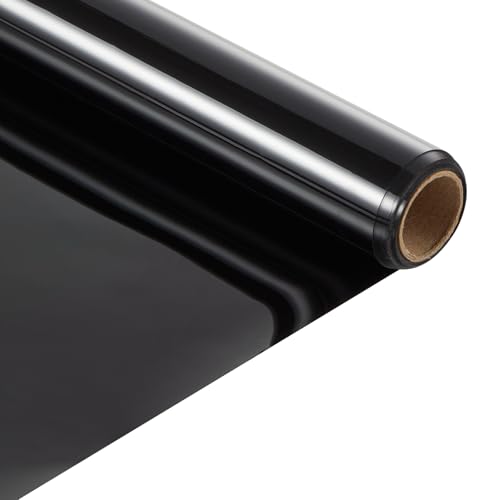
A 20% visible light transmission gives you one-way daytime privacy, letting you see out clearly while blocking outside views. That makes it a good fit for side and rear glass where you want privacy without losing your view. The nano-ceramic construction avoids the signal interference that metal-based films cause, meaning your GPS and phone stay connected after installation. Scratch resistance and an 18-month warranty back the film, so it’s designed for someone who wants to tint their own car and get lasting results.
The trade-off is that 20% VLT is dark. At night, especially in unlit parking lots or when backing up, you’ll need to roll down the window to see clearly. That’s the nature of this shade level, and it’s the same story with the Husbo 20% VLT film in this guide. Where Vepagoo stands apart is its DIY support: detailed instructions and video help are included for bubble-free installation. For someone who wants daytime privacy and heat reduction without fighting signal loss, this film fits the need.
Husbo Ceramic Car Window Tint Film
What We Like
- Nano ceramic won't block GPS or Bluetooth
- 99% UV protection for interior
- Scratch-resistant hard coating
- 20% VLT gives deep daytime privacy
Trade-offs
- One-way privacy disappears with interior lights on at night
- Not suitable for front windshield use
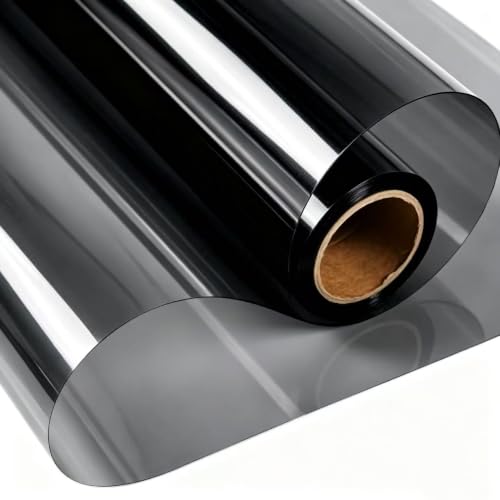
A 20% visible light transmission creates that ultra-dark limo look during the day, letting you see out clearly while outsiders can barely glimpse inside. For anyone wanting strong privacy and heat reduction on a budget, this nano ceramic film delivers the core benefits. It offers 99% UV protection to keep your dashboard and seats from fading, plus a scratch-resistant surface that holds up during DIY installation and daily use. It’s a straightforward choice for the side and rear glass on sedans, SUVs, and trucks, especially if you prefer a film that won’t interfere with your phone, GPS, or radio signals.
Keep in mind that the one-way privacy effect only works in daylight; at night with interior lights on, people outside can see in just like any other tint. But for the money, you get solid ceramic construction and a dark look that many budget films can’t match without metallic interference.
Product photos
TOYOCO Nano Ceramic Car Window Tint
What We Like
- Nonmetallic design keeps GPS and toll tags working
- 35% VLT offers balanced privacy without excess darkness
- Scratch-resistant film for DIY installation
- Rejects UV and infrared heat
Trade-offs
- 20-inch width limits use to side and rear windows only
- Not legal for front side windows in some states
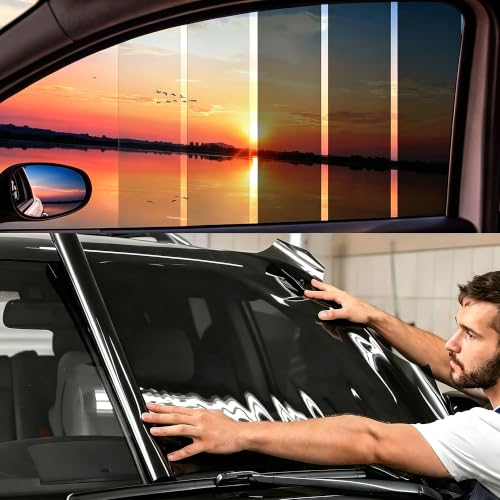
A 35% visible light transmission strikes a practical middle ground, dark enough for privacy during the day, light enough to stay legal on many front side windows. The nano ceramic construction blocks UV and infrared heat without using metal, so your phone, GPS, and toll transponder keep working through the glass. This makes it a smart fit for drivers who rely on electronics daily and want a clean install without signal dropouts.
The 20-inch width and 10-foot length are sized for side and rear glass, as stated on the product. For a larger vehicle or a wide rear window, you may need to measure your glass and possibly buy additional film. The RockRose roll offers a 36-inch width, which could reduce the number of cuts needed on wide panels, but the TOYOCO is designed for standard side and rear applications.
Product photos
ARANA Ceramic Car Window Tint Film
What We Like
- Blocks 99% of UVA/UVB radiation
- Hard coating resists scratches and wear
- Stable adhesive resists bubbling and peeling
- 18 months of after-sales support
Trade-offs
- 20% VLT limits nighttime visibility
- No model number for warranty registration
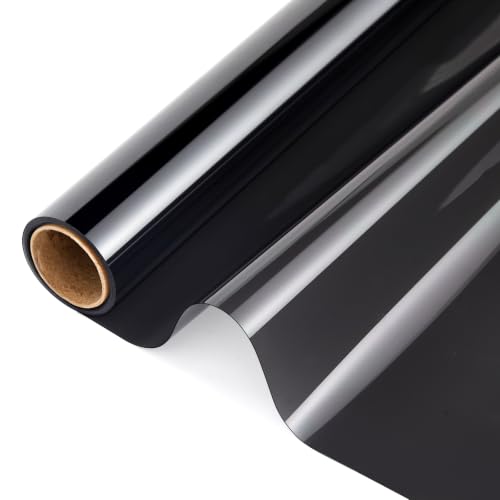
Blocking 99% of UVA and UVB radiation means your skin and interior are protected from sun damage. The nano ceramic construction cuts solar heat buildup so the cabin stays noticeably cooler without maxing out the AC. The 20% VLT gives you daytime privacy from outside but keeps a clear view from inside, and the hard coating resists daily wiper wear and minor scuffs. That heat rejection and durability make it a strong pick for anyone who parks in the sun or takes long road trips in hot weather.
The 20% VLT itself is the main consideration: at that darkness, backing into a driveway or checking blind spots at night takes more care than a 35% film like the RockRose Nano Ceramic would. If you mostly drive in well-lit areas and want the best heat blocking, this is your film. If you frequently drive unlit back roads at night, a lighter VLT might serve you better.
BLACKGLASS IX Car Window Tint Film
What We Like
- Generous 20ft roll covers rear windows with extra
- 2-ply film easier to heat-shrink on curves
- Scratch-resistant surface handles squeegee pressure
- Strong 2X pressure-sensitive adhesive for lasting bond
Trade-offs
- 20ft length limits coverage to rear of most cars only
- 30% VLT too dark for front windows in most states
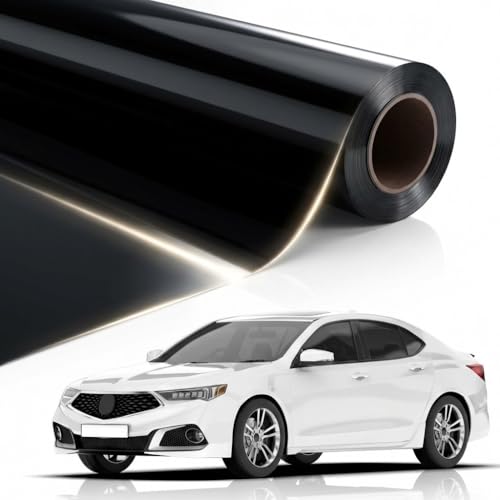
A single 20-foot roll covers the rear windshield and both rear side windows on most cars, with leftover film for mistakes. That generous coverage makes it the obvious pick if you want to tint the back half of your vehicle in one go without piecing together smaller rolls. The 2-ply laminated construction is thicker and easier to heat-shrink around curved glass than single-ply budget films, so a first-time DIY installer can still get a smooth, professional-looking finish. It also works well on home sunroom or office windows, adding privacy and cutting glare without demanding pro-level skill.
A 30% VLT is a medium smoke shade, and tint laws vary by state, darker films are generally restricted to rear windows, so check your local limits before buying. Compared to the RockRose Nano Ceramic option, which lists 99% UVR and 85% IRR block, this BLACKGLASS IX film doesn’t advertise specific heat-rejection percentages. That makes it less suited if maximum solar heat blocking is your priority. But for straightforward rear-window coverage with a forgiving install and a clean, uniform look, this roll delivers exactly what it promises.
Product photos
RockRose Azure Horizon Chameleon Window Tint

What We Like
- Dynamic blue-to-purple color shift
- 99% UV protection blocks harmful rays
- Anti-scratch coating resists peeling
Trade-offs
- 85% VLT offers little daytime privacy.
With 85% visible light transmission, this film is very clear, letting in most natural light while blocking 99% of UV rays. That means drivers get the color-shift effect, blue to purple depending on lighting and angle, without significantly darkening their windows. The anti-scratch coating and over 200 layers of proprietary materials are designed for durability and longevity, so the chameleon look should hold up over time.
At 85% VLT, this tint lets in most visible light, so it won’t give you the daytime privacy of a darker film like the Vepagoo Ceramic at 20% VLT. What you get instead is a chameleon blue-to-purple color shift that changes with lighting and angle, a look no other tint on this list offers. If you want to turn heads rather than hide the cabin, this film delivers that dramatic effect.
HIDNY CEN-100 Car Tint Film
What We Like
- Dual-layer PET with nano carbon adhesive
- 99% UV block protects interior from fading
- Non-reflective deep shade for privacy
- Wet install for bubble-free application
Trade-offs
- 35% VLT is too dark for some front windows legally
- Wet installation only, no dry-tack option for quick application
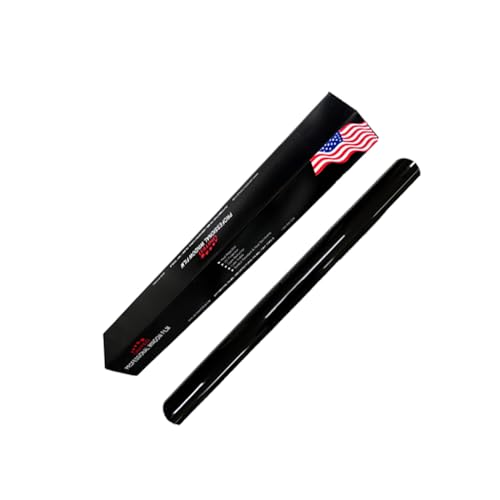
This 100-foot roll of 35% VLT nano carbon film gives you enough material to cover multiple windows on a large vehicle, with a dual-layer PET construction that provides a non-reflective finish. The 99% UV block helps protect your dashboard and seats from sun damage, while the deep shade cuts glare and adds privacy. For owners of bigger vehicles who want a consistent look across all windows, the long roll reduces the need for multiple pieces on most standard windows.
The 35% VLT creates a deep shade that enhances privacy and reduces glare, but it may not be legal for front side windows in some states. The roll is 24 inches wide, so for extra-wide SUV rear glass you might need to seam two strips, unlike some other films that come in wider rolls. If you value a long continuous roll and a deep shade, this is a practical option for trucks and larger SUVs.
Product photos
JHCHAN 3M Car Window Tint Solar Film

What We Like
- 99% UV protection for occupants and interior
- One-way visibility enhances privacy
- Holds shattered glass to prevent secondary injuries
- Six light transmission levels to choose from
Trade-offs
- Privacy only from a distance; close-up viewing still possible
- Dyed PET absorbs heat rather than reflecting it
With six VLT options from 1% to 50%, this film lets you choose how dark you want your windows. The 5% option, the version listed here, blocks most visible light. From a distance, objects inside are difficult to see from outside, while the view from inside remains clear. That one-way visibility is the whole point of a privacy film, and JHCHAN delivers it without making the interior feel like a cave during the day. The 99% UV block also reduces damage to seats and interior trim from prolonged direct sunlight, which matters if you park outside often.
The most decisive fact is that this film blocks 99% of UV rays, so it protects your skin and interior from sun damage. It is a single-layer dyed PET film that uses a pressure-sensitive adhesive to hold broken glass in place if a window shatters, reducing the risk of injury. The film also blocks infrared rays to help your AC run more efficiently, but it does not reflect heat like ceramic films. Reviewers note it offers one-way visibility from a distance, though objects inside remain faintly visible when standing close.
Product photos
Hallmark Cool Plus Ceramic Window Tint

What We Like
- Nano ceramic for heat and UV blocking
- Peel-and-stick for DIY installation
- Versatile for auto and home glass
- 30% VLT for everyday visibility
Trade-offs
- Professional-looking results depend on careful trimming
- Requires clean glass and slip solution for proper adhesion
- Not pre-cut; must cut to fit each window
This 40-inch by 10-foot roll of nano ceramic film with 30% VLT blocks solar heat and UV rays while keeping visibility clear for daily driving. The size gives you enough material to cover side windows on a car or home glass, but you will need to cut it to fit each window yourself. If you want a single roll that works for both auto and home use without committing to a larger length, this is a practical option.
The peel-and-stick design means you cut and install it yourself, so a steady hand and patience with the squeegee are necessary for a clean result. Compared to the RockRose 35% roll, which offers a longer 25-foot length for bigger projects, the Hallmark’s 10-foot length is shorter and may require a second roll for larger vehicles. For a ceramic tint that adapts to multiple glass types and is sized for smaller to medium projects, this roll fits the need.
Product photos
How We Evaluated Car Tint Films
This evaluation is based on manufacturer documentation, material science data, and patterns in owner feedback from automotive communities. We focused on verifiable specs and real-world owner reports to identify which films perform as described.
We prioritized three criteria above all others. UV and infrared rejection was the primary metric, as it directly affects cabin comfort and interior protection. Visible light transmission (VLT) determined legality and usability for day and night driving. Installation difficulty and material quality, such as scratch resistance and adhesive stability, separated DIY-friendly films from those best left to professionals.
A research-led evaluation has limits: owner skill and car-specific window curvature can affect final results. We prioritized films with consistent positive feedback across multiple vehicle types and climates, and we note where a film’s width or VLT may restrict its use.
What To Look For In Car Tint Films
The right car tint film depends on your climate, driving habits, and legal requirements. Focus on the film’s construction and its specific rejection numbers rather than brand names alone.
Choose a film with at least 99% UV rejection and a VLT that is legal for your state’s front windows. Ceramic films offer the best heat rejection without signal interference.
UV and Infrared Rejection
The primary job of window tint is to protect you and your car’s interior from solar radiation. Look for films that specify 99% UV rejection, which blocks nearly all UVA and UVB rays that cause skin damage and interior fading. Infrared heat rejection is a separate metric; higher percentages mean less heat passes through the glass. Ceramic films typically offer the best balance, with some models rejecting a high percentage of infrared heat.
Visible Light Transmission (VLT)
VLT determines how dark your tint appears and how much light enters the car. Lower numbers (like 5% or 20%) mean darker film and more daytime privacy but can make nighttime driving difficult. Most states have separate VLT limits for front and rear windows. A 35% VLT is a common legal limit for front side windows and offers a balanced look. Always check your local laws before purchasing.
Film Construction and Installation
- Ceramic films use nano-ceramic particles for heat rejection without blocking GPS or cell signals. They are more expensive but last longer.
- Dyed films are budget-friendly but absorb heat rather than reflecting it, which can lead to glass cracking over time.
- Hybrid films combine a dyed layer with a metallic coating for better heat rejection at a mid-range price.
- Scratch-resistant hard coatings protect the film during installation and daily use.
- Adhesive quality matters for long-term bonding; pressure-sensitive adhesives are common for DIY kits.
A ceramic film with a scratch-resistant coating and a VLT matching your state’s legal limit is the safest, most durable choice for most drivers.
Car Tint Films Compared
The table below compares the 10 car tint films across key specs, including UV rejection, VLT, width, and best-use scenario, to help you narrow your choice.
| Product | VLT | Material | Size |
|---|---|---|---|
| RockRose Nano Ceramic Car Window Tint | 35% | 2PLY Nano Ceramic | 36 in x 25 ft |
| Vepagoo Ceramic Car Window Tint Film | 20% | Nano-ceramic | 20 in x 20 ft |
| Husbo Ceramic Car Window Tint Film | 20% | Nano ceramic (no metal layers) | 20" x 20' (20" x 240") |
| TOYOCO Nano Ceramic Car Window Tint | 35% | Nano Ceramic | 20 in x 10 ft |
| ARANA Ceramic Car Window Tint Film | 20% | Nano ceramic | 20 in × 20 ft |
| BLACKGLASS IX Car Window Tint Film | 30% | 2-Ply Self-Adhesive | 20ft x 26in |
| RockRose Azure Horizon Chameleon Window Tint | 85% | N/A | 40 in x 5FT |
| HIDNY CEN-100 Car Tint Film | 35% | Nano Carbon 2Ply | 24" x100' |
| JHCHAN 3M Car Window Tint Solar Film | 5% | Single-layer dyed PET | 20 in x 10 ft |
| Hallmark Cool Plus Ceramic Window Tint | 30% | Nano Ceramic | 40 in x 10 ft |
Frequently Asked Questions
What is the best VLT for car window tint?
The best VLT depends on your needs and local laws. For front side windows, 35% VLT is a common legal limit and provides a balanced look with decent daytime privacy. For rear windows, you can go darker, 20% or even 5%, for maximum privacy, but this reduces nighttime visibility.
Does ceramic window tint block cell phone signal?
No, ceramic window tint does not block cell phone, GPS, or radio signals. Unlike metallic films, ceramic films use non-conductive nano-ceramic particles that reject heat without interfering with electronics. This makes ceramic tint ideal for drivers who rely on GPS, toll tags, or phone signals.
Can I install car window tint myself?
Yes, many car tint films are designed for DIY installation, especially those with scratch-resistant coatings and step-by-step instructions. Success depends on having a clean work area, a slip solution, and patience with heat-shrinking the film on curved windows. Pre-cut kits are easier than trimming a full roll.
How long does car window tint last?
Quality ceramic window tint can last 5 to 10 years or more with proper care. Dyed films typically last 2 to 4 years before fading or turning purple. Factors that affect longevity include sun exposure, window operation frequency, and how well the film was installed. Scratch-resistant hard coatings also extend the film’s life.
Is 20% tint too dark for night driving?
20% VLT is significantly darker than most legal front-window limits and can make nighttime driving difficult, especially in poorly lit areas or when backing up. Rear windows at 20% are manageable with good side mirrors, but front windows at this VLT are unsafe at night and illegal in most states.
The Bottom Line
The RockRose Nano Ceramic Car Window Tint is our best overall pick for drivers who want strong UV and heat rejection with a moderate 35% VLT that works day and night. Its 36-inch width covers large windows in one piece, and the haze-free 2PLY ceramic construction keeps vision clear. This film is ideal for daily drivers in sunny climates.
If you are on a budget, the Husbo Ceramic Car Window Tint Film delivers 99% UV protection and deep daytime privacy at a 20% VLT without blocking GPS signals. For DIY installers, the Vepagoo Ceramic Car Window Tint Film offers scratch-resistant material and no signal interference, making it a smart choice for a weekend project.
The single most important factor when buying car tint is choosing the right VLT for your driving habits and local laws. A film that blocks all the heat in the world is useless if it is illegal on your front windows or too dark to see at night. Start with the legal limit for your state, then prioritize UV and infrared rejection within that range.
