
10 Best Carbon Mountain Bike Bars in 2026
This post contains affiliate links. As an Amazon Associate, we earn from qualifying purchases.
For most riders, the OneUp V2 Carbon Handlebar is the best overall choice because it balances durability, fit options, and certified strength for everything from trail to downhill. The PNW Components The Loam Carbon Handlebar Carbon Mountain Bike Bar earns the title of best chatter-absorbing bar, while the Renthal Fatbar Carbon V2 delivers excellent stiffness for aggressive trail riding.
Choosing a carbon handlebar means weighing stiffness against vibration damping, rise against weight, and clamp diameter against stem compatibility. The wrong bar can leave you with arm pump on long descents or a cockpit that never feels quite right.
This guide is based on manufacturer specifications, certified testing standards, and patterns we identified across expert round-ups and owner feedback. We focused on the factors that matter most for real-world riding: fit options, construction quality, durability certification, and intended use.
Top 10 Carbon Mountain Bike Bars in the Market

Certain content that appears on this site comes from Amazon. This content is provided "as is" and is subject to change or removal at any time.
The Best Carbon Mountain Bike Bars, Reviewed
OneUp V2 Carbon Handlebar

What We Like
- Three rise options for custom fit
- EFBE Cat-5 certified for DH and e-bikes
- Available in 760mm and 800mm widths
Trade-offs
- At 0.6 lb, heavier than some carbon bars
- No flat or low-rise option below 20mm
An EFBE Cat-5 Gravity Tri-Test certification means this bar is approved for everything from cross-country to downhill, including e-bikes. That single rating tells you the OneUp V2 Carbon Handlebar is built to handle serious abuse without adding worry. With three rise options and two widths, you can dial in your cockpit position exactly how you like it. This is the bar for riders who want one component that works across multiple bikes or riding styles without compromise.
The trade-off is weight. At 0.6 pounds, the OneUp V2 is heavier than the PNW Components Loam Carbon bar, which comes in at 0.5 pounds. If you’re aiming for the lightest possible build, the PNW bar might save you a few ounces. But for most riders, the extra heft is a fair price for the durability and compliance the OneUp delivers. You get a bar that’s ready for the gnarliest trails and still comfortable enough for all-day epics. That versatility is what makes it our top pick.
PNW Components The Loam Carbon Handlebar Carbon Mountain Bike Bar
What We Like
- Patent-pending CBD Layup absorbs chatter
- Three rise options for fit customization
- Lifetime warranty against manufacturing defects
- EFBE Tri-Test certified for gravity use
Trade-offs
- Only 800mm width, no narrower option listed
- No narrower width option for tighter trails.
The PNW Loam Carbon Handlebar uses a patent-pending CBD Layup that delivers genuine chatter-absorbing comfort while keeping horizontal stiffness where it counts for precise handling on rough descents. This means your hands and arms feel less vibration on rocky, rooty terrain, letting you ride longer with less fatigue. It suits riders who prioritize trail comfort over ultralight weight, especially those tackling aggressive downhill or e-bike duty, since it carries an EFBE Tri-Test Category 5 certification for gravity use. The three rise options (125mm, 38mm, and 50mm) also make it easier to dial in your fit without buying a different bar.
At 0.5 pounds, it is lighter than the OneUp V2 Carbon Handlebar, which comes in at 0.6 pounds but lacks the same certified e-bike and downhill rating. If you are building a lightweight cross-country rig and every gram matters, the OneUp might save you a few ounces, but you lose the proven durability for aggressive riding. The 800mm width is stable on descents but could feel cumbersome in tight, tree-lined singletrack for riders who prefer narrower bars. Overall, this bar is a smart choice for anyone wanting vibration damping without sacrificing strength or warranty peace of mind.
Renthal Fatbar Carbon V2

What We Like
- Uni-directional carbon construction for stiffness
- Four rise options from 10 to 40mm
- 800mm width suits modern trail geometry
- 7° back sweep aids wrist comfort
Trade-offs
- 31.8mm clamp limits stem compatibility
- No 35mm clamp version in this model
An 800mm width and four rise options make this bar adaptable to modern trail and enduro setups. The uni-directional carbon layup delivers a stiff, responsive feel that translates your input directly to the front wheel, which matters when you’re picking through rock gardens or leaning into a berm. Riders who want a predictable, no-surprises carbon bar with classic Renthal geometry will find this fits that need well, especially if they value a clean, vibration-damping ride over ultra-light weight.
The 31.8mm clamp diameter won’t work with newer stems designed for 35mm bars. Compared to the OneUp V2 Carbon Handlebar, which also uses 31.8mm, the Renthal offers more rise options. If your bike already runs a 35mm stem, you’ll need an adapter or a different bar.
RaceFace Era 35mm Handlebar

What We Like
- Hand-laid carbon fiber construction
- Toughened epoxy resin for strength
- Kashmoney Gold distinctive finish
- Ergonomic 8-degree back sweep
Trade-offs
- 40mm rise limits fit for low-rise setups
- 35mm clamp requires compatible stem
Nearly 100 individual pieces of hand-laid carbon fiber are bound with toughened epoxy resin, giving this bar a high strength-to-weight ratio for enduro and all-mountain riding. The 800mm width provides leverage and stability on descents, while the 40mm rise and 8-degree back sweep keep your hands comfortable over long days. This bar is built for riders who want a stiff front end that can handle hard impacts without adding extra weight.
The 800mm width and 40mm rise are designed for All-Mountain and Enduro riding. If you prefer a narrower bar for tight singletrack or a lower rise for a more forward-leaning XC position, this won’t be your pick. The 35mm clamp diameter fits stems with a maximum clamp width of 60mm, so you’ll want to verify your stem’s specs before buying.
ENVE M7 Carbon Handlebar
What We Like
- 35mm clamp for optimal stiffness
- 40mm high-rise option available
- 8° sweep suits aggressive riding
Trade-offs
- 35mm clamp limits stem compatibility
- No 50mm rise option like the OneUp V2
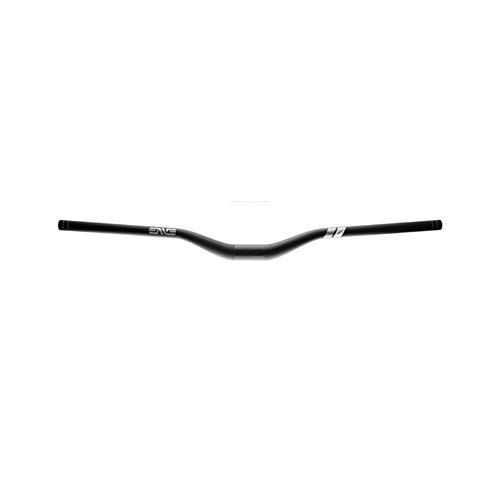
A 35mm clamp diameter gives this bar the stiffness needed to hold a line through rock gardens and high-speed chunder, making it a natural fit for downhill and enduro racing. The 40mm rise option lifts your front end for steep, aggressive terrain, while the 8° sweep and 4° tip keep your wrists comfortable when you’re hanging off the back. If you’re piloting a long-travel 29er or a dedicated downhill machine and want a bar that won’t flex or twist under hard braking and big hits, this is the one to reach for.
The 35mm clamp diameter won’t fit older stems designed for 31.8mm bars, so check your stem before buying. Compared to the OneUp V2 Carbon Handlebar, which uses a 31.8mm clamp and comes in a 50mm rise, the ENVE M7 offers a stiffer platform but less rise adjustability.
ENVE M6 Carbon Handlebar

What We Like
- 780mm width paired with 9° sweep for trail riding
- Built for all-day epics with compliance and strength
Trade-offs
- Heavier than some carbon bars at 1.5 lbs
- 7.5mm low rise not suited for riders needing a higher hand position
The low rise is a key limitation here. At 7.5mm, it’s not for riders who need a higher hand position for steep descents or a more upright posture. If you prefer a taller bar, the ENVE M7 with its 40mm rise might be a better match, though it uses a 35mm clamp, so you’d need a compatible stem. At 1.5 pounds, this bar is also a touch heavier than some carbon rivals like the PNW Loam at 0.5 pounds, but that extra weight buys you the compliance and durability Enve is known for. For most trail riders, the M6 is a solid, comfortable choice, just make sure the low rise works for your riding style.
Renthal Fatbar Lite V3 Carbon
What We Like
- Lightweight UD carbon construction
- 35mm clamp diameter
- 5/7 degree up/back sweep
Trade-offs
- 35mm clamp requires compatible stem
- No rise adjustment option
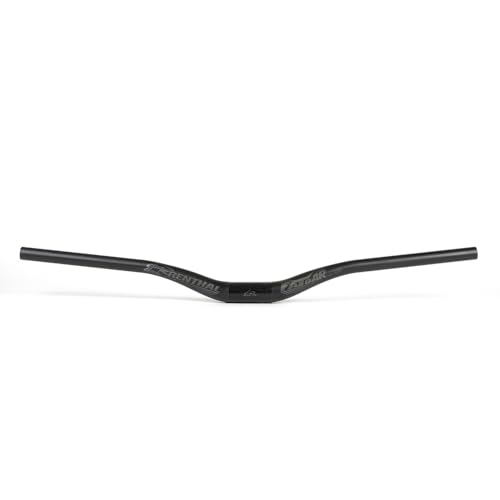
If you prefer the leverage of a wider bar for high-speed stability, the 800mm OneUp V2 Carbon offers more width. This Renthal bar appeals to riders who value nimble steering and precise control over sheer width. It’s a specialized tool for those who prioritize maneuverability in technical terrain over brute leverage.
Product photos
RaceFace Era 40mm Handlebar
What We Like
- Rated for eMTB use
- Hand-laid carbon fiber with toughened epoxy
- Aims to reduce arm pump and hand fatigue
- Narrowed stem clamp for quicker taper and rise
Trade-offs
- 35mm clamp requires compatible stem and accessories
- 780mm width is narrower than many modern trail bars
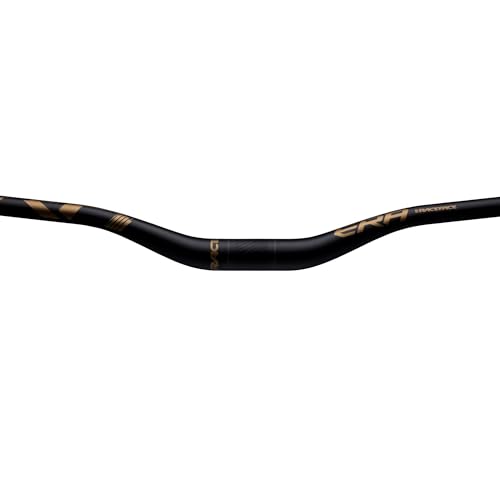
A dedicated eMTB rating means this bar is built to handle the extra demands of an electric mountain bike. RaceFace used nearly 100 individual pieces of hand-laid carbon fiber bound with a toughened epoxy resin. The structure is stiff where it needs to be yet tuned to reduce arm pump and hand fatigue on long, rough rides. Riders who push heavy e-bikes through rocky trails will appreciate that the narrowed stem clamp area allows a quicker taper and earlier rise, giving a more comfortable upright position without sacrificing control.
The 35mm clamp diameter means you’ll need a compatible stem and bar ends, so check your existing cockpit before buying. If you prefer a wider 800mm bar for maximum leverage on steep descents, the OneUp V2 Carbon Handlebar gives you that extra width. For eMTB riders who want a fatigue-fighting carbon bar that’s purpose-built for the extra demands of an electric bike, this is a smart fit.
RXL SL Carbon MTB Riser Bar

What We Like
- Two rise options for different riding styles
- Lightweight T800 carbon fiber at ~220g
- 9° backsweep for natural wrist position
Trade-offs
- Requires careful 4Nm torque limit to avoid damage
- Professional assembly recommended for safe installation
- Bar ends can be cut but only at a bike shop
The T800 carbon build keeps the bar around 220 grams while offering a choice between a 15mm flat rise and a 25mm riser. This lets you match your stem height and riding position without swapping parts. This makes it a practical fit for riders who want to experiment with bar width or need a precise fit for their frame and terrain without buying multiple bars.
Carbon requires careful installation: the 4Nm torque spec is firm, and the bar ends can be cut at a bike shop if you need a narrower width. That’s a small hassle compared to something like the OneUp V2 Carbon, which is listed with an 800mm width and 50mm rise, offering fewer width and rise options. If you value fit flexibility over simplicity, the RXL SL delivers that range without the higher price often seen on boutique carbon bars.
Product photos
BUCKLOS Full Carbon Flat Handlebar
What We Like
- Full carbon fiber 3K matte construction
- Ultralight ~165g for climbing efficiency
- Ultralight ~165g (31.8×760mm)
Trade-offs
- 720mm width is narrow for modern trail riding
- 25.4mm clamp limits stem compatibility
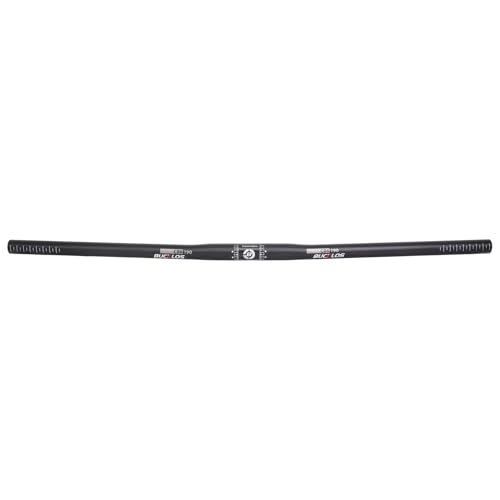
Choosing this bar means accepting a narrower width and a smaller clamp diameter than what many current trail and enduro builds use. The 720mm width is noticeably tighter than the 800mm offered by the OneUp V2 Carbon, so riders will have less leverage for steering through rocky chutes or holding a line over fast, choppy terrain. That narrower stance also reduces stability when the bike is pitched into a steep, loose descent. For cross-country or tight singletrack where maneuverability between trees matters more than raw downhill control, the trade-off can work well, but aggressive riders should note the difference.
Product photos
How We Evaluated Carbon Mountain Bike Bars
Manufacturer specifications and certifications like EFBE Tri-Test and Cat-5 indicate real-world durability for aggressive riding. These specs were cross-referenced with patterns from expert round-ups and long-term owner discussions to understand how each bar performs beyond the spec sheet.
The four criteria that mattered most were rise and width options for cockpit fit, carbon layup construction for stiffness or compliance, and clamp diameter compatibility with modern stems. Certification standards that confirm a bar can handle gravity use also played a key role. A bar that fits poorly or flexes unpredictably undermines any weight savings.
Because this is a research-led evaluation, we cannot speak to long-term fatigue or impact performance beyond what certifications and owner reports suggest. We prioritized bars with published testing standards and clear fit specifications so you can make an informed choice.
What To Look For In Carbon Mountain Bike Bars
Choosing a carbon bar starts with understanding your riding style and cockpit needs. The right bar should fit your bike’s stem, match your preferred hand position, and withstand the forces you’ll put through it.
Focus on clamp diameter (31.8mm or 35mm), rise height, width, and backsweep. Make sure the bar is certified for your riding type, trail, enduro, or downhill.
Clamp Diameter and Stem Compatibility
Most modern trail and enduro bars use a 35mm clamp diameter for increased stiffness, while 31.8mm remains common on XC and older builds. Your stem must match the bar’s clamp diameter exactly, using a 35mm bar with a 31.8mm stem or vice versa is unsafe. Some bars, like the Renthal Fatbar Carbon V2, only come in 31.8mm, limiting your stem options.
Rise and Width for Cockpit Fit
Rise determines your hand position relative to the stem. Low-rise bars (10-20mm) keep weight forward for climbing, while high-rise bars (30-50mm) lift the front end for steep descents. Width affects leverage and steering response: wider bars (780-800mm) offer more control on rough terrain, while narrower bars (720-760mm) suit tight trails and XC riding. Most carbon bars can be cut down, but check the manufacturer’s maximum cut length.
Carbon Layup and Ride Feel
Uni-directional (UD) carbon offers predictable stiffness, while multi-directional or proprietary layups like PNW’s CBD Layup prioritize vibration damping. Stiffer bars transmit more trail feedback but can increase arm fatigue; compliant bars absorb chatter but may feel vague at speed. There is no universal “best” layup, match it to your terrain and personal comfort preference.
- Check that the bar has an EFBE or similar certification for your riding discipline.
- Verify the torque specification for the stem clamp and bar ends, carbon bars require precise torque.
- Measure your current bar’s rise and sweep before buying to maintain your preferred position.
- Consider whether you need a flat bar (for XC climbing) or a riser bar (for descending leverage).
A good rule: if you ride aggressive terrain, prioritize certified durability over the lightest possible weight.
Carbon Mountain Bike Bars Compared
The table below compares each bar’s key specifications, including clamp diameter, rise options, and intended use, so you can quickly narrow your choices.
| Product | Width | Rise | Clamp Diameter | Weight |
|---|---|---|---|---|
| OneUp V2 Carbon Handlebar | 760mm or 800mm | 20, 35, or 50mm | N/A | 0.6 Pounds |
| PNW Components The Loam Carbon Handlebar Carbon Mountain Bike Bar | 800mm | 125mm, 38mm and 50mm | 31.8 and 35mm | 0.5 Pounds |
| Renthal Fatbar Carbon V2 | 800mm | 10, 20, 30, 40mm | 31.8mm | 0.7 pounds |
| RaceFace Era 35mm Handlebar | 800mm | 40mm | 35.0mm | 1.2 pounds |
| ENVE M7 Carbon Handlebar | N/A | 10mm, 25mm, 40mm | 35mm | N/A |
| ENVE M6 Carbon Handlebar | 780mm | 7.5mm and 25mm | 31.8mm | 1.5 lbs |
| Renthal Fatbar Lite V3 Carbon | 760mm | N/A | 35.0mm | N/A |
| RaceFace Era 40mm Handlebar | 780mm | N/A | 35mm | 0.6 pounds |
| RXL SL Carbon MTB Riser Bar | 760/780/800/820mm | 15mm flat / 25mm riser | 31.8mm | 0.5 pounds |
| BUCKLOS Full Carbon Flat Handlebar | 660-760mm | flat/riser | 25.4mm / 31.8mm | 0.4 Pounds |
Frequently Asked Questions
Are carbon mountain bike bars worth the money?
Carbon bars typically weigh less than aluminum and can be tuned for compliance or stiffness through the layup design. Riders who value vibration damping for long descents or want to shave rotational weight often find them worthwhile. For aggressive downhill or e-bike use, look for bars with EFBE certification to ensure they meet durability standards.
What is the difference between 31.8mm and 35mm handlebar clamps?
The clamp diameter refers to the bar’s center section that fits into the stem. A 35mm clamp is stiffer and stronger than 31.8mm, making it popular for enduro and downhill riding. The two sizes are not interchangeable, you need a stem that matches your bar’s clamp diameter exactly.
How much rise should I get on my mountain bike handlebar?
Rise depends on your riding style and bike geometry. Low rise (10-20mm) keeps your weight forward for climbing and XC riding. Medium rise (20-30mm) works well for all-around trail riding. High rise (35-50mm) lifts your hands for steep descents and aggressive terrain. Your current bar’s rise is a good starting point.
Can I cut a carbon handlebar to make it narrower?
Most carbon bars can be cut, but you must follow the manufacturer’s maximum cut length and use a fine-tooth blade to avoid splintering. After cutting, you’ll need to reinstall bar ends and torque them to the specified limit. Some manufacturers recommend having a bike shop do the cutting to prevent damage.
How tight should I torque my carbon handlebar?
Carbon bars require precise torque, typically between 4-6 Nm for the stem clamp and 4-5 Nm for bar ends. Exceeding the torque spec can crush the carbon and cause failure. Always use a torque wrench and follow the manufacturer’s recommended values printed on the bar or in the instructions.
The Bottom Line
The OneUp V2 Carbon Handlebar is our best overall pick because it offers three rise options, two width choices, and EFBE Cat-5 certification that covers everything from trail riding to e-bike use. It’s the bar we’d recommend to most riders who want one durable, comfortable option across multiple disciplines.
If you struggle with arm pump or ride rough terrain, the PNW Components The Loam Carbon Handlebar‘s patent-pending CBD Layup is designed to absorb chatter without sacrificing strength. For riders building a dedicated downhill race bike, the ENVE M7 Carbon Handlebar delivers the stiffness and tall rise that aggressive descending demands.
The single most important factor when buying a carbon bar is certification: look for EFBE or comparable testing standards that match your riding style. A certified bar gives you confidence that the weight savings won’t come at the cost of durability.
