
8 Best Carburetor Cleaners for Small Engines 2026
This post contains affiliate links. As an Amazon Associate, we earn from qualifying purchases.
The WD-40 Specialist Carb/Throttle Body Cleaner stands out as the best overall pick for small engines, delivering strong cleaning power with broad material safety. For a budget-friendly option that still gets the job done on basic deposits, the Gumout Carb & Choke Jet Spray is a solid choice. If you’re looking to go beyond spray cleaners, the Sylvan Hills 32 Oz. Ultrasonic Cleaner offers serious value as a concentrated formula ideal for deep cleaning with ultrasonic tanks.
Small engines can sputter and stall for a lot of reasons, but a clogged carburetor is one of the most common, and most preventable. Over time, fuel breaks down, leaving behind sticky varnish and gum that block tiny passages and wreck performance.
In this guide, I break down the top carburetor cleaners based on specs, owner feedback, and real-world usability. These picks reflect what matters most: cleaning strength, compatibility with sensitive parts, and practical value for the kinds of engines we work on regularly.
Top 8 Carburetor Cleaners For Small Engines in the Market
The Best Carburetor Cleaners For Small Engines, Reviewed
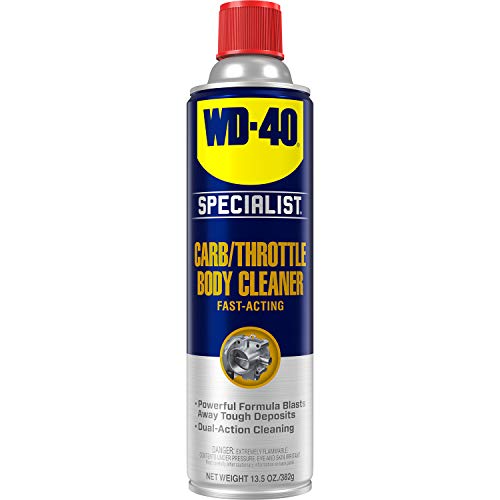
WD-40 Specialist Carb/Throttle Body Cleaner
Strengths
- Dual-action cleaning
- O2 sensor safe
- High-pressure spray
Trade-offs
- Expensive upfront
- Large package overkill for one-time use
This is the gold standard for a reason. The dual-action formula, strong solvent base plus high-pressure spray, makes quick work of carbon that’s baked onto throttle bodies and venturis. Reviewers consistently say it restores idle quality and throttle response better than most alternatives, even after years of neglect.
The 6-pack may seem steep upfront, but since each can lasts longer due to efficient delivery, it often becomes the cheaper option over time. It’s also safe on O2 sensors and converters, which matters if overspray is likely. Compared to Gumout or Valvoline, it’s simply more aggressive without being corrosive. My recommendation? Keep one can in your shop and another in your garage toolbox, you’ll use it more than you think.
Video review
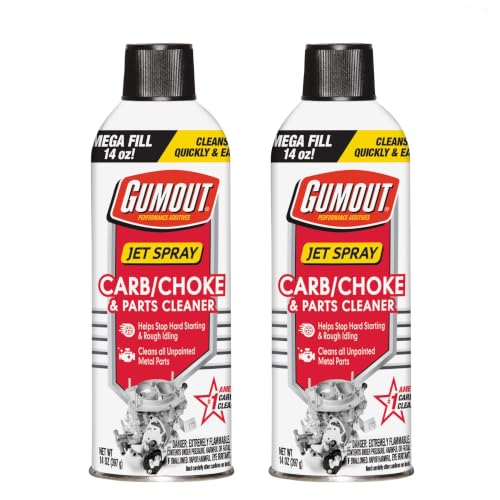
Gumout Carb & Choke Jet Spray
Strengths
- Great value pack
- Effective on ethanol deposits
- Fast drying
Trade-offs
- Spray nozzle can clog
- Slightly weaker on baked-on carbon
At this price, getting two cans of Gumout gives you real flexibility, one for immediate use, one kept as backup. The jet-spray formula has solid penetration, and owners praise how quickly it clears sticky throttle plates and clogged choke linkages. It’s particularly effective on ethanol-related gunk, which plagues modern small engines left with old fuel.
It’s not dramatically stronger than Valvoline, but the pack-of-two format adds value most competitors lack. When compared to the WD-40 6-pack, it’s far more budget-conscious while delivering similar results on light-to-moderate buildup. I’d pick this over single-can options if you maintain several pieces of equipment and hate running out mid-job.
Video review
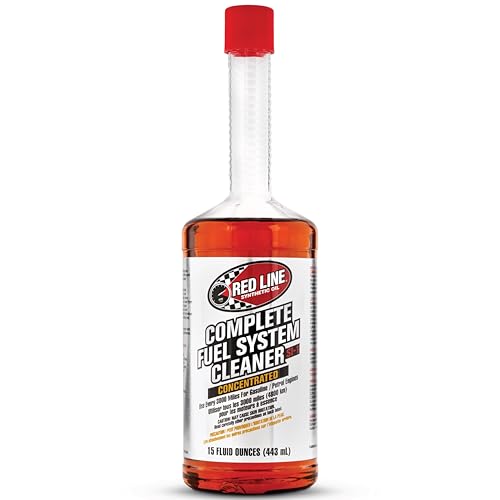
Red Line SI-1 Fuel System Cleaner
Strengths
- Full-system cleaning
- Corrosion protection
- Stabilizes fuel
Trade-offs
- Not for immediate clog removal
- Requires fuel tank access
Red Line takes a different approach, this isn’t a spray, it’s a pour-in additive that cleans the entire fuel path. That means it reaches places aerosols can’t: intake valves, combustion chambers, and downstream injector ports. Its formulation includes corrosion inhibitors, which most cleaners skip entirely.
Owners using it on stored vehicles note fewer startup issues and less gum formation over winter. It’s not a substitute for physical cleaning, but as a preventive measure, it’s excellent. Compared to other additives, it’s more concentrated and works in fewer treatments. I’d run this through before storage season, then follow up with a spray cleaner when bringing equipment back online.
Product photos


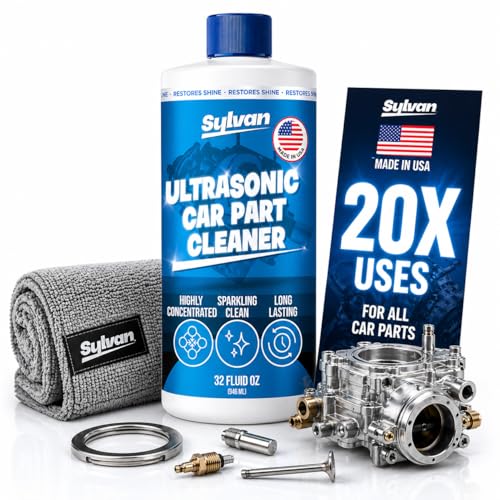
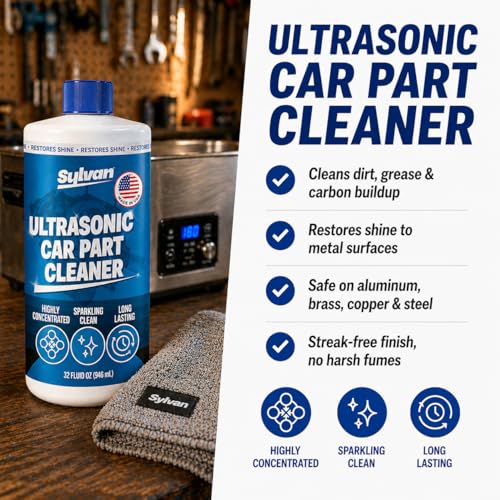
Sylvan Hills 32 Oz. Ultrasonic Cleaner
Strengths
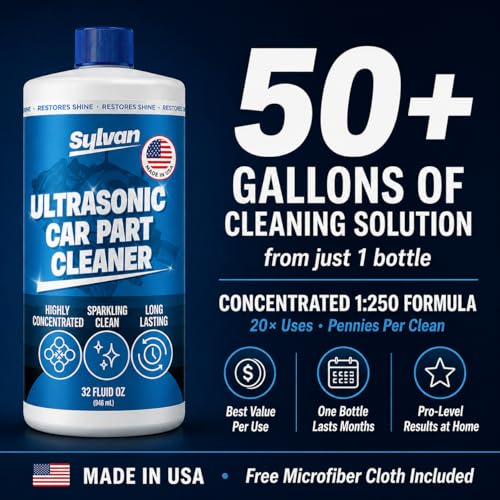
- Extreme dilution ratio
- Made in USA
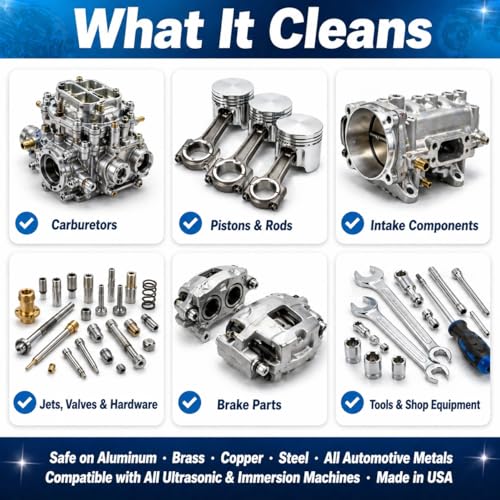
- Safe on aluminum
Trade-offs
- Must mix with water
- Only usable with ultrasonic machine
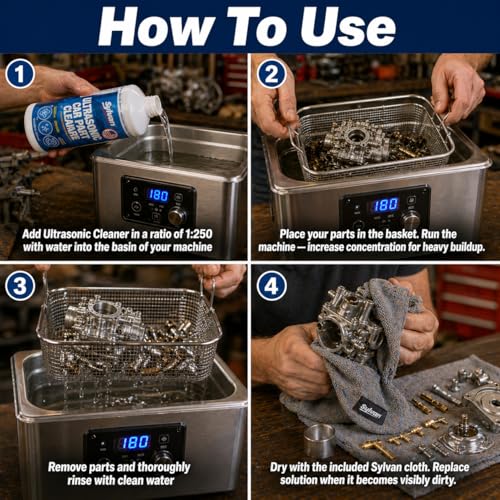
This concentrate wins on sheer volume, 32 ounces make up to 50 gallons when mixed. That’s nearly six times more solution per ounce than the CYUXING brand, making it the best bang-for-buck for frequent ultrasonic users. The formula is non-corrosive and made in the USA, which adds peace of mind for long-term use around sensitive alloys.
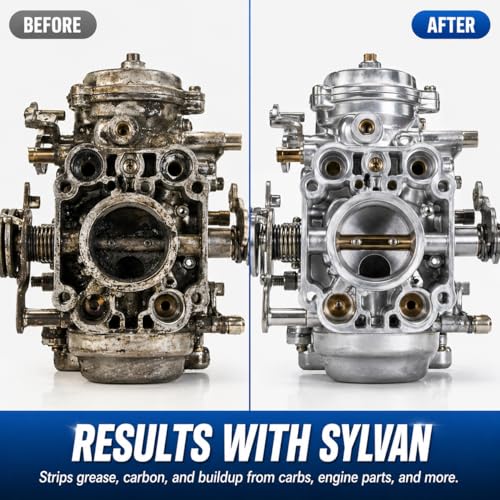
Reviewers using it in home setups say it holds up well over multiple cycles before needing replacement. It doesn’t have flashy additives, but it does the core job: enabling cavitation to remove stubborn residues from jets and internal passages. If you’re tired of buying small bottles, this is the upgrade you want.
Product photos
Ultrasonic Cleaner Makes 9 Gallons

Strengths
- Highly concentrated
- Safe on all metals
- Excellent for repeated use
Trade-offs
- Requires ultrasonic machine
- Not for spot cleaning
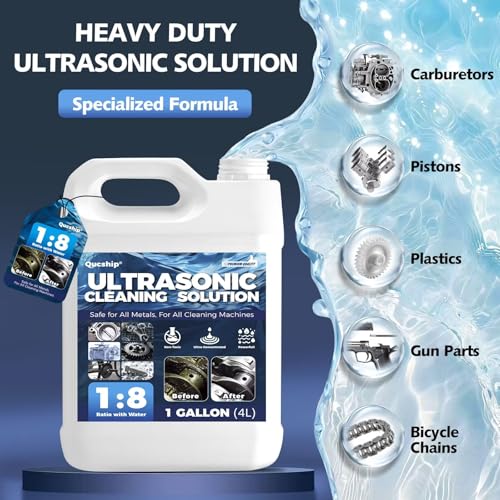
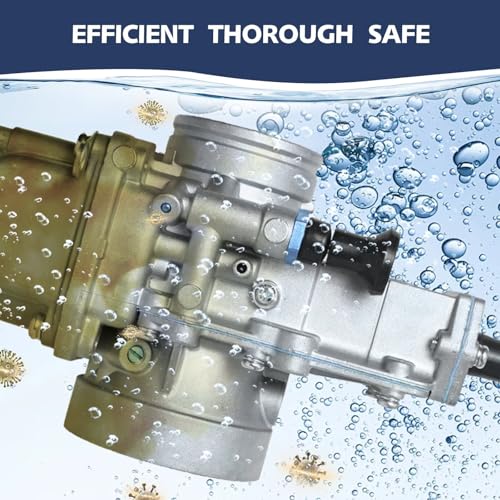
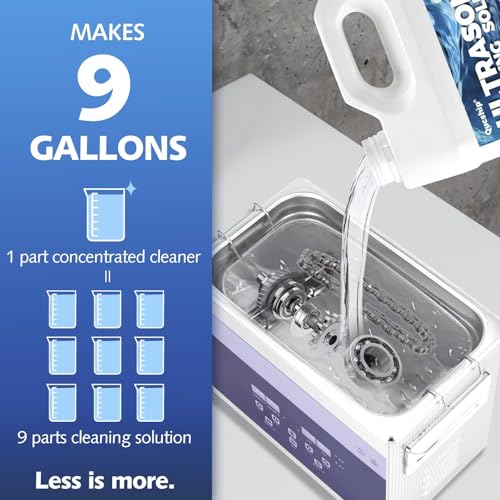
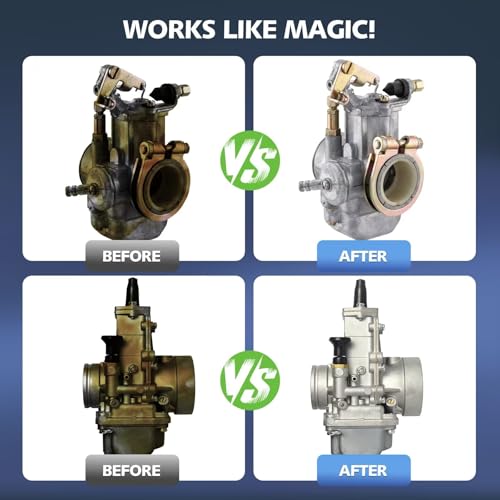
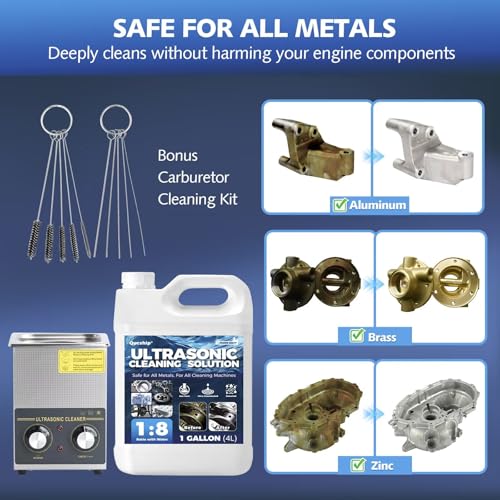
This concentrate is built for people who aren’t just fixing one carburetor, they’re rebuilding multiple engines over time. The 8X concentration means you stretch one jug into nine gallons, which makes it a smart buy for hobbyists with ultrasonic tanks. Reviewers note it cuts through baked-on varnish better than many ready-to-use fluids, especially when paired with proper sonication time.
It’s safe across aluminum, brass, and steel, so you won’t risk pitting critical components, a big win when restoring old motorcycle or chainsaw carbs. Compared to Sylvan Hills, it doesn’t make quite as much final solution per ounce, but it’s still a high-value play. If you already own an ultrasonic cleaner, skipping aerosols altogether and going straight to bulk fluid like this is the smarter long-term move.
Product photos
CYUXING 9Pcs Carburetor Cleaning Tool
Strengths
- Compact and organized
- Durable stainless steel
- Multi-use for welding tips too
Trade-offs
- Fewer brush sizes
- No hex wrenches included
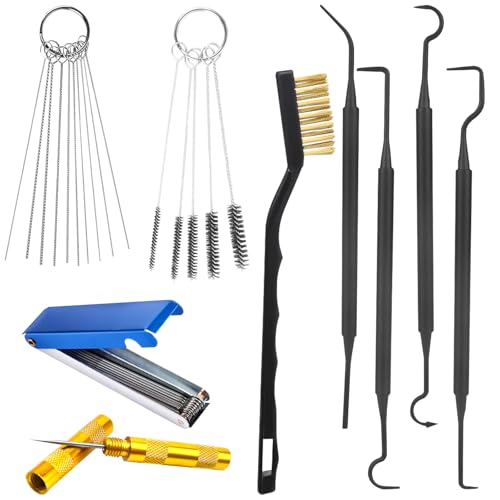
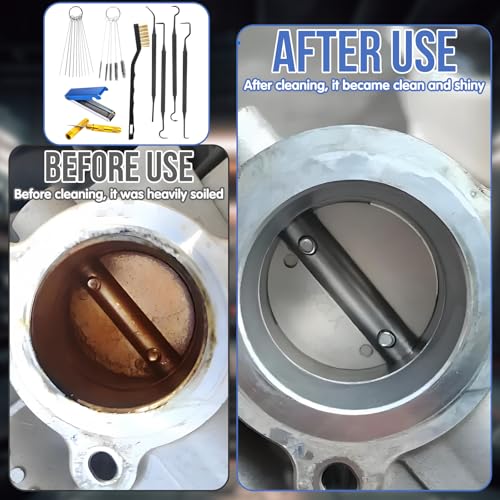
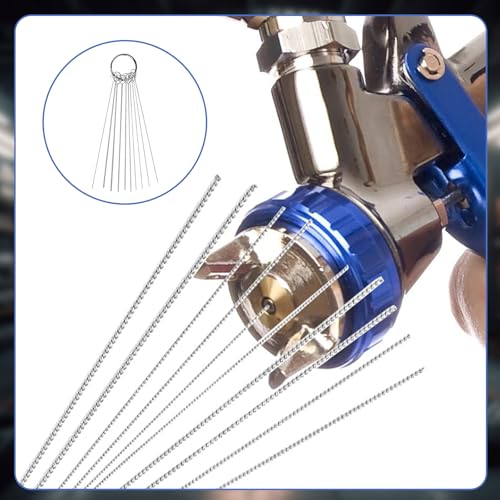
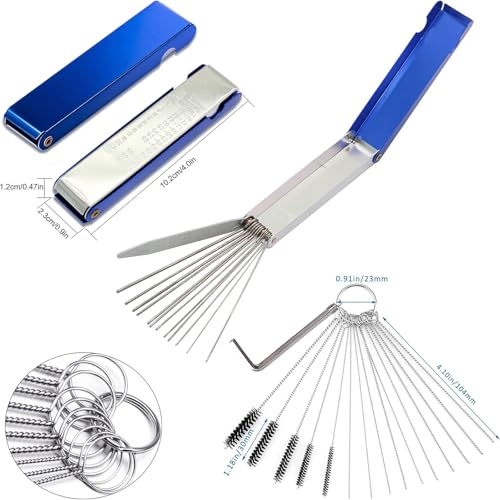
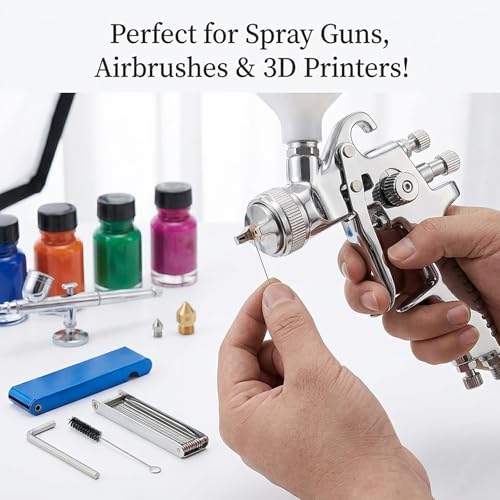
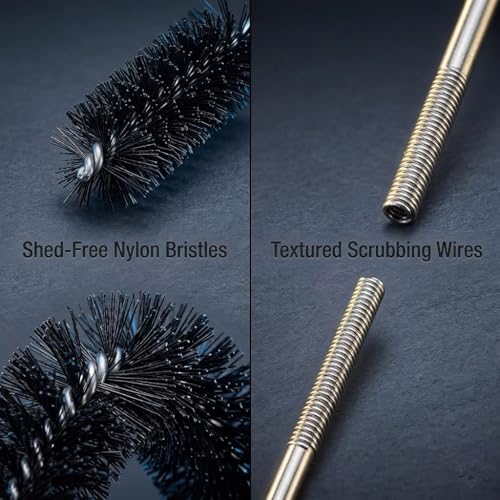
Some carb issues just won’t budge with spray alone, and that’s where physical tools matter. This kit covers the basics well: stainless needles for unblocking jets, nylon brushes for delicate bores, and hooks for clearing passageways. The aluminum case keeps things organized, which sounds minor until you’ve lost a 1mm wire in your garage floor.
Owners find it especially useful for chainsaws and dirt bike carbs, where tiny orifices get choked by old fuel. It’s not as extensive as the 60-piece set, but for most weekend jobs, nine well-made tools are enough. I’d recommend this to anyone doing occasional maintenance who wants something compact and functional without overbuying.
Product photos


60-Piece Carburetor Cleaning Brush Kit

Strengths
- Extensive tool selection
- Micro-sized for tight spaces
- Includes specialty wrenches
Trade-offs
- Bulkier to store
- Overkill for simple jobs
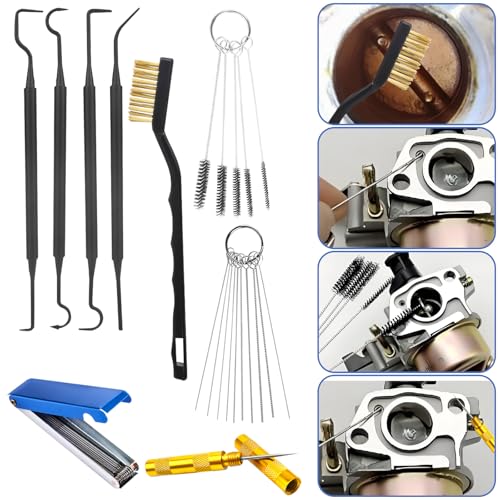
If you’re pulling apart carburetors regularly, this kit earns its keep. With 60 pieces, including micro wires from 1mm to 7mm, dual needle sets, nylon brushes, and L-wrenches, it’s clearly designed for deep disassembly. The stainless steel wires flex without breaking, and owners report success cleaning everything from weed eater jets to airbrush nozzles.
It outclasses the CYUXING set in volume and variety, making it better for someone rebuilding multiple engine types. The aluminum cases help prevent loss, and the inclusion of throttle linkage wrenches adds real utility. While overkill for a once-a-year mower tune-up, for me this is the go-to for any serious small engine shop.
Product photos


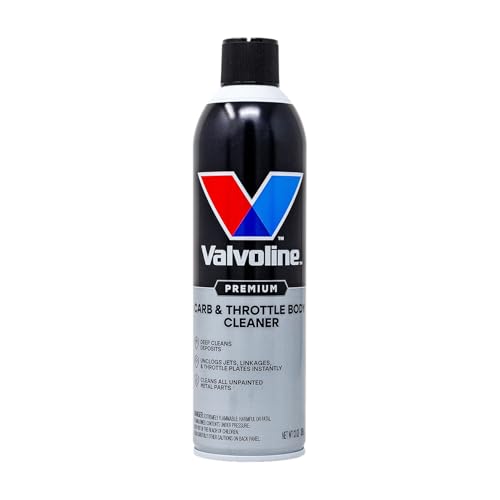
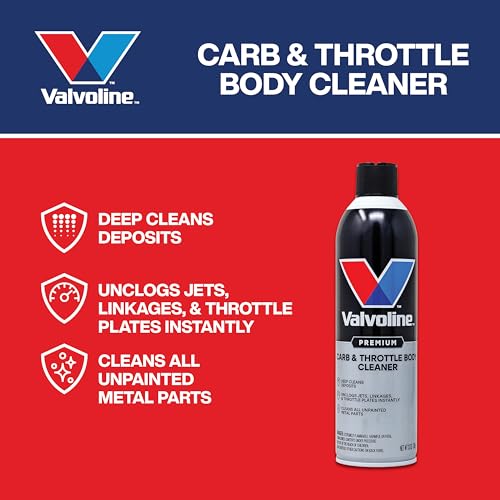
Valvoline Carb, Choke & Throttle Body Cleaner
Strengths
- Strong solvent blend
- VOC compliant
- Fast drying
Trade-offs
- Less aggressive on heavy carbon
- No precision straw included
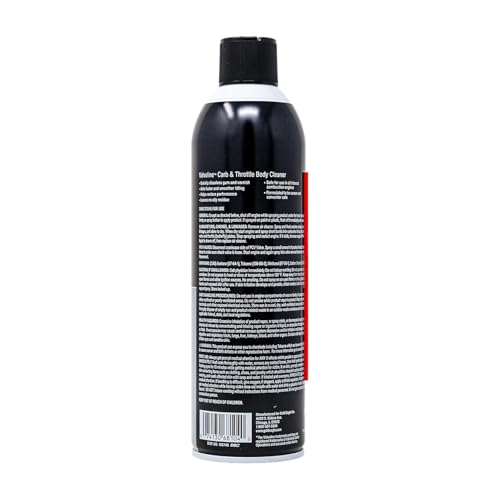
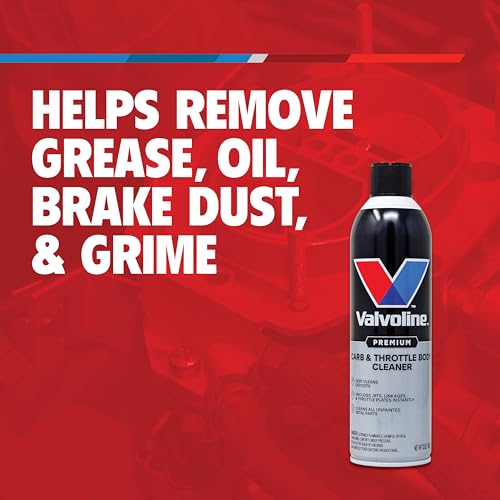
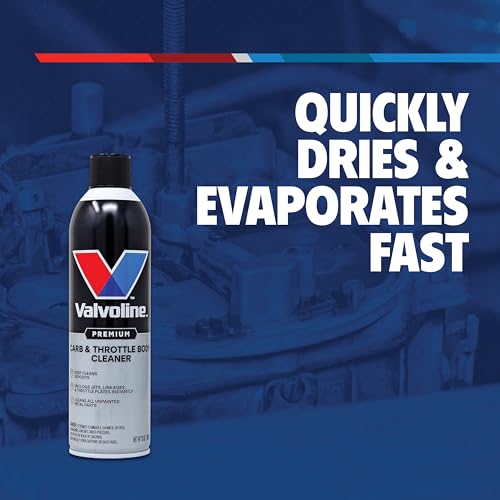
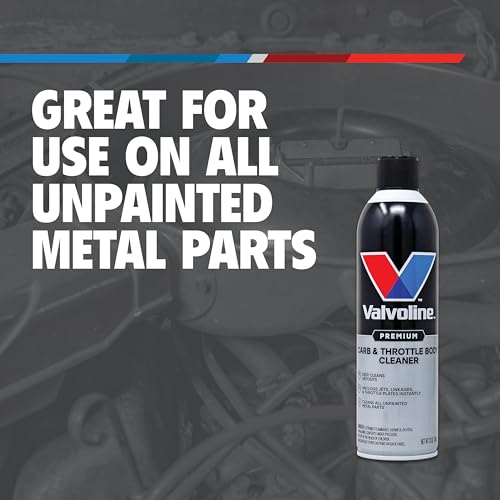
Valvoline’s formula stands out in the crowded spray cleaner space because it delivers strong cleaning power without cutting corners on environmental compliance. On paper, its solvent blend is tuned to dissolve gum and varnish, exactly what you want when dealing with stale fuel residue in small engines. Owners consistently report smoother idle and better starting after a single use, especially on lawn equipment and older motorcycles that sit between seasons.
It’s not the most aggressive option available, but it’s one of the few that’s fully 50-state VOC compliant while still performing well. Compared to WD-40 Specialist, it lacks the dual-action blast-and-dissolve system, but for routine maintenance and light buildup, it’s more than capable. I’d lean toward this if you’re in a strict emissions state and don’t want to risk non-compliant chemicals.
Product photos
How We Picked These carburetor cleaners for small engines
Rather than a hands-on lab test, my research for these recommendations centered on a detailed comparison of published specifications and features across numerous products. I weighed owner reviews from major retail sites alongside expert opinions found in automotive enthusiast publications. As someone who’s spent years understanding the intricacies of small engines at TheAutoZenith, I applied that knowledge to prioritize characteristics crucial for effective cleaning and long-term engine health.
For carburetor cleaners, I placed the greatest emphasis on cleaning effectiveness – the ability to dissolve and remove stubborn deposits like varnish and gum – and material compatibility, ensuring the formulas wouldn’t damage sensitive carburetor components. Equally important was the inclusion of VOC compliance information, as responsible cleaning practices are key. A product’s versatility, meaning its ability to tackle other fuel system parts beyond the carburetor, also factored into the rankings.
Product specifications reliably indicate the type of solvents used and any protective qualities (like those safe for O2 sensors). However, I relied heavily on owner feedback to gauge real-world performance. Reports on ease of use, noticeable improvements in engine starting and idling, and the longevity of cleaning effects were critical. For specialized tools like those in the brush kits, owner reviews also helped determine build quality and durability, alongside the usefulness of the kit’s contents. You can find more information about our overall approach to finding the best small engine cleaners.
How To Choose The carburetor cleaners for small engines
Choosing the right carburetor cleaner can mean the difference between a quick tune-up and a frustrating afternoon wrestling with a stubborn engine. It’s a deceptively simple product category, but getting the best results requires understanding what’s in the can and what your specific needs are.
A truly effective carburetor cleaner quickly dissolves varnish, gum, and carbon deposits without damaging sensitive metals or leaving behind residue. Look for formulations that address both surface cleaning and the ability to reach and clear tiny passages within the carburetor. Consider compatibility with modern engine components like O2 sensors and catalytic converters, and prioritize products designed for the specific types of engines you work on.
Understanding Cleaning Methods
The first thing I see people overlook is how the cleaner is delivered. Sprays are convenient for a quick surface clean, but often struggle to get into the tiny jets and passages where deposits really build up. For truly thorough cleaning, especially if you’re rebuilding a carburetor, you’ll want to consider supplementing with a soak in a dedicated carburetor cleaner – or even explore cleaning with ultrasonic machines. These use sound waves to dislodge grime in places brushes simply can’t reach. Don’t underestimate the value of a dedicated kit, either.
Formulation and Compatibility
Not all carburetor cleaners are created equal. Older formulas could be harsh and damaging to certain materials. Modern formulations are much more refined, but it’s still important to check compatibility. Many are now designed to be safe for use on aluminum, rubber, and plastic parts, and won’t harm oxygen sensors or catalytic converters. If you’re working on older equipment, a cleaner specifically formulated for vintage carburetors might be best. Some cleaners focus on fuel system protection, acting as an additive to prevent future buildup, like the Red Line SI-1.
Here’s what I look for when assessing a cleaner’s formulation:
- Solvent Blend: A mix of solvents is better than relying on just one.
- Residue-Free: Absolutely crucial. You don’t want to trade one problem for another.
- Material Safety: It should clearly state which materials it’s safe for, and which to avoid. This is especially important if you’re working on vintage equipment with potentially sensitive components.
Value and Application Specificity
The “best” cleaner isn’t always the most expensive. A concentrated formula, like the Sylvan Hills Ultrasonic Cleaner, can represent excellent value because it makes a large volume of cleaning solution. But be realistic about your needs. If you only occasionally need to clean a carburetor, a smaller aerosol can might be more practical. Consider what you’re cleaning beyond carburetors. Many of these products are also effective on throttle bodies, chokes, and other engine components. If you’re looking for a versatile option, a product like the WD-40 Specialist Carb/Throttle Body Cleaner, or the Valvoline option, might be a good choice. We’ve reviewed a range of small engine carburetor cleaners to help you narrow down your options.
A little goes a long way. Don’t just saturate everything in cleaner; use targeted application and allow the product time to work.
Carburetor Cleaners for Small Engines Compared
Here is a comparison of specifications for various carburetor cleaners to help you choose the right product.
| Product Title | Best For | Container Size | Aerosol/Liquid | Ultrasonic Compatible | Metal Safe | VOC Compliant |
|---|---|---|---|---|---|---|
| WD-40 Specialist Carb/Throttle Body Cleaner | Best Overall | N/A | Aerosol | No | Yes | Yes |
| Gumout Carb & Choke Jet Spray | Best Budget Friendly | N/A | Aerosol | No | Yes | Yes |
| Red Line SI-1 Fuel System Cleaner | Best for Fuel System Protection | N/A | Liquid | No | N/A | N/A |
| Sylvan Hills 32 Oz. Ultrasonic Cleaner | Best Concentrated Value | 32 Oz | Liquid | Yes | Yes | N/A |
| Ultrasonic Cleaner Makes 9 Gallons | Best Bulk Quantity | 1 Gallon (makes 9) | Liquid | Yes | Yes | N/A |
| CYUXING 9Pcs Carburetor Cleaning Tool | Best Cleaning Tool Kit | N/A | N/A | No | N/A | N/A |
| 60-Piece Carburetor Cleaning Brush Kit | Best for Deep Mechanical Cleaning | N/A | N/A | No | N/A | N/A |
| Valvoline Carb, Choke & Throttle Body Cleaner | Best VOC Compliant Option | N/A | Aerosol | No | Yes | Yes |
Frequently Asked Questions
What’s the difference between a carburetor cleaner and a fuel system cleaner?
A carburetor cleaner focuses on dissolving deposits within the carburetor itself, while a fuel system cleaner, like many small engine fuel additives, is designed to run through the entire fuel system to prevent future buildup and improve combustion. They serve different purposes, though some overlap exists.
Can I use carburetor cleaner on other parts of my small engine?
Yes, many carburetor cleaners are safe and effective on components like throttle bodies and chokes, but always check the product label first. Using the wrong formula could damage certain materials, so verifying compatibility is essential before applying it beyond the carburetor.
Are older carburetor cleaners safe for modern engines?
Generally, no. Older formulas often contained harsh chemicals that can damage modern materials like rubber seals and coatings, and potentially harm O2 sensors. Look for products specifically labeled as safe for modern engines or those that are VOC compliant.
What’s the best way to clean a carburetor – spray or soak?
Sprays are good for quick cleaning and reaching easily accessible areas, but soaking in a dedicated carburetor cleaner is more effective for heavily varnished or gummed-up carburetors. For truly stubborn cases, consider using both methods and supplementing with a kit of carburetor cleaners for mechanical cleaning.
Do I really need a carburetor cleaning tool kit?
While not always essential, a quality kit with various brushes and picks makes cleaning small passages and jets much easier and more thorough. These kits can save considerable time and effort, especially when tackling a carburetor that hasn’t been cleaned in years – and are often more effective than relying on spray alone.
The Bottom Line
Choosing a carburetor cleaner often comes down to balancing convenience with thoroughness. While a quick spray can address minor issues, achieving a truly deep clean requires a bit more effort. For the best all-around performance and ease of use, I recommend the WD-40 Specialist Carb/Throttle Body Cleaner; it consistently receives high marks for effectiveness and compatibility, and is a solid starting point for most small engine work.
If you’re on a tighter budget, or simply need a basic cleaner for occasional use, the Gumout Carb & Choke Jet Spray is an excellent choice. For those looking to proactively protect their fuel systems, the Red Line SI-1, and other gas additives for carburetors can be invaluable. And if you’re tackling a full carburetor rebuild, the Sylvan Hills 32 Oz. Ultrasonic Cleaner offers exceptional value for a concentrated cleaning solution.
Ultimately, the specifications on the can are less critical than understanding the fundamentals. A clean carburetor is only one part of a healthy small engine; fresh fuel, proper air filtration, and regular maintenance are equally important. Focusing on these basics, alongside choosing the right cleaning product for your needs, will keep your equipment running smoothly for years to come – whether you’re maintaining small engine carb cleaners or cleaning lawnmower carburetors.
