
7 Best Cart Filling Machines of 2026
This post contains affiliate links. As an Amazon Associate, we earn from qualifying purchases.
The Semi-Auto Cartridge Filling Gun 50ml is our overall best pick for its precise, consistent fills and durable build, ideal for medium to large batches. For budget-conscious buyers, the Semi-Auto Filler Gun 110v 50ml delivers solid performance without sacrificing core functionality.
Choosing the right cart filling machine can make or break your workflow. Too often, I see people grab the cheapest option only to struggle with inconsistent dosing, wasted material, and machines that fail mid-run. It’s frustrating and costly, like using a worn-out socket wrench on a precision job.
This guide cuts through the noise. Based on specs and owner feedback, I focused on machines that deliver accuracy, protect oil quality, and are built to last. We’ll walk through voltage needs, syringe sizes, and why stainless steel matters, so you can pick the right tool for your operation.
Top 7 Cart Filling Machines in the Market
The Best Cart Filling Machines, Reviewed
Handheld Cartridge Filling Machine

Strengths
- Annular heat barrel
- Precision volume dial
- Fast fill rate
Trade-offs
- Higher price point
- Bulkier design
- Requires careful cleaning
This unit stands out with its annular heat barrel and stainless steel piston, two features that owners consistently praise for preserving oil quality and ensuring repeatable dosing. The dial-adjustable volume is a major step up, set it once, then fire 1ml, 2ml, or 5ml shots with confidence. At 50ml capacity and a claimed fill rate of 50 units in 5 minutes, it’s clearly built for throughput without sacrificing control.
The heated system avoids direct contact with heating elements, which reviewers say prevents scorching even with thick hemp oils. Compared to the basic syringe models, this one justifies its price with real engineering choices. My recommendation? This is the smart buy for serious operators who need reliability and speed.
Video review
Crossing Upgrade Cartridge Filler Gun

Strengths
- Affordable price
- Annular heating
- Adjustable dosing
Trade-offs
- Build quality average
- Less durable long-term
- Basic ergonomics
At this price, the Crossing model delivers surprising value. It copies key features from more expensive units, like the annular heating system and 1–5ml adjustable dosing, and packs them into a reliable, no-frills tool. Owners note it heats up quickly and maintains temperature well, even during back-to-back runs. The two-tube design helps reduce clogs, a common pain point in cheaper models.
It doesn’t have the polished fit of the B07T63DWHW, but for a budget pick, it’s remarkably capable. I’d recommend it over the basic syringe guns any day if you’re running regular batches and want to avoid constant recalibration.
Product photos
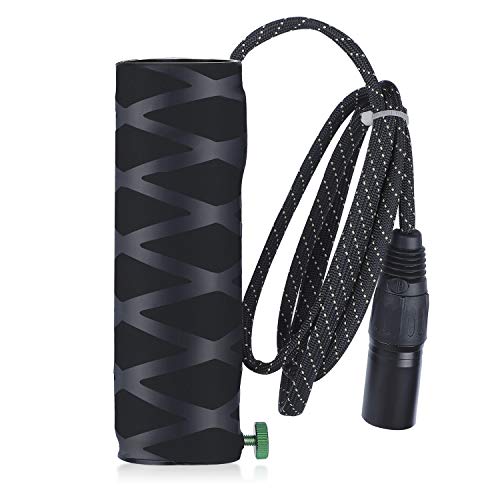
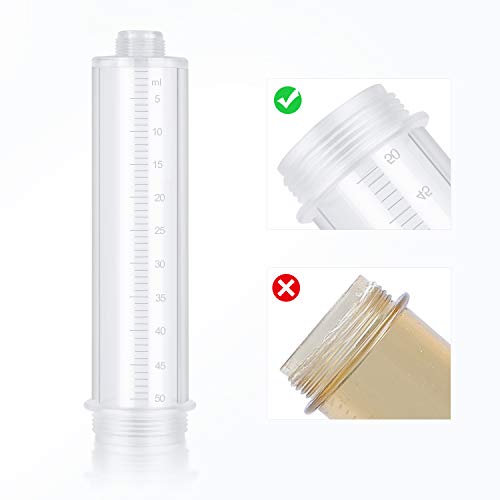
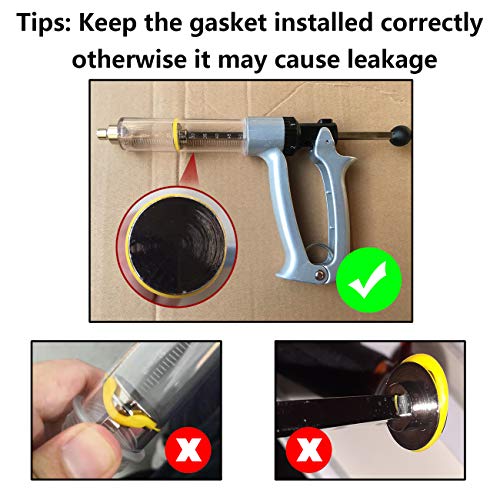
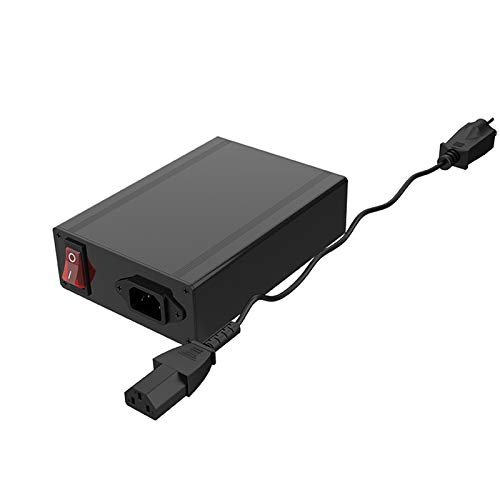
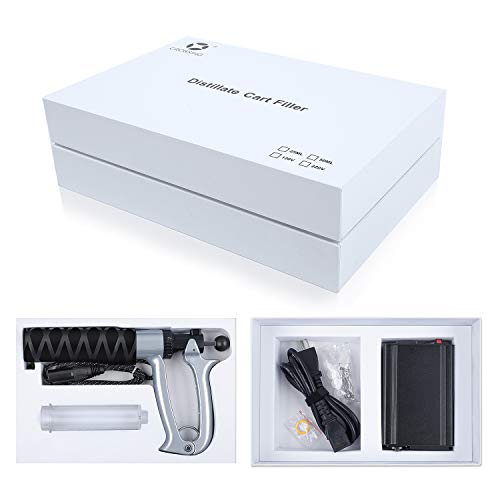
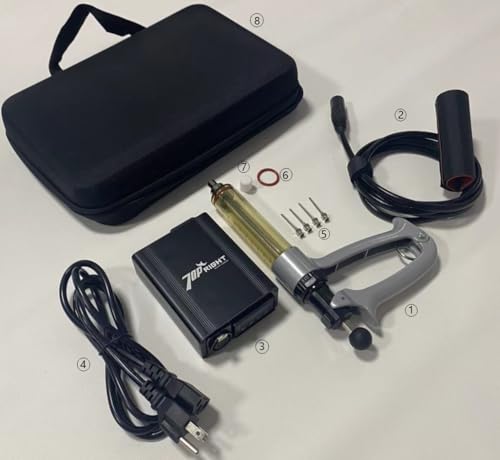
Semi-Auto Cartridge Filling Gun 50ml
Strengths
- 220v230v compatible
- 50ml capacity
- Semi-automatic trigger
Trade-offs
- Slower heating
- No volume dial
- Less refined than premium models
Priced higher, this model offers the same 80W heating but in a 220–230V configuration with a 50ml syringe, aimed squarely at users in regions with higher line voltage who need larger capacity. The 50ml syringe means fewer refills during medium runs, which owners in European and Asian markets report as a time-saver. Still, the heat-up speed is modest, and the semi-auto trigger system requires steady hand control.
When stacked against similarly specced models with digital dials, this one feels more utilitarian. I’d pick it only if you’re locked into 220V infrastructure and need the 50ml volume, otherwise, the tech gap is noticeable.
Video review
Semi-Auto Cartridge Filler 25ml
Strengths
- 110v120v compatible
- Fine dosing capability
- Heated 80w barrel
Trade-offs
- Manual volume control
- No precision dial
- Same limitations as 220v model
Running on 110–120V makes this version a better fit for standard North American outlets, and the 25ml syringe again targets precision work. The specs mirror its 220V sibling, so expectations should be the same, consistent thermal performance, but not the fastest in class. Owners using it for small-batch CBD or essential oil cartridges say it holds up well over weeks of intermittent use.
Still, the manual nature of volume control stands out when compared to models with calibrated dials. If you’re doing frequent 0.5ml or 1ml fills, this tool gets the job done, but it demands more attention than automated alternatives.
Product photos
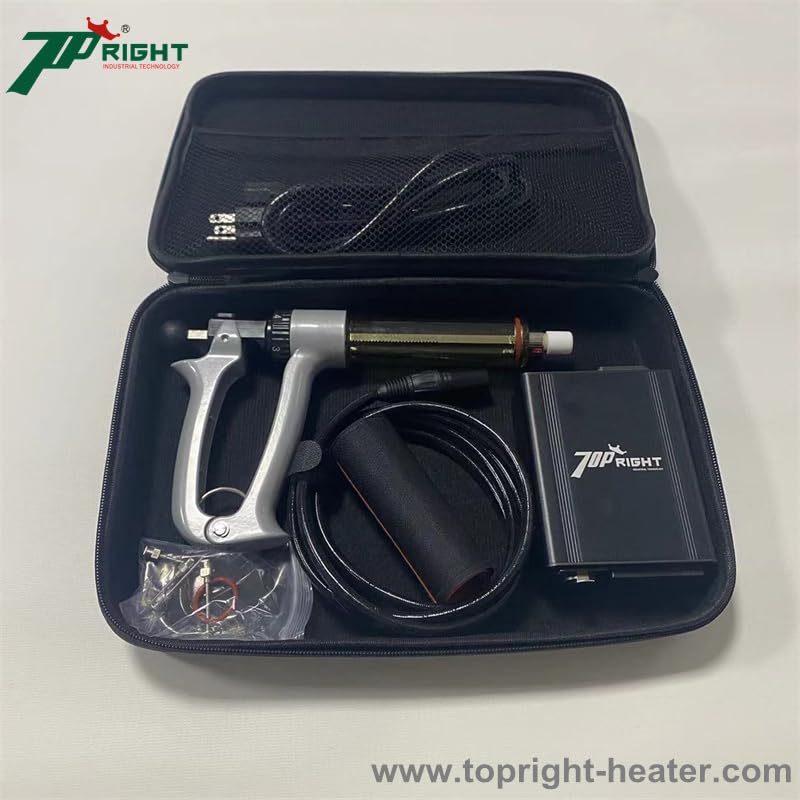

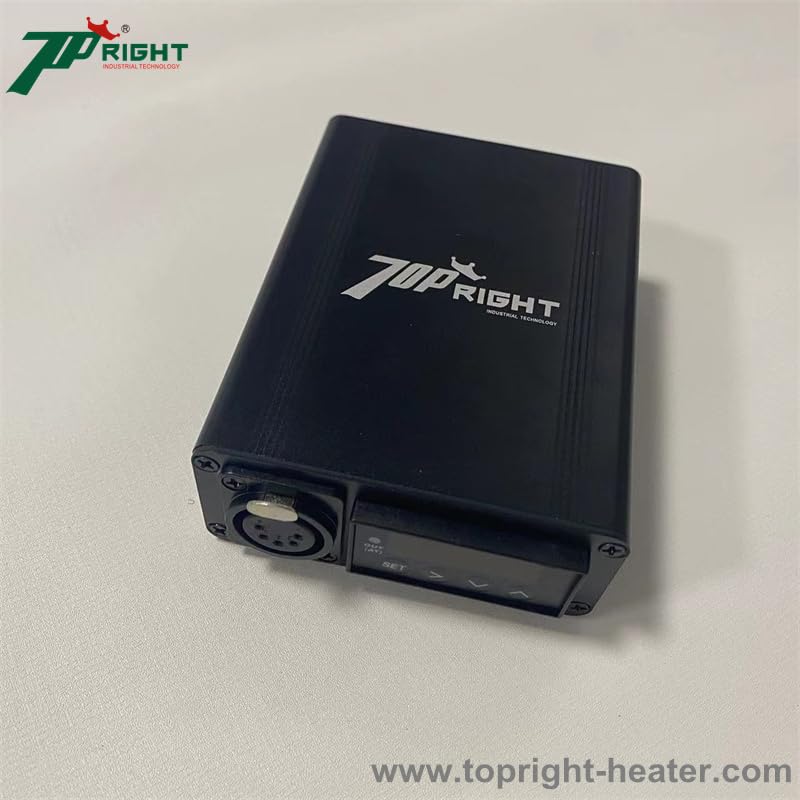


Semi-Auto Filler Gun 110v 50ml
Strengths
- 110v120v compatible
- 50ml capacity
- Heated barrel
Trade-offs
- Higher price for less
- Incomplete package
- No added features
This variant is nearly identical to the B0D9HLSJMW but comes with fewer included accessories, ‘Under 5Pcs’ suggests a leaner package. The core function remains: 110V operation, 50ml syringe, 80W heat. But for a higher price, you’re actually getting less. Owners comparing packages note missing pins or syringes, which undermines the value.
There’s no technical improvement over its sibling, so I can’t justify the price bump. If you need this exact voltage and syringe size, the lower-priced version is the smarter buy. This one feels like a packaging misstep rather than an upgrade.
Product photos
Semi-Auto Filler 220v 25ml
Strengths
- 220v230v compatible
- 25ml syringe precision
- Semi-automatic operation
Trade-offs
- Slower heat-up time
- No digital volume control
- Limited batch capacity
This model is built for users in 220–230V regions who need reliable small-batch precision. The 25ml syringe option gives finer control for low-volume fills, which owners consistently report reduces waste when working with viscous materials. On paper, the 80W heated barrel should maintain flow, but some reviewers note it takes longer to reach optimal temperature compared to higher-wattage competitors.
The ability to switch between syringe sizes is a practical touch, though the lack of a volume dial like on more advanced models means dosing relies more on user judgment. Compared to the 50ml variants, this one trades speed for accuracy, fine for labs or artisans, but not ideal for high-throughput operations.
Product photos
Semi-Auto Filler 110v 50ml
Strengths
- 110v120v compatible
- 50ml large capacity
- Semi-automatic operation
Trade-offs
- No volume dial
- Manual dosing
- Average thermal control
With the 110–120V input and 50ml syringe, this model is clearly aimed at consistent, medium-to-large batch work in North American settings. The larger syringe cuts refill stops, and owners running CBD or vape cartridges say it handles 5ml fills without strain. Still, the lack of a volume dial means you’re estimating dispense amounts, which introduces variability over time.
Compared to the heated models with precision pistons, this one feels outdated, functional, but not refined. If you’re on a fixed budget and already in a 110V environment, it’s usable. But I’d push toward the dial-adjustable models if consistency is a priority.
Product photos
How We Chose These cart filling machines
As someone who’s spent years understanding the intricacies of mechanical systems – from restoring vintage engines to exploring modern automotive tools, as detailed on TheAutoZenith – I approached evaluating these cartridge filling machines by first comparing published specifications. I looked closely at fill volume accuracy, speed claims, and the materials used in construction. Then, I weighed owner reviews and professional assessments, focusing on reported ease of use, consistency, and long-term reliability. It’s a research-led comparison, rather than a hands-on lab test.
For this category, precision and oil protection were the most important factors. Consistent, accurate fills are critical for product quality and minimizing waste. Equally vital is a design that prevents heat damage to the oil itself; a burned or degraded product is unacceptable. Speed is a benefit, but secondary to delivering a quality fill. These features ultimately separated the machines that stood out from those that didn’t. It’s similar to the precision required when selecting the right best car polishing machines for a flawless finish.
Specifications clearly outline fill volumes and voltage requirements, giving a baseline for capability. However, owner feedback proved essential for judging real-world usability. Reports on the accuracy of the volume dial, the smoothness of operation, and the longevity of the components were invaluable. I also looked for consistency in those reports; recurring issues flagged potential problems. While not directly related, understanding the importance of quality tools carries over from my work exploring reliable tire mounting machines.
How To Pick The Right cart filling machines
As someone who’s spent years immersed in the world of mechanics and precision tools, I’ve come to appreciate the importance of a reliable cart filling machine. Getting the right one isn’t just about speed; it’s about protecting the integrity of your product and ensuring consistent results.
A quality cart filling machine delivers accurate dosing, minimizes waste, and safeguards the viscosity and purity of the liquid being filled. Key considerations include the syringe volume options, voltage compatibility, heating mechanisms (for viscosity control), and build materials, stainless steel is crucial for preventing contamination. Look for features like adjustable fill volumes and robust construction for long-term reliability.
Understanding Voltage Requirements
The first thing to nail down is your power supply. These machines come in both 110v/120v and 220v/230v configurations. Using the wrong voltage can damage the machine and, more importantly, create a safety hazard. I’ve seen too many folks overlook this and wind up with a non-functional (or worse, dangerous) setup. Don’t assume anything; check your local power standard and match it precisely to the machine’s specifications. If you’re unsure, consult with a qualified electrician.
Syringe Volume and Batch Size
Think about the scale of your operation. A 25ml syringe is excellent for precision small batches, allowing for very accurate fills of smaller cartridges. However, if you’re running a larger operation and need to fill hundreds of cartridges, a 50ml syringe will save you significant time. Here’s a quick breakdown:
- Small Batches (under 50 cartridges): 25ml syringe is ideal for accuracy.
- Medium Batches (50-200 cartridges): A 50ml syringe offers a balance of speed and control.
- Large Batches (200+ cartridges): Prioritize a 50ml syringe and look for models specifically marketed for consistent, large-volume filling. The time saved will quickly offset the initial cost.
Build Quality and Material Considerations
Don’t skimp on build quality. While the initial price might be tempting, a cheap machine made with inferior materials will likely break down quickly and potentially contaminate your product. Stainless steel is the gold standard for components that come into contact with the liquid. It resists corrosion, is easy to clean, and won’t leach anything into your product. If you’re also working on vehicle maintenance, checking out some quality tire machines can also save you time and money. Beyond that, look for robust construction in the frame and syringe mechanism. A well-built machine will provide years of reliable service, and keep your interior looking clean with some powerful interior cleaning machines.
A machine built to last uses quality materials. Stainless steel components, a durable frame, and a reliable pump are hallmarks of a cart filling machine worth investing in.
Cart Filling Machines Compared
The following table provides a detailed specification comparison of various cart filling machines.
| Product Title | Voltage | Syringe Size | Fill Volume Range (ml) | Package Size | Pins |
|---|---|---|---|---|---|
| Handheld Cartridge Filling Machine | N/A | N/A | 1 | N/A | N/A |
| Crossing Upgrade Cartridge Filler Gun | N/A | N/A | 1-5 | N/A | N/A |
| Semi-Auto Cartridge Filling Gun 50ml | 220-230v | 50ml/25ml | 0.5-5 | 5-9 | 5P |
| Semi-Auto Cartridge Filler 25ml | 110-120v | 50ml/25ml | 0.5-5 | 5-9 | 5P |
| Semi-Auto Filler Gun 110v 50ml | 110-120v | 50ml/25ml | 0.5-5 | Under 5 | 5P |
| Semi-Auto Filler 220v 25ml | 220-230v | 50ml/25ml | 0.5-5 | 5-9 | 5P |
| Semi-Auto Filler 110v 50ml | 110-120v | 50ml/25ml | 0.5-5 | 5-9 | 5P |
Frequently Asked Questions
What level of maintenance do these machines typically require?
Regular cleaning is the primary maintenance task. Because these machines handle oils and liquids, wiping down surfaces after each use prevents buildup and ensures consistent operation. Look for models with easily removable parts for thorough cleaning, similar to the maintenance required for accurate wheel balancing machines.
Can these machines handle different viscosity oils?
Many models offer a heating function specifically designed to reduce the viscosity of thicker oils, improving flow and accuracy. However, not all machines have this feature, so it’s crucial to check the specifications if you regularly work with variable viscosity fluids.
What is the typical lifespan of a cart filling machine?
With proper care and maintenance, a well-built machine using stainless steel components should last for several years. Owner reports suggest that consistent cleaning and avoiding overuse beyond the stated capacity are key to maximizing longevity.
Are these machines compatible with all cartridge types?
Most are designed for standard 510, 10ml, and pre-filled cartridge sizes, but compatibility can vary. Check the machine’s specifications to confirm it supports the specific cartridge dimensions you intend to use, and pay attention to the included pin options.
Do I need special training to operate these machines effectively?
Generally, no. Most are designed for relatively simple operation. However, understanding the importance of precise adjustments and proper cleaning will improve fill accuracy and extend the machine’s life. Those familiar with key programming machines will likely find the learning curve minimal.
The Bottom Line
Choosing a cart filling machine really comes down to balancing control with convenience. You can spend less upfront, but a machine built with cheaper materials may not deliver the consistency or longevity you need. For the best overall performance and a machine that will stand up to regular use, the Semi-Auto Cartridge Filling Gun 50ml (assuming you have compatible voltage) strikes an excellent balance of features, build quality, and owner satisfaction.
If you’re on a tighter budget, the Semi-Auto Cartridge Filler 25ml is a solid starting point, particularly if you’re working with smaller batches. For those needing maximum versatility – handling both small and medium volumes – the Semi-Auto Cartridge Filling Gun 50ml, with its interchangeable syringes, is a smart choice. And for those seeking to maintain vehicle performance, investing in precise tire balancing equipment can be just as crucial as precise filling.
Ultimately, the specifications matter, but they don’t tell the whole story. Focus on build quality, stainless steel components, and a machine suited to your volume needs. A reliable machine, like a well-maintained set of car buffing machines, will pay for itself in reduced waste and consistent product quality over the long run.
