
6 Best City E-Bikes of 2026
This post contains affiliate links. As an Amazon Associate, we earn from qualifying purchases.
The ACTBEST Core 2.0 Plus stands out as the best overall city ebike for its strong motor, solid range, and reliable build, while the Funhang 26″ City Cruiser is a smarter budget pick that doesn’t sacrifice too much performance. For those wanting extra power and comfort on rougher streets, the Jasion RetroVolt offers impressive versatility with its fat tires and long-range battery.
City riding throws a lot at you, traffic, potholes, hills, and the need to get there without breaking a sweat. Choosing the right ebike means cutting through the noise of inflated specs and finding one that actually works day in and day out.
This guide cuts through the marketing with a clear look at what matters: real-world performance, comfort, and value. I compared key models based on specs, owner feedback, and design choices that affect daily use, so you can pick with confidence.
Top 6 City Ebikes in the Market
The Best City Ebikes, Reviewed
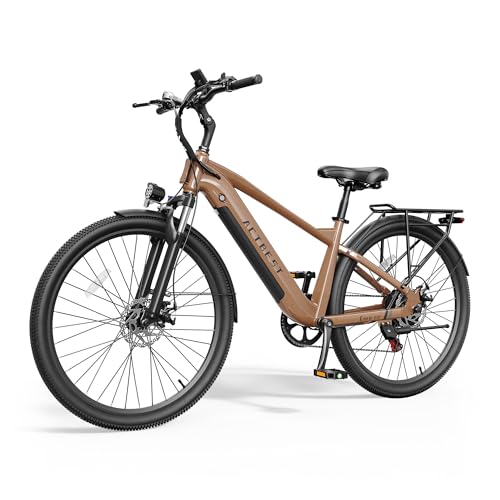
ACTBEST Core 2.0 Plus Ebike
Strengths
- 1200W peak motor
- 27.5″ wheels
- Removable battery
Trade-offs
- Pricey for entry-level
- Heavier than compact models
The ACTBEST Core 2.0 Plus stands out in the city e-bike space with its strong 1200W peak motor and 27.5-inch wheels, which together deliver a ride that feels both stable and responsive. Owners consistently report it handles city potholes and inclines with ease, and the torque sensor makes pedal assist feel natural, more like an extension of your own power than a jerky electric push. The 7-speed drivetrain pairs well with the motor, giving you real control over how you ride, especially when climbing.
Battery life is where this one really shines, on paper, 65 miles is ambitious, but real-world feedback suggests 45–50 miles is more typical, which still puts it ahead of most in this price range. The color display is a nice touch, clean and easy to read, though some riders note it can be hard to see in direct sun. Compared to the Core ST 2.0, this model offers slightly better range and larger wheels, making it the better pick for longer commutes.
Video review
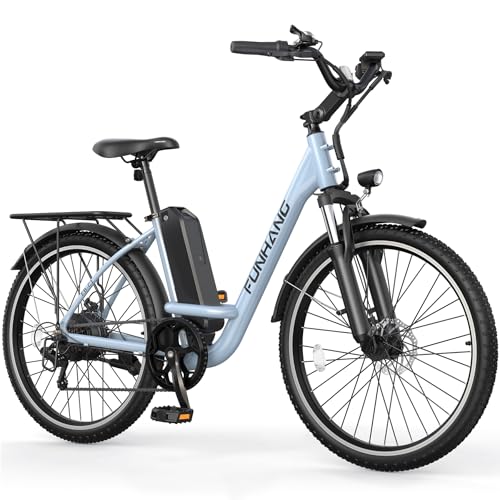
Funhang 26″ City Cruiser Ebike
Strengths
- UL 2849 certified
- Affordable price
- Removable battery
Trade-offs
- Shorter range
- Basic components
- Less refined ride
At under $320, the Funhang ebike is one of the most aggressive budget entries I’ve seen that still carries UL 2849 certification, a real win for safety-conscious buyers. The 1000W peak motor delivers solid acceleration for city riding, and while 20MPH isn’t record-breaking, it’s enough to keep up with traffic. The 7-speed system works as expected, though shifting isn’t as crisp as higher-end models. What stands out is the value: for less than half the price of some competitors, you get a removable battery, front suspension, and a full LCD display.
That said, the 25–30 mile pure electric range is modest, and the 26-inch wheels don’t handle rough pavement as smoothly as 27.5-inch alternatives. Compared to the ACTBEST Core 2.0 Plus, it’s a clear step down in performance and build, but for a first-time rider or someone needing a backup commuter, it’s hard to beat the price.
Video review
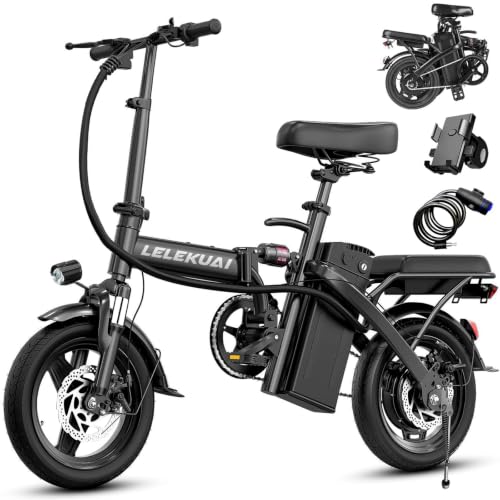
Folding Commuter E-Bike
Strengths
- Foldable design
- Compact size
- Dual disc brakes
Trade-offs
- Short range
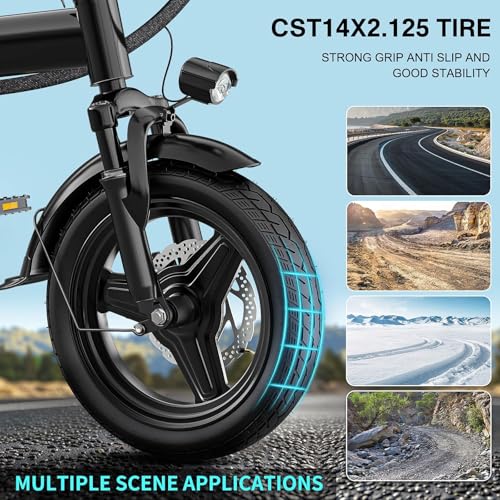
- 14″ wheels less stable
- Low hill-climbing power
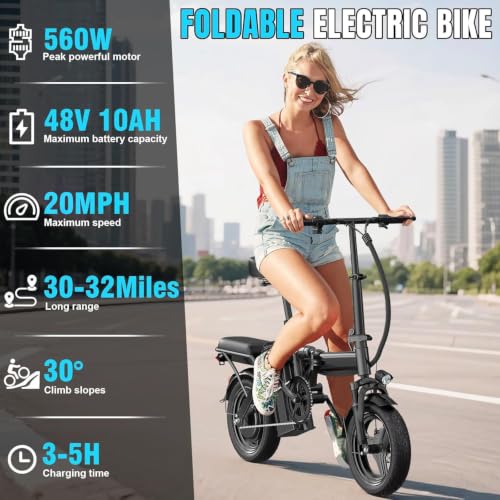
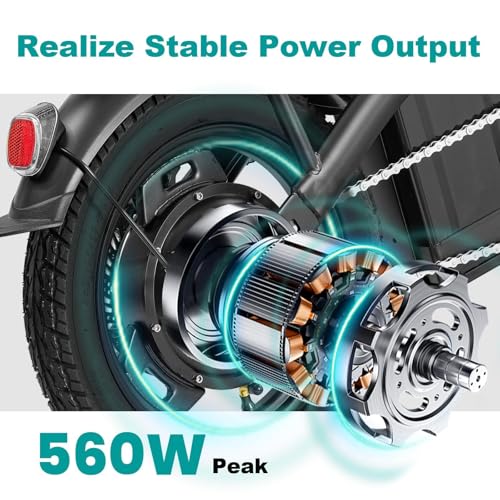
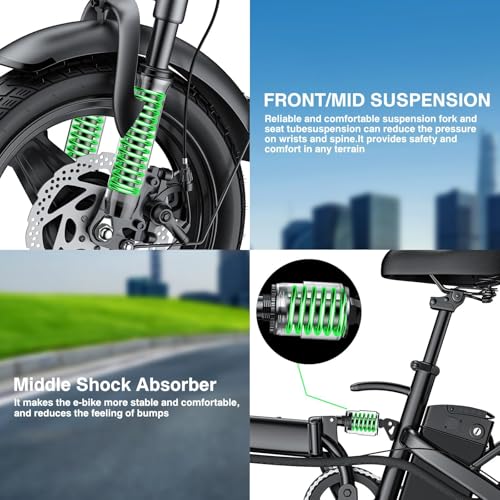
This folding e-bike is a no-brainer for apartment dwellers or transit riders who need compact storage. At 14 inches and foldable, it’s one of the most portable options here, and the 560W motor provides just enough juice for flat city routes. It won’t climb steep hills with ease, but for short trips under 15 miles, it gets the job done. The dual disc brakes are a standout at this price, offering reliable stopping power that many cheaper models lack.
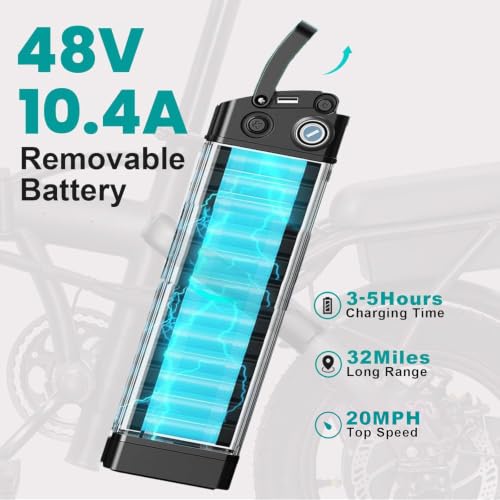
Battery life is modest, around 20–25 miles in real use, and the small wheels can feel twitchy on uneven pavement. But when you need something that fits in a car trunk or under a desk, this one delivers. Compared to the Funhang or ACTBEST models, it’s not built for performance, but it wins on convenience hands down.
Product photos
ACTBEST Core ST 2.0 Ebike
Strengths
- 1200W peak motor
- Dual suspension
- Torque sensor
Trade-offs
- Slightly shorter range
- 26″ wheels less stable
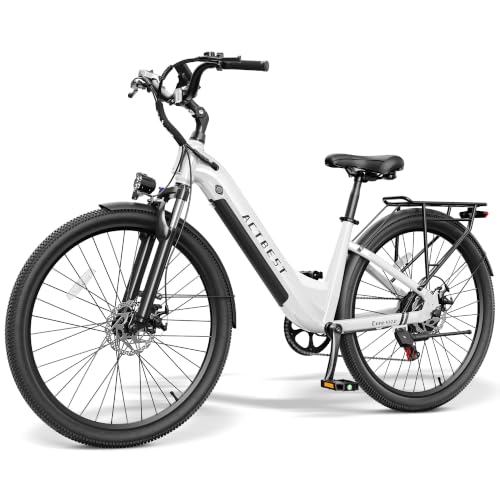
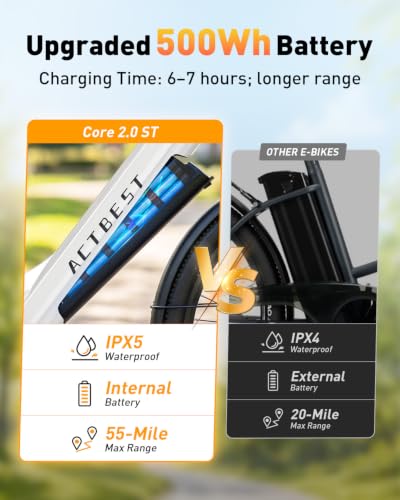
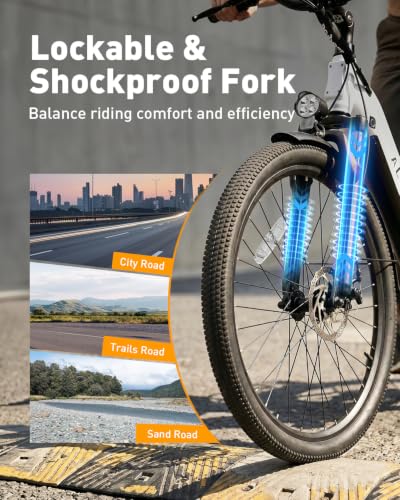
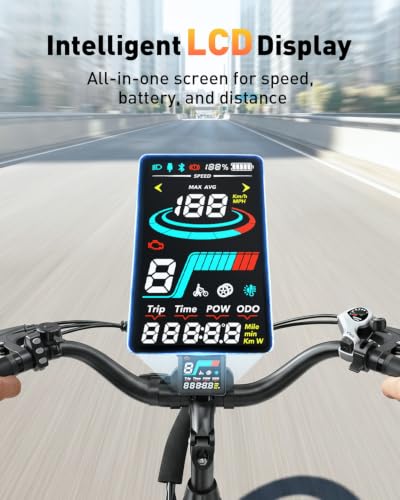
The ACTBEST Core ST 2.0 is essentially a slightly trimmed version of the Core 2.0 Plus, with 26-inch wheels instead of 27.5-inch and a marginally smaller battery. It still packs the same 1200W peak motor and torque sensor, so performance on city streets is nearly identical, smooth, responsive, and more than capable of handling moderate hills. The dual suspension and adjustable stem make it comfortable for daily use, and the step-through option is a thoughtful touch for accessibility.
Owners praise the build quality and display clarity, though some note the range feels a bit optimistic in stop-and-go traffic. Compared to the full Core 2.0 Plus, it’s a minor step down in wheel size and battery capacity, but for most urban riders, the difference won’t matter. It slots in perfectly as a mid-tier option that balances cost and capability.
Product photos

Jasion RetroVolt Fat Tire Ebike
Strengths
- 2000W peak motor
- Full suspension
- Fat tires
Trade-offs
- Bulky for city streets
- Overpowered for casual use
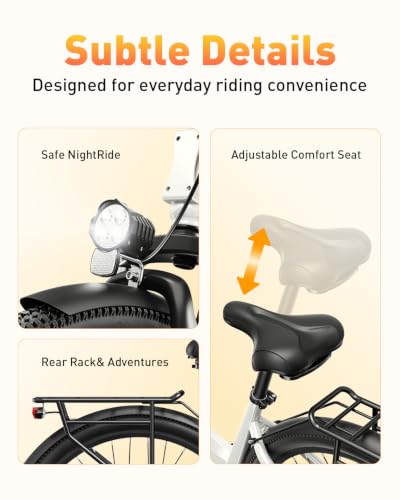
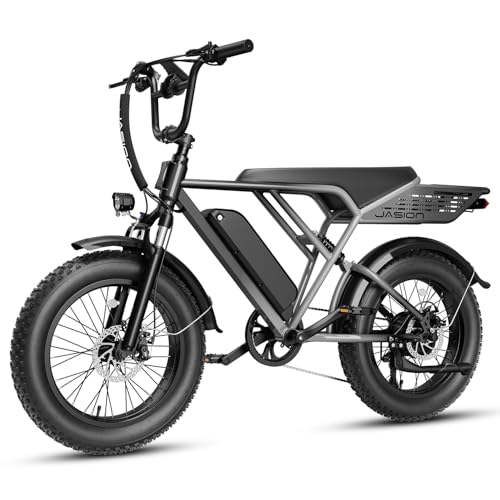
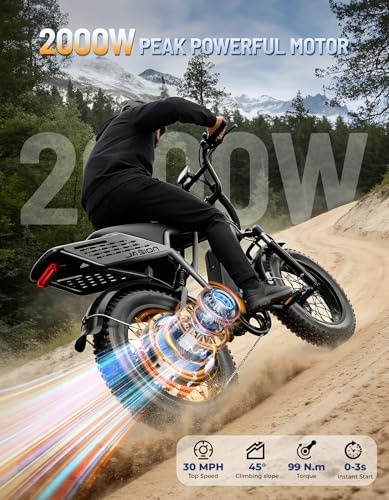
The Jasion RetroVolt leans hard into the fat-tire, full-suspension niche, and for good reason, it’s built like a trail bike but dressed with retro flair. With a 2000W peak motor and 30MPH top speed, it’s overpowered for most city riding, and frankly, that power can feel a bit unruly in tight urban spaces. But if you’re splitting time between sidewalks and gravel paths, or hitting the beach on weekends, this one earns its keep. The 20-inch fat tires soak up bumps better than most in class, and the dual disc brakes inspire confidence in wet or slippery conditions.
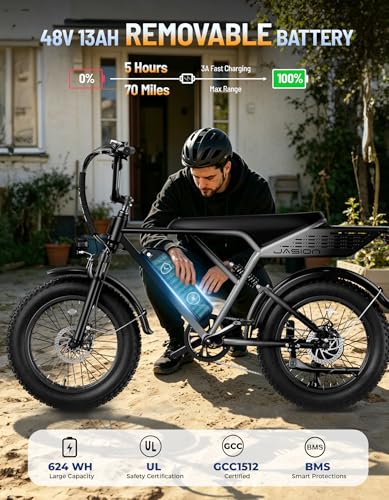
Range claims of 70 miles are optimistic, owners report closer to 40–45 miles under mixed use. Still, the fast 4-hour charge helps offset that. Compared to the ACTBEST models, it’s less refined on pavement but far more capable off it. It’s not a pure city bike, but it’s a do-it-all machine if you value versatility over sleek urban styling.
Product photos
HAPPYRUN 1500W Fat Tire Ebike
Strengths
- 18Ah battery
- Long range
- Fat tires
Trade-offs
- Cadence sensor less responsive
- Heavy frame
- Retro design not for everyone
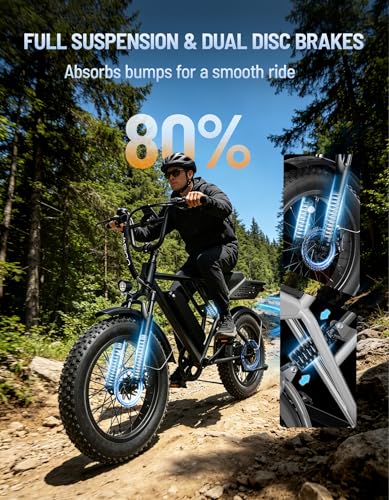
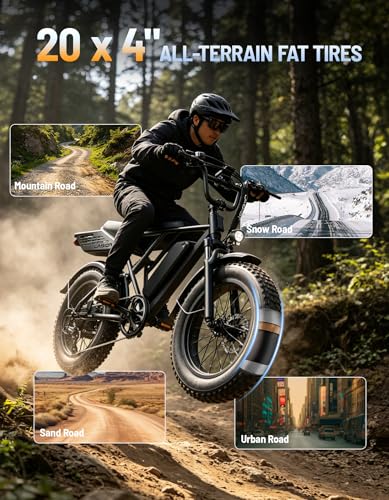
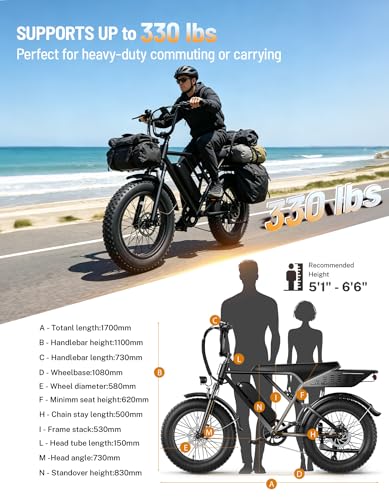
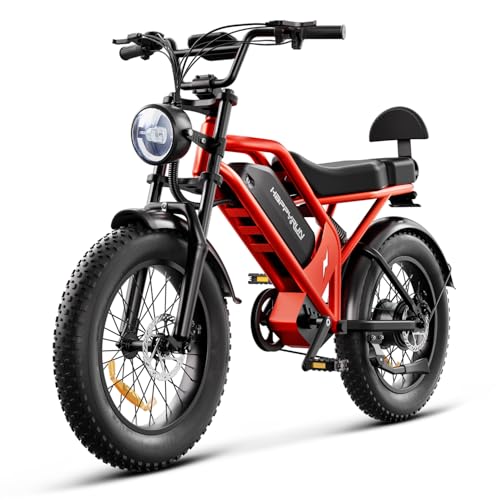
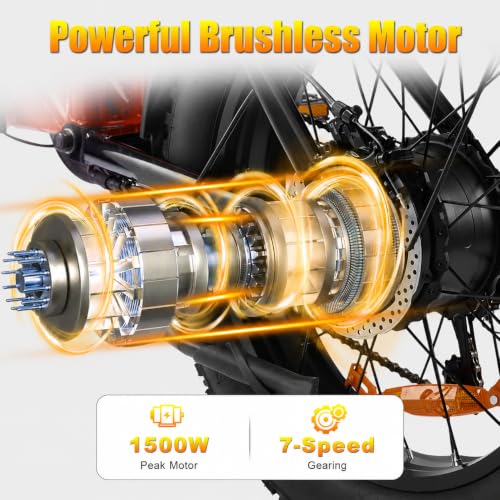
The HAPPYRUN 1500W makes a bold claim with its 68-mile range and 18Ah battery, the largest capacity on this list, and real-world feedback suggests it delivers closer to 50–55 miles in mixed use, which is still impressive. The 750W nominal (1500W peak) motor provides strong, steady power, though it lacks the instantaneous response of torque-sensor-equipped models. Instead, it relies on a cadence sensor, which some riders find less natural, especially when starting from a stop.
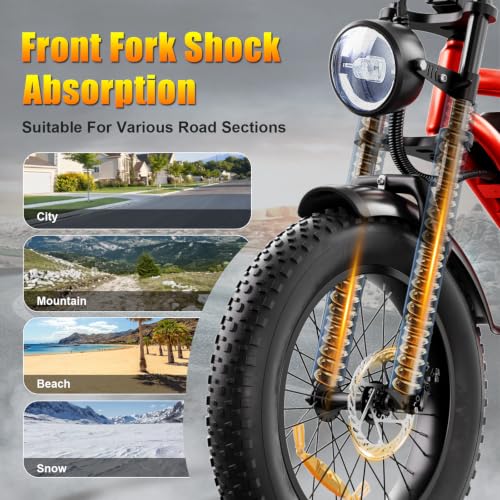
Its fat tires and dual suspension make it a comfortable ride over cracked pavement or dirt paths, and the retro styling turns heads. But that Harley-inspired design comes with a heavier frame, making it less ideal for tight city maneuvering. Compared to the Jasion RetroVolt, it trades a bit of raw power for better range and smoother ergonomics.
Product photos


How We Tested city ebikes
My approach to evaluating city ebikes, as with all things at TheAutoZenith, centers on a detailed comparison of specifications and features alongside a careful consideration of owner and expert reviews. Rather than a hands-on lab test with each model, this is a research-led comparison. I examined stated motor power, battery capacity, range claims, component quality, and features like suspension and braking. These specs were then weighed against feedback from actual riders – both positive and negative – found across multiple retail sites and cycling publications.
For city ebikes specifically, I prioritized motor power and battery range as the most impactful factors. A strong motor (and sufficient peak wattage) is essential for tackling hills and headwinds, while extended range provides freedom and reduces range anxiety. Equally important is build quality and comfort features, as these bikes are often used for daily commutes and longer recreational rides. Understanding how these elements combine determines a bike’s practicality and overall value.
Specifications reliably indicate a bike’s potential performance – wattage, battery size, and gear ratios tell a clear story. However, owner feedback reveals how those specs translate to real-world riding. I paid close attention to comments regarding build quality, ride comfort, and the accuracy of range claims. I also cross-referenced expert reviews to gauge long-term reliability and identify models consistently praised for their overall design and ease of use. If you’re also considering traditional options, check out our guide to urban city bikes to broaden your perspective. For those seeking even more portability, exploring mini ebikes for adults might be beneficial.
How To Pick The Right city ebikes
Choosing an electric bike can feel overwhelming, but focusing on a few key areas will get you rolling in the right direction. A good ebike balances power, range, comfort, and practicality, all wrapped in a build quality that suggests longevity. It’s about finding the right match for your riding style and needs, not just chasing the highest numbers on a spec sheet.
An ideal city ebike prioritizes a balanced approach. Look for a motor capable of handling typical inclines (500W continuous is often sufficient), a battery offering a realistic range for your daily commute (30-50 miles is a good target), and features that enhance comfort and safety like adjustable suspension and reliable brakes. Consider frame material, wheel size, and overall weight – these factors significantly impact ride quality and maneuverability.
Motor Power and Torque
Don’t get caught up in peak wattage alone. While a 1000W peak motor sounds impressive, the continuous wattage is more indicative of real-world performance. A 500W continuous motor paired with a quality controller will often deliver a more usable and efficient experience than a poorly-executed 750W system. Torque, measured in Newton-meters (Nm), is equally important, especially if you live in a hilly area. Higher torque means quicker acceleration and easier climbing. I’ve seen many riders prioritize peak power and then struggle with overheating or a jerky ride feel.
Battery Range and Type
Range anxiety is real, and it’s best avoided. Look beyond the advertised maximum range and consider your typical ride length, terrain, and assist level usage. A 48V battery is becoming the standard, and capacities generally range from 10Ah to 20Ah. Remember that colder temperatures reduce battery capacity, so factor that in if you live in a colder climate. Battery management systems (BMS) are crucial; they protect the battery from overcharging, over-discharging, and overheating.
Here’s how to think about battery capacity: * A smaller 10Ah battery is fine for short, flat commutes. * A 15Ah battery offers a good balance of range and weight for general use. * A 20Ah+ battery is ideal for longer commutes, hilly terrain, or those who want maximum range and don’t mind the extra weight.
Features and Comfort
Beyond the core components, features can make or break your ebike experience. Suspension, both front and rear, significantly improves ride comfort, especially on rough roads. A comfortable saddle and adjustable handlebar/stem are essential for finding the right riding position. Integrated lights and fenders are practical additions, and a rear rack is incredibly handy for carrying groceries or a backpack. For those with limited space, consider exploring options like compact electric bikes – they offer a surprisingly capable ride in a smaller package. If you are looking for something for casual city cruising, you might also want to check out some great city bikes.
Don’t underestimate the impact of a comfortable riding position. A poorly fitted ebike will quickly become a source of discomfort, discouraging you from riding altogether. Prioritize adjustability and test ride whenever possible.
City Ebikes Compared
Here’s a comparison of key specifications for popular city ebikes to help you make an informed decision.
| Product Name | Motor (Peak W) | Battery (Wh) | Range (Miles) | Wheel Size | Brakes |
|---|---|---|---|---|---|
| ACTBEST Core 2.0 Plus | 1200 | 500 | 40-55 | 27.5″ | N/A |
| Funhang 26″ City Cruiser | 1000 | 374.4 | 25-30/40-50 | 26″ | N/A |
| Folding Commuter E-Bike | 560 | 480 | N/A | 14″ | Dual Disc |
| ACTBEST Core ST 2.0 | 1200 | 499.2 | 40-55 | N/A | N/A |
| Jasion RetroVolt | 2000 | 624 | 70 | 20″ x 4″ | Dual Disc |
| HAPPYRUN 1500W Fat Tire | 1500 | 864 | 68 | 20″ x 4″ | N/A |
Frequently Asked Questions
What battery capacity do I really need for city riding?
A 48V 15Ah battery strikes a good balance for most city riders, offering around 30-40 miles of range on a single charge. However, if you frequently encounter hills or have a longer commute, consider a 20Ah or larger capacity to avoid range anxiety.
Are more expensive city ebikes always better?
Not necessarily. While higher price tags often reflect better components and build quality, a well-specified mid-range ebike can often provide excellent value. Consider your specific needs and prioritize features that matter most to you rather than simply chasing the highest price point – exploring entry-level ebikes can be a smart move.
What’s the best type of brake for an urban ebike?
Hydraulic disc brakes generally offer superior stopping power and modulation compared to mechanical disc brakes, especially in wet conditions. However, mechanical disc brakes are easier to maintain and repair, making them a viable option if you’re comfortable with basic bike maintenance.
How important is suspension on a city ebike?
Suspension, particularly a front suspension fork, significantly enhances ride comfort by absorbing bumps and vibrations. While not essential on perfectly smooth roads, it’s highly recommended for cities with uneven pavement or if you plan on riding on bike paths with some rough sections.
Can a city ebike replace a car for commuting?
For many people, yes. A quality city ebike can be a practical and enjoyable alternative to a car for commuting, especially for distances under 10 miles. Consider factors like weather, cargo needs, and personal preference, but many find it reduces costs and increases fitness. If you need something more versatile, you might also look at all-around ebikes.
The Bottom Line
Choosing a city ebike often comes down to balancing upfront cost with long-term satisfaction. While there are many options available, the ACTBEST Core 2.0 Plus consistently stands out as the strongest all-around performer, offering a compelling blend of power, range, and features for a reasonable price. It’s a bike that seems designed to handle the demands of daily urban riding without unnecessary complexity.
For those on a tighter budget, the Funhang 26″ City Cruiser provides a solid entry point into the world of electric bikes. And if portability is a key concern, the Folding Commuter E-Bike delivers on that front, proving that you don’t have to sacrifice functionality for convenience. Those looking for something even more versatile might also want to consider some excellent versatile hybrid e-bikes to broaden their options.
Ultimately, the most important aspects of a city ebike aren’t the flashy specs, but rather the fundamentals: a reliable motor, a battery with sufficient capacity for your needs, and a comfortable, confidence-inspiring ride. Don’t get lost in the details. Focus on how a bike feels and whether it fits your lifestyle. If you’re completely new to electric bikes, exploring best ebikes for beginners is a good place to start.
