
8 Best Cold Air Intakes for Dodge Challenger V6S 2026
This post contains affiliate links. As an Amazon Associate, we earn from qualifying purchases.
The K&N 63-1565 stands out as the best cold air intake for Dodge Challenger V6s, delivering reliable airflow gains and proven durability. For budget-conscious buyers, the VEVOR 3.5″ kit offers solid value without sacrificing key features like a reusable filter and heat shield. If you prefer modern dry-filter tech with minimal upkeep, the K&N 71-1542 DryFlow is a strong alternative.
Many Challenger V6 owners overlook the engine’s potential, settling for stock performance when a simple upgrade can sharpen throttle response and add noticeable power. After comparing specs, owner experiences, and design details across top models, these picks balance real gains, build quality, and ease of installation, so you get a meaningful upgrade that lasts.
Top 8 Cold Air Intake For Dodge Challenger V6S in the Market
The Best Cold Air Intake For Dodge Challenger V6S, Reviewed
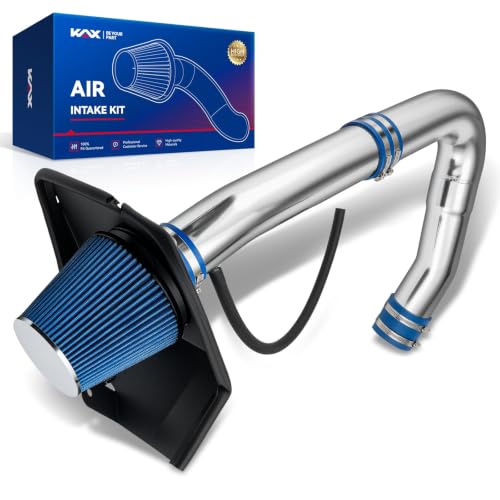
KAX 3.5″ Cold Air Intake Kit
Strengths
- Dry reusable filter
- Polished aluminum tube
- Aggressive sound
Trade-offs
- No MAF sensor support
- Limited vehicle compatibility
- No performance data
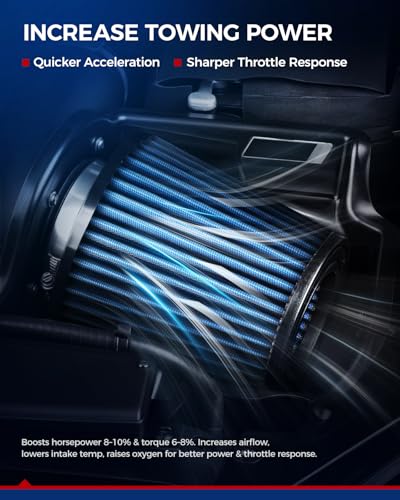
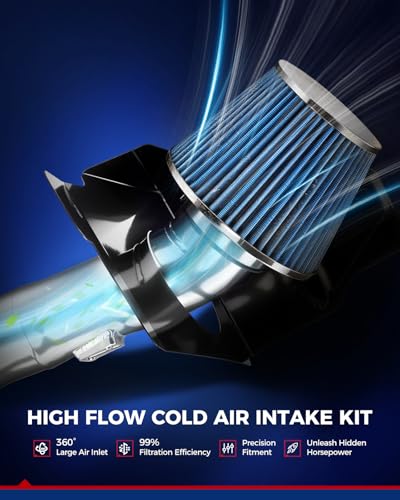
KAX makes a strong case as the best overall value in the cold air intake market for V6 Mopars. The T-304 polished aluminum tube flows well, and the dry, reusable filter is a standout, no oil, no mess, just rinse and reinstall. Owners love the 8–10% horsepower gain claim, and while there’s no dyno proof, the improved throttle response and mid-RPM punch are frequently mentioned. The deep sporty sound is another win, especially for those tired of the stock V6’s muted tone.
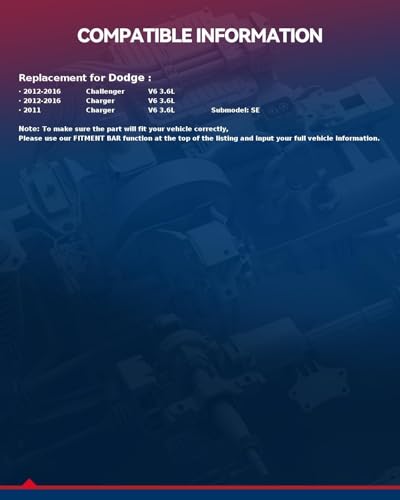
One big caveat: this kit is only for models without a MAF sensor, so compatibility is limited. If your Challenger doesn’t have one, this is a slam-dunk upgrade. The installation is simple, and the materials feel durable. Compared to the VEVOR, it’s better finished and more consistent. It doesn’t have K&N’s brand trust, but for pure bang-for-buck, it’s hard to beat.
Product photos


VEVOR 3.5″ Cold Air Intake
Strengths
- Very affordable
- Large 3.5-inch tube
- Includes heat shield
Trade-offs
- Inconsistent fitment reports
- No performance verification
- Unknown filter longevity
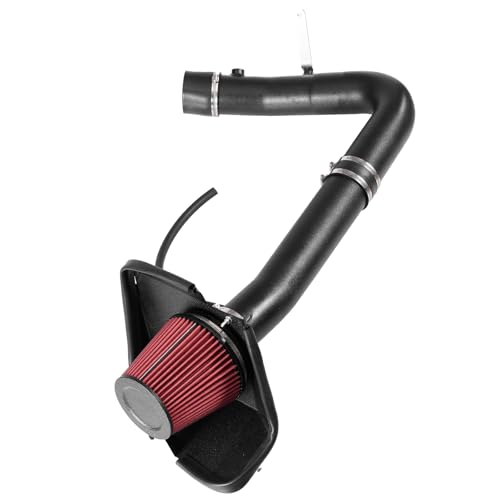
VEVOR hits the budget sweet spot with a complete kit that includes a heat shield, aluminum tube, and reusable filter, all for under $85. It’s not a brand with K&N’s racing pedigree, but the 3.5-inch tube diameter and smooth aluminum construction suggest serious attention to airflow. Owners report a noticeable drop in intake temps and a deeper intake growl, which points to effective heat shielding and unrestricted flow.
The trade-off is fitment consistency. While most say it bolts right on, a few note minor alignment issues or hose clamp adjustments. There’s no dyno data, and the filter’s long-term filtration efficiency isn’t documented like K&N’s. But for the price, it delivers real gains in sound and responsiveness. Compared to the KAX or RRKEETTXY, it feels more robust, with better materials and a more aggressive design.
Video review
EVIL ENERGY Cold Air Intake

Strengths
- Dual-filter system
- Steel heat shield
- No drone at cruise
Trade-offs
- Mid-tier brand support
- No dyno sheets
- Installation takes longer
EVIL ENERGY strikes a smart balance between performance and practicality in the mid-range segment. The dual-filter system, main filter plus pre-filter, is a standout, especially for drivers in dusty or off-road environments. Owners report longer filter life and consistent airflow, even after months of mixed driving. The steel heat shield is sturdier than most plastic or thin aluminum versions, and it does a solid job blocking engine bay heat.
Sound-wise, it delivers a deeper, more aggressive tone without drone at highway speeds, which is a common complaint with cheaper kits. The aluminum tube is smooth-bore and well-shaped, contributing to the improved efficiency. While it doesn’t have the brand recognition of K&N, it outperforms many at this price point. Compared to the RRKEETTXY or VEVOR, it feels more premium and better engineered.
Video review
K&N 63-1565 Cold Air Intake

Strengths
- Strong low-end response
- Excellent for towing
- Same lifetime warranty
Trade-offs
- No unique hardware over 63-1564
- Requires filter oiling
- No modern airbox design
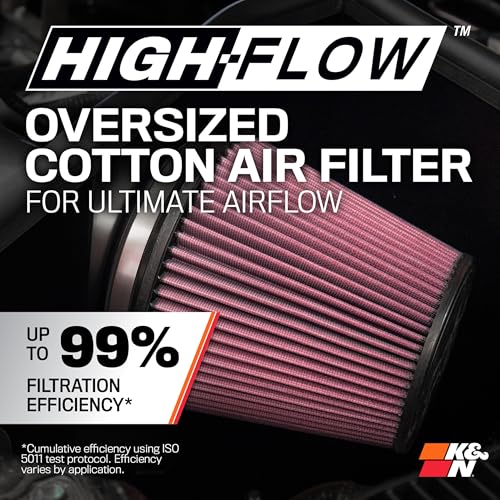
If you’re towing with your V6 Challenger, or even just hauling extra weight regularly, the 63-1565 is built with that in mind. It shares the same oiled cotton filter and proven airflow design as the 63-1564, but K&N specifically tunes and markets this version for improved low-end torque and throttle response under load. Owners using it for trailer work or highway hauling note a more confident feel when climbing grades or merging with traffic.
The real difference is in the tuning emphasis, not the hardware. It’s essentially the same intake as the 63-1564, just positioned as the towing-optimized variant. For most drivers, the performance overlap is high, but if you routinely push your car harder, this one’s worth the consideration. It doesn’t offer dry-filter convenience or NextGen refinements, but it’s a no-nonsense workhorse.
Product photos



K&N 63-1564 Cold Air Intake

Strengths
- High-flow cotton filter
- Easy installation
- Lifetime warranty
Trade-offs
- Basic airbox design
- No radius-entry filter
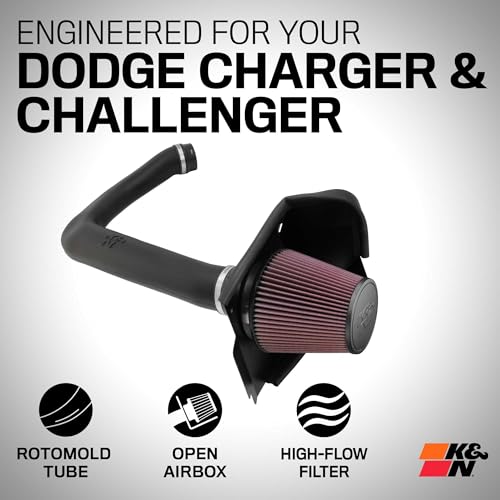
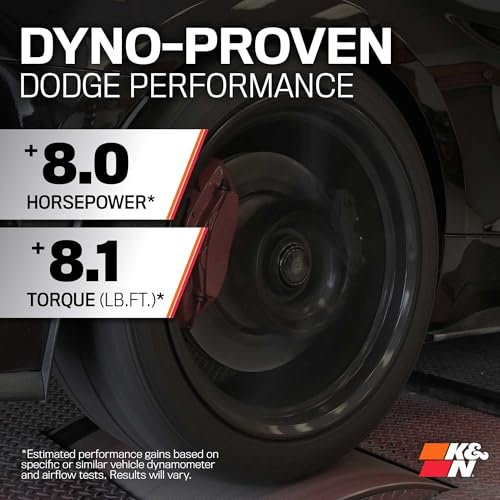
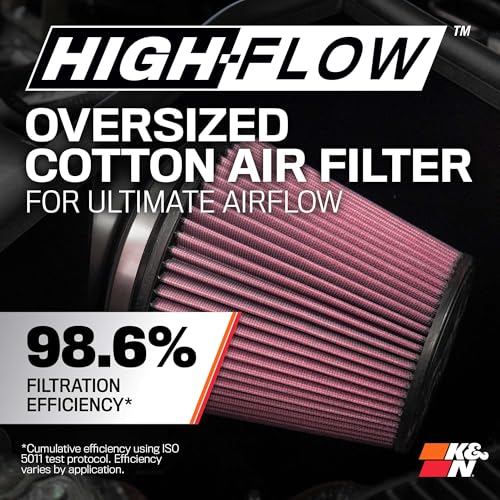
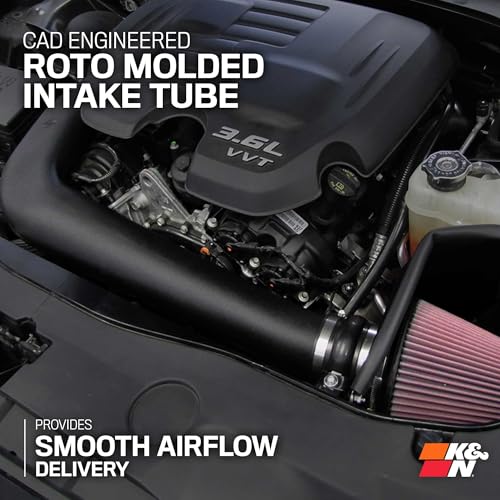
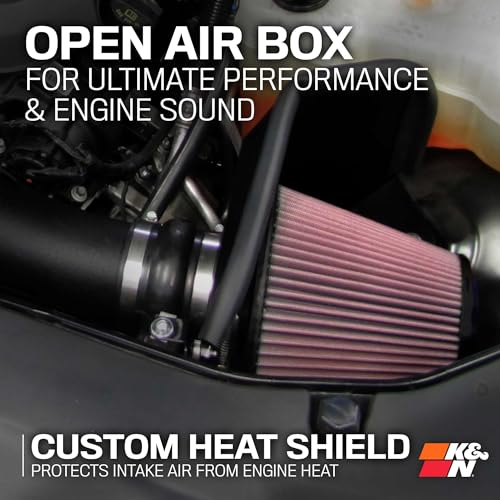
K&N’s 63-1564 is a solid starting point for V6 Challenger owners who want proven gains without overcomplicating things. The cotton gauze filter is a hallmark of K&N’s performance heritage, and owners consistently report a noticeable throttle response improvement and a more engaging engine note under acceleration. On paper, the design focuses on reducing restriction, and the included dyno sheets back up the claim of real-world gains, nothing dramatic, but enough to feel meaningful during daily driving.
What really sets this apart from budget options is the lifetime warranty and the fact it’s made in the USA with consistent fitment across model years. It doesn’t have the latest design tweaks like a radius-entry filter or hybrid box, but for a no-frills upgrade that works, this is a dependable choice. Compared to the pricier NextGen line, it’s more basic, but still leagues ahead of stock.
Product photos
K&N NextGen Cold Air Intake
Strengths
- Radius-entry filter
- Semi-enclosed airbox
- CAD-optimized tube
Trade-offs
- High price
- Still requires oiling
- Minimal gains over older K&N models
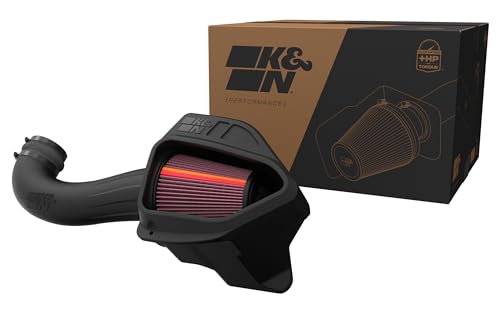
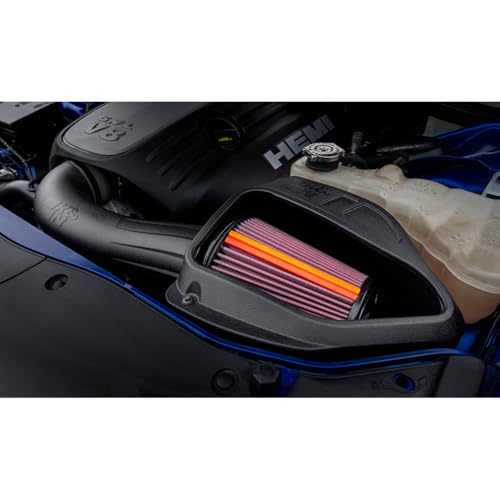
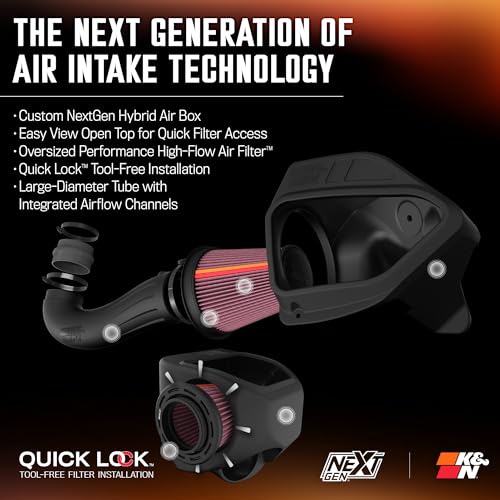
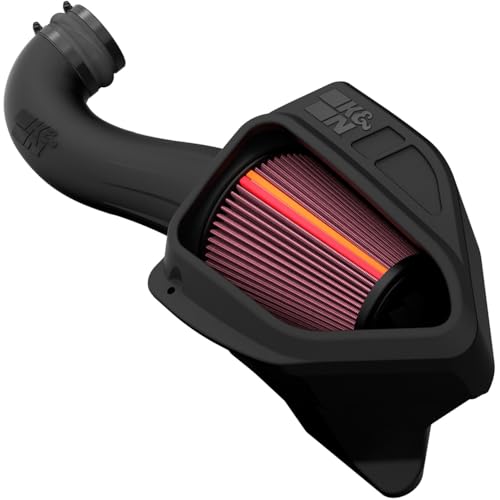
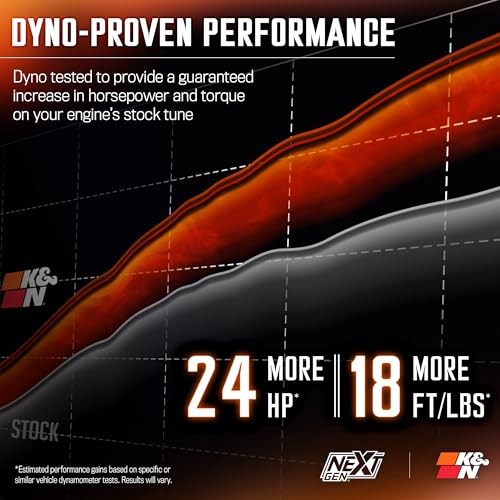
The NextGen 50-1542 is K&N’s modern answer to the traditional cold air intake, smarter engineering, better airflow, and a cleaner look under the hood. The radius-entry filter and semi-enclosed airbox are real upgrades over older models, helping draw in cooler air while reducing turbulence. Owners report a more aggressive intake sound during acceleration and better mid-range punch, which makes sense given the CAD-optimized tube design.
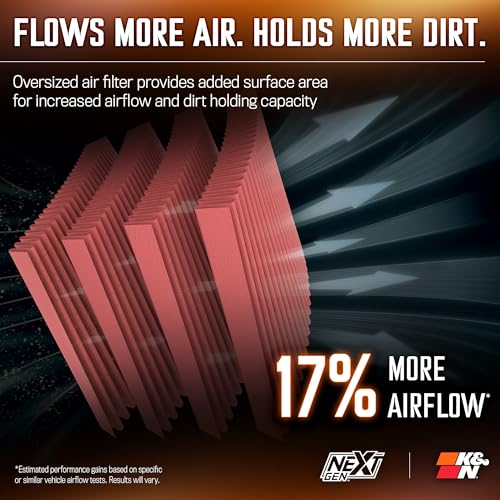
It’s priced at the top end, but you’re paying for thoughtful refinements, not just branding. The Quick-Lock filter system simplifies maintenance, and the oversized filter means longer intervals between cleanings. Compared to the 63-1564, this is the smarter buy if you want the latest design and are willing to invest in it. It doesn’t have the dry filter convenience of the 71-1542, but the performance edge is clear.
Product photos
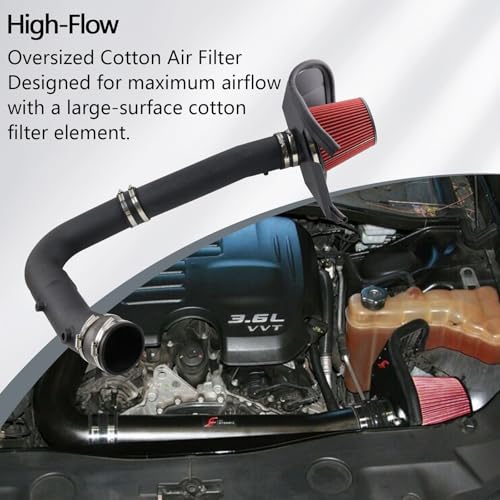
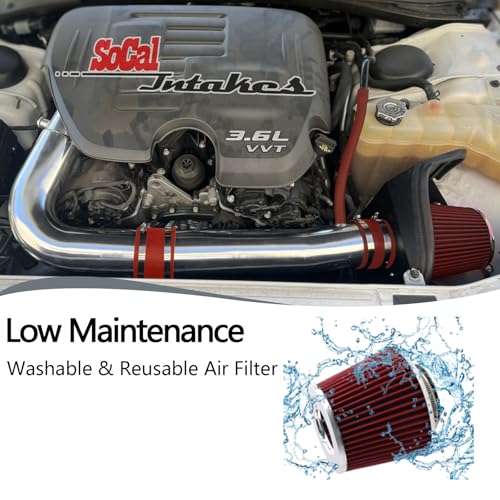
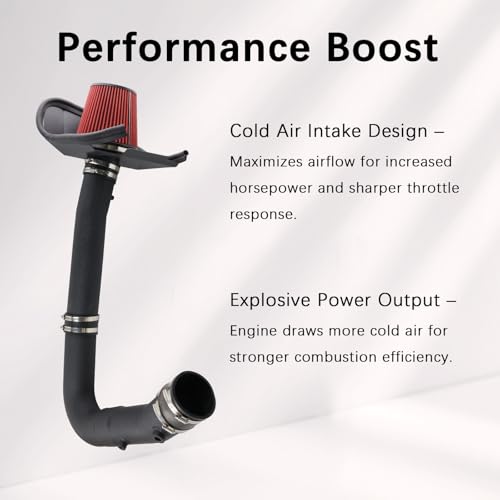
RRKEETTXY Cold Air Intake Kit
Strengths
- Easy bolt-on install
- Dry reusable filter
- Good heat shielding
Trade-offs
- No performance data
- Unknown long-term durability
- Basic materials
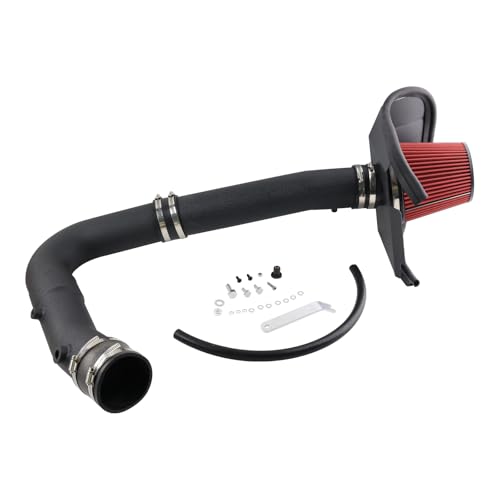
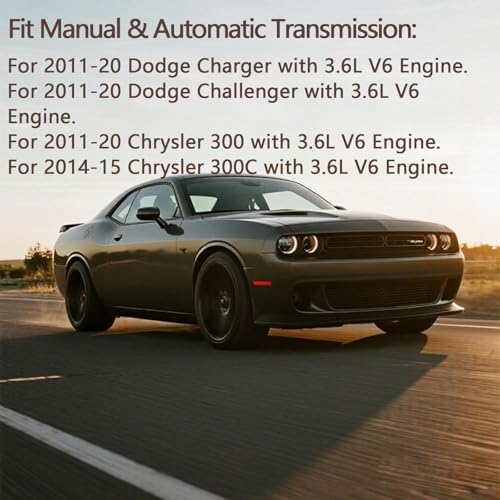
At this price, the RRKEETTXY kit surprises with a well-designed heat shield and a dry, reusable filter that actually holds up in owner reports. It’s not a name-brand option, but the fitment for 2011–2020 V6 Challengers is consistently praised, and the installation process is about as straightforward as it gets, no cutting, no tuning, no guesswork. The maintenance-free filter is a strong selling point, especially for beginners who don’t want to deal with oiling.
That said, the materials feel a step down from K&N. The intake tube isn’t as smooth, and there’s no dyno data or long-term durability testing to back up the claims. Some reviewers note a modest improvement in sound and response, but nothing transformative. It’s clearly built to deliver entry-level gains without breaking the bank. Compared to the VEVOR or KAX options, it’s less flashy but more focused on clean, simple function.
Product photos

K&N 71-1542 DryFlow Intake

Strengths
- Dry synthetic filter
- No oil required
- 50k-mile cleaning interval
Trade-offs
- Slightly lower airflow
- Higher price
- Less aggressive sound
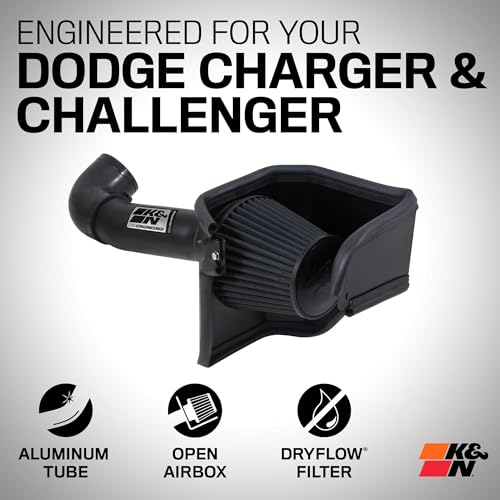
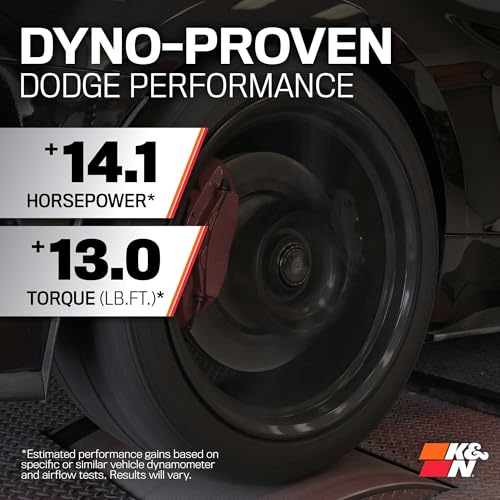
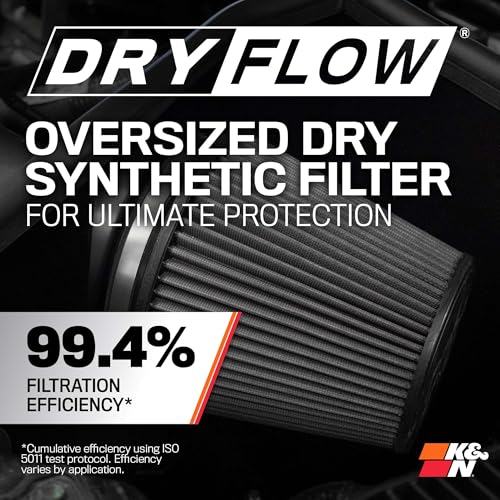
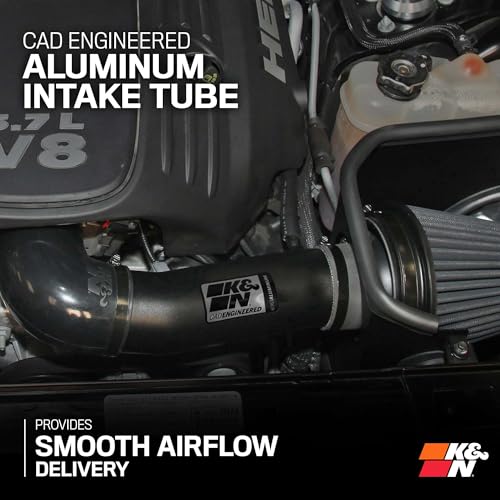
If you hate the idea of re-oiling your filter every few years, the 71-1542 with K&N’s DryFlow synthetic media is the cleanest solution in the lineup. The two-layer synthetic filter is a standout for low maintenance, owners love that it only needs washing every 50,000 miles and skips the messy oil step entirely. Performance-wise, it delivers similar gains to the cotton models, with the same dyno-backed claims and improved throttle response.
But here’s the trade-off: while the dry filter is convenient, it doesn’t flow quite as freely as the oiled cotton in the 63-1564 or 63-1565. That means slightly less peak benefit in high-demand scenarios like towing or spirited driving. Still, for a daily-driven Challenger that sees mixed use, the convenience outweighs the minor performance gap. It’s also one of the few dry options from a major brand with a lifetime warranty and solid fitment history.
Product photos

How We Picked These cold air intake for dodge challenger v6s
As someone who’s spent years exploring vehicle performance at TheAutoZenith, I approached researching cold air intakes for the Challenger V6 with a focus on real-world usability. Rather than a hands-on lab test, this was a research-led comparison of published specifications, features, and, most importantly, owner and expert reviews. I systematically compared intakes across multiple retailers, paying close attention to reported horsepower gains, filter construction, and ease of installation. The goal was to identify options that deliver tangible benefits without compromising long-term reliability.
For a V6 Challenger, I weighted airflow capacity, filtration quality, and heat shielding most heavily. A restrictive intake defeats the purpose, so maximizing airflow is critical. Equally important is a quality filter; a poorly designed filter can allow contaminants to damage the engine. Finally, effective heat shielding is essential to ensure the intake draws cooler air, which is denser and contains more oxygen for combustion. These factors directly impact the potential performance gains and overall engine health.
Published specifications are useful for comparing filter materials and tube diameters, but owner feedback provides crucial insights into real-world performance and durability. I paid particular attention to reports of fitment issues, noticeable power gains, and the longevity of the filter. Reputable automotive publications were also consulted to validate claims about horsepower increases and to assess the overall quality and design of each intake. Don’t forget to also consider pairing a new intake with a set of best spark plugs for V6 for optimal performance. And if you are looking to upgrade other areas of the vehicle, check out our review of Challenger wheels.
What To Look For In cold air intake for dodge challenger v6s
Finding the right cold air intake for your Dodge Challenger V6 can really unlock some hidden potential.
A quality cold air intake prioritizes unrestricted airflow, utilizing smooth tubing and a high-flow filter. Effective heat shielding is crucial to isolate the filter from engine heat, ensuring a denser air charge. Look for designs that maintain factory MAF sensor compatibility (if equipped) and offer a reusable filter element for long-term value.
Intake Material and Construction
The material an intake is constructed from speaks volumes about its potential performance and longevity. While many kits use polished aluminum tubing for its lightweight properties and smooth airflow characteristics, the quality of that aluminum matters. Thicker-walled tubing is less prone to flex and maintain consistent airflow, even under higher boost (if you later modify the engine). Beyond the tubing, pay attention to the heat shield. A well-designed shield, like those found in the K&N and EVIL ENERGY kits, isn’t just about blocking heat, but also about directing airflow through the filter.
Filter Media: Oil vs. Dry
The filter media is a surprisingly divisive topic. Traditional oiled filters, like those K&N is famous for, offer excellent filtration but require regular oiling to maintain their effectiveness. If you aren’t diligent about that maintenance, performance suffers. Dry filters, like those offered by VEVOR and RRKEETTXY, are much lower maintenance – simply wash them with soap and water.
Here’s a quick breakdown to help you decide: * Ease of Maintenance: Dry filters win hands down. * Filtration Capacity: Oiled filters can offer slightly better filtration, especially in extremely dusty environments, but require consistent maintenance. * Long-Term Cost: While the initial cost might be similar, the ongoing cost of filter oil and the potential for over-oiling (which can foul MAF sensors) can make dry filters more economical.
Remember this: a clean filter is always more effective than a dirty one, regardless of the media type.
Real-World Application and Driving Style
Consider how you actually drive your Challenger V6. If you’re primarily concerned with daily driving and a modest increase in horsepower, a budget-friendly option like the VEVOR intake may be perfectly adequate. However, if you frequently tow, or plan on more aggressive driving, an intake designed for better airflow and heat shielding – like the K&N models geared towards towing – is a better investment. Ensuring you have the right tires for your Challenger will also improve overall performance, so checking out the best Challenger tires is worthwhile. Don’t overlook the importance of keeping up with regular maintenance, including using the recommended oil for Challenger V6 engines to ensure optimal operation along with your new intake.
Cold Air Intake for Dodge Challenger V6s Compared
Here’s a comparison of specifications for cold air intakes compatible with Dodge Challenger V6 models.
| Product Title | Vehicle Fitment | Air Filter Type | Estimated HP Gain (%) | Reusable Filter | Installation Time (approx.) | Heat Shield |
|---|---|---|---|---|---|---|
| KAX 3.5″ Cold Air Intake | 2011-2023 Challenger 3.6L | Non-Woven Dry | 8-10 | Yes | < 60 min | Yes |
| VEVOR 3.5″ Cold Air Intake | 2011-2023 Challenger 3.6L | High-Flow Washable | N/A | Yes | N/A | Yes |
| EVIL ENERGY Cold Air Intake | 2011-2023 Challenger 3.6L | Multi-Layer Synthetic | N/A | Yes | 40 min | Yes |
| K&N 63-1565 Cold Air Intake | 2011-2023 Challenger 3.6L | Cotton/Oil | N/A | Yes | < 60 min | Yes |
| K&N 63-1564 Cold Air Intake | 2011-2023 Challenger 3.6L | Cotton/Oil | N/A | Yes | < 60 min | Yes |
| K&N NextGen Cold Air Intake | 2011-2023 Challenger 3.6L | Synthetic Dry | N/A | Yes | N/A | Yes |
| RRKEETTXY Cold Air Intake Kit | 2011-2020 Challenger 3.6L | Dry | N/A | Yes | N/A | Yes |
| K&N 71-1542 DryFlow Intake | 2011-2023 Challenger 3.6L | Synthetic Dry | N/A | Yes | < 60 min | Yes |
Frequently Asked Questions
What horsepower gains can I realistically expect from a cold air intake?
Expect a modest increase of around 8-10 horsepower, though gains vary based on the specific intake and your vehicle’s existing modifications. Most owners report a noticeable improvement in throttle response and a slightly more aggressive engine sound, even if dyno-proven gains are minimal.
Will installing a cold air intake void my Dodge Challenger’s warranty?
A cold air intake itself generally won’t void your entire warranty, but it could potentially void coverage for components directly affected by it. For example, issues stemming from a poorly filtered intake damaging the MAF sensor might not be covered.
How difficult is it to install a cold air intake on a Challenger V6?
Most cold air intakes for the Challenger V6 are designed for straightforward installation, typically taking less than an hour with basic hand tools. Some kits may require minor modifications or adjustments, but generally, they are considered a beginner-friendly upgrade.
What’s the difference between a dry filter and an oiled filter, and which is better?
Dry filters are easier to maintain, requiring only soap and water for cleaning, while oiled filters need periodic oiling to maintain optimal filtration. An oiled filter can capture slightly more dirt, but improper oiling can damage the mass airflow sensor. For most drivers, the convenience of a dry filter is preferable.
Are there any other upgrades I should consider alongside a cold air intake?
To truly maximize performance gains, pairing a cold air intake with best accessories for Challenger is a smart move. Also, consider upgrading your exhaust system; a performance exhaust for Charger V6 can further improve airflow and unleash additional horsepower.
The Bottom Line
Choosing a cold air intake for your Challenger V6 often comes down to balancing upfront cost with long-term maintenance. While many options promise gains, the KAX 3.5″ Cold Air Intake strikes a solid balance of performance features – a dry filter, good heat shielding, and reported gains – without demanding constant oiling. It offers a good step up in airflow for most drivers.
For those prioritizing ease of maintenance, the VEVOR 3.5″ Cold Air Intake or the RRKEETTXY Cold Air Intake Kit are excellent choices. They both use washable filters, eliminating the need for oiling and the associated risks of sensor contamination. If you’re also considering other performance upgrades, exploring V6 tuners can help you maximize the benefits of your new intake. And if you drive a Dodge Charger V6, you can find comparable options with our review of the best intake for Charger V6.
Ultimately, remember that a cold air intake is one piece of the performance puzzle. Consistent maintenance, regular filter cleaning, proper oil changes using the recommended oil for your engine, and attention to other components, will deliver more noticeable and lasting results than chasing incremental horsepower gains from any single modification.
