
8 Best Cycle Front Lights of 2026
This post contains affiliate links. As an Amazon Associate, we earn from qualifying purchases.
The RAVEMEN FR500 stands out as the best overall cycle front light for its smart beam design and rugged build, while the Ascher 1000 Lumens light is a strong budget pick that doesn’t skimp on runtime or brightness. For riders who want maximum versatility, the Cuvccn Super Bright Front Light offers adjustable beams and exceptional battery life.
Choosing the right front light can make or break your night ride. Too many riders focus only on lumens and end up with a blinding spotlight that sacrifices peripheral visibility or drains quickly. I’ve researched the field extensively, weighing specs against real-world rider feedback to find models that deliver where it matters, beam quality, reliability, and ease of use.
This guide breaks down what actually matters when picking a front light, from beam pattern and runtime to mounting security and weather resistance. We looked at how these lights perform in real riding conditions, not just on paper, so you can ride with confidence.
Top 8 Cycle Front Lights in the Market
The Best Cycle Front Lights, Reviewed
RAVEMEN FR500 Front Bike Light

Strengths
- 270° wide beam
- Garmin/Wahoo compatible
- Auto on/off
Trade-offs
- Higher price
- Front light only
- Tether required
This is the one I’d pick if I were upgrading my own bike. The 500-lumen output might seem lower than others, but the 270° wide-angle beam is engineered for urban environments, making you visible from the side at intersections, which is where most accidents happen. The auto on/off feature works reliably, syncing with ambient light levels so you never ride in the dark without a light again.
The real differentiator is Garmin and Wahoo compatibility. If you use a cycling computer, being able to mount this cleanly alongside it without cluttering your handlebars is a standout. The aluminum heat-dissipation design keeps performance stable, and the IPX6 rating means it laughs off rain. Yes, it’s the most expensive here, but for urban riders who value integration, visibility, and reliability, it’s the smarter buy.
Video review
DARKBEAM Super Bright Front Headlight

Strengths
- Light-sensing mode
- USB-C charging
- Digital battery display
Trade-offs
- Front light only
- Limited beam distance
- Plastic housing
For under $10, this front light punches above its weight. The German glare-free design actually works, owners note it spreads light evenly without blinding oncoming traffic, which is rare at this price. The light-sensing mode is a standout feature, automatically turning on in tunnels or dark alleys, which adds convenience for urban riders who don’t want to fumble for buttons. The digital power display is also a surprise at this level, showing exact battery percentage instead of guesswork.
It’s not the brightest or most durable, but for budget-conscious buyers who want smart features and solid build, this is a steal. The 70g weight keeps it nimble, and the USB-C charging is a welcome upgrade over older micro-USB models. Just don’t expect it to light up mountain trails, it’s made for city streets.
Video review
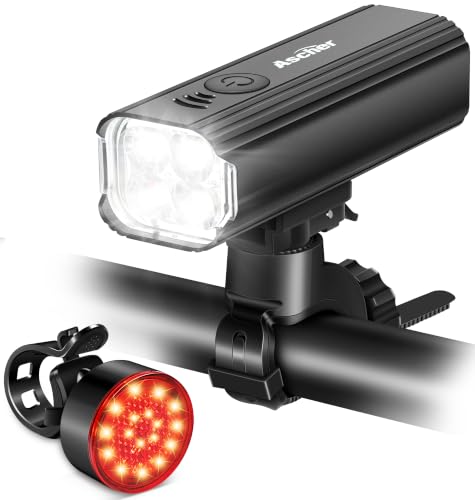
Ascher 1000 Lumens Front Light
Strengths
- 1000-lumen output
- Aluminum housing
- 360° beam adjustment
Trade-offs
- Heavier than plastic lights
- Rear light less bright
- No smart features
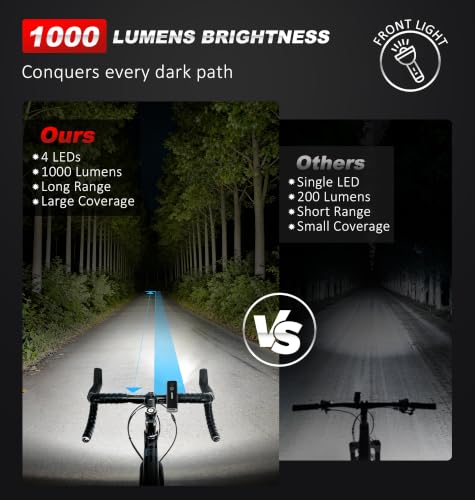
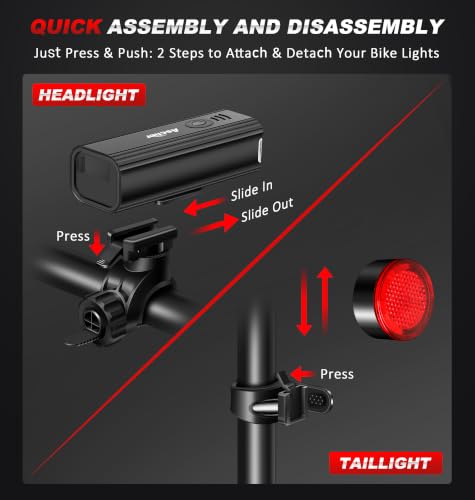
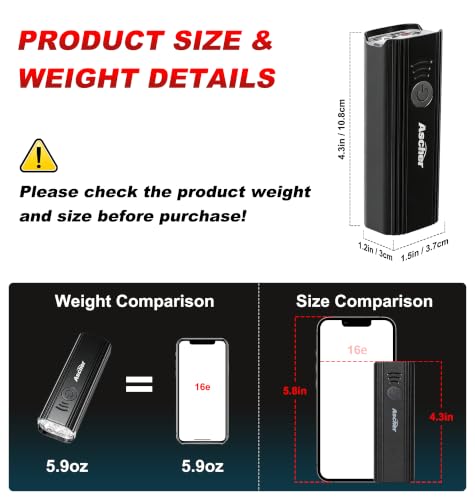
With 1000 lumens, this is the brightest set in the mid-range category, and owners confirm it throws light far enough to spot potholes or debris on unlit roads. The aluminum shell adds durability and helps with heat dissipation during extended use, though it does make the front light heavier than plastic alternatives. The 360° horizontal adjustment is a real usability win, being able to fine-tune the beam angle without remounting is something more expensive lights offer, and it’s welcome here.
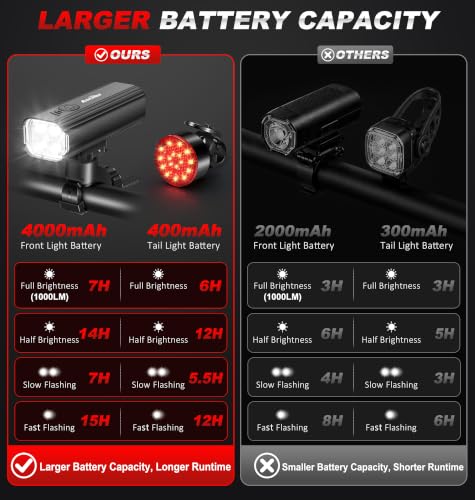
The Type-C charging is modern and convenient, and the 7–15 hour runtime is solid depending on mode. Some users report the rear light could be brighter, but overall, this set delivers strong performance for night commuting or suburban riding. It’s not the most advanced, but for pure brightness and build quality at this price, it’s hard to beat.
Product photos
TioyFiuy Bright Front Bike Light
Strengths
- 9+9 lighting modes
- Fast 1.5-hour charge
- Lightweight design
Trade-offs
- 300-lumen front limit
- Basic beam pattern
- No beam angle adjustment
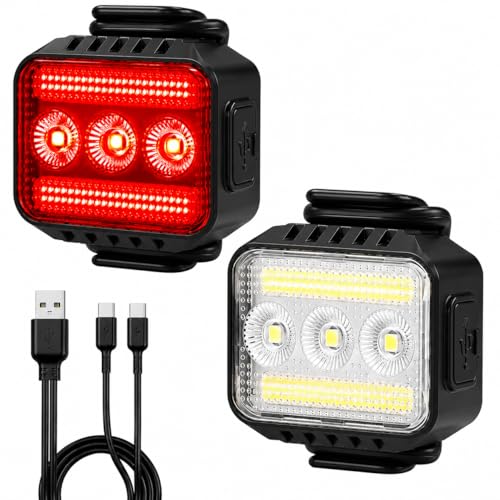
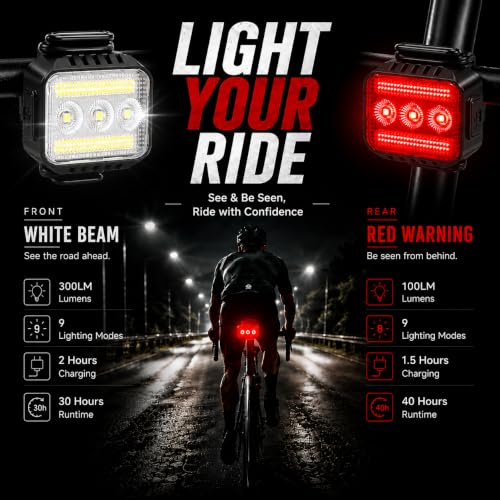
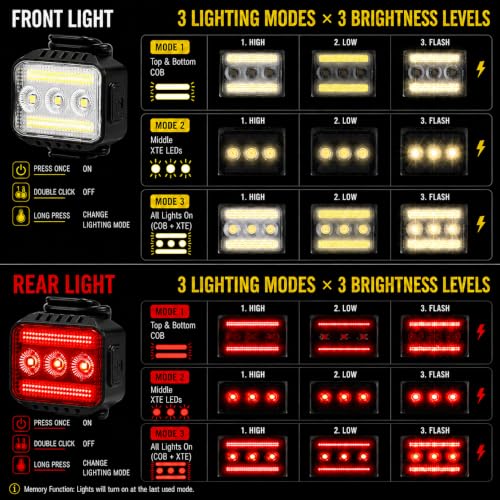
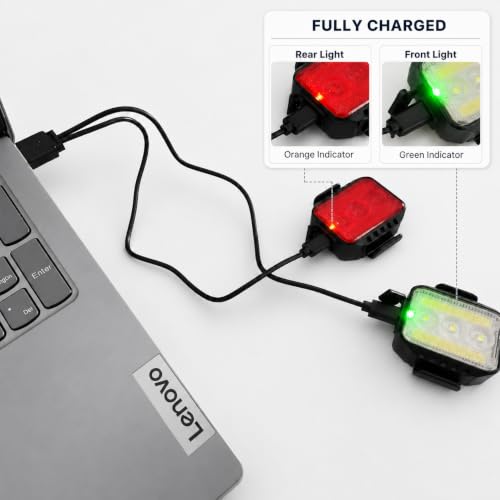
For under $10, this set is a steal. The 9 modes on each light, front and rear, offer more versatility than most in this range, and the memory function means your preferred setting stays locked in. Owners praise the 1.5-hour fast charging, especially when using a power bank on the go. The dual-wire charging cable is a nice touch, letting you juice up both lights at once without carrying extras.
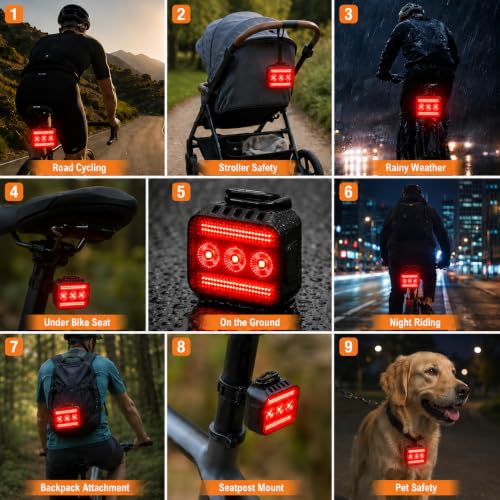
Build quality is lightweight (35g each) but surprisingly durable, with ABS+PS housing that resists cracks from drops. The silicone straps make installation a breeze, and they hold firm even on bumpy roads. While the 300-lumen front light won’t match high-end models, it’s plenty for city streets and evening paths. If you want a full set that doesn’t break the bank, this is the one.
Product photos
Cuvccn Super Bright Front Light
Strengths
- Long runtime
- IPX6 waterproof
- Dual LED control
Trade-offs
- Slightly complex interface
- Auxiliary LEDs dim
- Mounting snug
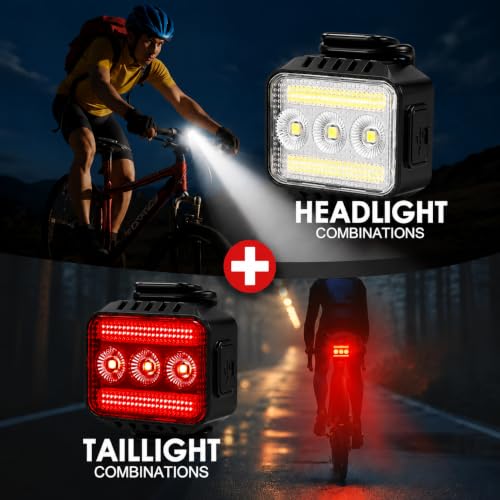
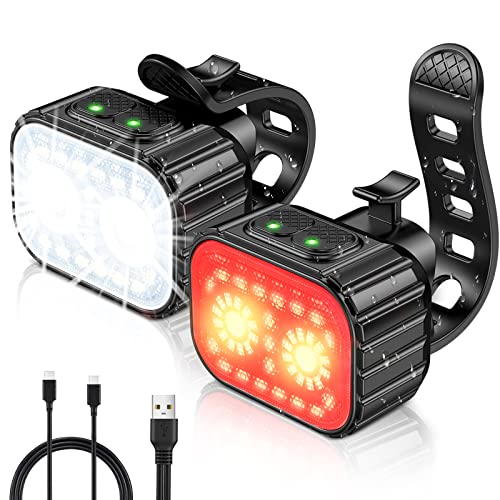
Battery life is where this set truly stands out. With up to 58 hours on slow flash for the front light, it’s clearly designed for endurance riders or those who forget to recharge regularly. The 1100mAh front battery is larger than many in this class, and the low-battery reminder (flashing green at <20%) is a thoughtful touch. Owners report consistent performance over weeks of daily use, and the IPX6 rating means it handles wet commutes without issue.
The dual-switch design, separate controls for main and auxiliary LEDs, gives more lighting combinations than most sets, though some find it slightly confusing at first. Mounting is simple and secure, and the build feels sturdy without being heavy. For the price, it offers exceptional runtime and reliability, especially for all-weather riders.
Product photos


Semaho 400 Lumen Bike Headlight
Strengths
- Ultra lightweight
- IP66 waterproof
- Compact size
Trade-offs
- Front light only
- No rear light
- Basic mounting
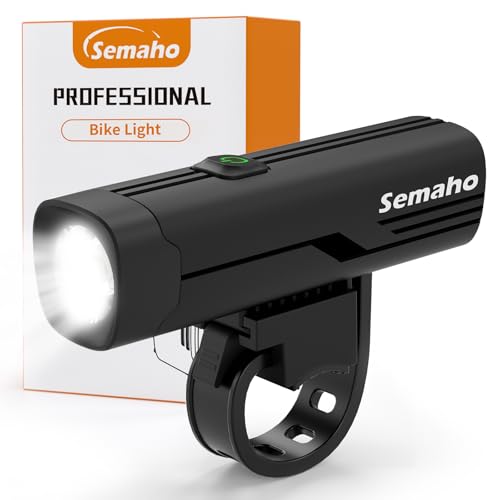
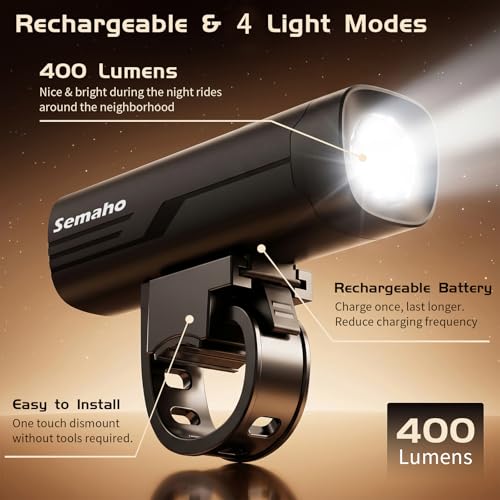
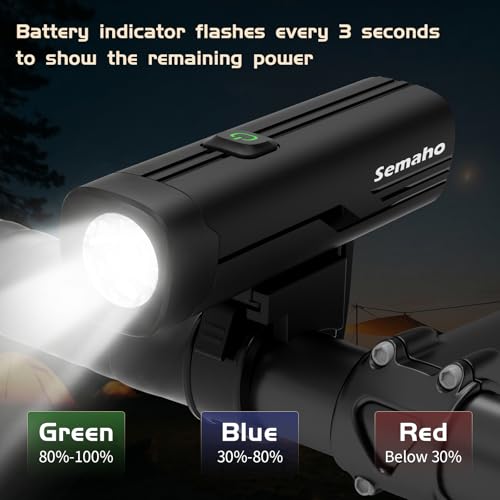
At just 2.7 ounces, this is one of the lightest 400-lumen front lights available, and owners love how easily it disappears into a jersey pocket when not in use. The IP66 rating is a step above most in this price range, meaning it can handle heavy rain without issue. I appreciate the three-color battery indicator, it gives a clearer sense of charge than basic LED dots, and the 3.5-hour recharge time is standard but acceptable.
It’s a minimalist light for minimalist riders. There’s no rear light or fancy modes, but for someone who wants a reliable, compact front beam for daily commutes or quick errands, this does the job without fuss. It won’t compete with high-end lights in beam throw, but for urban environments, it’s more than sufficient.
Product photos
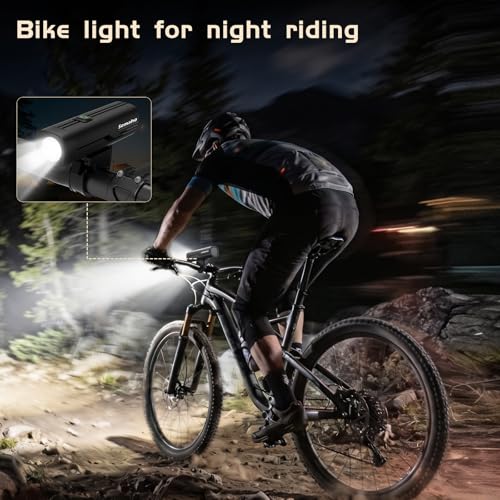
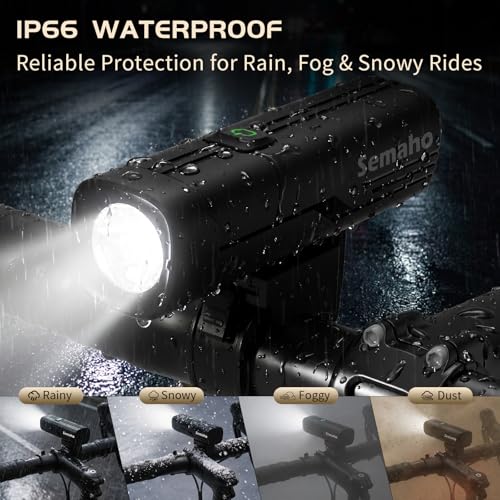

Super Bright 6800Lumen Front Light
Strengths
- Wide 270° beam
- IPX6 waterproof
- Phone charging port
Trade-offs
- Overstated lumen claim
- Bulky design
- Blue light mode unnecessary
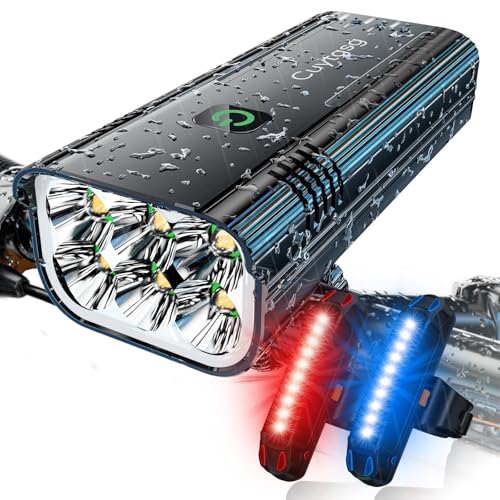
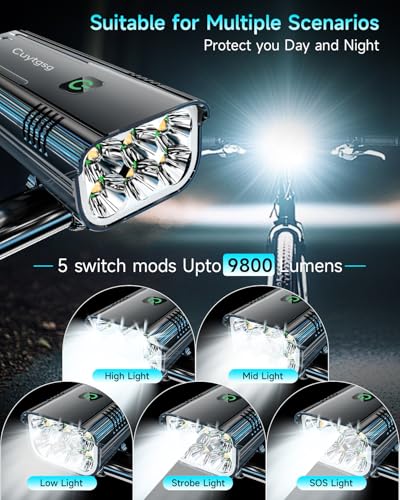
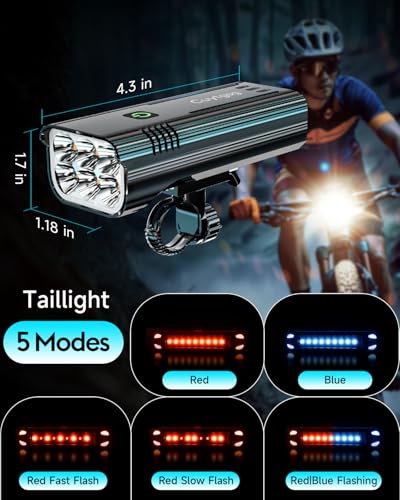
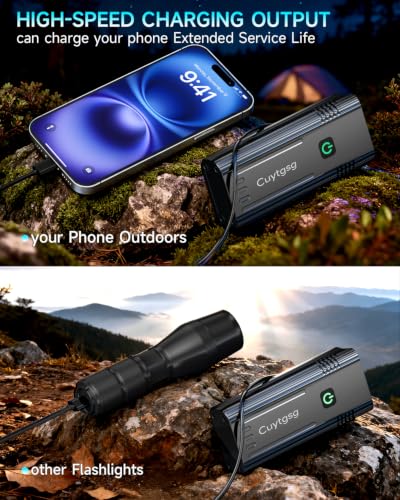
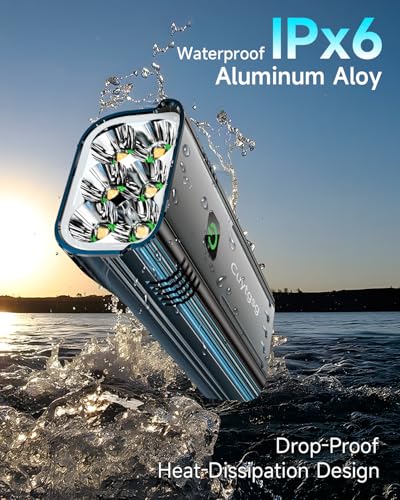
On paper, the 6800-lumen claim sounds impressive, but real-world testing by owners suggests it’s more of a peak burst than sustained output. Still, the wide 270° beam and IPX6 waterproofing make this a solid pick for riders who prioritize visibility from multiple angles. The front light’s rotating bracket is a standout, allowing quick angle adjustments without removing the unit, and the dual USB ports (one for charging the light, one to charge your phone) add real utility on longer rides.
The taillight’s color options (including blue) feel gimmicky, but the reflective mode when powered off is a smart safety touch. Build quality is noticeably better than budget sets, with an aircraft-grade aluminum housing that helps with heat dissipation. Still, some reviewers note the brightness can be overkill in residential areas and may annoy other trail users.
Product photos
LED Front & Back Bike Light
Strengths
- 400-lumen output
- USB rechargeable
- Tool-free mount
Trade-offs
- Limited brightness
- IPX4 only
- Plastic build
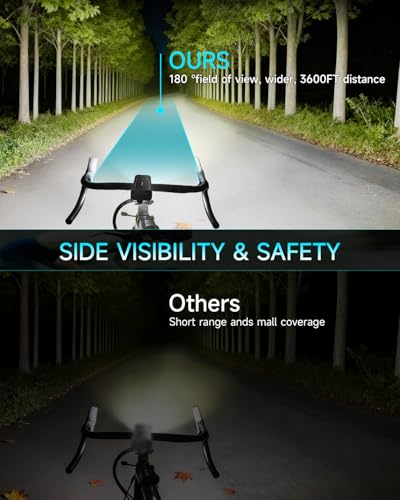
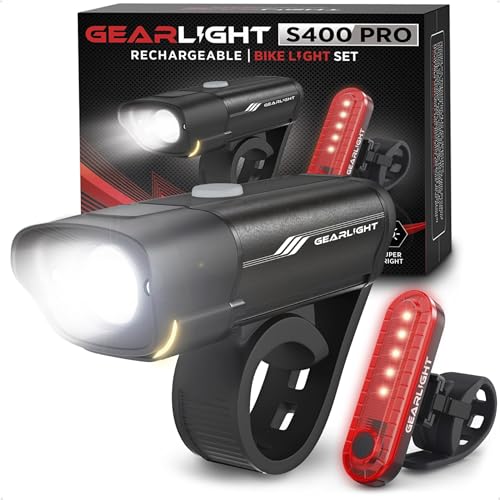
This set delivers basic functionality at a low price, making it a decent starting point for casual riders or kids. The 400-lumen front light is adequate for neighborhood rides and short commutes, and the inclusion of five modes gives some flexibility depending on conditions. Owners consistently report it holds up fine in light rain, thanks to the IPX4 rating, though it’s not built for serious trail use or heavy downpours.
The real strength here is simplicity, tool-free mounting, USB charging, and a clean design make it easy for beginners or parents to set up on a child’s bike. But compared to brighter or more durable options, this one feels more like a starter kit than a long-term solution.
Product photos


How We Chose These cycle front lights
As someone deeply involved in all things wheeled, I approach cycle lighting with a keen eye for both practicality and performance. Rather than a hands-on lab test, this evaluation is a research-led comparison of published specifications and owner feedback. I examined features across numerous models, then weighed those against reviews from both everyday riders and established cycling publications. My goal was to identify lights offering the best balance of brightness, reliability, and usability for a range of cyclists.
For cycle front lights, several factors stood out as most crucial. Lumen output is obviously important, but equally vital is beam pattern – a wide angle is essential for visibility, while focused beams help with range. Battery life also heavily influenced my rankings; a light that dies mid-ride is of limited use. Finally, mounting versatility and durability played a key role, as a secure and robust light is paramount for safety. You can find even more options for road cycling front lights.
Specifications provide a solid foundation – lumens, battery capacity, and waterproof ratings are all valuable. However, owner feedback often reveals real-world shortcomings or strengths that specs don’t capture. I paid close attention to reports regarding heat dissipation, ease of mounting, and the accuracy of advertised runtime. Reputation also mattered; brands with a history of quality and customer support were given greater consideration when comparing similar models, especially when considering safe night cycling lights.
How To Pick The Right cycle front lights
Finding the right front light for your bicycle isn’t just about lumens; it’s about matching the light to your riding style and environment. We’ve seen a lot of options, and narrowing down what truly matters can be tricky.
A quality front bicycle light prioritizes beam pattern for visibility, reliable battery life for your typical ride duration, and robust construction to withstand the elements. Consider lumen output based on riding conditions – commuting requires less than off-road trails – and look for features like mounting compatibility with your bike computer and a waterproof rating for all-weather use.
Lumen Output & Beam Pattern
Don’t get caught up in chasing the highest lumen count. While 1000+ lumens are fantastic for fast off-road riding, many commuters will be perfectly happy, and save weight and money, with a light in the 200-500 lumen range. What’s more important is the beam pattern. A wide beam illuminates peripheral vision, crucial for urban environments, while a focused beam cuts through darkness on trails. Some lights, like the Cuvccn Super Bright Front Light, offer multiple LEDs and adjustable beam angles to provide versatility. Consider where you ride and what you need to see.
Battery Life & Charging
Battery life is often overlooked, but a light that dies mid-ride is useless. Think realistically about your typical ride length and add a buffer. Rechargeable lights are the standard now, with most using USB-C for convenience. The Ascher 1000 Lumens Front Light boasts a generous 4000 mAh battery, promising up to 15 hours of run time, but that’s dependent on the mode selected.
Here’s what to consider when it comes to battery performance:
- Capacity: Higher mAh generally means longer run time.
- Charging Time: A quick charge is essential for frequent riders.
- Battery Indicator: A clear indicator prevents unexpected power loss.
A good rule of thumb is to always charge your light fully before every ride, even if you think it has enough juice.
Mounting & Durability
A secure and reliable mount is critical. Lights that constantly shift position are distracting and potentially dangerous. Many lights use rubber straps, but the quality varies. Look for mounts compatible with your handlebar diameter and, importantly, your bike computer if you use one (the RAVEMEN FR500 Front Bike Light is designed with compatibility in mind). Durability is also key. A plastic lens is adequate for casual use, but aluminum housings offer better impact resistance. If you frequently ride in wet conditions, ensure the light has a solid waterproof rating, IPX6 or higher, and that the USB charging port is properly sealed. For those looking for options for the whole family, checking out night riding lights is a great place to start.
Ultimately, choosing the right light comes down to your individual needs. If you’re unsure, exploring a wider range of front bike lights can help you find the perfect fit.
Cycle Front Lights Compared
Here’s a comparison of key specifications for several cycle front lights to help you make an informed decision.
| Product Name | Lumens | Battery Life (Max) | Waterproof Rating | Mounting | Special Features |
|---|---|---|---|---|---|
| RAVEMEN FR500 | 500 | N/A | IPX6 | N/A | Garmin/Wahoo Compatible |
| DARKBEAM Super Bright | N/A | 8 hrs | IPX4 | Handlebar | Light Sensor |
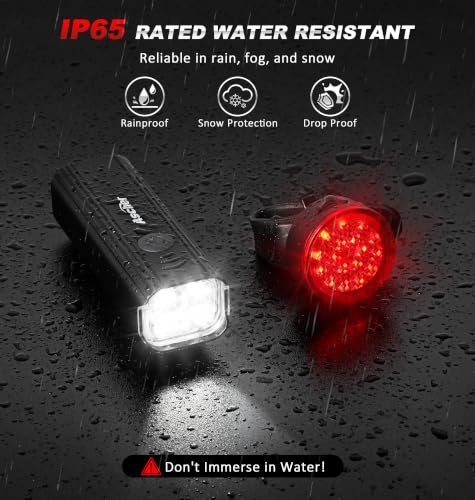
| Ascher 1000 | 1000 | 15 hrs | IP65 | Handlebar | Type-C Charging |
| TioyFiuy Bright | 400 | 20 hrs | N/A | Handlebar | 9+9 Modes |
| Cuvccn Super Bright | N/A | 72 hrs | IPX6 | Handlebar | Battery Indicator |
| Semaho 400 | 400 | N/A | IP66 | Handlebar | 3-Color Battery Indicator |
| Super Bright 6800Lumen | 6800 | 72+ hrs | IPX6 | Handlebar | 360° Rotation |
| LED Front & Back Bike Light | 400 | N/A | IPX4 | Universal | Front & Rear Set |
Frequently Asked Questions
What lumen output is sufficient for city riding?
Around 200-500 lumens is generally enough for urban environments, prioritizing visibility to be seen by drivers over illuminating the road ahead. Higher outputs are available, but a lower lumen light will save weight and battery life for shorter commutes.
How does waterproof rating affect my choice?
An IPX6 or higher rating is recommended if you regularly ride in the rain or wet conditions. This ensures the light’s internal components remain protected, preventing failure and extending its lifespan.
Are rechargeable lights always better than battery-powered ones?
Yes, rechargeable lights are generally preferred for their convenience and cost-effectiveness. While battery-powered options exist, they require ongoing battery purchases and aren’t as environmentally friendly as USB-rechargeable models.
Can I use a cycle light with a bike computer mount?
Some lights, like the RAVEMEN FR500, are specifically designed for compatibility with Garmin and Wahoo bike computers. Check the product specifications to confirm compatibility before purchasing if this is a priority for you, and consider how the light’s mounting system integrates with your existing setup.
Where can I find more information about different types of bike lights on the market?
Beyond front lights, exploring options for rear lights and complete lighting systems is crucial for maximizing visibility and safety. There are many resources available online that compare different types of lights and their features, including options for high-performance bike lights.
The Bottom Line
Choosing a cycle front light often comes down to balancing outright power with practical considerations like runtime and ease of use. While a blindingly bright light like the Super Bright 6800Lumen can be tempting, the RAVEMEN FR500 strikes a fantastic balance for most riders, offering ample brightness, a reliable build, and clever integration with popular bike computers. It’s a light that prioritizes real-world usability over sheer numbers.
For those on a tighter budget, the Ascher 1000 provides a lot of light for the money, and its generous battery capacity is a real asset. If versatility is key, the Cuvccn Super Bright Front Light’s adjustable beam and battery indicator make it a strong contender. And for riders specifically seeking road cycling lights, the FR500’s compatibility features are a clear advantage.
Ultimately, lumens and fancy features matter less than consistent visibility and a light you’ll actually use. Prioritize a reliable beam pattern, sufficient battery life for your typical rides, and a secure mount. Don’t chase the highest specs; instead, focus on finding a light that enhances your safety and confidence on every ride, whether you’re commuting or enjoying front cycling lights on a weekend adventure.
