
6 Best Cycling Shoe Insoles of 2026
This post contains affiliate links. As an Amazon Associate, we earn from qualifying purchases.
The best cycling shoe insoles deliver targeted support and efficient power transfer, and after comparing the field, the MASTERFIT EZQF Low Volume stands out as the top choice for its adaptive arch and memory foam comfort. For a budget-friendly option that still delivers solid performance, the SOFSOLE ATHLETE Performance is a strong pick, while the SOLE Active Medium + Met Pad excels for riders dealing with foot pain like plantar fasciitis.
Cycling shoe discomfort isn’t just about fit, it’s often what’s underfoot. Factory insoles are usually flat and flimsy, leading to hotspots, fatigue, and inefficient pedaling over time. Upgrading can fix those issues without replacing your shoes.
This guide covers the top insoles based on arch support, cushioning, and compatibility with tight-fitting cycling shoes. I researched them using specs, owner feedback, and biomechanical needs specific to cycling, focusing on stability, pressure distribution, and long-ride comfort.
Top 6 Cycling Shoe Insoles in the Market
The Best Cycling Shoe Insoles, Reviewed
MASTERFIT EZQF Low Volume Cycling Insoles
Strengths
- Targeted forefoot support
- Excellent heel stabilization
- Effective shock absorption
Trade-offs
- Premium price
- May be overkill for casual riders
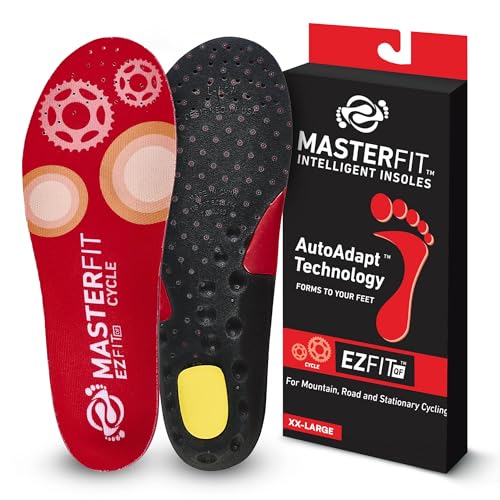
These insoles are built for cyclists who care about power transfer and long-ride stability. The PosiLink forefoot shell isn’t just marketing fluff, owners consistently report a noticeable improvement in pedal efficiency, especially during sustained climbs or high-cadence efforts. On paper, the layered construction with Poron foam and AutoAdapt memory foam makes sense for reducing fatigue, and real-world feedback backs that up: riders using them in road and MTB shoes say they stay comfortable over 4+ hour rides without bottoming out.
What sets them apart is how well they balance support and slim profile. Unlike bulky orthotics that force you to size up your shoes, these are designed for low-volume cycling footwear. The deep heel cup locks the foot in place, which reviewers say helps reduce hot spots and heel slip, even in snug-fitting shoes. For serious riders who want a performance edge without sacrificing comfort, these are a strong contender.
Video review
SOFSOLE ATHLETE Performance Men’s Insoles
Strengths
- Good shock absorption
- Moisture-wicking cover
- Breathable midfoot zone
Trade-offs
- Neutral arch lacks control for high arches
- Not ideal for aggressive riding
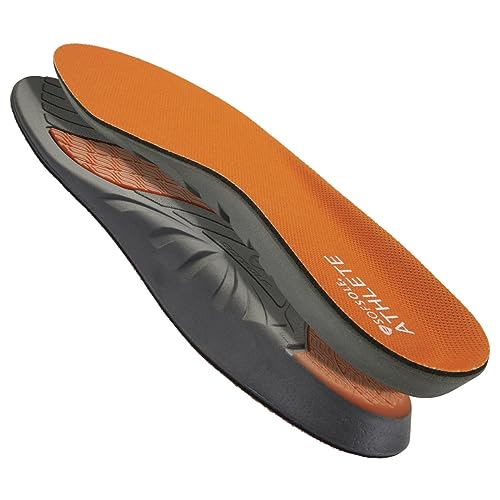
These strike a smart balance between comfort and performance at a reasonable price. The heel-to-toe gel and PU foam combo delivers reliable cushioning, and the Hydrologix top cover does a solid job keeping feet dry, owners using them in training shoes or commuter bikes say they prevent blisters better than basic insoles. The neutral arch design makes them accessible to most foot types, and the full-length shape ensures consistent support across the footbed.
They’re not as stiff or performance-tuned as the Superfeet or MASTERFIT models, so don’t expect a dramatic boost in pedal efficiency. But for weekend riders, fitness cyclists, or those using hybrid bikes, the added comfort and moisture control make a noticeable difference. The midfoot ventilation is a small but appreciated touch, feet run cooler than with many foam-only inserts.
Video review
SOLE Active Medium + Met Pad Insoles

Strengths
- Heat-moldable for custom fit
- Built-in metatarsal pad
- Firm orthotic support
Trade-offs
- Stiff break-in period
- Not ideal for very narrow shoes
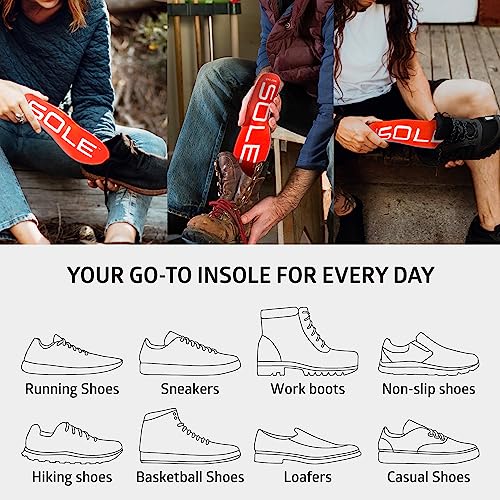
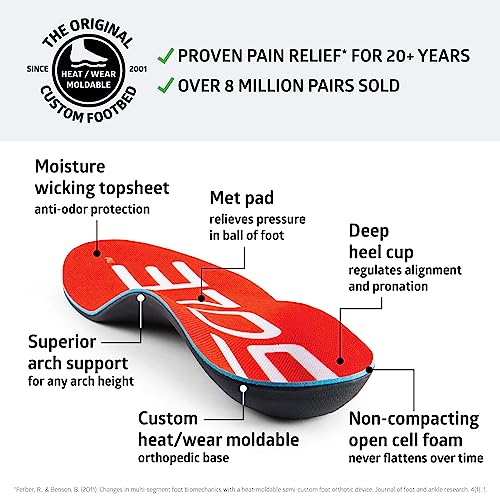
This is the go-to pick if you’re dealing with plantar fasciitis, metatarsalgia, or Morton’s neuroma. The built-in met pad is positioned to lift and spread the forefoot bones, and owners with chronic ball-of-foot pain consistently report relief. The heat-moldable feature is key, it allows the arch to conform to your foot, which makes a real difference for people who’ve struggled with off-the-shelf insoles that don’t quite fit right.
At 3.2mm, the medium thickness fits well in most cycling shoes without crowding the toe box, though some users note they work better in wider or more spacious models. The firm support isn’t about plush comfort, it’s about correcting alignment and reducing strain. Compared to softer insoles, these feel rigid at first, but that’s the point. If you’re riding through foot pain, this is one of the few options that directly addresses both heel and forefoot issues in a single insert.
Product photos



Risctrre Insoles for Men Women

Strengths
- Affordable
- Breathable design
- Easy to trim
Trade-offs
- Not cycling-specific
- Limited arch support
- Less durable over time
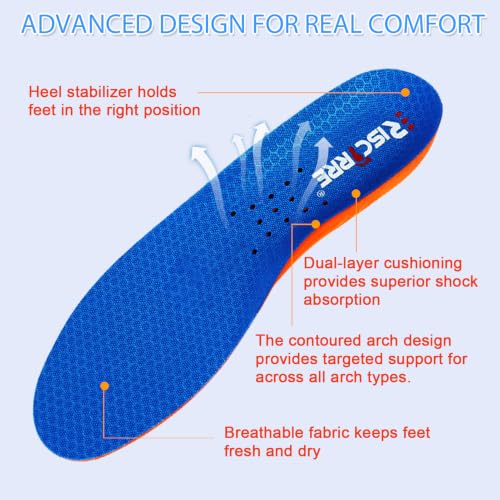
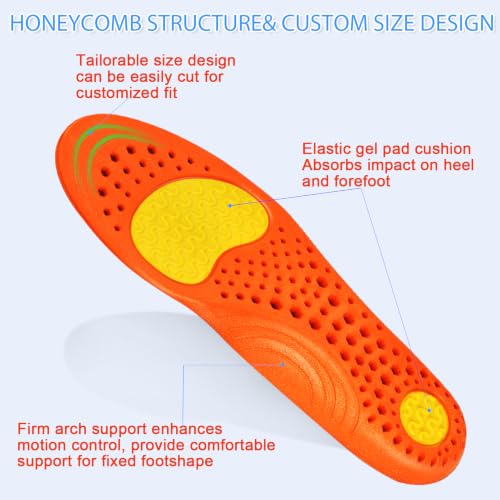
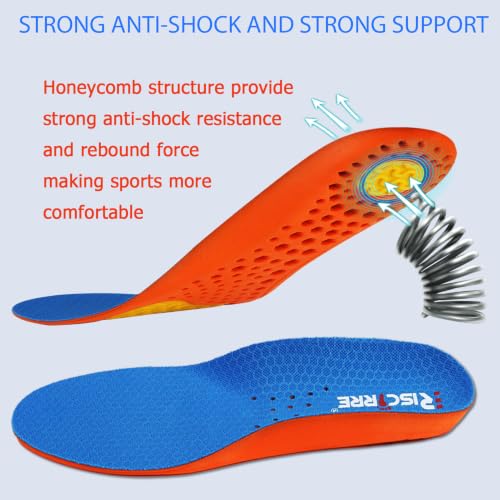
At this price, you’re not getting a cycling-specific design, but you are getting solid all-around comfort for the money. These insoles rely on a honeycomb foam and gel layer to deliver cushioning, and while they aren’t engineered for power transfer, owners say they make a big difference in everyday shoes or entry-level cycling footwear. The breathability stands out, many note less odor and sweat buildup compared to basic insoles, thanks to the moisture-wicking fabric and ventilation holes.
They’re trim-to-fit, which is great for versatility, but that also means they lack the precision shaping you’d want in a high-performance cycling shoe. The U-shaped heel helps with stability, but it doesn’t match the secure lock of deeper-cupped models. Still, for someone riding recreationally or commuting in trainers, these offer a noticeable upgrade over stock insoles without breaking the bank.
Product photos

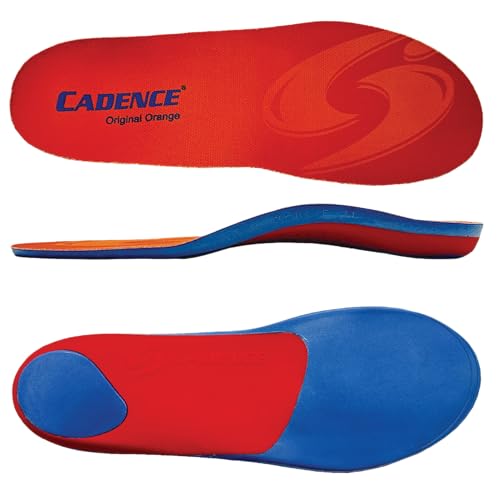
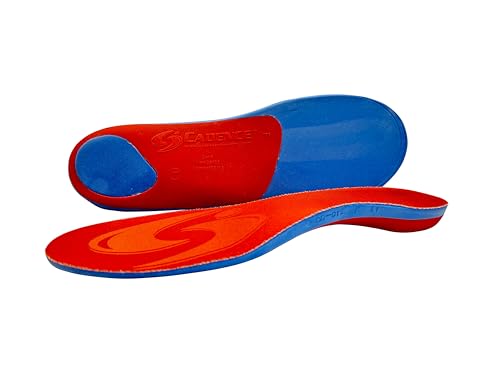
Cadence Insoles Orthotic Support Orange
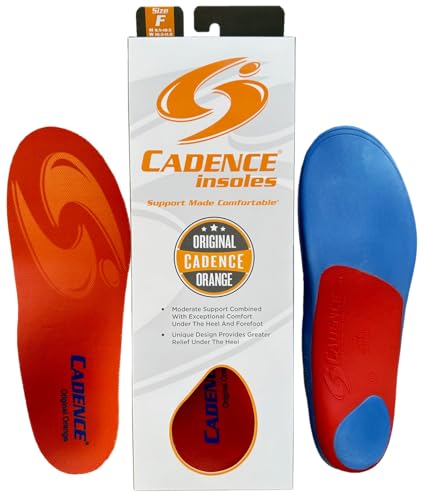
Strengths
- Exceptional shock absorption
- Semi-rigid support
- Anti-microbial top cover
Trade-offs
- Bulkier feel in tight shoes
- Less precise arch contouring
When shock absorption is the top priority, these stand out. The proprietary foam in the heel and forefoot delivers a plush yet supportive feel, and the ‘Comfort Zone’ in the heel is a smart design, it cushions impact without collapsing, which owners say helps on rough roads or long gravel rides. The semi-rigid structure provides decent arch support, though it’s not as customizable as heat-moldable options.
The low-friction top cover is a nice touch for reducing hot spots, and the antimicrobial treatment holds up well over time. Compared to firmer performance insoles, these lean more toward comfort, making them a solid pick for endurance riders or those with joint sensitivity. They’re not the lightest or most power-efficient, but if you’re logging big miles on mixed terrain, the impact protection alone makes them worth considering.
Product photos
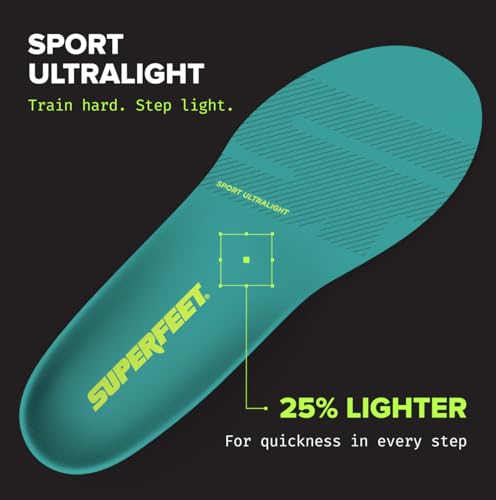
Superfeet Sport Ultralight Insoles
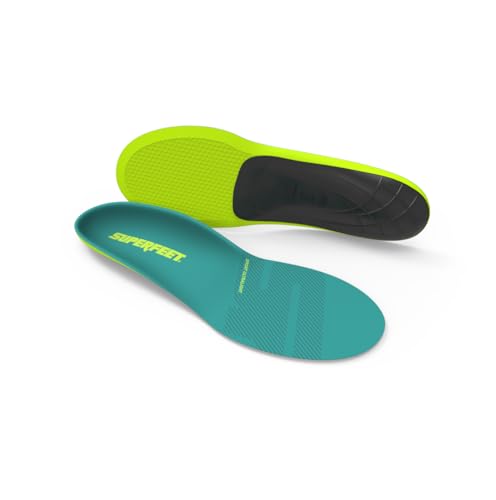
Strengths
- Ultra-lightweight
- Strong arch support
- Excellent moisture control
Trade-offs
- Firm cushioning may feel harsh
- Higher price point
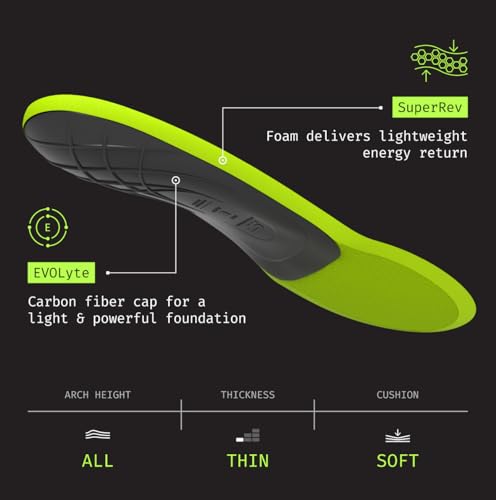
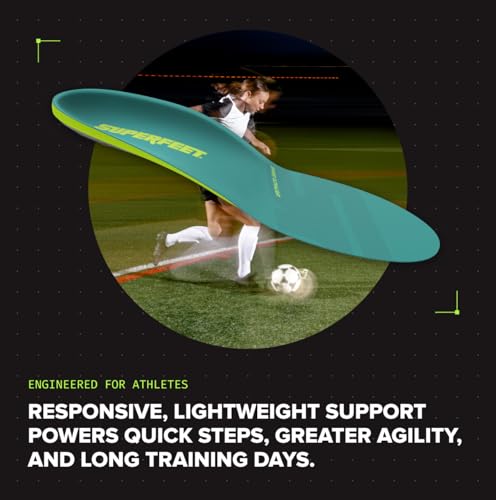
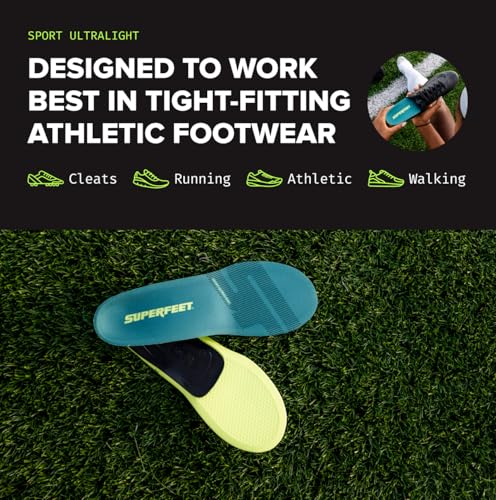
If you’re after a no-compromise lightweight insole that still delivers biomechanical support, this is it. The EVOLyte carbon fiber cap is the standout feature, it’s stiff enough to stabilize the foot without adding weight, which is critical in race or performance shoes where every gram counts. Owners who use these in cycling and running shoes praise the sculpted heel cup for reducing foot slippage and improving alignment, especially during high-intensity efforts.
The MoistureWick cover works as advertised, with consistent feedback about reduced sweat and odor. The foam cushioning is on the firmer side, which I prefer for power transfer, but it won’t appeal to those looking for plush comfort. Compared to bulkier orthotics, these stay true to their ultralight promise while still offering solid arch support for all foot types. For riders prioritizing efficiency and shoe fit, these are hard to beat.
Product photos

How We Picked These cycling shoe insoles
As someone who’s spent years exploring the connection between vehicle and rider – whether a motorcycle, bicycle, or even a classic automobile – I approach cycling insoles with a similar mindset. My research wasn’t about long-term personal use, but a detailed comparison of published specifications, features, and, crucially, owner and expert reviews. I weighed these against what I know about biomechanics and the demands placed on the feet during cycling, ultimately ranking options against clear criteria: support, cushioning, and overall value.
For cycling insoles, arch support and shock absorption were the heaviest factors in my assessment. A stable platform is paramount for efficient power transfer (and preventing hotspots) and reducing fatigue on longer rides. Beyond that, the ability to address specific foot issues – like plantar fasciitis or metatarsalgia – became a key differentiator. After all, comfort isn’t universal; the right insole needs to address individual needs and shoe types.
Specifications reliably revealed material composition and construction details, but owner feedback truly illuminated real-world performance. I paid close attention to comments regarding fit within different cycling shoes, durability, and effectiveness in alleviating discomfort. Expert reviews helped validate claims about features like metatarsal pads or heat-moldable arch supports, and I used those insights to understand which insoles truly deliver on their promises. You can find a deeper look at the broader range of options in our guide to the best cycling insoles. Don’t forget to pair a good insole with the right performance socks for maximum comfort.
How To Choose The cycling shoe insoles
Finding the right insoles can dramatically improve your time in the saddle. It’s a surprisingly impactful upgrade, and one often overlooked when focusing on the broader picture of cycling shoes.
Quality cycling shoe insoles prioritize efficient power transfer, arch support tailored to foot type, and shock absorption to reduce fatigue on long rides. Look for materials that balance cushioning with firmness, a shape that complements your foot’s natural contours, and construction designed to withstand the repetitive stresses of pedaling. Consider volume – a low-volume insole fits more snugly in performance footwear, while higher-volume options offer more cushioning.
Understanding Your Arch Type
Many riders simply swap out the factory insoles without considering their arch height. This is a mistake. Insoles are not one-size-fits-all; matching the support to your arch is critical. A neutral arch can often get away with a fairly standard insole, but those with high or low arches will benefit significantly from targeted support. If you’re unsure, a simple wet foot test (stepping onto a piece of cardboard and noting the imprint) can give you a good starting point. Don’t assume higher cost equals better fit – it’s about finding the right shape for your foot.
Material and Cushioning Choices
The materials used in a cycling insole dictate its feel and performance. EVA foam is common, providing a good balance of cushioning and support at a reasonable price. However, higher-end insoles often incorporate materials like Poron foam, which offers superior shock absorption and rebound. Consider the type of riding you do. If you spend long hours on rough roads or gravel, prioritize cushioning. For short, intense efforts on smooth pavement, a firmer insole promoting direct power transfer might be preferable.
Here’s how material choices generally break down:
- Basic EVA foam: Affordable, decent cushioning.
- Gel inserts: Add shock absorption, but can sometimes feel less responsive.
- Poron/Memory foam blends: Excellent shock absorption and conforms to the foot.
- Carbon fiber reinforced: Maximum stiffness for power transfer (often found in higher-end models).
A proper insole isn’t just about comfort; it’s about efficiency. A stable platform underfoot reduces wasted energy, letting you put more power into each pedal stroke.
Volume and Compatibility with Your Shoes
Cycling shoes, particularly high-performance road models, tend to have a snug fit. Adding an insole can sometimes create pressure points if the volume isn’t right. Low-volume insoles, like the Masterfit EZQF, are designed to fit comfortably in these tighter shoes without crowding the foot. Conversely, if you have wider feet or prefer more cushioning, a higher-volume insole might be a better choice. Before purchasing, check the insole’s profile and compare it to the space available in your clipless shoes. Don’t underestimate the importance of trimming the insoles to fit perfectly – a slightly off-size insole can cause more problems than it solves. Many riders find that exploring options for specialized cycling insoles can make all the difference.
Cycling Shoe Insoles Compared
Here’s a comparison of key specifications for popular cycling shoe insoles to help you make an informed purchase.
| Product Name | Best For | Arch Support | Cushioning | Heel Cup | Material | Thickness (mm) |
|---|---|---|---|---|---|---|
| MASTERFIT EZQF Low Volume | Best Overall | Adaptive | Memory Foam | Stabilizing | N/A | N/A |
| SOFSOLE ATHLETE Performance | Best Budget Comfort | Neutral | Gel & Foam | Yes | N/A | N/A |
| SOLE Active Medium + Met Pad | Best for Foot Pain Relief | Firm | N/A | N/A | N/A | 3.2 |
| Risctrre Insoles | Best Budget Basic | N/A | Rubber/Gel | U-Shaped | N/A | N/A |
| Cadence Insoles Orthotic Support | Best Shock Absorption | Semi-Rigid | Proprietary | Yes | N/A | N/A |
| Superfeet Sport Ultralight | Best Lightweight Performance | Contoured | Lightweight Foam | Sculpted | Carbon Fiber | N/A |
Frequently Asked Questions
Will cycling-specific insoles really make a difference compared to general athletic insoles?
Yes, cycling insoles are designed with the unique pressures and movements of pedaling in mind. Unlike general athletic insoles, they focus on supporting the arch and providing a stable platform for efficient power transfer, which can reduce fatigue and improve performance.
How do I know if I need a stiffer insole, like those with carbon fiber?
If you prioritize power transfer and race or ride competitively on smooth surfaces, a stiffer insole, like those with carbon fiber insoles, is likely beneficial. These minimize flex and maximize the energy you put into each pedal stroke, but may sacrifice some comfort.
What if the insole I want is slightly too big for my cycling shoes?
Most cycling insoles can be trimmed to fit your shoe’s size and shape. Carefully follow the manufacturer’s instructions, usually involving comparing the insole to the existing factory insole and cutting along the marked lines. A precise fit avoids pressure points.
Can insoles help with specific foot problems like plantar fasciitis?
Certain insoles, like the SOLE Active Medium + Met Pad, are specifically designed to address common foot issues. Look for features like targeted arch support, metatarsal pads, and deep heel cups to help alleviate pain and provide stability if you’re experiencing plantar fasciitis or similar conditions.
Beyond insoles, what other upgrades can improve comfort on long rides?
Investing in quality cycling accessories is a great way to enhance your experience. Consider padded shorts, a comfortable saddle, and moisture-wicking socks alongside good insoles to address multiple points of contact and maximize comfort during extended rides.
The Bottom Line
Choosing cycling shoe insoles often comes down to balancing control and comfort. You can spend a lot to get maximum power transfer and precise support, or you can prioritize all-day cushioning and relief from foot pain. For the best overall experience, though, I believe the MASTERFIT EZQF Low Volume strikes the right chord. Its adaptive arch support and memory foam offer a blend of performance and comfort that suits a wide range of riders and shoe types.
If you’re on a tighter budget, or simply want a noticeable upgrade from stock insoles, the SOFSOLE ATHLETE Performance provides excellent value. For those specifically battling foot pain, the SOLE Active Medium + Met Pad is a targeted solution, and the Risctrre Insoles offer a basic, affordable entry point. And if you’re primarily focused on indoor cycling, don’t overlook the importance of a good fit with your indoor cycling shoes – even with upgraded comfort inserts for shoes.
Ultimately, the best insole isn’t about the fanciest materials or highest price tag. It’s about finding a stable, supportive platform that allows you to pedal efficiently and comfortably, ride after ride. Focus on matching the insole’s arch support to your foot type, and don’t hesitate to experiment with different volumes to find the perfect fit within your cycling shoes. A properly fitted insole is a small investment that can yield big returns in terms of performance and enjoyment.
