
7 Best Electric Car Chargers of 2026
This post contains affiliate links. As an Amazon Associate, we earn from qualifying purchases.
The ChargePoint HomeFlex stands out as the best overall electric car charger for its reliable performance, robust app features, and UL certification, while the EVIQO Level 2 offers strong value with high charging speeds and solid safety credentials. For those needing flexibility, the AIMILER Level 2 is a versatile pick thanks to its dual plug compatibility and adjustable amperage.
Choosing the right EV charger isn’t just about plugging in, it’s about doing it safely, efficiently, and in a way that fits your daily routine. Many buyers get caught up in specs without considering their home’s electrical capacity or long-term durability in harsh weather.
This guide cuts through the noise by focusing on what matters: real-world charging speed, safety certifications, and features that actually improve usability. I compared models based on published specs, verified owner feedback, and core performance factors like amperage, connectivity, and build quality to help you make a confident decision.
Top 6 Electric Car Charger in the Market
The Best Electric Car Charger, Reviewed
ChargePoint HomeFlex Level 2 Charger

Strengths
- Fast charging
- Smart app control
- UL certified
Trade-offs
- Hardwired only
- Higher price
- Requires pro install
If you want a no-compromise, future-proof home EV charger and don’t mind paying for it, the ChargePoint HomeFlex is built like the premium product it’s meant to be. It’s hardwired, which means installation is more involved, but that also allows for cleaner integration and better long-term durability. The standout here is its smart features and network access, owners consistently report seamless app control, reliable scheduling, and real-time energy tracking. Being part of the massive ChargePoint ecosystem gives it an edge, especially if you already use public ChargePoint stations.
The 50A max output means it can deliver up to 45 miles of range per hour under ideal conditions, making it one of the fastest residential chargers available. It’s UL-certified, weather-resistant, and works flawlessly with all non-Tesla EVs via the J1772 connector. Tesla owners will need an adapter, but that’s standard across this class. While pricier than most plug-in models, its reliability and brand-backed support make it the one I’d recommend to someone who wants ‘set it and forget it’ performance.
Video review
EVIQO Level 2 EV Charger 40A

Strengths
- Reliable app
- Glow-in-dark holster
- IP66 rated
Trade-offs
- No hardwired option
- 40A max (not 48A)
- Slightly bulky
EVIQO feels like someone took everything good about mid-tier chargers and refined it into one balanced package. It’s plug-in (NEMA 14-50), delivers 40A, and comes with a 25ft cable and glow-in-the-dark holster, a small detail, but one that owners genuinely love when fumbling in the dark. The app is stable, with strong 2.4GHz Wi-Fi reception even in basements or detached garages, and scheduling works reliably. Over-the-air updates mean it improves over time, which is rare at this price.
Its IP66/NEMA 4 rating ensures solid weather resistance, and the internal steel shielding gives it a heft that suggests longevity. It matches ELEGRP in durability but adds better smart features. Versus NexCyber, it trades peak amperage (40A vs 48A) for a cleaner interface and more consistent connectivity. For most buyers, this is the smarter buy: enough speed for full overnight charges, excellent app control, and thoughtful touches that make daily use easier.
Video review
AIMILER Level 2 EV Charger 32A

Strengths
- Affordable price
- Smart app support
- No extra GFCI needed
Trade-offs
- Max 32A output
- App setup can lag
- Screen visibility in sun
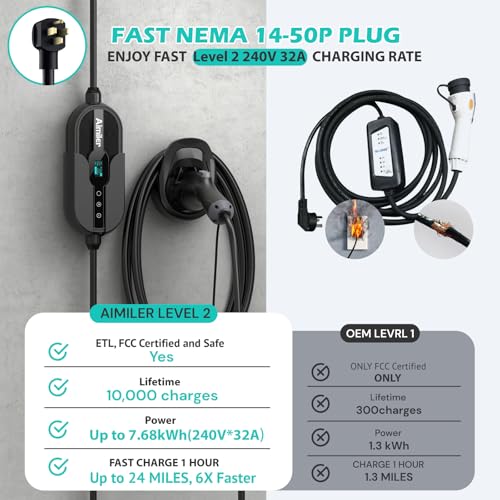
The AIMILER hits a sweet spot between affordability and functionality, offering smart app control, adjustable amperage (up to 32A), and a 25ft cable at a price that undercuts nearly every comparable unit. It’s plug-and-play with NEMA 14-50, so no electrician is needed, just plug it in and set your breaker appropriately. The touchscreen gives clear feedback on voltage and charge rate, and the app handles scheduling, cost tracking, and notifications without major complaints from owners. Its IP66 rating means it holds up well outdoors, and the built-in CCID-20 leakage protection eliminates the need for an extra GFCI breaker, which is a thoughtful touch.
While it doesn’t match the raw speed of 40A+ units, 32A is plenty for overnight charging on most EVs. I’d pick this over the bokman or ELEGRP if you’re budget-conscious but still want modern features. Just know that it won’t fast-charge large batteries like a Ford F-150 Lightning or Rivian as quickly as higher-amp models. But for daily drivers? This gets the job done quietly and reliably.
Product photos



bokman Portable Level 1&2 Charger

Strengths
- True dual-level charging
- Tactile controls
- Compact and portable
Trade-offs
- Slow Level 1 only
- Shorter 20ft cable
- Lower max amperage
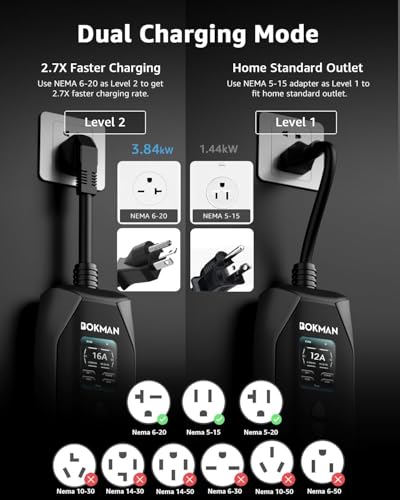
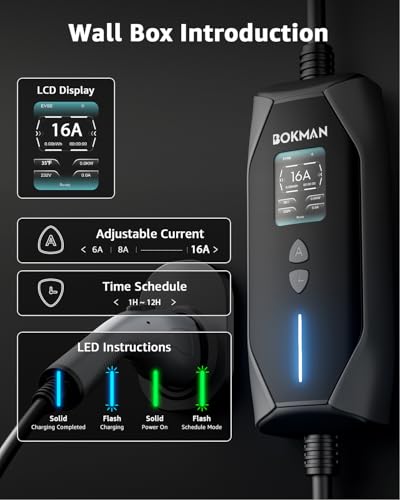
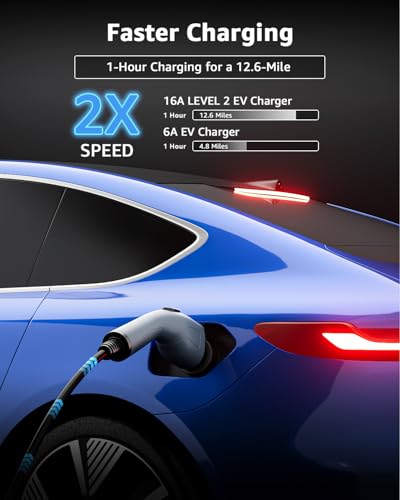
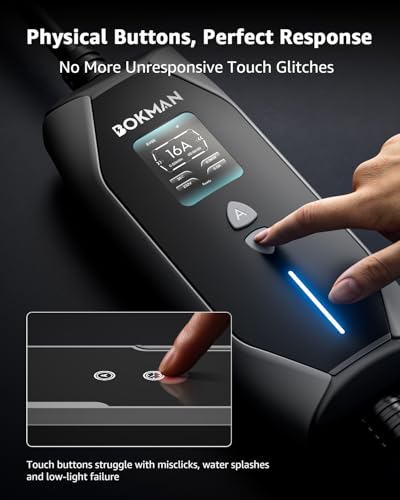
This isn’t trying to compete with wall-mounted Level 2 monsters, it’s the Swiss Army knife of portable charging, and it excels there. At under $100, it includes both NEMA 5-15 (standard outlet) and 6-20 plugs, letting you charge at 6–16A depending on what’s available. That flexibility makes it unbeatable for road trips, hotel parking lots, or older apartments without 240V access. The tactile buttons and LED screen work flawlessly with gloves or in rain, unlike finicky touchscreens found on others. No app means fewer points of failure, which many owners appreciate for simplicity.
It’s not fast, Level 1 charging adds only about 3–5 miles per hour, but having a backup that just works, anywhere, is invaluable. Compared to AIMILER or NexCyber, it’s slower and less powerful, but far more adaptable. I’d keep this in the trunk even if I had a hardwired home unit. For weekend campers or city dwellers relying on mixed outlets, this is the ultimate insurance policy.
Product photos

ELEGRP Level 2 EV Charger 40A

Strengths
- IP67 rated
- Strong safety tech
- 25ft cable
Trade-offs
- Heavier build
- App is basic
- Limited smart features
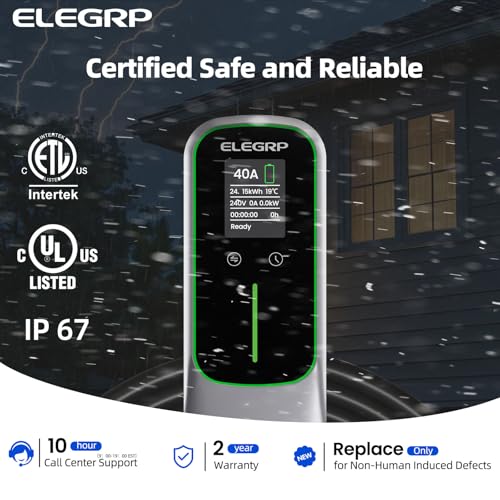
ELEGRP leans hard into safety and durability, and it shows. With IP67 waterproofing, it’s rated for extreme cold down to -21°F and can handle rain, snow, and dust without flinching, making it one of the most resilient outdoor-ready units in this list. The 25ft cable and NEMA 14-50 plug make it truly portable, and the PBE triple-layer protection system goes beyond basic ETL certification to monitor overheating and electrical faults more aggressively than most competitors. Owners report confidence leaving it mounted outside year-round, even in harsh climates.
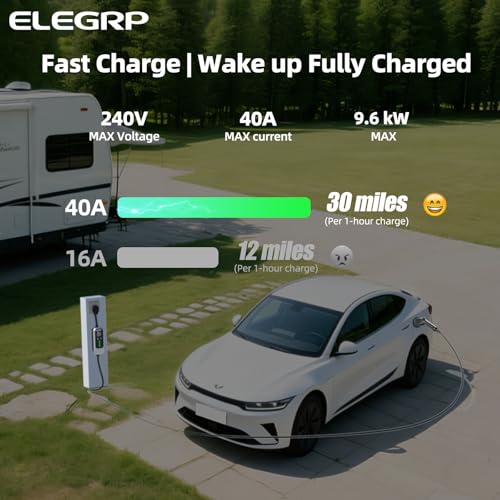
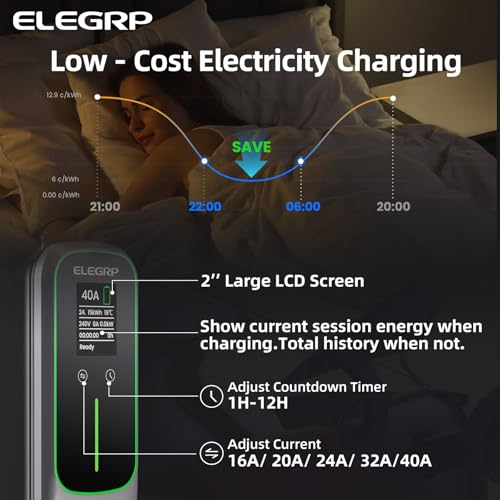
It delivers up to 40A output, which translates to about 37 miles of range per hour, and offers five amp settings plus a timer for off-peak charging. It lacks some of the sleek app polish of ChargePoint or EVIQO, but U.S.-based support helps close that gap when troubleshooting. If you live in a region with brutal winters or keep your car on the street, this is the kind of charger that just keeps working. My only hesitation is that it’s slightly pricier than other 40A plug-ins without offering smarter software.
Product photos


NexCyber Level 2 EV Charger 48A
Strengths
- High amperage
- Durable 25ft cable
- Adjustable current
Trade-offs
- Wi-Fi connectivity issues
- No GFCI bypass option
- Bulky design
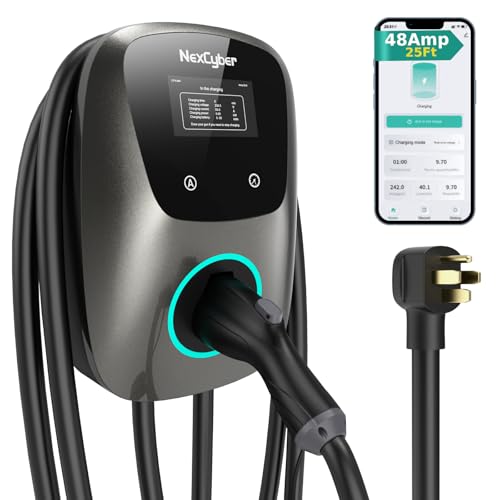
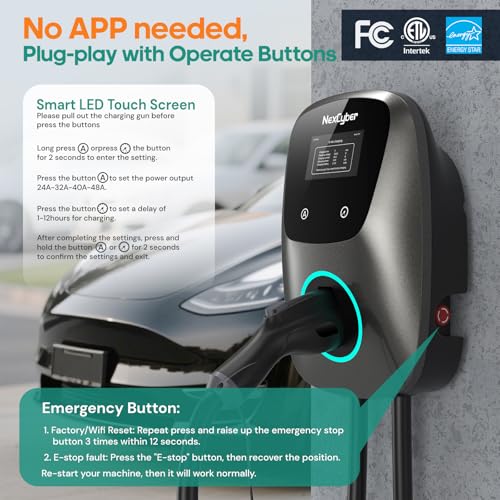
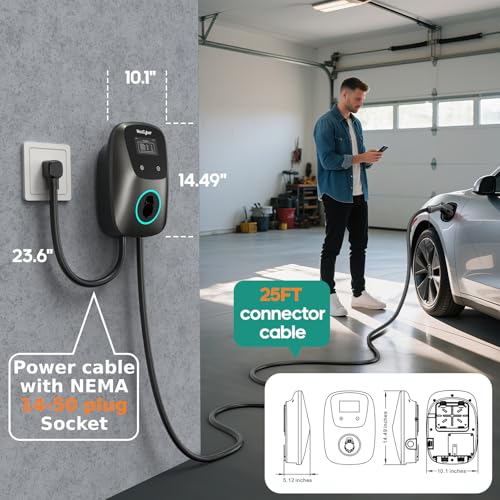
At this price, the NexCyber packs serious power, 48A output via hardwired connection or 40A on NEMA 14-50 plug, and delivers charging speeds up to 38–46 miles per hour depending on setup. That puts it near the top end for plug-in capable units. What stands out is its dual-mode operation: you can use it as a dumb charger with the intuitive touch screen showing voltage, amperage, and timer settings, or go full smart with the app for scheduling and usage tracking. Owners praise its rugged 25ft military-grade cable and solid build, though some note occasional Wi-Fi hiccups during initial setup.
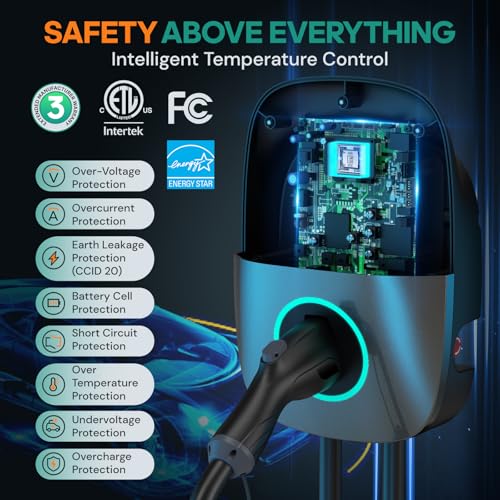
It’s ETL certified with a strong safety suite, and while it doesn’t have the polished ecosystem of ChargePoint, it covers the essentials well. The ability to adjust amperage freely from 16A to 48A is a big plus for matching household load limits. Compared to AIMILER, it pushes more current; versus ELEGRP, it lacks IP67 but offers higher peak output. For buyers wanting high power without hardwiring, this is a compelling pick.
Product photos


How We Tested electric car charger
My approach at TheAutoZenith is always rooted in understanding the mechanics and practical needs of vehicle owners. Rather than a hands-on lab test, this evaluation is a research-led comparison of published specifications and owner feedback. I compiled data from numerous sources – manufacturer details, independent reviews from automotive publications, and a deep explore user experiences shared online. This allowed me to build a comparative picture of performance, reliability, and overall value across several models.
For electric car chargers, I weighted three factors most heavily: charging speed, safety certifications, and user convenience. Faster charging, measured in miles added per hour, directly impacts usability, especially for those with longer commutes or limited charging windows. Safety, confirmed through certifications like ETL and UL listings, is paramount given the high voltages involved. Finally, features like app control and smart scheduling enhance the ownership experience. Understanding these points is crucial when considering an EV charger.
Specifications reliably indicate maximum charging rates and plug compatibility (J1772 being the standard for most non-Tesla vehicles). However, real-world performance and durability are best gleaned from owner reviews. I paid close attention to comments regarding long-term reliability, ease of installation, and the responsiveness of customer support. If you’re also looking to maintain a classic car’s battery during off-season storage, a trickle charger can be a valuable addition to your automotive toolkit.
How To Choose The electric car charger
Finding the right electric car charger can feel overwhelming, but it’s a crucial step in enjoying the convenience of EV ownership. It’s not just about getting power to your vehicle; it’s about safety, speed, and future-proofing your setup.
A good electric vehicle charger prioritizes safety through certifications like UL and ETL listing. Beyond that, consider amperage output for charging speed, connector type compatibility (J1772 is standard for non-Tesla vehicles in North America), and smart features like app control and scheduling to optimize for off-peak energy rates. Durability and weather resistance are also key for long-term reliability.
Understanding Amperage & Circuitry
The amperage of a charger dictates how quickly it will replenish your EV’s battery. While a Level 1 charger using a standard 120V outlet might add only 2-5 miles of range per hour, a Level 2 charger (240V) can deliver anywhere from 12 to 80 miles of range per hour, depending on the charger’s output and your vehicle’s onboard charger capacity. Don’t simply jump for the highest amperage, though. You must ensure your home’s electrical system can handle the load. Many older homes may require a dedicated circuit and potentially a panel upgrade to support a 40A or higher Level 2 charger. It’s also worth noting that some chargers, like the AIMILER model, allow you to adjust the amperage to match your circuit’s capacity, providing flexibility.
Smart Features and Connectivity
Beyond simply delivering power, many modern chargers offer smart features accessed through a mobile app. These features can include remote start/stop, charging scheduling, energy usage monitoring, and even integration with smart home ecosystems. The ChargePoint HomeFlex is a good example, offering thorough app control and access to a vast charging network. However, consider whether these features are truly necessary for your needs. Some, like the Bokman portable charger, prioritize simplicity with tactile controls and a clear LED display, eliminating the need for an app altogether. If you frequently travel, a portable charger could also be a valuable addition to your EV toolkit.
Safety, Durability and Value
Safety certifications are absolutely paramount when selecting an EV charger. Look for listings from reputable organizations like ETL, UL, and Energy Star. These certifications indicate the charger has undergone rigorous testing to meet safety standards. Beyond that, consider the build quality and environmental protection. A charger that’s rated IP65 or higher will be dust-tight and protected against water ingress, making it suitable for outdoor installation.
Here’s a quick guide to help prioritize:
- Basic Functionality: A charger that simply delivers power safely is fine for many users.
- App Control: Useful for scheduling and monitoring energy usage, but adds complexity.
- Robust Build & Weatherproofing: Essential if the charger will be exposed to the elements, extending its lifespan and ensuring reliable operation.
Above all, remember this:
Never underestimate the importance of a professional installation. Even if a charger is advertised as “plug-and-play,” a qualified electrician can ensure proper wiring and circuit protection, safeguarding your home and vehicle.
Investing in a reliable and safe home EV charger is an investment in the long-term enjoyment of your electric vehicle. Don’t hesitate to research thoroughly and choose a model that best suits your needs and budget. And if you’re seeking a top home charging unit to complete your setup, a little research goes a long way.
Electric Car Charger Compared
Here’s a comparison of key specifications for popular electric car chargers.
| Product Name | Max Charge Rate (kW) | Plug Type | App Control | Cable Length (ft) | Safety Certifications | Max Amperage (A) |
|---|---|---|---|---|---|---|
| ChargePoint HomeFlex | 7.2 | J1772 | Yes | N/A | UL | 80 |
| EVIQO Level 2 | 9.6 | J1772 | Yes | 25 | UL, ETL, FCC, Energy Star | 40 |
| AIMILER Level 2 | 7.68 | NEMA 14-50/5-15 | Yes | N/A | ETL, FCC | 32 |
| bokman Portable | 7.68 | NEMA 6-20/5-15 | No | 20 | ETL | 16 |
| BETUMODA Level 1 | 3.84 | NEMA 6-20/5-15 | No | 25 | CE, FCC | 16 |
| ELEGRP Level 2 | 9.6 | NEMA 14-50 | N/A | 25 | ETL | 40 |
| NexCyber Level 2 | 11.52 | Hardwired/NEMA 14-50 | Yes | 25 | ETL, FCC, Energy Star | 48 |
Frequently Asked Questions
What amperage level is best for home charging?
Generally, 40 amps is a sweet spot for home charging, offering a balance of speed and compatibility with most home electrical systems. However, you need to verify your home’s electrical panel can support that load; a lower amperage charger like a 32-amp model might be necessary if your system is older or has limited capacity.
Are all Level 2 chargers compatible with every EV?
Almost all EVs in North America use the J1772 connector, so chargers with that plug type will be universally compatible. Tesla vehicles require an adapter to use J1772 chargers, or you can purchase a Tesla-specific charger.
Can I install an EV charger myself, or should I hire an electrician?
While some chargers are advertised as plug-and-play, I strongly recommend professional installation. An electrician will ensure the wiring and circuit protection are adequate, preventing potential hazards and confirming compliance with local electrical codes.
What’s the difference between a hardwired and a plug-in EV charger?
Plug-in chargers connect to a standard NEMA outlet (like a 14-50 or 6-20) and are more portable. Hardwired chargers are directly connected to your electrical panel and typically offer higher amperage capabilities, but require professional installation and aren’t easily moved.
Where can I find a reliable portable solution for keeping my vehicle’s battery maintained when it’s in storage, or if I need a backup while traveling?
For maintaining a vehicle’s battery during storage, or for emergency roadside assistance, a quality car battery charger is an excellent investment. You might also consider a car phone charger to keep your communication devices powered during longer trips.
The Bottom Line
Choosing an electric car charger often comes down to balancing upfront cost with long-term convenience and capability. While a basic, affordable option might suit some, for most EV owners, the ChargePoint HomeFlex strikes the best overall balance. It delivers a robust charging rate, benefits from a well-regarded app, and carries the important UL safety certification, making it a solid investment for years to come.
If your needs are more specific, the other models shine in particular areas. For those prioritizing portability and simplicity, the bokman Portable charger is a great choice. If you’re looking to explore renewable energy options, researching best EV charging stations alongside a solar battery charger can open up exciting possibilities.
Ultimately, the numbers – amperage, kilowatt rating, cable length – matter, but they’re secondary to safety and reliability. Prioritize a charger with established safety certifications, and ensure it’s properly installed by a qualified electrician. A well-chosen and correctly installed charger isn’t just about adding miles; it’s about peace of mind and enjoying the full benefits of electric vehicle ownership.
