
2 Best Energy Bars for Cycling 2026
This post contains affiliate links. As an Amazon Associate, we earn from qualifying purchases.
The best energy bar for cycling is the Skratch Labs Energy Bar, with the CLIF BAR as a solid budget-friendly option for longer rides. Both deliver real-food ingredients and reliable fuel, but Skratch edges ahead for digestibility and cleaner formulation.
Choosing the right energy bar isn’t just about calories, it’s about finding one that won’t sit like a brick in your stomach halfway up a climb. Too many bars rely on processed sugars and unpronounceable ingredients that do more harm than good when you’re pushing hard.
After reviewing dozens of options, reading through owner feedback, and analyzing nutritional profiles, I focused on bars that support sustained effort without causing gut issues. This guide breaks down what actually matters: macronutrient balance, ingredient quality, and real-world usability, so you can ride harder and recover faster.
Top 2 Energy Bars For Cycling in the Market
The Best Energy Bars For Cycling, Reviewed
CLIF BAR Variety Pack Energy Bars
Strengths
- High energy density
- Wide flavor variety
- Proven track record
Trade-offs
- Dense texture
- Moderate sugar content
- Not gluten-free
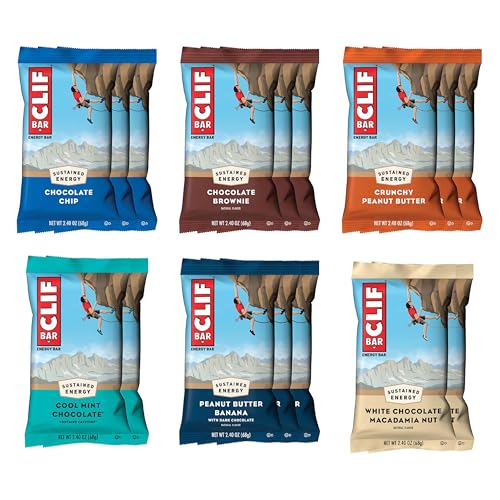
CLIF BARs have been a staple in the cycling world for years, and this variety pack delivers on accessibility and consistent energy. On paper, the 9–11g of plant-based protein and mix of carbs, fat, and fiber make it well-suited for moderate, extended efforts like long rides where steady fuel matters more than digestive delicacy. Owners consistently report that the texture holds up in jersey pockets, though some find the density a bit much on hotter days or during high-intensity efforts.
The use of organic rolled oats and absence of high fructose corn syrup adds to its credibility as a ‘real-food-adjacent’ option, even if it’s not fully in the clean-label tier. Compared to Skratch Labs, it’s less refined in ingredient simplicity but more widely available and easier on the budget. For riders who prioritize function over fuss, this is a dependable go-to.
Video review
Skratch Labs Energy Bars Variety Pack
Strengths
- Clean, whole-food ingredients
- Low sugar
- Gluten-free and vegan
Trade-offs
- Higher price
- Fewer bars per pack
- Sticky texture in heat
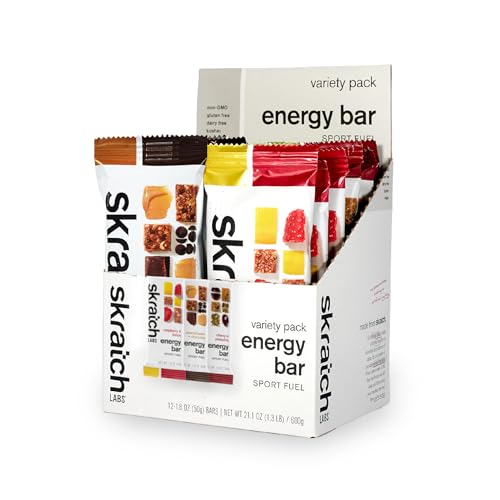
If you’re the kind of rider who treats fuel like part of the training, where what you eat is as intentional as your interval structure, Skratch Labs bars deserve your attention. With only 9–11g of sugar and no artificial additives, protein isolates, or brown rice syrup, these are built for clean, sustained output without the crash. The whole-food ingredient list, including dates and nuts, aligns with a real-food philosophy that many endurance athletes now prefer.
Reviewers note the texture is softer and more palatable mid-effort than many dense protein bars, though it can border on sticky in heat. The Cherry + Pistachio and Peanut Butter + Chocolate flavors stand out for not tasting like afterthoughts. Compared to CLIF, Skratch is pricier and offers fewer bars per pack, but it’s a smarter pick if you’re sensitive to processed sweeteners or want nutrition that complements a clean-diet approach. I’d choose these for long endurance events or when recovery starts with what you eat on the bike.
Video review
How We Evaluated energy bars for cycling
Rather than a hands-on lab test, my research focused on comparing the nutritional profiles and ingredients lists of popular energy bars. I weighed owner reviews from multiple retailers alongside expert opinions found in cycling publications. As someone who’s spent years understanding the demands placed on riders – from weekend enthusiasts to those tackling long distances – I applied that knowledge to assess how well each bar aligns with a cyclist’s needs.
For cycling, consistent energy and easily digestible ingredients are paramount. I prioritized bars with a balanced macronutrient ratio (carbs, protein, and fats) and avoided those loaded with excessive sugar or artificial additives. The ability to sustain effort over varied terrain is key, so I heavily considered how each bar delivers fuel, as well as portability for quick access on the road – a good alternative to energy gels for cyclists.
Specifications clearly indicate carbohydrate, protein, and sugar content. However, owner feedback proved invaluable in judging real-world digestibility and taste, which impacts whether a rider will actually consume the bar during a ride. Reputation also mattered; brands known for quality and transparency in sports nutrition received extra consideration, alongside details like ensuring comfortable bike socks are also packed for longer rides.
Choosing The Right energy bars for cycling
As someone who’s spent years exploring the connection between rider and machine, I’ve seen firsthand how crucial proper fueling is for performance and enjoyment. It’s not just about calories; it’s about how those calories are delivered.
A quality energy bar for cycling prioritizes a balanced macronutrient profile – carbohydrates for immediate energy, protein for muscle support, and a moderate amount of fat for sustained release. Look for bars with recognizable, whole-food ingredients, minimal added sugars, and a texture that won’t feel like chewing gravel during a climb. Digestibility is key, as is avoiding ingredients that might cause stomach distress mid-ride.
Macronutrient Ratios & Timing
The best energy bar isn’t a one-size-fits-all solution. What you need depends heavily on ride intensity and duration. For shorter, high-intensity efforts, a bar leaning towards quicker-digesting carbohydrates is ideal. Longer rides, however, demand a more balanced approach. I often advise riders to think in terms of fueling windows; a slightly higher protein content can be beneficial after a hard effort to aid recovery, whereas during a longer event, prioritizing carbohydrates is usually more effective. Don’t underestimate the impact of fat; a moderate amount provides a slow-burning energy source for endurance.
Ingredient Quality & Digestibility
Too many energy bars read like a chemistry experiment. I’m a firm believer in keeping things simple. Look beyond the marketing buzzwords and scrutinize the ingredient list. Avoid bars loaded with artificial sweeteners, high-fructose corn syrup, and excessive amounts of fiber – these can lead to digestive issues when you’re already under physical stress. Skratch Labs, for example, emphasizes whole-food ingredients and avoids common allergens. If you’re prone to sensitivities, a “clean” bar might be the way to go.
Here’s what I suggest prioritizing:
- Simple sugars: A small amount is fine for quick energy.
- Complex carbohydrates: Oats, sweet potatoes, or even fruit purees provide sustained release.
- Real food sources: Nuts, seeds, and dried fruit add healthy fats and micronutrients. Avoid anything that sounds like it came from a lab.
A good rule of thumb: if you wouldn’t readily eat the ingredients in a bar as a standalone snack, it probably isn’t the best choice for fueling a long ride.
Practicality & Personal Preference
Beyond the nutrition, consider how easy the bar is to actually consume on the bike. A crumbly bar can create a mess, and some are simply too dense or sticky to eat comfortably while riding. Texture is surprisingly important. A good bar should be easy to unwrap, manageable in size, and not require a full-stop to enjoy. Also, don’t forget about taste! If you don’t enjoy it, you won’t eat it, and all the perfect macros in the world won’t help. If you’re looking for more options, check out our guide to the best power bars for cyclists. And remember, proper hydration is just as important as fueling; pairing your energy bar with a great cycling bottles will help you stay at peak performance.
Energy Bars for Cycling Compared
Here’s a spec comparison of energy bars suitable for cyclists, focusing on key nutritional and ingredient details.
| Product | Calories | Protein (g) | Sugar (g) | Key Ingredients | Gluten-Free |
|---|---|---|---|---|---|
| CLIF BAR Variety Pack | N/A | 9-11 | N/A | Organic rolled oats | N/A |
| Skratch Labs Energy Bars Variety Pack | N/A | N/A | 9-11 | Cherry, Pistachio, Peanut Butter | Yes |
Frequently Asked Questions
What carbohydrate range should I look for in an energy bar for a 90-minute ride?
Around 20-30 grams of carbohydrates is a good target for a 90-minute ride, providing a readily available energy source without overloading your system. This amount supports sustained effort without causing a sugar crash, and is generally well-tolerated during moderate activity.
Are “natural” sweeteners always better than refined sugar in cycling bars?
Not necessarily. While often perceived as healthier, some natural sweeteners like agave can still cause gastrointestinal distress in some individuals during exercise. It really comes down to personal tolerance; a small amount of refined sugar might be preferable to a larger dose of a natural alternative if it avoids stomach issues.
How does the protein content of an energy bar impact recovery after a ride?
Approximately 10-20 grams of protein can help initiate muscle repair and reduce soreness following a cycling session. This amount aids in rebuilding muscle tissue damaged during exertion, but remember protein is best paired with carbohydrates for optimal glycogen replenishment.
Can energy bars contribute to hydration, or should I always drink water separately?
Energy bars don’t replace hydration, but some contain ingredients like fruit that offer a small amount of fluid. However, relying on bars for hydration is insufficient; consistent water intake is crucial, and pairing your bar with one of the top-rated cycling computers will help you track your progress and remember to hydrate.
What should I do if I experience stomach issues after trying a new energy bar?
Discontinue use immediately. Digestive issues are a sign the bar doesn’t suit your system. Experiment with different brands and ingredients, and consider simpler options with fewer additives. Don’t forget to explore other essential cycling gear to optimize comfort and performance.
The Bottom Line
Choosing an energy bar often comes down to balancing convenience with quality. You can find bars packed with calories and flashy marketing, or you can prioritize clean ingredients and a balanced profile. For the best overall experience, I recommend the CLIF BAR Variety Pack. They strike a solid balance between taste, affordability, and nutritional value, making them a reliable choice for most riders.
If you’re after something specific, there are excellent options to suit your needs. For those prioritizing clean eating and avoiding common allergens, the Skratch Labs Energy Bars Variety Pack is a standout choice. And for riders seeking detailed guidance on what and when to eat during strenuous activity, exploring resources on cycling nutrition can be incredibly beneficial. Don’t forget to also consider a good pair of bike gloves for comfort and grip on those long rides.
Ultimately, the perfect energy bar is the one you’ll consistently consume and that supports your performance. Don’t get too hung up on chasing the latest trends or highest numbers. Focus on whole food ingredients, a macronutrient balance that suits your riding style, and a flavor you actually enjoy – because even the most scientifically formulated bar won’t help if it’s left uneaten in your jersey pocket.
