
10 Best Fuel Cleaners For Cars in 2026
This post contains affiliate links. As an Amazon Associate, we earn from qualifying purchases.
The Red Line SI-1 Complete Fuel System Cleaner is the best overall for most drivers because its concentrated detergent blend cleans injectors, carburetors, valves, and combustion chambers in a single treatment. For restoring lost performance, the Chevron Techron Concentrate Plus is our top choice, while the Lucas Oil Fuel Treatment works well for both gas and diesel engines.
Carbon deposits, gum, and varnish build up inside every fuel system over time, robbing your engine of power, fuel economy, and smoothness. The right cleaner removes those deposits and protects sensitive components like oxygen sensors and fuel injectors.
We evaluated each product based on manufacturer specifications, expert round-ups, and patterns in owner feedback. This guide breaks down what each cleaner does best so you can match a product to your engine type, mileage, and maintenance routine.
Top 10 Fuel Cleaners For Cars in the Market


Certain content that appears on this site comes from Amazon. This content is provided "as is" and is subject to change or removal at any time.
The Best Fuel Cleaners For Cars, Reviewed
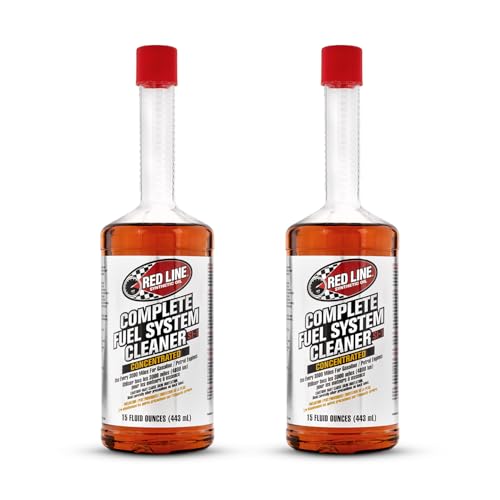
Red Line SI-1 Complete Fuel System Cleaner
What We Like
- Cleans injectors, carburetors, valves, and combustion chambers
- Concentrated blend of high-temp and low-temp detergents
- Enhances gasoline stability, reduces gum and varnish
Trade-offs
- One bottle per tank limits flexibility for smaller fuel loads
- Not suitable for diesel engines
A concentrated blend of high-temp and low-temp detergents means this cleaner tackles deposits all through the fuel system, injectors, carburetors, valves, and combustion chambers, in a single tank. That coverage makes it a strong choice for a thorough cleaning in one treatment. It also enhances gasoline stability and cuts down gum and varnish, which helps keep things running smoothly between services.
The full dose per tank means you are committing to a complete system clean each time, which is ideal for a thorough refresh rather than a light maintenance top-off. The two-pack gives you more product upfront compared to the Chevron Techron Concentrate Plus (sold as a 6-pack of 12-ounce bottles), but that also means less flexibility for partial treatments. If you drive a small car or just want a quick clean, you are using the whole bottle at once.
Chevron Techron Concentrate Plus Fuel System Cleaner
What We Like
- Restores lost power, acceleration, and fuel economy
- Reduces rough idle, hesitation, and spark plug fouling
- Improves cold start performance and fuel stability up to one year
- Works on cars, trucks, motorcycles, boats, and small engines
Trade-offs
- Requires treatment every 3,000 miles for automobiles
Chevron Techron Concentrate Plus cleans the entire fuel system, fuel injectors, carburetors, intake valves, and combustion chambers, so it addresses multiple drivability issues at once. Drivers who notice sluggish acceleration, rough idle, or hesitation can expect improvements in power, fuel economy, and cold starts. The formula also reduces spark plug fouling and stabilizes fuel for up to one year, making it a thorough treatment for restoring performance.
The 3,000-mile treatment interval ties directly to your oil change schedule, so you can simply add it at each service without extra planning. The six-pack delivers enough doses for six full treatments, making it easy to keep a supply on hand. For anyone dealing with rough idle, hesitation, or lost fuel economy, this cleaner addresses multiple symptoms in one pour.
Chevron Techron High Mileage Fuel System Cleaner

What We Like
- Restores lost power and performance
- Maximizes fuel economy
- Multiple corrosion inhibitors protect metal components
- Works with all ethanol blends
Trade-offs
- Single bottle treats only one tank of fuel
- No diesel engine compatibility listed
A 12-ounce bottle built specifically for vehicles with higher mileage accumulation, this cleaner targets the carbon build-up and corrosion that age brings. It removes gum, varnish, and deposits to restore lost power and performance, while multiple corrosion inhibitors protect both ferrous and non-ferrous metal components. That makes it a strong fit for drivers whose cars have seen many miles and need a formula that addresses the unique wear of an older engine, not just a general clean.
The 12-ounce bottle is a one-time treatment, so owners of multiple vehicles or those who want a bulk option may find the Lucas Oil Fuel Treatment more economical per use. But for a high-mileage car that needs targeted deposit removal and corrosion protection, this Chevron cleaner delivers exactly what the odometer demands. It is also fully compatible with ethanol blends, including E85, so it works in flex-fuel vehicles without worry.
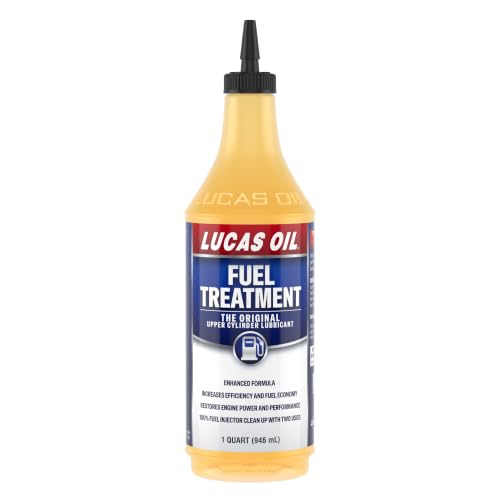
Lucas Oil Fuel Treatment
What We Like
- Works with both gasoline and diesel engines
- Cleans injectors, carburetor, and combustion chamber
- Neutralizes sulfur and harmful contaminants
- Prevents rust and corrosion
Trade-offs
- Requires two uses for full injector cleanup
- Not suitable for two-stroke engines
This fuel treatment works with both gasoline and diesel engines, so you can use one bottle across different vehicles. It cleans the fuel system, including injectors, carburetor, and combustion chamber, while neutralizing sulfur and other contaminants that can cause long-term damage. That makes it a practical choice if you want a single additive for multiple engine types.
The quart bottle is larger than some competitors’ offerings, so if you only need a single dose for one tank, you will have leftover product to store. The product’s Amazon listing states it takes two uses to achieve 100% fuel injector cleanup, so this is not a one-and-done quick fix. Compared to the Red Line SI-1, which cleans and prevents corrosion in fuel systems, the Lucas Oil treatment covers both gasoline and diesel engines but may require more than one treatment to see full injector cleaning.
Product photos
Sea Foam Motor Treatment

What We Like
- Cleans fuel system, oil, and stabilizes fuel
- Works with gas, diesel, ethanol blends
- Suitable for cars, trucks, boats, small engines
Trade-offs
- Requires adding to fuel every 3,000 miles
- Not a one-time fix; needs regular use
Sea Foam Motor Treatment cleans fuel systems, stabilizes stored fuel, and treats engine oil, all in one bottle. It can clean fuel injectors, carburetor restrictions, and chamber areas, and it removes sludge and deposits from motor oil crankcases. The product also stabilizes gasoline or diesel for up to two years, which helps prevent gum and varnish formation in stored vehicles. Because it works with gasoline, diesel, E10, and E85, it suits a wide range of engines without needing separate products for different fuel types.
The product requires adding it to the fuel tank every 3,000 miles, so it is not a one-time fix. If you prefer a fuel-system-only cleaner that you use less often, Chevron Techron Concentrate Plus is listed as a fuel system cleaner. Sea Foam offers the added benefit of oil treatment and fuel stabilization in the same additive.
Product photos
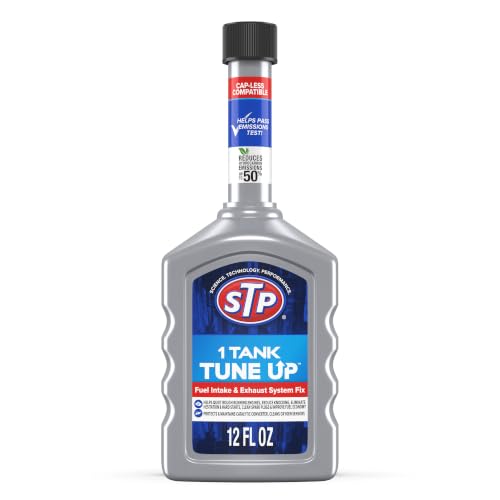
STP 1 Tank Tune Up Fuel System Cleaner
What We Like
- Reduces hydrocarbon emissions up to 50%
- Helps pass emissions tests
- Cleans dirty oxygen sensors
Trade-offs
- Single-tank treatment limits long-term prevention
- Not effective for diesel engines
A 50% reduction in hydrocarbon emissions makes this STP fuel system cleaner a focused tool for anyone facing an emissions test or wanting to shrink their car’s environmental footprint. That makes it a great pick for the driver whose car runs fine but needs to clear a smog check or reduce visible smoke without a trip to the shop.
This is a one-tank treatment rather than a continuous maintenance formula. You pour it in, drive the tank, and get the cleaning, but there’s no residual protection between uses. Compared to other fuel system cleaners, the STP is more of a targeted fix for an immediate emissions concern. If your goal is steady long-term fuel system upkeep rather than a one-time cleanup, you might prefer a product designed for repeated small doses.
Product photos
Hot Shot's Secret Everyday Diesel Treatment

What We Like
- Treats 400 gallons per bottle
- Boosts cetane up to 7 points
- Cleans internal and external injector deposits
- Prevents rust and corrosion
Trade-offs
- Designed for diesel engines only
- Requires use at every fill-up for best results
Treating 400 gallons per 16-ounce bottle, this additive is built for diesel owners who want a simple, consistent routine. A cetane boost of up to 7 points helps improve fuel economy, while the formula cleans both internal and external injector deposits. It also enhances fuel lubricity to safeguard the pump and injectors, and demulsifies moisture to protect fuel systems from rust and corrosion. For anyone driving a diesel truck, van, or SUV, this is a practical way to keep the fuel system healthy without guesswork.
This is a diesel-only product, so if you also maintain a gasoline vehicle, you will need a separate additive like Hot Shot’s Secret Gasoline Extreme. For diesel owners who want a dedicated, easy-to-measure solution at every fill-up, this is a straightforward choice.
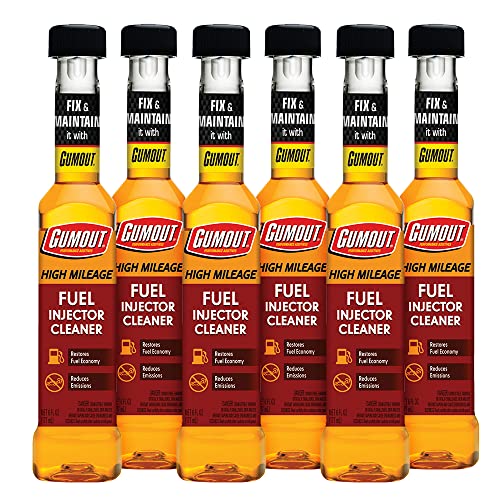
Gumout Fuel System Cleaner
What We Like
- Formulated for high-mileage carbon removal
- Cleans injectors, valves, and ports
- Safe for oxygen sensors
- Safe for turbo and supercharged engines
Trade-offs
- Single-use cleaner, not a continuous treatment
- Not formulated for corrosion prevention
A formula built specifically for engines that have crossed the 75,000-mile mark means this cleaner goes after the stubborn carbon that builds up over years of driving. It works on fuel injectors, intake valves, and ports, so you’re not just clearing one spot but restoring flow through the whole system. That makes it a strong pick if your car has some miles behind it and you’ve noticed a drop in pickup or fuel economy. The fact that it’s oxygen sensor safe and won’t void your warranty takes the guesswork out of using it on a modern engine.
This cleaner is purpose-built for higher-mileage engines, so if your car is newer or you’re just doing routine maintenance, you might be paying for more cleaning power than you need. Compared to something like the Red Line SI-1 Complete Fuel System Cleaner, which also tackles corrosion, this Gumout sticks to carbon removal and doesn’t offer that extra protection. It’s a focused tool for a specific job, and for a daily driver with a six-figure odometer, that focus is exactly what you want.
STA-BIL In-Season Protection Fuel System Treatment

What We Like
- Cleans injectors and fuel pumps
- Removes water, gum, and varnish
- Protects against ethanol damage
- Boosts MPG and engine power
Trade-offs
- Small 4 oz bottle treats only 5 gallons
- Requires 5-minute engine run after adding
With up to 12 months of fuel protection, this STA-BIL treatment cleans the entire fuel system from injectors to fuel pumps while removing water, gum, and varnish. It is designed to protect against corrosion and ethanol damage. It also increases gas mileage and engine power, making it a practical option for anyone who wants a cleaner fuel system and protection for ethanol-blended fuels.
Each 4 oz bottle treats just 5 gallons of fuel, so owners of larger tanks will need multiple bottles per fill-up. That makes this a focused product for smaller engines or occasional use rather than a bulk solution. If ethanol protection and keeping fuel fresh for up to 12 months are your main concerns, this STA-BIL delivers that in a simple pour-and-go format.
Product photos
Hot Shot's Secret Gasoline Extreme Fuel Additive
What We Like
- P.E.A. technology deep-cleans deposits
- Boosts MPG up to 7.9%
- Single treatment fixes rough idling
- Cleans valves, injectors, and pistons
Trade-offs
- 12 oz treats only 20 gallons per use
- Recommended every 10,000 miles, not per tank
- Gasoline only; no diesel compatibility
Hot Shot’s Secret Gasoline Extreme uses P.E.A. technology to dissolve gum and varnish buildup across the entire fuel system, from injectors to combustion chambers. That chemistry directly addresses the root cause of lost power in older or neglected engines. A single 12-ounce bottle treats 20 gallons of gas, and the manufacturer says it can improve fuel economy by up to 7.9%, making it a practical choice for someone whose daily driver feels sluggish or idles rough.
The single 12-ounce bottle treats 20 gallons of gasoline, and the manufacturer recommends using it every 10,000 miles rather than at every fill-up. That makes it a periodic deep-cleaning treatment for the fuel system, not a frequent maintenance additive. For a targeted fix that addresses serious carbon buildup and restores lost engine response, this product delivers exactly what it promises.
Product photos
How We Evaluated Fuel Cleaners For Cars
Our research began with manufacturer technical data sheets and product labels to understand each cleaner’s active chemistry, recommended dosage, and engine compatibility. We cross-referenced this information with expert round-ups from automotive publications and mechanic forums to identify which formulations deliver consistent results across different driving conditions.
The three criteria that mattered most were deposit-cleaning capability, engine compatibility, and treatment flexibility. A cleaner that only works on injectors misses valve and combustion chamber deposits, so we prioritized products with broad coverage. We also looked closely at whether a formula was safe for oxygen sensors, catalytic converters, and modern fuel systems.
This evaluation is based on published data and expert consensus. We can identify which products automotive professionals consistently recommend and why.
What To Look For In Fuel Cleaners For Cars
Choosing the right fuel cleaner means matching the product to your engine type, driving habits, and the specific problem you want to solve. Not every additive works on every engine, and some require more frequent use than others.
Look for a cleaner whose active ingredient and dosage match your engine type and the deposits you need to remove. One bottle per tank is not always the best approach.
Active Cleaning Chemistry
The most effective fuel cleaners use polyetheramine (P.E.A.) or polyisobutylene amine (PIBA) as their active detergent. P.E.A. Is generally considered the stronger choice because it breaks down deposits at higher temperatures inside combustion chambers and on valves. PIBA works better on lower-temperature deposits in the intake system and fuel injectors. Products like the Red Line SI-1 and Hot Shot’s Secret Gasoline Extreme use P.E.A. For deep cleaning, while others rely on PIBA blends for targeted injector cleaning.
Engine And Fuel Type Compatibility
Gasoline and diesel engines have fundamentally different fuel systems and deposit profiles. A gasoline cleaner may damage a diesel injection pump, and a diesel additive may not burn properly in a gasoline engine. Some products like the Lucas Oil Fuel Treatment and Sea Foam Motor Treatment work in both, but most are fuel-specific. Also check whether the cleaner is safe for oxygen sensors, catalytic converters, and turbochargers before adding it to your tank.
Treatment Frequency And Dosage
Some cleaners are designed for a single, powerful treatment every 3,000 to 10,000 miles, while others work best when added at every fill-up. The Chevron Techron Concentrate Plus requires treatment every 3,000 miles for automobiles, while the Hot Shot’s Secret Everyday Diesel Treatment is meant for use with each tank. Consider how often you want to add a product and whether a single bottle treats your full fuel tank size.
- Check your owner’s manual for any manufacturer recommendations on fuel additives.
- Match the treatment interval to your driving frequency and typical fill-up volume.
- Look for a product that addresses the specific deposit problem you have, not just general maintenance.
A single bottle of concentrated cleaner every few thousand miles is often more effective than a low-dose additive at every fill-up.
Fuel Cleaners For Cars Compared
The table below compares each fuel cleaner’s engine compatibility, treatment frequency, and primary use case so you can quickly see which product fits your needs.
| Product | Size | Target Systems | Use Interval |
|---|---|---|---|
| Red Line SI-1 Complete Fuel System Cleaner | 15 Ounce (2 Pack) | Injectors, carburetors, valves, combustion chambers | One bottle per tank |
| Chevron Techron Concentrate Plus Fuel System Cleaner | 12 oz (pack of 6) | Fuel injectors, carburetors, intake valves, combustion chambers | Every 3,000 miles |
| Chevron Techron High Mileage Fuel System Cleaner | 12 oz | High mileage vehicles | N/A |
| Lucas Oil Fuel Treatment | 1 quart | Fuel injectors, carburetor, combustion chamber | N/A |
| Sea Foam Motor Treatment | 16 oz, Pack of 3 | Fuel systems, oil | Every 3,000 miles |
| STP 1 Tank Tune Up Fuel System Cleaner | 12 fl oz | Injectors, intake valves, combustion chamber | N/A |
| Hot Shot's Secret Everyday Diesel Treatment | 16 oz | Fuel systems, injectors | Every fill-up |
| Gumout Fuel System Cleaner | 6 Pack | Fuel injectors, intake valves, ports | Engines over 75,000 miles |
| STA-BIL In-Season Protection Fuel System Treatment | 4 oz | Fuel injectors, fuel pumps | Up to 12 months |
| Hot Shot's Secret Gasoline Extreme Fuel Additive | 12 oz | Fuel systems, injectors | Every 10,000 miles |
Frequently Asked Questions
How often should I use a fuel system cleaner?
Most concentrated fuel cleaners recommend treatment every 3,000 miles for gasoline engines. Some products, like the Chevron Techron Concentrate Plus, specify this exact interval. Diesel treatments and maintenance additives may require use at every fill-up for best results.
Can I use a gasoline fuel cleaner in a diesel engine?
No, unless the product specifically states it is safe for diesel engines. Gasoline cleaners lack the lubricity and cetane-boosting additives that diesel fuel systems need. The Lucas Oil Fuel Treatment and Sea Foam Motor Treatment are two products that work with both fuel types.
Will a fuel cleaner help my car pass an emissions test?
Yes, if high hydrocarbon emissions are caused by carbon deposits on injectors or oxygen sensors. The STP 1 Tank Tune Up Fuel System Cleaner is formulated to reduce hydrocarbon emissions and clean dirty oxygen sensors, which can help a gasoline engine pass an emissions test.
What is the difference between a fuel cleaner and a fuel stabilizer?
A fuel cleaner removes existing deposits from injectors, valves, and combustion chambers. A fuel stabilizer prevents fuel from degrading during storage by reducing oxidation and gum formation. Some products, like the STA-BIL In-Season Protection, combine both functions in one treatment.
Do high-mileage engines need a special fuel cleaner?
High-mileage engines often have heavier carbon buildup and may benefit from corrosion inhibitors to protect aging metal components. The Chevron Techron High Mileage Fuel System Cleaner and Gumout Fuel System Cleaner are formulated specifically for engines over 75,000 miles with thicker deposit layers.
The Bottom Line
For most drivers, the Red Line SI-1 Complete Fuel System Cleaner delivers the broadest deposit coverage in a single treatment, cleaning injectors, carburetors, valves, and combustion chambers without needing repeated doses. If your main goal is restoring lost power and smoothness, the Chevron Techron Concentrate Plus is a strong choice that mechanics have trusted for years.
Budget-conscious drivers who want one product for multiple vehicles should look at the Lucas Oil Fuel Treatment, which works in both gasoline and diesel engines. Diesel owners will get the best value from the Hot Shot’s Secret Everyday Diesel Treatment, which treats 400 gallons per bottle.
The single most important buying factor is matching the cleaner’s chemistry and treatment interval to your engine type and the specific deposits you need to remove. A product designed for your engine and your driving habits will always outperform a general-purpose additive used on the wrong schedule.
