
9 Best Gravel Bike Saddles in 2026
This post contains affiliate links. As an Amazon Associate, we earn from qualifying purchases.
For gravel riders spending hours in a forward-leaning position, the WTB Gravelier Bike Saddle is our best overall pick thanks to its long perineal relief cutout and wide midpoint that makes position changes easy. For riders who want planted stability on rough descents, the Fizik Terra Argo X5 delivers a dropped-nose design and compliant shell. Weight-conscious riders should look to the Selle Italia SLR Boost Gravel TI316 Superflow.
Gravel riding means a mix of pavement, dirt, and washboard sections that transmit constant vibration through the saddle. The right saddle balances pressure relief, weight, and enough padding to absorb chatter without creating hotspots. A poor choice here can turn a long day into a painful one.
We evaluated these saddles by studying manufacturer specifications, expert round-ups, and patterns in owner feedback across the gravel cycling community. Our guide covers the key criteria that matter most for gravel-specific saddles and helps you match a saddle to your riding style and body type.
Top 9 Gravel Bike Saddles in the Market
Certain content that appears on this site comes from Amazon. This content is provided "as is" and is subject to change or removal at any time.
The Best Gravel Bike Saddles, Reviewed
WTB Gravelier Bike Saddle
What We Like
- Long perineal relief cutout for blood flow
- Wide midpoint for easy position changes
- Fusion Form base balances flex and support
- Lightweight at 0.5 pounds
Trade-offs
- Not for riders who prefer a short-nose saddle
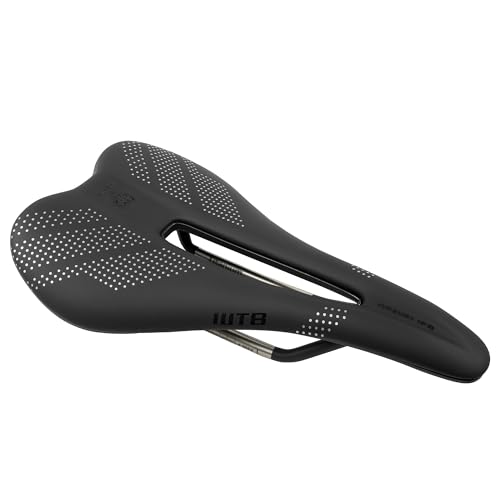
A 12-inch length and 8-inch width give the Gravelier a generous platform that cradles your pelvis during long gravel grinds. The extended perineal relief cutout is the standout feature here: it keeps blood flowing and reduces numbness when you’re leaning forward for hours over washboard roads. That makes this saddle a natural fit for endurance-focused gravel riders who want to stay comfortable mile after mile without constantly shifting weight.
The Gravelier’s 8-inch width cradles your pelvis to compensate for limited flexibility, so you stay comfortable even when you can’t shift around much. Its wide midpoint lets you slide forward or back easily on rough terrain, and the Fusion Form base delivers just enough flex to take the sting out of chatter without feeling mushy. For gravel riders who prioritize all-day pressure relief and easy on-saddle movement, this is a well-balanced choice.
Product photos
Fizik Terra Argo X5 Gravel Saddle

What We Like
- Planted position for greater stability
- Compliant shell absorbs gravel vibrations
- Waved profile supports lower back on climbs
- Dropped-nose design aids traction and power
Trade-offs
- Short nose limits forward shifting options
- Padding favors upright posture over aggressive riding
A 150mm width and short-nose shape work together to keep you planted, even when the terrain tilts upward. That stability comes from the waved profile, which supports your lower back during long climbs on loose gravel. The dropped nose lets you rotate your pelvis forward for better traction without sliding off. The carbon-reinforced nylon shell adds a controlled flex that soaks up chatter from unpaved roads, while the Type-2 foam padding, slightly thicker around the sit bones, cushions a more upright riding posture. Riders who want to hold a steady position mile after mile will appreciate how little squirming this saddle demands.
Gravel riders who prioritize a planted, stable position over minimal weight will appreciate the Terra Argo X5’s design. Its short-nose shape and waved profile help keep the rider locked in place, providing lower-back support during long days and improving traction when climbing over loose terrain. The dropped nose allows the pelvis to rotate naturally while pushing forward for better power transfer. A carbon-reinforced nylon shell adds controlled flexibility, absorbing road chatter and vibrations from unpaved roads. The Type-2 foam padding is slightly thicker around the sit bones, supporting a more upright posture with progressive cushioning that enhances comfort on extended rides.
Product photos
Selle Italia SLR Boost Gravel TI316 Superflow

What We Like
- Ti316 rails for strength and lightness
- Lightweight at only 204 grams
Trade-offs
- Minimal padding can feel firm on long rides
- Ti316 rails add weight compared to carbon options
At just 204 grams, this saddle is light enough for riders who want to cut weight without giving up the support needed for gravel riding. The Ti316 rails provide strength and lightness, while the Fibra-Tek cover adds durability. It’s built for riders who want a lightweight saddle that stays planted on mixed surfaces.
The 130mm width is narrower than some gravel saddles, which suits riders who prefer a performance-oriented fit. Compared to the Fizik Terra Argo X5’s 150mm width, this Selle Italia is designed for a more forward-leaning position. It’s best for riders who prioritize weight savings and a snug fit over a wide platform.
Brooks England Cambium C17 Carved

What We Like
- Waterproof nylon cover for all-weather use
- Maintenance-free vulcanized rubber and canvas top
- Flexible top follows rider movements for comfort
- Fiberglass back plate with saddle bag loops
Trade-offs
- At 450g, heavier than many gravel saddles
A waterproof nylon cover and vulcanized rubber construction mean this saddle shrugs off rain, mud, and trail spray without needing a cover or treatment. The flexible top follows your body through each pedal stroke, so you stay comfortable mile after mile, even when the weather turns. That makes the Cambium C17 Carved a natural fit for year-round gravel riders who ride through wet seasons, creek crossings, or sloppy spring roads and want a saddle that just works without fuss.
The Selle Italia SLR Boost Gravel TI316 Superflow weighs 0.4 pounds, so the Brooks England Cambium C17 Carved at 450 grams is over half a pound heavier, a real difference for gram-conscious riders. That extra heft comes from the vulcanized rubber and fiberglass-reinforced back plate, which includes loops for attaching a saddle bag. If you want a saddle that can take abuse and handle any weather without fuss, the weight is a fair price to pay.
Selle Italia Novus Boost Evo Gravel Superflow

What We Like
- Superflow cutout for pressure relief
- Extra padding adds cushioning
- Shock absorber improves ride comfort
- Carbon composite shell keeps weight low
Trade-offs
- Manganese rails add weight over titanium
The Superflow cutout and extra padding target pressure relief for riders who spend long hours in the saddle. The Soft-Tek cover and shock absorber work together to improve ride comfort on rough surfaces, while the carbon composite shell keeps overall weight reasonable at half a pound. This saddle suits gravel riders who want to reduce pressure without switching to a noseless design.
Gravel riders who want a supportive, vibration-absorbing seat will appreciate the Novus Boost Evo’s manganese rails, which provide durable support without the premium cost of titanium. The extra padding and built-in shock absorber work together to cushion rough terrain, making it a strong choice for long days on mixed surfaces. Riders who prioritize the lightest possible build may prefer the SLR Boost Gravel TI316 Superflow from Selle Italia, but for most gravel enthusiasts, the Novus Boost Evo delivers a balanced blend of comfort and strength.
Product photos
ISM PN 3.1 Tri Saddle

What We Like
- Noseless design eliminates pressure on soft tissue
- 40-Series foam adds soft, forgiving padding
- Chromoly rails for durable construction
- Generous thigh and hamstring clearance
Trade-offs
- At 0.8 lb, heavier than some gravel saddles
- Short 10-inch length limits fore-aft adjustment range
The ISM PN 3.1’s noseless design directly removes the saddle nose that presses on sensitive soft tissue, making it a standout for riders who experience numbness on long gravel rides. Its 40-Series foam padding adds a noticeably softer feel than the firmer PN 3.0, while the 120mm width and generous thigh clearance let you move freely across changing terrain. This saddle is built for gravel, road, triathlon, and time trial riding, so it suits anyone who shifts positions often and wants pressure relief without sacrificing movement.
The trade-off is weight: at 0.8 pounds with chromoly rails, it’s heavier than the 0.5-pound WTB Gravelier with titanium rails. The short 10-inch length may not suit riders who prefer a longer platform for extreme fore-aft adjustment. Still, if numbness is your main complaint on rough gravel roads, the PN 3.1’s pressure-relief design is a practical fix that prioritizes comfort over ultralight weight.
ROCK BROS 3D Printed Saddle
What We Like
- 3D printed honeycomb resin cover
- Carbon fiber shell saves weight
- Shock-absorbing design adapts to sit bones
- Non-slip surface for stability
Trade-offs
- Requires a 7×9 mm adapter not included
- Narrow 145 mm width limits fit for wider sit bones
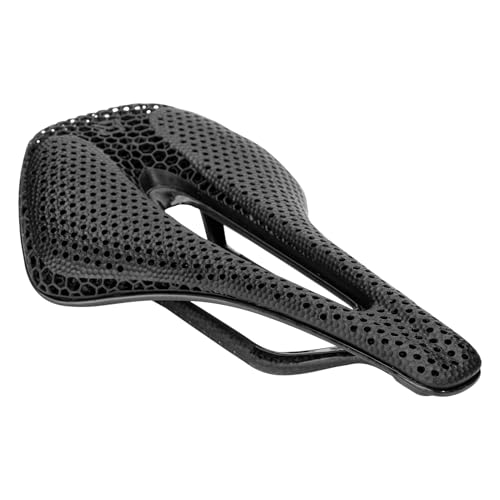
At just 0.3 pounds, this saddle is one of the lightest options you’ll find for a bike. That weight comes from a carbon fiber shell paired with a 3D printed honeycomb resin cover, which together deliver a ride that absorbs vibration without feeling mushy. The honeycomb structure adapts to your sit bones on the fly, so longer days in the saddle stay comfortable. This saddle is designed for road and mountain bikers of all levels who want modern tech and minimal weight, and it works well for those comfortable with a 145 mm platform.
You’ll also need to check your seatpost clamp, this saddle uses a 7×9 mm adapter that isn’t included, so factor that into your setup. It’s a specialized tool for the weight-conscious gravel rider.
Brooks England Cambium C19 Carved
What We Like
- Waterproof nylon cover for all-weather riding
- Flexible vulcanized rubber follows rider movements
- Maintenance-free and easy to care for
- Fiberglass back plate with saddle bag loops
Trade-offs
- At 450 g, heavier than many gravel-specific saddles
- Narrow 7.2-inch width limits comfort for riders with wide sit bones
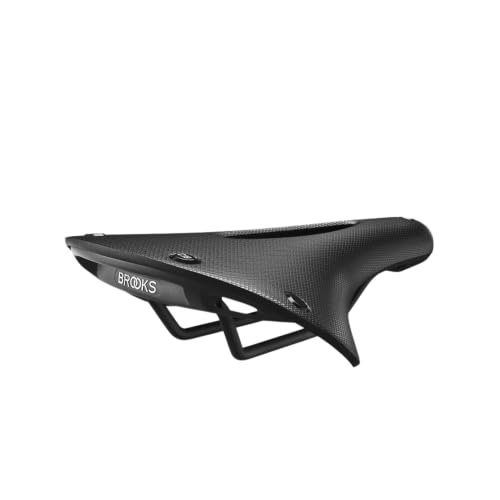
A waterproof nylon cover that shrugs off rain, mud, and grit means this saddle works flawlessly in conditions that would ruin a leather or foam seat. Brooks England builds the Cambium C19 Carved from vulcanized natural rubber and organic cotton canvas, so the top flexes with your pedal stroke rather than fighting it. That flexibility, paired with a fiberglass reinforced back plate that includes loops for a saddle bag, makes it a smart pick for gravel riders who commute in wet weather or tackle long, unpredictable backroad days. You get immediate comfort without any break-in period, and the maintenance-free design means you can hose it off and keep rolling.
The biggest trade-off is weight: at 450 grams, this saddle is about 2.5 times heavier than the SLR Boost Gravel TI316 Superflow from Selle Italia, so it’s not the best pick if you’re counting every gram for racing or climbing. Its 7.2-inch width suits riders with wider sit bones, providing a stable platform that supports all-day comfort without any maintenance. For all-weather durability and fuss-free riding, this saddle delivers exactly what it promises.
Product photos
Hobson Pro Hub X2 Saddle

What We Like
- Gel foam padding for long rides
- Magnesium alloy rails for durability
- Water-resistant cover for all-weather use
- Customizable fit with hand adjustment
Trade-offs
- At 1.5 lb, heavier than many gravel saddles
- Requires flathead screwdriver for final lock
A 15-inch-wide platform with thick gel foam padding means this saddle is built to keep you comfortable mile after mile on long gravel rides. The water-resistant cover shrugs off mud and rain so you don’t have to baby it. Riders who spend full days in the saddle and prioritize support over weight savings will find a lot to like here.
At 1.5 pounds, the Hobson Pro Hub X2 is noticeably heavier than a saddle like the Fizik Terra Argo X5 (0.6 lb). That weight difference matters if you’re counting grams for racing, but for long-distance comfort on rough gravel roads, the Hobson’s design prioritizes support over lightness.
Product photos
How We Evaluated Gravel Bike Saddles
Our evaluation is research-based, drawing on manufacturer specifications, expert round-ups from the cycling community, and patterns in owner feedback across multiple forums and retailers. We looked at each saddle’s construction materials, claimed weight, rail type, and published dimensions to understand how it fits different riding positions and body types.
We focused on four criteria that matter most for gravel riding. Pressure relief is critical because gravel riders spend long hours in a forward-leaning position that puts weight on soft tissue. Stability matters on rough terrain where a saddle that shifts under you can compromise control. Weight affects acceleration and climbing, though gravel saddles tend to be heavier than road saddles for added comfort. All-weather durability is essential for riders who encounter mud, rain, and dust.
The limit of a research-led evaluation is that we cannot report on long-term wear or personal fit. Saddle comfort is highly individual, and what works for one rider may not work for another. We recommend using our criteria as a starting point and, where possible, trying a saddle on your own bike before committing.
What To Look For In Gravel Bike Saddles
Gravel saddles must balance pressure relief, weight, and durability for mixed-surface riding. The key is matching saddle shape and padding to your riding position and sit bone width.
Look for a saddle with a pressure-relief channel or cutout if you ride in a forward-leaning position. Match saddle width to your sit bone measurement. Consider rail material for weight savings versus durability. Choose padding density based on how much vibration you want absorbed versus how much pedaling efficiency you need.
Pressure Relief Features
A cutout or channel along the center of the saddle reduces pressure on the perineum and soft tissue. This is especially important for gravel riders who spend hours in an aggressive position. The WTB Gravelier uses a long perineal relief cutout, while the Selle Italia Novus Boost Evo Gravel Superflow features a Superflow cutout. Noseless designs like the ISM PN 3.1 eliminate pressure entirely by removing the nose of the saddle.
Saddle Width and Shape
Saddle width should match your sit bone spacing, which is typically measured at a bike shop. Most gravel saddles range from about 140 mm to 155 mm wide. The ROCK BROS 3D Printed Saddle is 145 mm wide, while the Brooks England Cambium C19 Carved is narrower at 7.2 inches. A wider saddle supports a more upright position, while a narrower saddle suits aggressive riders who move around on the saddle frequently.
Rail Material and Weight
Saddle rails affect both weight and durability. Titanium rails, as seen on the Selle Italia SLR Boost Gravel TI316 Superflow, offer a good balance of strength and lightness. Chromoly steel rails, found on the ISM PN 3.1, are durable but heavier. Carbon fiber rails save the most weight but can be more expensive and require careful clamping. The Hobson Pro Hub X2 uses magnesium alloy rails for durability.
- Check your seatpost clamp type before buying; some saddles require specific adapters
- Measure your sit bone width at home or at a shop before choosing a saddle width
- Consider your typical ride length: more padding helps on six-hour days but can chafe on shorter rides
- Look for a waterproof cover if you ride in wet or muddy conditions regularly
A saddle that fits your sit bones and riding position will be comfortable from the first ride. A saddle that doesn’t fit rarely breaks in.
Gravel Bike Saddles Compared
The table below compares key specs and features for all nine gravel bike saddles in our guide.
| Product | Weight | Dimensions | Rail Material |
|---|---|---|---|
| WTB Gravelier Bike Saddle | 0.5 Pounds | L 12.0 inches, W 8.0 inches, H 2.0 inches | Titanium |
| Fizik Terra Argo X5 Gravel Saddle | 0.6 pounds | L 8.0 inches, W 14.0 inches, H 4.0 inches | Alloy rails |
| Selle Italia SLR Boost Gravel TI316 Superflow | 0.4 Pounds | L 13.0 Inches, W 7.0 Inches, H 2.1 inches | Ti316 |
| Brooks England Cambium C17 Carved | 1.0 pounds | L 11.1 inches, W 6.4 inches, H 2.5 inches | N/A |
| Selle Italia Novus Boost Evo Gravel Superflow | 0.5 lb | L 9.6 Inches, W 5.7 Inches, H 2.0 Inches | Manganese |
| ISM PN 3.1 Tri Saddle | 0.8 Pounds | L 10.0 Inches, W 4.7 Inches, H 2.9 Inches | Chromoly |
| ROCK BROS 3D Printed Saddle | 0.3 pounds | L 5.7 inches, W 1.6 inches, H 9.8 inches | Carbon fiber |
| Brooks England Cambium C19 Carved | 1.0 pounds | L 10.8 inches, W 7.2 inches, H 3.0 inches | N/A |
| Hobson Pro Hub X2 Saddle | 1.5 pounds | L 15.0 inches, W 15.0 inches, H 8.0 inches | N/A |
Frequently Asked Questions
What width gravel saddle do I need?
Saddle width depends on your sit bone spacing. Most riders need a saddle between about 140 mm and 155 mm wide. A bike shop can measure your sit bones, or you can do it at home with a piece of cardboard and a ruler.
How much should a gravel saddle weigh?
Gravel saddle weight varies widely. Lightweight options like the Selle Italia SLR Boost Gravel TI316 Superflow weigh around 204 grams, while heavier all-weather saddles like the Brooks England Cambium C17 Carved weigh 450 grams. Weight matters for climbing but comfort and durability often matter more on long gravel rides.
What is a pressure relief cutout?
A pressure relief cutout is a channel or hole through the center of the saddle that reduces pressure on the perineum and soft tissue. It helps prevent numbness and discomfort during long rides in a forward-leaning position.
Are noseless saddles good for gravel riding?
Noseless saddles like the ISM PN 3.1 eliminate pressure on soft tissue entirely, which can help riders who experience numbness. They have a shorter platform that limits fore-aft adjustment, so they work best for riders who stay in a consistent position.
How do I maintain a gravel saddle?
Maintenance depends on the saddle material. Leather saddles require conditioning and protection from rain. Nylon and rubber saddles like the Brooks Cambium series are waterproof and maintenance-free. Always check your saddle rail clamp for proper torque to avoid damage.
The Bottom Line
The WTB Gravelier Bike Saddle is our best overall pick for gravel riders who spend long hours in a forward-leaning position. Its long perineal relief cutout and wide midpoint provide pressure relief and easy movement, making it a strong choice for mixed-surface riding.
If you need a stable saddle for rough descents, the Fizik Terra Argo X5 offers a planted feel and dropped-nose design that aids traction. For riders who prioritize low weight, the Selle Italia SLR Boost Gravel TI316 Superflow delivers a performance-oriented fit at just 204 grams. Budget-conscious riders or those who ride in wet conditions should consider the Brooks England Cambium C17 Carved for its waterproof nylon cover and maintenance-free construction.
The single most important factor in choosing a gravel saddle is matching its shape and width to your riding position and sit bone measurement. A saddle that fits well will be comfortable from the start; one that doesn’t will never break in.
