
9 Best Lt Winter Tires in 2026
This post contains affiliate links. As an Amazon Associate, we earn from qualifying purchases.
For light trucks and SUVs facing snow and ice, the Cooper Discoverer Snow Claw Winter Tire is the best overall pick. It combines certified Three-Peak Mountain Snowflake traction with the flexibility to add studs when conditions demand more bite. If you need maximum ice grip right out of the box, the Hankook Winter i*Pike RW11 Studded Tire is a strong choice, while the Nokian Hakkapeliitta LT3 Studded Tire offers cut-resistant protection for rough winter roads.
Driving a heavy pickup or SUV in winter isn’t the same as piloting a passenger car. The extra weight, the need for load capacity, and the higher center of gravity all demand a tire built specifically for light-truck service. Choosing the wrong winter tire can leave you sliding through intersections or struggling to stop on packed snow.
This guide is based on a careful review of manufacturer specifications, engineering data, and patterns in owner feedback. We focused on the criteria that matter most for LT winter tires: snow and ice traction, load capacity, stud compatibility, and durability in bitter cold. Our goal is to help you find the tire that fits your truck, your driving habits, and your winter climate.
Top 9 LT Winter Tires in the Market
Certain content that appears on this site comes from Amazon. This content is provided "as is" and is subject to change or removal at any time.
The Best LT Winter Tires, Reviewed
Cooper Discoverer Snow Claw Winter Tire

What We Like
- Three-Peak Mountain Snowflake certified
- Snow Groove Technology for added traction
- Flexible tread compound in bitter cold
- Pinned for optional studs
Trade-offs
- At 28.0 lb, lighter than some heavy-duty winter tires
- No studs included, unlike some competitors.
The Three-Peak Mountain Snowflake certification means this tire has passed severe snow traction tests, so you can trust it in real winter conditions. Cooper’s Snow Groove Technology uses tiny channels that trap snow against the tread, using that snow itself to improve grip on icy or packed roads. For light truck owners who face regular snow and ice but still need a tire that handles highway speeds, this is a strong match. The E 10 ply rating gives it the load capacity for heavy pickups and SUVs, while staying flexible when temperatures drop.
At 28.0 pounds, this tire is significantly lighter than the General Grabber Arctic LT (41.0 lb) or the Nokian Hakkapeliitta LT3 (47.4 lb). That weight difference can make mounting easier and may reduce rolling resistance, though in deep, unplowed snow a heavier tire with more aggressive studs might provide better bite. For drivers who stick to plowed roads and want a balance of winter traction and everyday drivability, the Cooper fits that need. If you regularly tackle backcountry snow or heavy hauling in unplowed areas, the Nokian’s extra mass and studdable design could be a better fit.
Hankook Winter i*Pike RW11 Studded Tire

What We Like
- 6-pin stud arrangement for ice grip
- Designed for light trucks and SUVs
- Can be pinned with TSMI #15 studs for ice traction
Trade-offs
- Studded design increases road noise
- Should not be used above 45 degrees Fahrenheit
This tire suits anyone who needs to keep moving when the road turns to a skating rink, especially if you’re hauling gear or towing in remote winter conditions.
Compared to the Firestone Winterforce LT, which weighs 37.2 pounds, the Hankook offers a studded design that can be pinned for extra ice traction, while the Firestone’s specs do not indicate a studded option. The Hankook’s weight of 37.9 pounds is similar to the Firestone’s, so weight is not a distinguishing factor. If your winter driving involves snow and ice and you are willing to manage the seasonal tire change, the RW11 provides the traction you need.
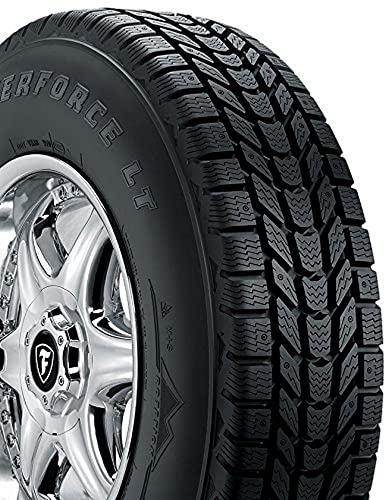
Firestone Winterforce LT Winter Tire
What We Like
- High-sipe density for snow and ice grip
- Directional tread for quiet ride
Trade-offs
- Heavier than some competitors at 37.2 lbs
- Studs not included, must be installed separately
For drivers who face icy mountain passes or long, frozen gravel roads and want the option to install studs themselves, this is a practical, capable choice that balances traction and comfort.
At 37.2 pounds, this tire is heavier than the 28.0-pound Cooper Discoverer Snow Claw, which may slightly affect handling and fuel economy. However, the ability to pin studs gives it an edge for extra grip on ice that a non-studded tire cannot match.
Nokian Hakkapeliitta LT3 Studded Tire

What We Like
- Aramid fiber sidewall resists cuts
- Arctic Grip compound guards against tears
- Aggressive tread reduces slushplaning
- Designed for winter conditions only
Trade-offs
- Do not use above 45°F consistently
- At 47.4 lb, heavier than some light-truck tires
Strong, synthetic Aramid fibers reinforce the sidewall to make it more resistant to impacts and cuts, so the tire can take a hit from a hidden pothole or a sharp piece of ice without failing. The Arctic Grip rubber compound guards against cuts and tears while also improving load carrying capacity, meaning this tire is built for heavy trucks and vans that need to keep moving in winter conditions. For anyone driving a light truck or SUV in cold weather, this tire is designed to handle the abuse that comes with the season.
The trade-off is that this tire is purpose-built for deep winter. It should not be used when temperatures regularly climb above 45°F, which limits its seasonal window compared to a studdable all-terrain like the General Grabber Arctic LT. At 47.4 pounds, it is also noticeably heavier than the Cooper Discoverer Snow Claw (28.0 lb), which can affect fuel economy and make mounting more of a workout. But if your priority is a tire that resists cuts and is designed for winter use, the Nokian delivers that protection.
General Grabber Arctic LT Winter Tire

What We Like
- Precise steering response on dry roads
- Excellent grip in lower temperatures
- Reliable braking on wet, snowy, icy surfaces
- Durable construction for winter driving
Trade-offs
- At 41.0 lb, heavier than Cooper Discoverer Snow Claw's 28.0 lb
- Not studdable, limiting extreme ice traction
A 45-day trial gives you real confidence to test this tire before fully committing, which is rare for a light truck winter tire. This model from General is engineered for excellent grip in lower temperatures and offers reliable braking performance on wet, snowy, and ice-covered surfaces. That combination, paired with precise steering response and excellent handling on dry roads, makes it a strong fit for drivers who face mixed winter conditions, slushy highways one day, clear pavement the next, and want a tire that stays composed in both.
Weighing 41.0 pounds, this tire is noticeably heavier than a lighter winter option (28.0 lb), which means more unsprung mass and potentially a slightly firmer ride. But that extra heft comes from a durable 10-ply E load construction built to withstand the rigors of winter driving. If you prioritize dry-road handling and braking confidence over saving a few pounds, the Grabber Arctic LT delivers where it counts.
Product photos
General Grabber Arctic LT Studdable Tire
What We Like
- Studdable for maximum ice grip
- 10-ply construction handles heavy loads
- Reliable braking on wet, snow, ice
- Precise steering on dry roads
Trade-offs
- At 59 lb, it is heavy to mount
- Not suited for compact cars or light SUVs
A 10-ply load range E rating means this tire is built to carry serious weight without squirming under heavy truck or SUV loads. The studdable design lets you add metal studs for maximum bite on glare ice, while the tread compound stays flexible in low temperatures for grip on snow and wet pavement. Drivers who regularly haul or tow through northern winters will appreciate the durable construction and confident braking on slick surfaces.
This tire weighs 59 pounds and stands 34.1 inches tall, so it needs a heavy-duty truck or SUV with enough clearance and a strong back to mount. Compared to the lighter Nokian Hakkapeliitta LT3, the General model carries a higher load capacity and can be studded. The extra heft means it’s best for drivers who prioritize payload over easy handling.
Product photos
Bridgestone Blizzak LT Winter Tire

What We Like
- Lasts up to an extra winter season
- Engineered for heavy-duty winter performance
- Handles wet, snow, and icy conditions
Trade-offs
- Weighs 52.3 lb, which can affect fuel economy
- 52.3 lb weight can reduce fuel economy on daily drives
The Blizzak LT is designed to last up to an extra winter season, which matters for anyone running a work truck or hauling gear through snowy months. It is engineered for heavy-duty winter performance and handles wet, snow, and icy roads while carrying the loads a light truck demands. If you put serious miles on your pickup or van in winter conditions, this tire is made to go the distance without losing its bite.
Weight and size are the main considerations here. At 52.3 pounds and a 34.1-inch diameter, this is a large, heavy tire. That extra mass can affect fuel economy and makes mounting and rotating more of a chore. For a daily driver that doesn’t carry heavy loads, that extra heft may not be worth it.
Product photos
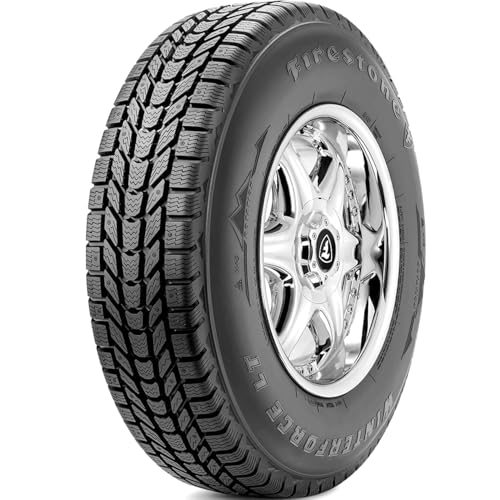
Bridgestone 246403 Lt Winter Tire
What We Like
- High-sipe density for snow, wet, ice traction
- Directional tread for quiet, comfortable ride
- Stud-compatible for extra winter grip
- 10-ply construction for heavy-duty use
Trade-offs
- At 53.8 pounds, it adds noticeable weight to your truck
- Directional tread limits tire rotation options
A 10-ply E load range means this tire can handle the weight and demands of a light truck for hauling gear or towing through snow. The directional tread with high-sipe density is designed to bite into snow, slush, and ice, giving you confident traction when conditions get nasty. It also comes pinned for #15 studs, so you can add extra grip if your winter roads turn into sheets of ice. This tire suits drivers who need a rugged, capable winter tire for their light truck and want the option to stud it for maximum control.
At 53.8 pounds, this is a heavy tire compared to a lighter option (28 pounds). The directional tread also means you can’t rotate tires side-to-side, so you’ll need to pay closer attention to even wear. If your priority is winter traction and you don’t mind the extra weight, this tire’s features, high-sipe density, directional tread, and stud compatibility, are designed for that purpose. For those who want a lighter tire, a different model might be a better fit.
Product photos
Rovelo Arctic Vision LT Studdable Tire

What We Like
- Studdable for extra winter traction
- 10-ply E rating for heavy-duty use
- Highway tread designed for paved roads
Trade-offs
- At 55 lb, it adds weight to your truck
- Highway tread less capable in deep snow
- No studs included; installation is extra
The studdable design lets you add metal studs for icy highways, and the 10-ply E rating gives the sidewall the stiffness to resist cuts and impacts on rough winter roads. This tire suits owners who spend most of their time on plowed highways and want a reliable winter tire that won’t break under heavy loads.
At 55 pounds, the Arctic Vision LT is heavier than a lighter winter tire (28 pounds), which means more unsprung mass and slightly firmer ride quality. The highway tread pattern is optimized for pavement, so if your winter driving takes you onto unplowed backroads or deep snow, a more aggressive tread might serve you better. For drivers who prioritize carrying capacity and studdable ice grip on paved highways, this Rovelo delivers exactly what the specs promise.
Product photos
How We Evaluated LT Winter Tires
Our evaluation started with the manufacturer specs that define an LT tire’s winter capability: tread compound temperature range, sipe density, and Three-Peak Mountain Snowflake certification. We compared how each tire’s construction, ply rating, sidewall reinforcement, and weight, affects load handling and ride quality on a heavy vehicle. Owner feedback patterns across multiple forums and retailer sites helped us understand real-world tread life, noise levels, and performance in the conditions that matter most.
The three criteria that carried the most weight were snow and ice traction (including stud compatibility), durability under load (ply rating and sidewall protection), and dry-road handling at low temperatures. These factors separate a true winter performer from a tire that merely looks aggressive.
This is a research-led guide, not a controlled track test. We rely on engineering data and the collective experience of thousands of owners to make our recommendations. The best tire for you depends on your specific truck, your local winter weather, and whether you need studs for ice-covered roads.
What To Look For In LT Winter Tires
Choosing an LT winter tire means balancing traction, load capacity, and durability. Here are the key factors to consider before you buy.
Look for the Three-Peak Mountain Snowflake symbol for certified severe snow traction. Check the load range (E, D, or C) to match your truck’s weight. Decide if you need studs for ice grip. Consider weight: lighter tires improve fuel economy and ride comfort.
Three-Peak Mountain Snowflake Certification
This symbol means the tire meets the Rubber Manufacturers Association’s severe snow service requirements. It’s the gold standard for LT winter tires. Tires without it may still be labeled “M+S” (mud and snow), but that rating only indicates tread design, not actual winter performance. For a heavy truck or SUV, always prioritize a Three-Peak Mountain Snowflake tire.
Load Range and Ply Rating
LT tires come in load ranges C (6-ply), D (8-ply), and E (10-ply). A higher ply rating means a stiffer sidewall that can carry more weight and resist punctures. For a heavy-duty pickup or a truck that tows, load range E is typical. For a light SUV or half-ton truck, load range C or D may ride more comfortably while still providing adequate capacity.
Stud Compatibility
Studs provide a mechanical bite on ice that no rubber compound can match. Some tires come pre-studded, others are “studdable” (pinned for studs but sold without them), and some are not designed for studs at all. If you drive on icy roads regularly, a studdable or pre-studded tire is worth the extra investment. Be aware that studs increase road noise and are restricted in some states and provinces.
Tread Design and Sipe Density
Sipes are the tiny slits in the tread blocks that create biting edges on snow and ice. A high-sipe-density tire grips better on packed snow and hardpack. Directional tread patterns (with a V-shape) excel at channeling slush and water out from under the tire, reducing hydroplaning risk. Symmetric or asymmetric designs often wear more evenly and can be rotated more easily.
- Check the tire’s weight before buying, a heavy tire like the 59-lb General Grabber Arctic LT Studdable will affect acceleration, braking, and fuel economy.
- Verify that the tire’s speed rating (Q, R, S, T) matches your vehicle’s requirements and your typical driving speeds.
- Look for a treadwear warranty if you plan to keep the tire for multiple seasons, some LT winter tires are built to last longer than others.
- Measure your wheel well clearance for stud clearance, especially if you’re moving to a larger tire size.
A good rule of thumb: if you see ice on the road more than a few times per winter, choose a studdable tire. If you drive mostly on plowed roads, a studless Three-Peak Mountain Snowflake tire will serve you well.
LT Winter Tires Compared
The table below compares the key specs and features of our top nine LT winter tires, making it easy to see which one fits your truck and your winter driving needs.
| Product | Size | Weight | Studdable |
|---|---|---|---|
| Cooper Discoverer Snow Claw Winter Tire | LT245/75R16 | 28.0 Pounds | Pinned for studs |
| Hankook Winter i*Pike RW11 Studded Tire | LT235/75R15 | 37.9 lbs | Studded |
| Firestone Winterforce LT Winter Tire | 225/75R16 | 37.2 lbs | Pinned for #15 Studs |
| Nokian Hakkapeliitta LT3 Studded Tire | LT265/70 R 17 | 47.4 lb | Studded |
| General Grabber Arctic LT Winter Tire | LT245/75R16 | 41.0 pounds | N/A |
| General Grabber Arctic LT Studdable Tire | LT275/65R20 | 59.0 lb | Yes |
| Bridgestone Blizzak LT Winter Tire | LT275/65R20 | 52.3 lb | N/A |
| Bridgestone 246403 Lt Winter Tire | LT275/70R18 | 53.8 Pounds | Pinned for #15 Studs |
| Rovelo Arctic Vision LT Studdable Tire | LT275/70R18 | 55.0 Pounds | Studdable |
Frequently Asked Questions
What does LT mean on a winter tire?
LT stands for Light Truck. It indicates the tire is built with stronger sidewalls and a higher load-carrying capacity than a passenger car tire. LT winter tires are designed for the extra weight of pickup trucks, SUVs, and vans, and they often feature more aggressive tread compounds for severe snow conditions.
Can I use LT winter tires year-round?
No. LT winter tires use a softer rubber compound that stays pliable in cold temperatures but wears quickly on warm pavement. Using them above 45°F consistently will significantly shorten their tread life and reduce handling precision. You should switch to all-season or summer tires when temperatures stay above freezing.
Do I need studs on my LT winter tires?
Studs provide the best grip on ice, but they are not necessary for everyone. If you drive on icy roads frequently, studs are a major safety advantage. If most of your winter driving is on plowed roads or packed snow, a high-quality studless winter tire with good sipe density will perform well. Check local laws, as studs are restricted in some areas.
How do I know what load range my LT winter tire needs?
Check your vehicle’s door jamb sticker for the original tire size and load index. For light-duty trucks, load range C or D is often sufficient. For heavy-duty trucks that tow or haul, load range E (10-ply) is the standard. Using a tire with a lower load range than required is unsafe.
What is the difference between a studdable and a pre-studded tire?
A pre-studded tire comes from the factory with studs already installed in the tread. A studdable tire has holes molded into the tread for studs, but you must purchase the studs separately and have them installed by a tire shop. Pre-studded tires are ready to use immediately, while studdable tires give you the option to add studs later.
The Bottom Line
For most light-truck and SUV drivers, the Cooper Discoverer Snow Claw Winter Tire is the best overall choice. It delivers certified snow traction, a flexible tread compound that stays grippy in bitter cold, and the option to add studs when you need them. All that comes in a lighter package that won’t punish your truck’s handling and fuel economy. It’s the smart, balanced pick for drivers who face real winter but don’t live on unplowed back roads.
If your winter driving is dominated by glare ice, the Hankook Winter i*Pike RW11 Studded Tire gives you maximum ice grip right out of the box. For those who work their trucks hard on rough, debris-strewn winter roads, the Nokian Hakkapeliitta LT3 Studded Tire‘s aramid-reinforced sidewall offers unmatched cut resistance. And if you’re on a tighter budget, the Firestone Winterforce LT Winter Tire provides a solid studdable option with high sipe density for snow and ice grip.
The single most important factor in choosing an LT winter tire is matching its load capacity and stud compatibility to the conditions you actually drive in. Buy for the worst road you face, not the best, and you’ll be ready for whatever winter throws at you.
