
9 Best Motorcycle Helmets For Safety And Style in 2026
This post contains affiliate links. As an Amazon Associate, we earn from qualifying purchases.
For riders who refuse to compromise between protection and appearance, the ScorpionEXO T520 Full Face Touring Helmet earns our best overall spot. Its AirFit inflation system allows a custom cheek fit, and the Everclear no-fog shield keeps vision clear. The Shoei X-Fifteen delivers race-ready safety, while the BELL Qualifier offers a solid budget option.
The challenge is finding a helmet that meets rigorous safety standards without looking like a piece of industrial equipment. You need a design that feels right on the bike and looks good when you stop for coffee, all while fitting your head shape and budget.
We built this guide by analyzing manufacturer specifications, safety certifications, expert round-ups, and patterns in owner feedback across nine top models. Our goal is to help you find a helmet that protects well and looks good doing it.
Top 9 Motorcycle Helmets For Safety And Style in the Market
Certain content that appears on this site comes from Amazon. This content is provided "as is" and is subject to change or removal at any time.
The Best Motorcycle Helmets For Safety And Style, Reviewed
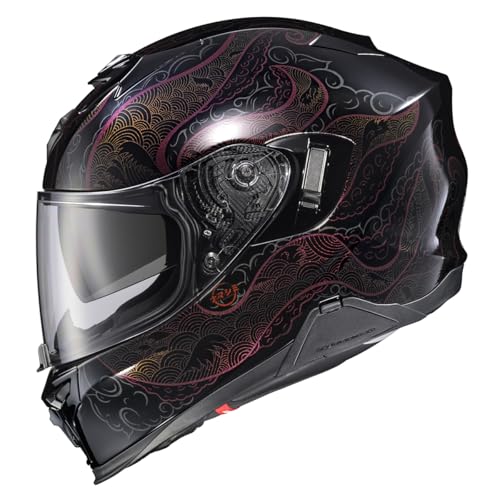
ScorpionEXO T520 Full Face Touring Helmet
What We Like
- AirFit inflation system customizes cheek pad fit
- Everclear no-fog shield and drop-down sun visor
- KwikFit cheekpads accommodate eyeglasses easily
- Dual-density EPS for superior energy displacement
Trade-offs
- At 4.8 lbs, heavier than many touring helmets
- Bluetooth communicator kit sold separately
The ScorpionEXO T520’s AirFit inflation system lets you pump up the cheek pads for a custom, rattle-free fit that also cuts wind noise, a real advantage on long days in the saddle. Touring riders will appreciate the Everclear no-fog shield and the retractable SpeedView sun visor, which means no fumbling with sunglasses or pinlock inserts when the light shifts. The dual-density EPS and polycarbonate shell earn DOT and ECE approval, so you get certified protection without the premium price tag of a race-bred lid.
The trade-off is weight: at 4.8 pounds, this helmet is heavier than the Shoei RF-1400 (3.6 lbs). If minimizing weight is your top priority, the Shoei offers a lighter option. But for touring-focused riders who value the inflation system, integrated sun visor, and Bluetooth readiness, the T520 delivers a strong feature set.
Shoei X-Fifteen Full Face Motorcycle Helmet

What We Like
- Snell and ECE R22/06 certified
- Emergency Quick Release System for rapid removal
- CWR-F2R racing shield with double lock
Trade-offs
- At 3.8 lb, heavier than some street-focused helmets
- No integrated sun shield or Bluetooth pockets
The X-Fifteen carries FVMSS 218, DOT, Snell, and ECE R22/06 certifications, so it meets the same safety standards used in professional racing. That alone tells you it’s built for riders who push speeds and want every possible layer of protection. The CWR-F2R racing shield with a double lock stays secure at high velocity, and the Emergency Quick Release System lets emergency responders remove the helmet safely in a crash. It’s a focused choice for riders who want maximum track-level safety in a proven aerodynamic shell.
This focus on race readiness comes with a few practical compromises. At 3.8 pounds it’s heavier than some lighter helmets, and the interior is designed for a performance riding position rather than upright touring. If your riding is mostly commuting or long highway miles, a lighter or more feature-packed helmet might serve you better. But if maximum track-level safety in a proven aerodynamic shell is what you need, the X-Fifteen delivers exactly that.
LS2 Stream II Full Face Motorcycle Helmet

What We Like
- Aerodynamic Kinetic Polymer Alloy shell
- Dynamic flow-through ventilation system
- DOT and ECE 22.06 certified
Trade-offs
- Ships with clear shield only; tinted optional
- At 5.0 lb, heavier than several competitors
At 5.0 pounds, this helmet is heavier than some comparable models. Riders moving from a lighter lid may notice the difference in heft. But if you want a shell that meets the latest ECE 22.06 standard and includes a sun shield feature, the Stream II covers those priorities.
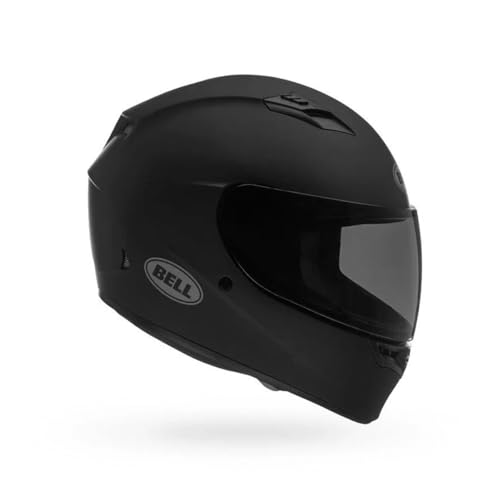
BELL Qualifier Full-Face Motorcycle Helmet
What We Like
- Anti-fog, anti-scratch NutraFog II shield
- Velocity Flow ventilation for airflow
- Bluetooth speaker pockets for comms
- Removable, washable, quick-drying liner
Trade-offs
- At 4.8 lb, heavier than some alternatives
- No ECE certification listed for international use
A DOT-certified full-face helmet with an anti-fog, anti-scratch shield means you can ride in changing weather without constantly wiping your visor. The Velocity Flow ventilation pulls air through the shell, while the removable liner fights sweat and odor, making this a practical choice for daily commutes and weekend rides. It also includes integrated speaker pockets, so adding a Bluetooth headset is straightforward. For riders who want solid safety features and modern convenience without stretching their budget, this helmet delivers where it counts.
Weight is the main compromise here. At 4.8 pounds, the Qualifier is heavier than some competitors, which can add fatigue on all-day trips. The padded wind collar, while good for cutting noise, may feel warm in hotter weather. For budget-conscious riders focused on core safety, anti-fog visibility, and comms readiness, this Bell is a smart pick.
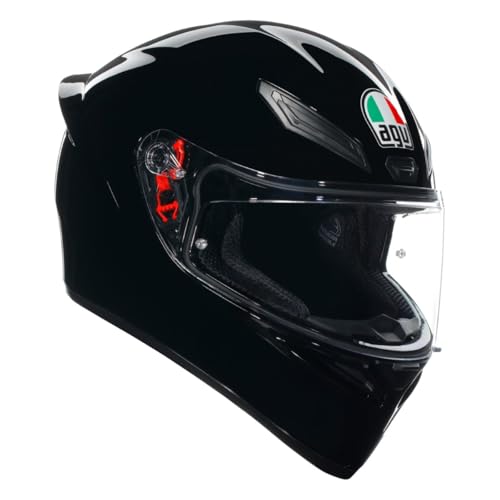
AGV K1 S Street Full Face Motorcycle Helmet
What We Like
- Large front and crown vents with rear extractors
- Pinlock MaxVision-prepared GT4 visor for wide field of view
- Double-D ring chinstrap for race-proven secure fit
- Removable, washable liner for easy cleaning
Trade-offs
- Thermoplastic shell is heavier than premium fiber composites
- Single clear visor included, no integrated sun shield
A high-resistance thermoplastic shell in two sizes means this helmet balances protection with a tailored fit that’s not one-size-fits-all. The large front and crown vents paired with rear extractors push a steady stream of fresh air through the interior. That makes it a strong pick for riders who prioritize staying cool on long or warm rides. The Pinlock MaxVision-prepared visor gives you a wide, clear view of the road ahead, and the double-D ring closure locks you in with the same security found on race tracks. It suits anyone who wants reliable ventilation and solid safety without stepping into premium price territory.
The thermoplastic shell of the AGV K1 S is heavier than some fiber composite helmets, so you’ll notice the extra weight on long rides or if you’re used to a lighter lid. The clear visor is Pinlock MaxVision-ready, which helps prevent fogging in damp conditions. For riders who prioritize airflow and a secure Double-D ring closure, this helmet delivers consistent ventilation through front and crown vents with rear extractors.
Product photos
HJC C10 Solid Full Face Motorcycle Helmet

What We Like
- Lightweight 3.5-pound polycarbonate shell
- DOT FMVSS 218 safety certified
- Removable, washable moisture-wicking liner
- ACS ventilation with 3 intake vents
Trade-offs
- Dark Smoke Shield sold separately
- No MIPS or ECE rating mentioned
Weighing 3.5 pounds, this helmet uses a lightweight polycarbonate shell that helps reduce neck strain on longer rides. DOT FMVSS 218 certification provides the required safety baseline, while the moisture-wicking, removable liner and ACS ventilation system with three intake and two exhaust vents work to keep you cool and comfortable. It’s built for riders who want a simple, functional helmet that delivers practical protection without extra frills.
What you won’t find here are a MIPS liner or an ECE rating, and the dark smoke shield many riders prefer for sunny days is sold separately. The AGV K6 S is lighter at 2.8 pounds, but the HJC C10 remains a capable option if you value a straightforward build over the latest safety extras. It suits daily use where lightness and simplicity matter most.
Product photos
BELL Lithium MIPS Helmet

What We Like
- ECE22.06 and DOT certified
- Class 2 optics drop-down sun shield
- Three shell sizes for better fit
Trade-offs
- Weighs 5.0 pounds, heavier than the Shoei RF-1400
- Polycarbonate shell not as impact-absorbent as fiberglass alternatives
Bell pairs it with both DOT and the newer ECE22.06 standard, so you’re covered on multiple fronts. The three shell sizes mean the helmet can fit a wider range of head shapes without relying solely on padding. The drop-down sun shield with Class 2 optics keeps glare in check without swapping visors. This is a helmet built around impact management first, and it shows.
Weight is the main compromise here. At 5.0 pounds, it’s heavier than some lighter helmets, so on a long day in the saddle you’ll feel the difference. The polycarbonate shell doesn’t shed pounds like some lighter helmets. If your priority is getting Mips protection and modern certification in a well-thought-out package, the Lithium delivers where it counts.
Product photos
AGV K6 S Full Face Motorcycle Helmet

What We Like
- Ultra-light 2.8 lb carbon-aramid shell
- 190° panoramic visor for wide visibility
- MotoGP-inspired aerodynamics reduce drag
- Adjustable ventilation even with gloves
Trade-offs
- Solid colors only; no graphic options in this listing
- No integrated sun shield or Bluetooth pockets
At just 2.8 pounds, the AGV K6 S is among the lightest full-face helmets you can buy, and that weight savings comes from a carbon-aramid composite shell that doesn’t skimp on impact protection. For riders who log long miles or prefer a nimble feel on the bike, shedding nearly a pound compared to many competitors makes a real difference in neck fatigue and overall comfort. The 190-degree panoramic visor gives you a wide view of the road ahead and your surroundings, which is especially welcome when you’re scanning for traffic or enjoying a twisty back road. And the MotoGP-derived aerodynamics, shaped in a wind tunnel, help keep the helmet stable at highway speeds without fighting the wind.
At just 2.8 pounds, the AGV K6 S is one of the lightest full-face road helmets in its class, which means less neck fatigue on long rides and easier handling when you’re walking to the bike. The carbon-aramid fiber composite shell keeps weight down without sacrificing impact protection, so you get a helmet that feels barely there on your head. Compared to a touring-oriented lid like the ScorpionEXO T520, the K6 S is significantly lighter, making it a strong pick for riders who value low weight and a wide field of view.
Product photos
Arai Corsair-X Tsubasa Helmet

What We Like
- Stronger shell from blended Z- and super fibers
- Glance-off design reduces crash impact forces
- Smoother temple area for better protection
Trade-offs
- At 5.6 lb, heavier than many full-face helmets
- No integrated sun shield or Bluetooth pockets listed
The Corsair-X uses an in-house blend of Z- and other super fibers with synthetic materials to create a shell that’s stronger and lighter than a shell made without those materials. That means the helmet is built to resist penetration and manage impact energy while keeping weight down. A smaller, lower VAS pivot cover and a smoother shell at the temple area help the helmet glance off objects in a crash, reducing the impact forces that reach your neck. DOT and FMVSS 218 certifications confirm it’s legal for on-road motorcycle use in the United States.
At 5.6 pounds, the Corsair-X is heavier than some other full-face helmets. That extra weight is a trade-off for the stronger shell construction. No integrated sun shield or Bluetooth speaker pockets are listed in the features, so this is a safety-focused design. If your main concern is shell strength and glance-off protection, this helmet delivers on those priorities.
How We Evaluated Motorcycle Helmets For Safety And Style
Our research began with the safety certifications that matter most: DOT, ECE, and Snell. We compared each helmet’s shell material, polycarbonate, fiberglass, carbon-aramid, or proprietary blends, because the shell’s composition directly affects weight, impact absorption, and durability.
We then examined real-world features that determine daily satisfaction: ventilation systems, visor clarity and fog resistance, integrated sun shields, weight, and compatibility with eyeglasses and Bluetooth communicators. Owner feedback patterns helped us identify which helmets hold up over time and which features riders actually use.
A research-led evaluation has limits. We did not crash-test these helmets or wear them for months. Instead, we relied on certified safety data, manufacturer specs, and the collective experience of thousands of owners to separate marketing claims from real-world performance.
What To Look For In Motorcycle Helmets For Safety And Style
Choosing the right helmet means balancing protection, weight, features, and fit. Here are the key criteria to consider before you buy.
Look for a helmet that meets DOT and ECE 22.06 certification at minimum. Prioritize a snug, comfortable fit with no pressure points, and choose a shell material that matches your weight and budget preferences.
Safety Certifications
The most important factor is certification. DOT FMVSS 218 is the minimum legal standard in the US, but ECE 22.06 and Snell provide more rigorous testing. ECE 22.06 includes rotational-impact testing, which addresses the kind of forces that can cause brain injury. Snell certification adds impact energy management at higher speeds.
Shell Material and Weight
Shell material directly affects weight, impact performance, and price. Polycarbonate shells are affordable and reasonably light, with the HJC C10 weighing just 3.5 pounds. Fiberglass composite shells offer better impact absorption at a moderate weight. Carbon-aramid shells, like the AGV K6 S‘s 2.8-pound shell, provide the best strength-to-weight ratio. Heavier helmets, like the Arai Corsair-X at 5.6 pounds, can cause neck fatigue on long rides.
Ventilation and Visor Systems
Effective ventilation prevents fogging and keeps you cool. Look for multiple intake vents (chin, forehead, crown) with rear exhaust extractors. Pinlock-prepared visors and anti-fog coatings are essential for all-weather riding. An integrated drop-down sun shield is a convenience feature that eliminates the need to swap visors mid-ride.
- Check that the helmet fits your head shape (round, intermediate oval, long oval)
- Verify the visor offers a wide field of view, ideally 190 degrees or more
- Ensure the liner is removable and washable for hygiene
- Confirm Bluetooth speaker pockets if you plan to use a communicator
- Look for emergency release cheek pads for safer removal after a crash
A helmet that fits poorly is not safe, no matter how many certifications it carries.
Motorcycle Helmets For Safety And Style Compared
The table below compares key specs and features across our top picks, making it easier to see which helmet fits your priorities.
| Product | Weight | Shell Material | Safety Certifications |
|---|---|---|---|
| ScorpionEXO T520 Full Face Touring Helmet | 4.8 lbs | Advanced Polycarbonate | DOT / ECE Approved |
| Shoei X-Fifteen Full Face Motorcycle Helmet | 3.8 Pounds | N/A | FVMSS 218, DOT, Snell, ECE R22/06 |
| LS2 Stream II Full Face Motorcycle Helmet | 5.0 Pounds | Kinetic Polymer Alloy | ECE 22.06, DOT FMVSS 218 |
| BELL Qualifier Full-Face Motorcycle Helmet | 4.8 Pounds | N/A | DOT (FMVSS 218) |
| AGV K1 S Street Full Face Motorcycle Helmet | 3.5 Pounds | High-resistance thermoplastic | DOT Federal Motor Vehicle Safety Standard 218 (FMVSS 218) |
| HJC C10 Solid Full Face Motorcycle Helmet | 3.5 Pounds | Lightweight Polycarbonate | DOT FMVSS 218 |
| BELL Lithium MIPS Helmet | 5.0 pounds | Polycarbonate | DOT, ECE22.06 |
| AGV K6 S Full Face Motorcycle Helmet | 2.8 Pounds | Carbon-Aramid Fiber Composite | N/A |
| Arai Corsair-X Tsubasa Helmet | 5.6 Pounds | Z- blend with super fibers and synthetics | DOT approved, FMVSS 218 certified |
Frequently Asked Questions
What is the safest type of motorcycle helmet?
Full-face helmets provide the most protection because they cover your entire head and face. They offer superior impact protection in a crash compared to open-face, modular, or half helmets. Look for models with DOT, ECE 22.06, or Snell certification for the highest level of safety.
How should a motorcycle helmet fit?
A properly fitting helmet should be snug all around your head without creating painful pressure points. It should not move freely when you shake your head, and your cheeks should be pressed against the pads. The helmet should sit level on your head, with the top of the eye port just above your eyebrows.
What does MIPS do in a motorcycle helmet?
MIPS stands for Multi-directional Impact Protection System. It is a low-friction layer inside the helmet that allows the outer shell to rotate slightly relative to the liner during a crash. This rotation helps redirect rotational forces away from the brain, reducing the risk of concussion and brain injury.
Are expensive motorcycle helmets worth the money?
Higher-priced helmets often use more advanced shell materials like carbon-aramid or fiberglass, which reduce weight while improving impact absorption. They also typically include better ventilation, premium visor systems with anti-fog coatings, and more refined aerodynamic designs. The safety certification levels are often higher, too.
How often should you replace a motorcycle helmet?
Most manufacturers recommend replacing a helmet every five years, even if it has not been in a crash. UV exposure, heat, and sweat degrade the EPS foam liner and shell materials over time. You should also replace a helmet immediately after any impact, even if it looks undamaged.
The Bottom Line
The ScorpionEXO T520 Full Face Touring Helmet is our best overall pick for riders who want a feature-packed helmet with an adjustable cheek fit, integrated sun visor, and Bluetooth readiness. It is ideal for touring riders who prioritize comfort and convenience over absolute minimum weight.
If your budget is tighter, the BELL Qualifier gives you anti-fog protection and Bluetooth speaker pockets at an affordable price. For the lightest possible build, the AGV K6 S‘s carbon-aramid shell keeps you comfortable all day.
The single most important factor in any helmet purchase is a proper fit. A helmet that does not fit snugly cannot protect you fully, no matter how many certifications it carries.
