
10 Best Motorcycle Helmets in 2026
This post contains affiliate links. As an Amazon Associate, we earn from qualifying purchases.
For riders who take safety seriously, the Shoei X-Fifteen Full Face Helmet is our best overall pick, winning on multi-standard certification and a race-ready shield system. The AGV K1 S offers a lightweight thermoplastic option, while the Bell Qualifier delivers solid full-face protection on a budget.
Finding the right helmet means balancing safety certifications, weight, ventilation, and fit for your riding style. A track-focused helmet feels different on a long touring day than one designed for the open road.
This guide is based on manufacturer specifications, safety certifications, expert round-ups, and patterns in owner feedback. We’ve organized ten top contenders by their strengths to help you match the right helmet to your riding needs.
Top 10 Motorcycle Helmets in the Market
Certain content that appears on this site comes from Amazon. This content is provided "as is" and is subject to change or removal at any time.
The Best Motorcycle Helmets, Reviewed
Shoei X-Fifteen Full Face Helmet

What We Like
- Certified to DOT, Snell, and ECE R22/06
- CWR-F2R racing shield with double lock
- Emergency Quick Release System (E.Q.R.S.)
- Adjustable center pad and cheek pad cooling
Trade-offs
- Heavier than the AGV K1 S at 3.5 lb
- No integrated sun shield for changing light conditions
With certifications covering DOT, Snell, and ECE R22/06, this helmet meets the highest safety benchmarks a rider can ask for, so you can trust it on track days or long highway miles. The CWR-F2R racing shield uses a double lock to stay secure at speed, and the Emergency Quick Release System lets medical personnel remove the helmet safely after a crash. It also features an independently adjustable center pad and cheek pad cooling vents, letting you dial in fit and airflow for all-day comfort. That combination of protection and adjustability makes it the natural pick for riders who want uncompromising performance without fiddling with extras.
The trade-off is weight: at 3.8 pounds, it’s a bit heavier than the AGV K1 S (3.5 pounds). Riders who prioritize multi-cert safety and a race-ready shield system over convenience features will find the X-Fifteen delivers exactly what it promises.
Shoei GT-Air 3 Full Face Helmet

What We Like
- Wind-tunnel-tested aerodynamics reduce noise and drag
- Pinlock-equipped shield prevents fogging in all weather
- Emergency Quick Release System (E.Q.R.S.) for safe removal
- Multiple vents with insect filter for superior airflow
Trade-offs
- Heavier than some sport helmets at 3.9 pounds
- Communication system sold separately
The Shoei GT-Air 3 weighs 3.9 pounds and uses an AIM shock-absorbent shell with a multi-density EPS liner, which together are designed to absorb impact energy. The wind-tunnel-tested shape reduces wind noise and drag, so long rides feel less tiring. The CNS-1C Pinlock visor comes with an anti-fog lens that prevents fogging in wet or cold conditions, keeping your view clear without needing to wipe. For touring riders, this helmet combines safety, quiet, and comfort features like adjustable 3D cheek pads and a center pad for a personalized fit.
At 3.9 pounds it is heavier than the HJC C10 Solid (3.5 pounds), which matters if you do a lot of neck-heavy slow-speed maneuvering or prefer a featherlight feel. The optional SENA SRL 3 communication system is sold separately, so budget for that if you want integrated Bluetooth. Still, for a premium touring lid that balances advanced safety features like the Emergency Quick Release System with real-world comfort, adjustable 3D cheek pads and a center pad, the GT-Air 3 is hard to beat.
LS2 Stream II Full Face Helmet

What We Like
- AREM rotational energy management system
- ECE 22.06 certified for high safety
- Integrated SunShield for glare reduction
- Aerodynamic Kinetic Polymer Alloy shell
Trade-offs
- At 5.0 lb, heavier than several competitors
- Ships with clear shield only; tinted sold separately
The LS2 Stream II’s AREM rotational energy management system is the feature that sets it apart in a crowded field of full-face helmets. Designed to reduce rotational forces during an impact, this technology meets the demanding ECE 22.06 standard, which is one of the strictest helmet certifications in the world. That means you get a helmet built to handle not just straight-on hits but the twisting motions that can cause serious brain injuries. For riders who prioritize cutting-edge safety engineering over frills, this is a compelling choice. The Kinetic Polymer Alloy shell is paired with an integrated SunShield that adds convenience for varying light conditions without needing to swap visors.
Weighing five pounds, the Stream II is noticeably heavier than the Shoei X-Fifteen (3.8 lb) or the AGV K1 S Street (3.5 lb), so riders who spend long hours on the road may feel the extra heft over time. The helmet ships with a clear shield only, meaning you will need to buy the tinted version separately if you want that look. Still, for someone whose first concern is rotational impact protection at a mid-range price point, the LS2 Stream II delivers a safety feature that is certified to the ECE 22.06 standard.
Bell Qualifier Full Face Helmet
What We Like
- Three shell sizes for better fit
- Quick-drying Ionic+ sweat-fighting padding
- Meets DOT and ECE22.06 safety standards
Trade-offs
- At 6.0 lb, heavier than many competitors
- No MIPS or advanced impact liner mentioned
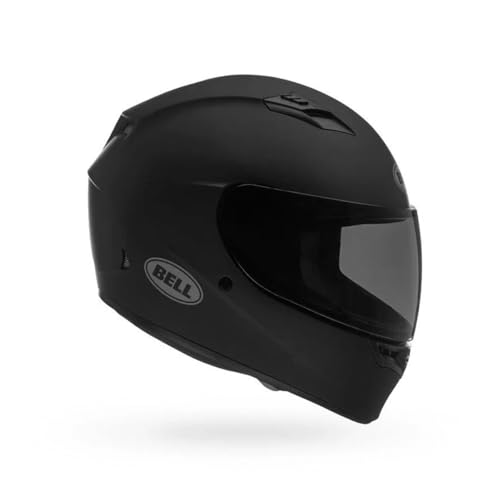
Three shell sizes help the helmet fit a wider range of head sizes without relying on extra-thick padding, which can feel less precise. The Ionic+ padding wicks sweat and fights odor, keeping the interior fresher during use. DOT and ECE22.06 certifications mean it meets both U.S. and international safety standards, so you’re getting tested protection.
At 6.0 pounds, it’s heavier than some competitors like the Shoei GT-Air 3, which weighs 3.9 pounds. That extra weight may be more noticeable on longer rides, especially if you’re used to a lighter helmet. But if your priority is a helmet with multiple shell sizes and quick-drying padding that meets modern safety standards, the Qualifier delivers those features.
AGV K1 S Street Full Face Helmet
What We Like
- Large front and crown vents with rear extractors
- Pinlock MaxVision-prepared GT4 visor
- Double-D ring closure for secure fit
Trade-offs
- No integrated sun visor for quick glare reduction
- Thermoplastic shell not as impact-absorbing as premium composites
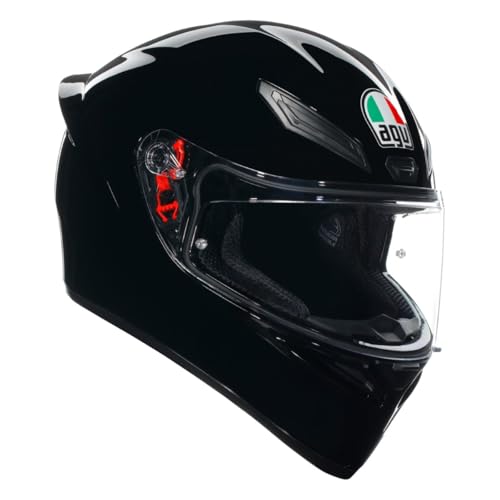
At 3.5 pounds, the AGV K1 S Street is one of the lightest full-face helmets in this guide, matching the HJC C10 for weight while offering a high-resistance thermoplastic shell. That lightness makes a real difference on longer rides, reducing neck fatigue without sacrificing the protection you need from a DOT-certified helmet. This is a good fit for riders who want a sport-oriented helmet with race-proven details like the Double-D ring closure, but without the higher cost of carbon fiber or multi-composite shells.
The trade-off for that accessible price is a thermoplastic shell, which doesn’t have the same impact-absorbing layup as the fiberglass or carbon shells found on helmets like the Shoei X-Fifteen. You also don’t get an integrated sun visor, so you’ll need to swap visors or wear sunglasses for bright days. If you prioritize a secure, ventilated, and lightweight full-face helmet for street and sport riding, and you’re comfortable managing glare with a tinted visor or sunglasses, this helmet delivers strong value in the thermoplastic category.
HJC C10 Solid Full Face Helmet

What We Like
- Lightweight 3.5 lb polycarbonate shell
- Pinlock-ready shield with UV protection
- Removable, washable moisture-wicking liner
- Speaker pockets for Bluetooth communication
Trade-offs
- Dark smoke shield not included
- No integrated sun shield or drop-down visor
The helmet lacks a built-in sun visor, a feature found on the Shoei GT-Air 3, which weighs 3.9 pounds. The dark smoke shield is sold separately, so riders who frequently face low sun will need to purchase that accessory. For those who prefer managing shields separately in exchange for a lighter weight, this design offers that trade-off.
Product photos
Bell Lithium MIPS Full Face Helmet

What We Like
- MIPS reduces rotational impact forces
- Class 2 optics drop-down sun shield
- Meets DOT and ECE22.06 standards
Trade-offs
- At 5.0 lb, heavier than several competitors
- Polycarbonate shell less premium than fiber composites
MIPS (Multi-directional Impact Protection System) is the standout feature here, a slip-plane liner designed to reduce rotational forces in certain impacts. That makes this Bell helmet a smart pick for riders who prioritize head protection beyond basic impact absorption. The polycarbonate shell meets both DOT and the newer ECE22.06 standards, and the Class 2 optics drop-down sun shield adds convenience without swapping visors.
At 5.0 pounds, this helmet is heavier than some competitors, such as the 3.8-pound Shoei X-Fifteen. That extra heft can become noticeable on long rides or for riders who prefer a lighter feel. The polycarbonate construction is a standard material choice that keeps the helmet affordable, but it does not offer the same premium feel as more expensive shell materials found on higher-priced models.
Product photos
ScorpionEXO T520 Touring Helmet
What We Like
- AirFit Inflation System for custom cheek fit
- Everclear no-fog shield on both surfaces
- KwikFit cheekpads accommodate eyeglasses
- Dual-density EPS for impact absorption
Trade-offs
- Heavier than Shoei X-Fifteen (4.8 vs 3.8 lbs)
- Bluetooth communicator kit sold separately
- Polycarbonate shell, not carbon fiber
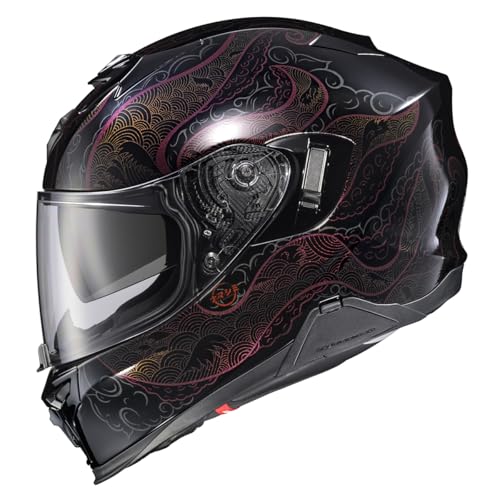
A 4.8-pound touring helmet with an integrated AirFit Inflation System means you can dial in the cheek pad pressure on the fly, reducing wind noise and lift during long highway miles. That custom fit, paired with the Everclear no-fog shield and a drop-down sun visor, makes this a natural choice for riders who spend hours in the saddle and want to stay comfortable without swapping shields at dusk. The KwikFit cheekpads also let you slide in eyeglasses easily, so if you wear prescription glasses, this helmet saves you the hassle of contacts or bulky adapters.
At 4.8 pounds, it’s noticeably heavier than the 3.8-pound Shoei X-Fifteen, which can fatigue your neck on all-day tours. The Bluetooth speaker pockets are ready to go, but you’ll need to buy the EXO-COM kit separately to use them. Still, for a mid-range touring helmet that packs a no-fog visor, adjustable ventilation, and a custom-fit cheek system, the ScorpionEXO T520 delivers real value for the practical rider who prioritizes comfort over grams.
Product photos
ScorpionEXO ST1400 EVO Carbon Helmet

What We Like
- Retractable Speedview drop-down sunvisor
- Airfit inflation system for custom fit
- Emergency quick-release cheek pads
Trade-offs
- Bluetooth system sold separately
- No integrated MIPS liner
The aero-tuned ventilation uses adjustable dual ram-air intakes and a venturi-effect channeling system to pull heat and humidity out from front to back, which means you stay cooler on long tours or spirited canyon rides. The Ellip-Tec II ratchet system pulls the shield tight for a quiet seal, and the retractable Speedview drop-down sunvisor lets you adapt to changing light without swapping visors. This is a helmet built for riders who want aerodynamic stability at speed without sacrificing all-day comfort.
The medium shell weighs 3.05 pounds, while the Shoei X-Fifteen comes in at 3.8 pounds for a large, so if every ounce matters for neck fatigue on multi-day trips, the Shoei may edge ahead. The ScorpionEXO ST1400 EVO Carbon brings a 5-year warranty, dual DOT and ECE certifications, and three shell sizes for a precision fit. The Airfit inflation system lets you adjust the fit for different riding conditions, from spirited canyon rides to long-distance tours. For the rider who values carbon fiber construction, adjustable aerodynamics, and integrated sun protection, this helmet delivers real versatility without requiring a second visor in your pocket.
Product photos
Arai Regent-X Solid Helmet
What We Like
- Glance-off shell design
- Variable Axis System for smoother shape
- Reinforcing hyper ridge lowers center of gravity
- F1-derived visor latch system
Trade-offs
- At 4.7 lb, heavier than some full-face helmets
- No integrated sun shield or Bluetooth pockets
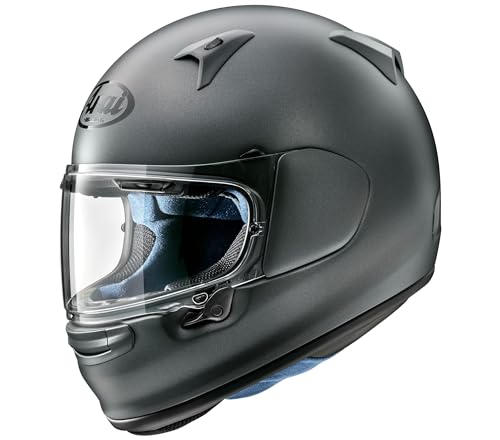
The Arai Regent-X uses a PB-cLc1 outer shell built to glance off impact forces rather than catch them, which is the same thinking that goes into race-level helmets. That Variable Axis System gives it a smoother, more rounded shape that helps the helmet deflect energy on contact, and the hyper ridge lowers the center of gravity while flaring out 5 mm to make getting it on and off easier. The dual intake vents, brow vents, three-way chin vent, and five exhaust outlets mean you get serious airflow management, and the F1-derived latch on the Pinlock-ready visor keeps the shield secure. This is a helmet for someone who values impact protection engineering over frills and wants a shell designed to redirect force.
At 4.7 pounds, the Regent-X is heavier than the Shoei X-Fifteen (3.8 lb) and the Shoei GT-Air 3 (3.9 lb), so riders who prioritize a lighter helmet may want to consider those options. It also lacks features like an integrated sun shield or Bluetooth pockets that some touring helmets include, keeping the focus on the shell and ventilation. If your priority is a proven impact-glance design with a low center of gravity and easy on-off access, this Arai delivers on those core strengths without adding complexity.
How We Evaluated Motorcycle Helmets
Our research began with safety certifications. DOT, ECE 22.06, and Snell, as the non-negotiable baseline for any helmet on this list. We cross-referenced manufacturer claims with expert round-ups to verify shell construction, impact management systems like MIPS or AREM, and real-world feedback on noise and ventilation.
The four criteria that mattered most were safety certification breadth, shell weight and material, ventilation and fog management, and integrated features like sun shields or Bluetooth readiness. Weight matters for long rides, but a heavier helmet with better aerodynamics can feel lighter on the highway.
A research-led evaluation cannot replace a proper in-store fitting. We recommend trying any helmet in person to confirm your head shape and size before committing to a purchase.
What To Look For In Motorcycle Helmets
Choosing a motorcycle helmet comes down to three big decisions: safety certifications, shell material and weight, and fit features that match your riding style. Here is what to keep in mind.
Focus on safety certifications first, then weight and shell material, and finally the fit and feature details that make a helmet comfortable for your specific riding style.
Safety Certifications
DOT is the minimum standard in the United States, but ECE 22.06 and Snell certifications represent higher levels of impact testing. Helmets that meet multiple standards, like the Shoei X-Fifteen with DOT, Snell, and ECE R22/06, offer broader protection assurance. Some helmets also include rotational impact management systems like MIPS or AREM, which address angled impacts that traditional tests don’t cover.
Shell Material and Weight
Helmet shells are made from polycarbonate, fiberglass composites, or carbon fiber. Polycarbonate is affordable and durable but heavier, while carbon fiber reduces weight significantly. A lighter helmet reduces neck fatigue on long rides, but aerodynamics matter too, a well-shaped polycarbonate helmet can feel better at highway speeds than a light one with poor airflow.
Ventilation and Fog Management
Good ventilation keeps you cool and prevents shield fogging. Look for multiple intake vents, rear extractors, and a Pinlock-ready or no-fog shield system. Helmets with integrated sun shields add convenience but can add weight and complexity. For touring riders, a fog-free shield is as important as the shell itself.
- Check that the helmet has at least DOT and ECE certification.
- Try the helmet on with your glasses or sunglasses if you wear them.
- Confirm the shield system is Pinlock-ready or has anti-fog treatment.
- Test the vent placement and operation while seated on your bike.
- Make sure speaker pockets exist if you plan to add a communication system.
A helmet that fits poorly is less safe than one that fits well, regardless of its certification level.
Motorcycle Helmets Compared
The table below compares the ten helmets across the key specs that matter most for choosing your next lid.
| Product | Weight | Safety Certifications | Shell Material | Shield Type |
|---|---|---|---|---|
| Shoei X-Fifteen Full Face Helmet | 3.8 Pounds | DOT, Snell, ECE R22/06 | N/A | CWR-F2R racing shield |
| Shoei GT-Air 3 Full Face Helmet | 3.9 Pounds | N/A | AIM shock-absorbent | CNS-1C Pinlock with anti-fog lens |
| LS2 Stream II Full Face Helmet | 5.0 Pounds | ECE 22.06 / DOT FMVSS 218 | Kinetic Polymer Alloy | Clear shield + internal SunShield |
| Bell Qualifier Full Face Helmet | 6.0 Pounds | DOT & ECE22.06 | N/A | N/A |
| AGV K1 S Street Full Face Helmet | 3.5 Pounds | DOT FMVSS 218 | High-resistance thermoplastic | Pinlock MaxVision-prepared GT4 visor |
| HJC C10 Solid Full Face Helmet | 3.5 Pounds | DOT FMVSS 218 | Lightweight Polycarbonate | Pinlock Ready HJ-34P |
| Bell Lithium MIPS Full Face Helmet | 5.0 pounds | DOT, ECE22.06 | Polycarbonate | Drop-Down Sun Shield |
| ScorpionEXO T520 Touring Helmet | 4.8 Pounds | DOT / ECE | Advanced Polycarbonate | Everclear No-Fog + Drop-Down Sun Visor |
| ScorpionEXO ST1400 EVO Carbon Helmet | 3.05 lbs (size medium) | DOT FMVSS No. 218 / ECE | Resin-infused TCT-U 3K carbon fiber | Everclear anti-fog, anti-scratch |
| Arai Regent-X Solid Helmet | 4.7 Pounds | DOT, FMVSS 218 | PB-cLc1 | VAS-V MAX Vision, Pinlock ready, F1 latch |
Frequently Asked Questions
What is the safest motorcycle helmet certification?
The safest helmets meet multiple standards, including DOT, ECE 22.06, and Snell. ECE 22.06 includes rotational impact testing that earlier standards did not, while Snell uses higher impact energy levels. Helmets like the Shoei X-Fifteen that carry all three certifications offer the broadest protection.
How do I know if a motorcycle helmet fits properly?
A proper fit feels snug all around without pressure points. The cheek pads should touch your cheeks without causing discomfort, and the helmet should not move when you shake your head. Try the helmet on for at least 15 minutes to check for hot spots, and always test it with any glasses or sunglasses you ride with.
Are more expensive motorcycle helmets worth the money?
Premium helmets typically use lighter materials like carbon fiber or multi-layer composites, offer better aerodynamics, and include advanced features like Pinlock shields, integrated sun visors, and emergency release systems. For riders who spend long hours on the road, the weight savings and reduced wind noise can make a significant comfort difference.
What is the difference between full-face and modular helmets?
Full-face helmets provide the most protection with a one-piece shell that covers the entire head and chin. Modular helmets have a hinged chin bar that flips up for convenience but add weight and complexity. For maximum safety, a full-face helmet like the Shoei X-Fifteen or Bell Qualifier is the standard choice.
How often should I replace my motorcycle helmet?
Most helmet manufacturers recommend replacement every five years, regardless of visible wear. The EPS liner degrades over time from sweat, UV exposure, and temperature changes. Replace your helmet immediately after any significant impact, even if there is no visible damage.
The Bottom Line
The Shoei X-Fifteen Full Face Helmet earns our best overall recommendation for riders who want the highest level of multi-standard safety certification and a race-ready shield system. It is a premium choice for those who prioritize protection and aerodynamics over weight savings.
If your budget is tighter, the Bell Qualifier Full Face Helmet delivers solid DOT and ECE 22.06 protection without the premium price tag. For riders who want advanced rotational impact management, the LS2 Stream II and Bell Lithium MIPS offer different approaches to that technology.
The single most important factor in choosing any helmet is fit. No certification or feature list matters if the helmet does not fit your head shape securely and comfortably.
