
10 Best Motorcycle Radar Detectors in 2026
This post contains affiliate links. As an Amazon Associate, we earn from qualifying purchases.
The best motorcycle radar detector for most riders is the CHIGEE SR-1 Motorcycle Blind-Spot Radar, thanks to its automotive-grade 77GHz radar that delivers long-range blind-spot detection. For riders who already use a Garmin navigator, the Garmin zūmo R1 Motorcycle Radar offers excellent heads-up indicator lights. The WEUASTE Motorcycle BSD Blind Spot Detection System provides a simple, weatherproof option with a 98-foot detection range.
Riding a motorcycle means you are constantly scanning for threats from all directions, but blind spots and speed traps can catch even the most vigilant rider off guard. A dedicated radar or blind-spot system gives you an extra set of eyes, reducing the mental load of constant head-turning and helping you stay aware of vehicles approaching from behind or officers ahead.
This guide is based on a careful review of specifications, manufacturer documentation, expert round-ups, and patterns in owner feedback across ten top-rated systems. We evaluated each product on detection range, weather resistance, alert type, and ease of installation to help you find the right match for your bike and riding style.
Top 10 Motorcycle Radar Detectors in the Market
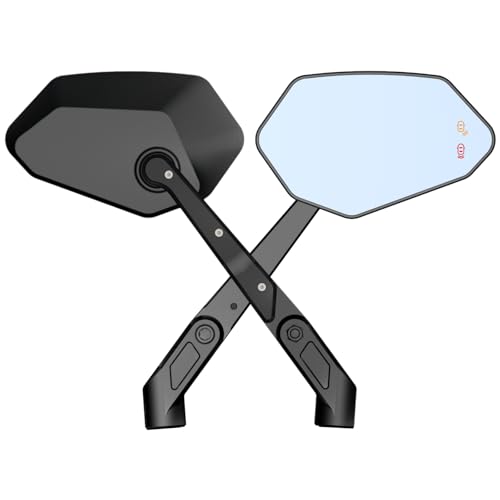

Certain content that appears on this site comes from Amazon. This content is provided "as is" and is subject to change or removal at any time.
The Best Motorcycle Radar Detectors, Reviewed
CHIGEE SR-1 Motorcycle Blind-Spot Radar
What We Like
- Automotive-grade 77GHz radar for long range
- Four smart driving alerts adapt to riding
- Built-in rear strobe light warns following drivers
- Works standalone or with CHIGEE displays
Trade-offs
- Display integration limited to CHIGEE AIO-5 or AIO-6
- No audible alerts without optional display
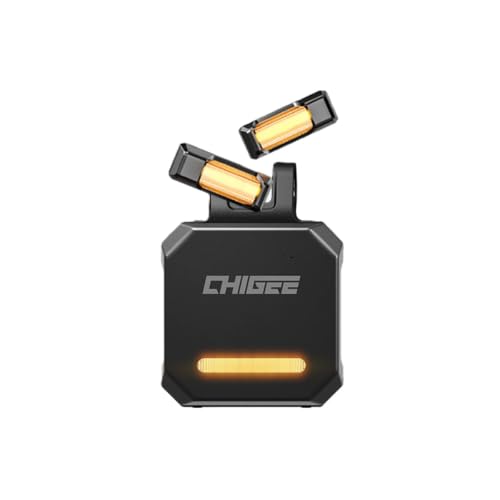
The SR-1 uses automotive-grade 77GHz millimeter-wave radar with a detection range of up to 70 meters, monitoring vehicles in adjacent lanes and approaching from behind. It provides real-time visual alerts through LED indicators to help riders avoid blind-spot hazards. The radar module also includes a built-in high-visibility strobe light that automatically flashes when a vehicle rapidly approaches from behind, attracting the attention of following drivers in low-light conditions. The system works independently with the dual LED indicators, so no additional display is required for basic warnings.
The trade-off is that the audible alerts and radar graphics only show up if you already own or buy a compatible CHIGEE AIO-5 or AIO-6 display. If you prefer voice or beep warnings, you will need to add that screen.
Garmin zūmo R1 Motorcycle Radar

What We Like
- Heads-up indicator lights for blind spot awareness
- Side-facing amber and rear red lights increase visibility
- Audio alerts paired with headset via app
- Rugged, discreet license-plate mount design
Trade-offs
- Requires compatible zūmo XT2 or smartphone app for full screen radar
- No standalone display; relies on external device for detailed view
The Garmin zūmo R1 mounts discreetly to your license plate and uses heads-up indicator lights to warn you about vehicles in your blind spot or approaching from behind. That means you keep your eyes on the road ahead, not glancing down at a screen, which is exactly what you want when splitting lanes or merging on the highway. It also includes side-facing amber lights and an optional rear red light to make your bike more visible to other drivers, turning your radar into a two-way safety tool. This is the pick for riders who already own a zūmo XT2 navigator or prefer using their smartphone for a full radar view, because the R1 shines brightest as part of that connected Garmin ecosystem.
WEUASTE Motorcycle BSD Blind Spot Detection System
What We Like
- 98-foot rear detection range
- 130° wide coverage area
- Dual LED left/right/rear alerts
- IP69K weather-resistant housing
Trade-offs
- No audio alerts, only visual LED warnings.
- Requires a dedicated USB port on your motorcycle.
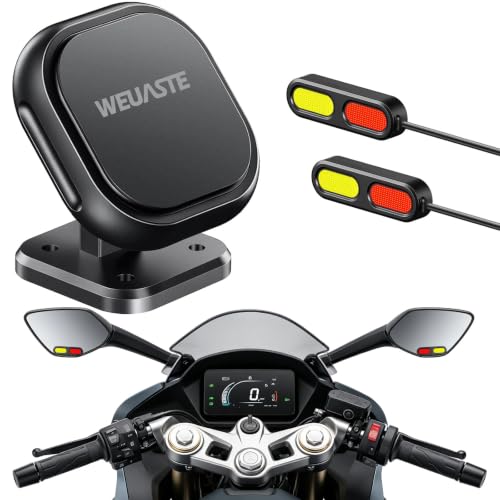
A 98-foot detection range with a 130-degree field of view means this radar system keeps an eye on traffic approaching from behind and both sides, giving you a solid heads-up before a lane change. The left LED lights up yellow for traffic on your left, the right LED lights up yellow for traffic on your right, and vehicles directly behind trigger both red indicators. This setup works especially well for riders who want a straightforward, no-fuss blind spot aid on busy highways or during commutes. The IP69K weather rating means it can handle rain and road spray without worry.
The trade-off here is that all alerts are visual only, so if you ride in bright sun or prefer a buzzer or voice prompt to catch your attention, you may need to look elsewhere. Compared to the CHIGEE SR-1, which offers 77GHz radar and four alert types, the WEUASTE sticks to a simpler, more affordable approach with just the LED lights and a USB power hookup. It is a capable system for riders who want reliable rear detection without extra complexity, but it does expect you to keep an eye on those lights rather than relying on sound.
Product photos
LBW Motorcycle BSD Blind Spot Detection System
What We Like
- 130° wide rear coverage zone
- 3-direction LED alerts for left/right/rear
- IP69K waterproof for all weather
- USB plug-and-play installation
Trade-offs
- Requires a compatible USB port for power
- No alert for stationary objects behind the bike
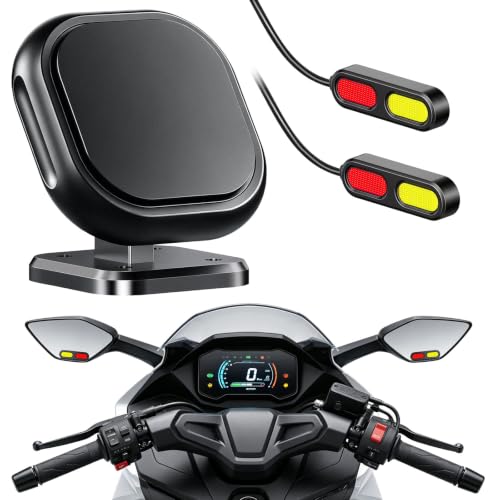
A 130-degree detection zone scans left, right, and directly behind your bike up to 98 feet, so you get a broad view of approaching traffic in adjacent lanes before they enter your blind spot. The three-direction LED alerts make it obvious at a glance where traffic is coming from, and the IP69K weather rating means rain, snow, or road spray won’t shut it down. For commuters and touring riders who spend time in multi-lane traffic, this system puts the emphasis on seeing more of what’s around you.
The LBW system covers 98 feet behind the bike with a 130-degree detection zone, which gives you enough warning for most lane changes on highways and busy roads. Installation is simpler than many alternatives because the included USB cable plugs directly into a compatible motorcycle USB port, cutting down on wiring work. The 24GHz radar triggers alerts only when a detected target is moving faster than 1.9 mph, so it focuses on moving traffic rather than stationary objects. If you prioritize wide-angle coverage over extreme range, this setup fits the bill.
Product photos
Tenbaba BSD01 Motorcycle Blind Spot Radar
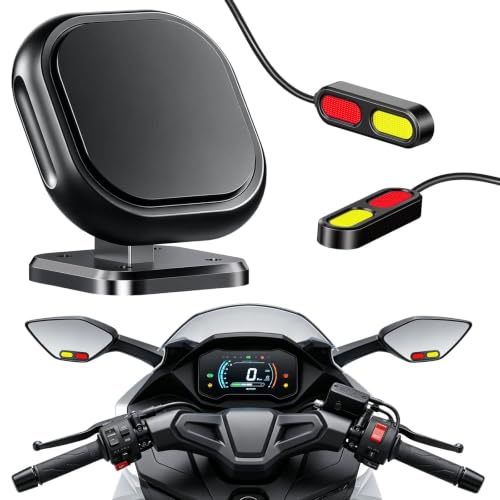
What We Like
- IP69K waterproof for extreme weather
- Dual-stage LED warnings visible in sunlight
- Filters stationary objects to reduce false alerts
- Automatic power on/off with ignition
Trade-offs
- Wired ACC connection requires some installation effort
- LED-only alerts (no audio or display integration)
The IP69K waterproof rating and ability to operate from -40°F to 176°F make it a reliable companion for riders who don’t stop riding when the weather turns nasty. This system is built for the rider who values all-weather dependability and wants a simple, focused warning system without extra frills.
You get visual alerts only with this system, with no audio beep or display integration to catch your attention if you are focused on a tight curve. That puts it behind the CHIGEE SR-1, which offers both standalone and display-integrated warnings. The Tenbaba connects to your motorcycle’s ACC line and battery, so installation involves wiring to the ignition. But if you want a rugged, no-nonsense blind spot detector that works in the worst conditions and won’t drain your battery when parked, this one delivers exactly what it promises.
Product photos
AlienRider M7PRO Motorcycle Blind Spot Detection System
What We Like
- Integrated rearview mirrors with LED alerts
- 77GHz radar for precise detection
- IP67-rated sensor for wet conditions
- Rear collision warning via red indicators
Trade-offs
- Larger assembly adds weight and bulk
- Requires replacing stock mirrors
The AlienRider M7PRO uses 77GHz millimeter-wave radar to monitor moving objects approaching from the rear, with alerts for blind spots, lane changes, and rear collisions. The system includes left and right rearview mirrors that provide visual LED warnings, so you get the alerts through the mirrors rather than separate indicator pods. The IP67-rated sensor is built to handle wet conditions, and power consumption stays under 2.5 watts, which means it won’t put much drain on your battery during long rides.
You are committing to these specific mirrors if you choose the M7PRO. It works best when your bike has standard mirror mounts and you don’t mind a slightly wider or heavier setup than your stock ones. The CHIGEE SR-1 is a standalone sensor that can be mounted separately from the mirrors, so the AlienRider’s mirror-integrated design is less flexible. For someone who values a tidy cockpit, that is exactly the appeal.
Adaptiv Technologies TPX Pro Motorcycle Radar Detector
What We Like
- Designed specifically for motorcycles
- Detects both radar and laser
Trade-offs
- Requires wired installation on most motorcycles.
- No integrated blind-spot or rear detection.
The Adaptiv Technologies TPX Pro is a radar and laser detector built for motorcycles, not a blind-spot system. That distinction matters because most other picks in this guide focus on rear and side traffic awareness, while the TPX Pro targets speed enforcement detection. It suits riders who want to keep an eye on police radar and laser traps without relying on a car-oriented unit strapped to the handlebars. The Adaptiv brand has a long history in motorcycle-specific electronics, so the design is purpose-built for two-wheeled use.
If your priority is knowing what is behind you rather than what is ahead, one of those systems will serve you better. But if your concern is avoiding speed traps on long highway rides, the TPX Pro fills that role with a dedicated motorcycle form factor.
Product photos
TPX Motorcycle Radar and Laser Detection System
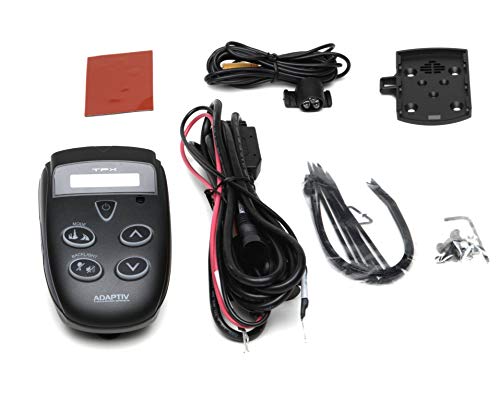
What We Like
- Detects all police radar and laser bands
- 360-degree radar and laser protection
- Waterproof design
- Ultra-bright adjustable LED alert
Trade-offs
- At 1.3 pounds, heavier than compact radar units
- No blind-spot or rear-collision warnings
The TPX A-01-01 detects all police radar and laser bands with 360-degree coverage, so it picks up signals from any direction around the bike. That full-circle awareness means you get warnings from the front, sides, and rear without needing a separate rear-facing sensor. The ultra-bright adjustable LED alert stays visible in bright conditions, and the waterproof housing protects against rain. This unit works for any rider who wants comprehensive radar and laser detection without relying on a phone app or external display.
Size and weight are the trade-offs here. At 1.3 pounds and with a 12-inch width, this is a larger, heavier unit than something like the Garmin zūmo R1, which weighs just 0.2 pounds and has a smaller footprint. That extra bulk can make mounting more demanding on bikes with limited space, and the weight may require a sturdier bracket. But if your priority is full 360-degree radar and laser protection, the TPX delivers coverage that compact units cannot match.
Wearable4U Garmin Zumo R1 Radar Bundle
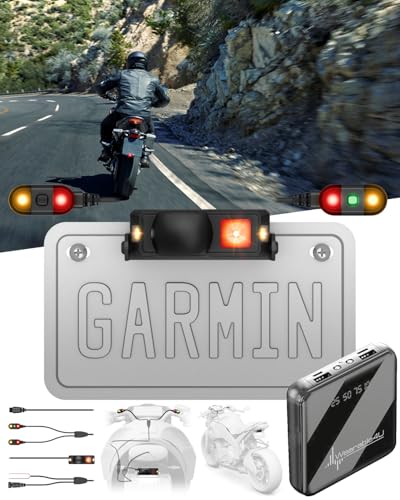
What We Like
- Includes power bank for extended rides
- External lights improve rear visibility
- Heads-up indicator lights for blind spot alerts
- Audio alerts work with headset via app
Trade-offs
- Requires smartphone or zumo XT2 for full-screen radar
- Heavier than standalone radar at 0.5 pounds
The bundle includes a Garmin Zumo R1 Radar, indicator lights, a mounting kit, and a Wearable4U Power Bank. The side-facing amber lights and optional rear-facing red light increase your motorcycle’s visibility to other traffic. The heads-up indicator lights alert you to vehicles in blind spots or behind you, and audio alerts work with a headset through the zumo Radar app. For riders who want the Garmin radar’s rearview and blind spot coverage plus a power bank in one box, this kit delivers that combination.
Product photos
INNOVV ThirdEYE Motorcycle Blind Spot System
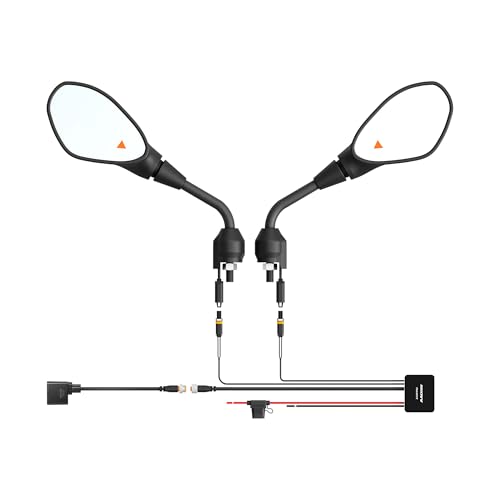
What We Like
- IP67 waterproof and dustproof
- Voice and indicator alerts
Trade-offs
- Designed specifically for R1300GS mirrors
- 50 m range is shorter than some competitors
The ability to track 64 targets simultaneously is what sets this system apart. Most blind-spot radars handle a handful of vehicles, but the INNOVV ThirdEYE keeps an eye on dozens at once, which matters when you’re splitting lanes or threading through dense highway traffic. This makes it a strong fit for riders who spend time in heavy, unpredictable traffic and want every possible warning before changing lanes.
The 50-meter detection range falls short of the 70 meters you get from the CHIGEE SR-1, so you will have slightly less time to react to a fast-closing vehicle from far behind. Additionally, this unit is specifically designed for R1300GS mirrors, so if you ride a different bike, you will need to check compatibility or plan for a custom mount. For BMW R1300GS owners who prioritize maximum target awareness over sheer range, this system delivers a level of situational detail that few others match.
How We Evaluated Motorcycle Radar Detectors
Our evaluation process started with a deep dive into the technical specifications of each system, including radar frequency, detection range, and coverage angle. We cross-referenced these specs with manufacturer claims and expert round-ups to verify real-world performance expectations.
We focused on four criteria that matter most for motorcycle radar detectors: detection range and accuracy, weather resistance (IP rating), type of alert (visual, audio, or both), and ease of installation. For blind-spot systems, we prioritized wide coverage angles and the ability to filter out stationary objects to reduce false alerts. For speed radar detectors, we looked for band coverage and waterproofing.
The honest limit of a research-led evaluation is that we cannot replicate real-world riding conditions or test every combination of bike and mounting location. Instead, we rely on patterns in owner feedback to identify common installation hurdles, false-alert triggers, and long-term durability concerns.
What To Look For In Motorcycle Radar Detectors
Choosing the right system means balancing detection capability with the type of alerts you can actually use while riding. Here are the key factors to consider before you buy.
Look for a system that offers the right balance of detection range, weather resistance, alert type, and installation complexity for your specific motorcycle and riding habits.
Detection Range and Coverage
The detection range determines how much warning time you have before a vehicle or radar source reaches you. Blind-spot systems typically offer ranges between 50 feet and over 100 feet, while speed radar detectors can pick up signals from much farther away. Wider coverage angles, such as 130 degrees, help you monitor adjacent lanes and reduce the need to turn your head.
Alert Type and Visibility
Motorcycle radar systems use visual alerts, audio alerts, or both. Visual alerts come as LED indicators on mirrors, handlebars, or a separate display, and must be bright enough to see in direct sunlight. Audio alerts work through a helmet headset or speaker, but require a compatible device. Consider which alert type you will notice most easily given your riding position and helmet setup.
Weather Resistance and Durability
Motorcycles face rain, dust, and vibration that cars do not. Look for an IP67 or IP69K rating to ensure the sensor and wiring can handle wet conditions and road debris. A rugged housing and secure mounting system prevent the unit from shifting or failing over rough roads.
- Confirm the system works with your motorcycle’s electrical system (USB, hardwired, or battery).
- Check that the mounting location does not interfere with your handlebars, mirrors, or luggage.
- Verify compatibility with any existing navigation or display devices you plan to use.
- Consider whether you prefer a standalone unit or one that integrates with a larger system.
A system that is difficult to install or incompatible with your bike will not help you ride safer, no matter how good its specs look on paper.
Motorcycle Radar Detectors Compared
The table below compares all ten systems side by side, covering detection range, alert type, weather rating, and key trade-offs to help you narrow your choices.
| Product | Radar Frequency | Alert Type | Waterproof Rating |
|---|---|---|---|
| CHIGEE SR-1 Motorcycle Blind-Spot Radar | 77GHz | LED indicators | IP68/IP69K |
| Garmin zūmo R1 Motorcycle Radar | N/A | Heads-up indicator lights + audio alerts | N/A |
| WEUASTE Motorcycle BSD Blind Spot Detection System | 24GHz | Dual LED warnings | IP69K |
| LBW Motorcycle BSD Blind Spot Detection System | 24GHz millimeter wave | 3-Direction LED Alerts | IP69K |
| Tenbaba BSD01 Motorcycle Blind Spot Radar | 24GHz millimeter-wave | LED indicators | IP69K |
| AlienRider M7PRO Motorcycle Blind Spot Detection System | 77GHz millimeter-wave | Visual LED Warning | IP67 |
| Adaptiv Technologies TPX Pro Motorcycle Radar Detector | N/A | N/A | N/A |
| TPX Motorcycle Radar and Laser Detection System | N/A | Ultra-bright adjustable LED | Yes |
| Wearable4U Garmin Zumo R1 Radar Bundle | N/A | External lights, audio, heads-up indicator | N/A |
| INNOVV ThirdEYE Motorcycle Blind Spot System | 77-79 GHz | Voice and Indicators Alert | IP 67 |
Frequently Asked Questions
How does a motorcycle blind-spot radar work?
A blind-spot radar system uses sensors mounted on the rear of the motorcycle to detect vehicles approaching from behind or in adjacent lanes. When a vehicle enters the detection zone, the system triggers visual alerts on the mirrors or handlebars, and some models also provide audio warnings through a headset.
Do I need a separate display for my motorcycle radar detector?
It depends on the model. Some systems, like the CHIGEE SR-1, can work standalone with built-in alerts or connect to a compatible display for a more detailed view. Others, such as the Garmin zūmo R1, require a smartphone app or a compatible navigator to show radar information on a screen.
Can I install a motorcycle radar detector myself?
Many blind-spot radar systems are designed for DIY installation with plug-and-play wiring or USB power. Speed radar detectors often require a wired connection to the motorcycle’s battery or fuse box. If you are not comfortable with basic electrical work, consider a model with simpler installation or have a professional install it.
What is the difference between a radar detector and a blind-spot detection system?
A radar detector is designed to alert you to police radar and laser guns used for speed enforcement. A blind-spot detection system uses its own radar sensors to monitor vehicles approaching from the rear or sides. Some riders choose to install both types for complete awareness.
How important is weather resistance for a motorcycle radar system?
Very important. Motorcycles are exposed to rain, mud, and vibration that can damage electronics not built to withstand them. Look for an IP67 or higher rating to ensure the sensor and wiring survive wet rides and road debris without failing.
The Bottom Line
For most riders, the CHIGEE SR-1 Motorcycle Blind-Spot Radar is the best overall choice because its 77GHz radar delivers long-range detection and flexible standalone or display-ready operation. It suits riders who want premium blind-spot awareness without being locked into a single brand’s ecosystem.
If you already use a Garmin zūmo navigator, the Garmin zūmo R1 Motorcycle Radar provides a discreet, heads-up alert system that works with your existing setup. For a simple, weatherproof option with clear visual alerts, the WEUASTE Motorcycle BSD Blind Spot Detection System offers a 98-foot detection range and an IP69K rating at a budget-friendly price point.
The single most important factor is choosing a system that matches how you ride: the type of alerts you will notice, the weather you face, and the space you have for mounting. A system you actually use every ride is worth far more than one with the longest range on paper.
