
10 Best Pack Rat Deterrents For Cars in 2026
This post contains affiliate links. As an Amazon Associate, we earn from qualifying purchases.
The Loraffe 12V/24V Ultrasonic Under Hood Rodent Repellent earns our best overall pick for its dual-unit coverage, automatic standby while driving, and heat-resistant build that protects two vehicles at once. For drivers who prefer no wiring, the Loraffe Battery Operated Under Hood Ultrasonic Rodent Repellent offers cordless convenience, while the Jahy2Tech Ultrasonic Rodent Repellent for Car Engines provides three power options for any setup.
Pack rats nesting in engine bays cause thousands in wire damage and fire hazards. The real challenge is finding a deterrent that survives engine heat, works when the car is parked, and doesn’t drain the battery.
This guide evaluates ten pack rat deterrents using manufacturer specifications, expert round-ups, and patterns in owner feedback. We focus on what actually keeps rodents out: ultrasonic output, power reliability, heat tolerance, and ease of installation.
Top 10 Pack Rat Deterrents For Cars in the Market


Certain content that appears on this site comes from Amazon. This content is provided "as is" and is subject to change or removal at any time.
The Best Pack Rat Deterrents For Cars, Reviewed
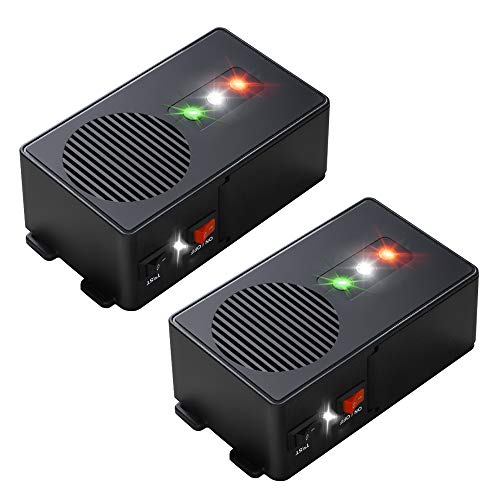
Loraffe 12V/24V Ultrasonic Under Hood Rodent Repellent
What We Like
- Dual-unit coverage for two vehicles
- Automatic standby when driving
- Heat-resistant under-hood materials
- Smart low-voltage battery protection
Trade-offs
- No battery power option for non-12V vehicles
- Must be placed away from heat sources
A pair of units in the box means you can protect two vehicles at once or double up coverage in a single large engine bay. Each unit sweeps through a 25-55 kHz ultrasonic range paired with three flashing LED strobes, creating an environment rodents find uncomfortable enough to avoid. The built-in vibration sensor automatically places each unit into standby mode while the vehicle is in motion and resumes operation after the vehicle is parked, reducing unnecessary power consumption. For anyone parking outside or in a garage where pack rats, mice, or squirrels have been a problem, this wired setup offers consistent, always-ready protection without worrying about dead batteries.
The trade-off is that installation requires connecting directly to your car battery, so it is not a simple peel-and-stick job. You will need to route the included wiring harness and secure the unit with zip ties away from the engine, exhaust manifold, and catalytic converter. That is more involved than the battery-operated Loraffe model, which swaps in easier but lacks the continuous power and low-voltage cutoff this one provides. If you are comfortable with a basic under-hood wiring task and want set-and-forget coverage for multiple vehicles, this is a well-rounded system.
Product photos
Jahy2Tech Ultrasonic Rodent Repellent for Car Engines
What We Like
- Three power options for any vehicle setup
- Smart vibration sensor avoids manual toggling
- Dual ultrasonic and flashing LED deterrence
- Compact 1-inch cube fits tight engine bays
Trade-offs
- AA batteries not included for wireless use
- Not designed for direct water exposure
- No remote control or timer for custom schedules
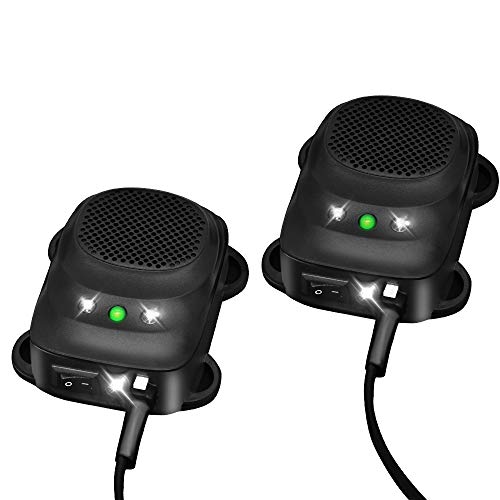
Three power options. AA batteries, 5-12V DC, or direct 12V battery hookup, let you fit this deterrent into nearly any vehicle without rewiring your routine. That flexibility matters when you switch between a daily driver and a stored RV, or simply prefer not to run wires. Combined with variable 18-36kHz ultrasonic sweeps and bright flashing white LEDs, the Jahy2Tech targets the dark, quiet engine bay rodents love.
The wireless model needs AA batteries you provide, and it isn’t built for direct rain or hose spray, so placement under the hood requires care away from belts, fans, and moving parts. If you want one device that adapts to different cars and power situations, this is a versatile pick.
Loraffe Battery Operated Under Hood Ultrasonic Rodent Repellent
What We Like
- Cordless, no wiring needed
- Motion-activated standby saves battery
- Heat-resistant for engine compartments
- Chemical-free rodent deterrence
Trade-offs
- 65-day battery life requires periodic replacement
- Requires 2 C batteries not included
A battery life of up to 65 days under typical use from two C cells means you can install these under the hood and largely forget about them for a couple of months. That cordless convenience is the whole point here: no tapping into your car’s electrical system, no running wires, just zip-tie the units in place and they start working. This makes the Loraffe a natural fit for anyone who wants quick, no-fuss protection, especially if you park outdoors or rotate between multiple vehicles. The motion-activated standby also helps extend battery life by reducing unnecessary consumption while driving, then resuming operation after the vehicle is parked.
You’re trading permanent power for that convenience. Unlike a wired unit such as the Loraffe 12V/24V version, which draws from the vehicle’s battery indefinitely, this one will need fresh C batteries every couple of months under typical use. The heat-resistant construction handles engine-bay temperatures, but the ultrasonic sound and flashing strobe are designed to work in open spaces without obstruction. For a vehicle that is parked regularly, it’s a clean, low-effort solution; for a vehicle stored for long periods, a wired option may be worth the extra installation effort.
Product photos
Peepst Ultrasonic Mouse and Rat Repellent for Car Engines
What We Like
- Four units cover multiple engine bays
- Two ultrasonic speakers plus four LED strobes
- Three power methods for flexible installation
- Smart battery protection switches to AA backup
Trade-offs
- AA batteries not included and device does not charge them
- Units need a clear output path away from heat and moving parts
- Intermittent non-flashing periods can occur normally
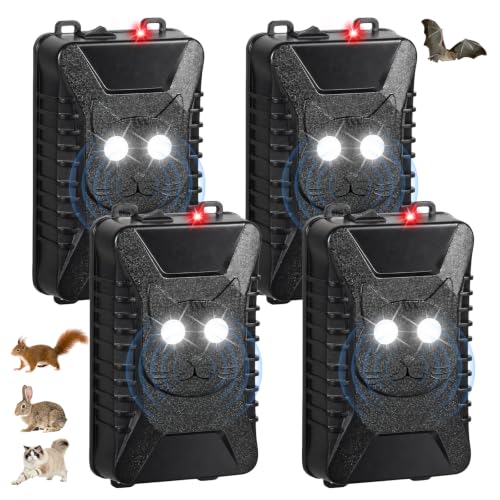
A four-pack of compact ultrasonic deterrents means you can protect multiple vehicles or separate engine compartments without shuffling a single unit back and forth. Three power options. USB-C, a direct 5-12V vehicle connection, or four AA batteries, let you adapt the setup to whatever power source is handy, and the vibration-activated standby cuts unnecessary drain when the car is running.
Installation takes some thought: you need to clean the engine bay, mount each unit away from belts, fans, and hot surfaces, and keep the speaker openings unobstructed for the sound to travel. Compared to the Loraffe 12V/24V Under Hood Rodent Repellent, which comes as a two-pack, the Peepst offers more units and greater power flexibility but demands more placement care. If you prefer a simpler setup and only need two units, the Loraffe may be less fussy. For covering multiple vehicles or spaces, this four-pack gives you the numbers.
Product photos
MouseBlocker Prox 12V Under Hood Rodent Deterrent
What We Like
- Aluminum case dissipates heat
- Dual strobing white LEDs
- 12V wired for constant power
- Covers cars, trucks, RVs, tractors
Trade-offs
- Requires hardwiring to 12V source
- Battery and charger not included
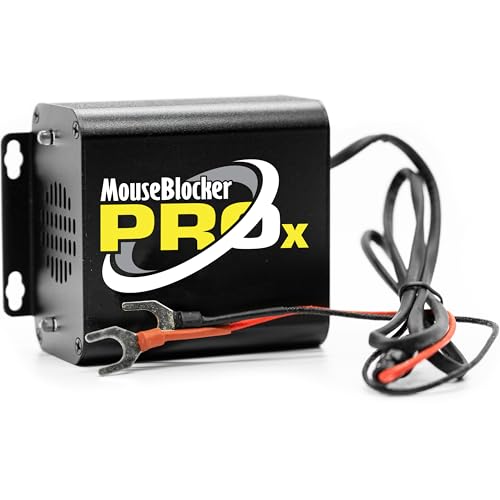
The aluminum case is a key feature here. It protects the internal microcomputer and helps dissipate heat, which is useful under the hood where temperatures can climb. The dual strobing white LEDs add a visual deterrent alongside the ultrasonic output, and the simple two-wire 12V hookup ensures it stays powered whenever the battery is connected. That makes it a strong fit for anyone who wants a permanent, no-fuss install and doesn’t mind running a wire to the battery.
You need a 12V source and some basic wiring know-how. Unlike the Loraffe 12V/24V Ultrasonic unit, which comes as a pack of two smaller devices, the MouseBlocker Prox is a single larger box. That extra size gives it room for the aluminum case, but it also means less flexibility for tight engine bays. If you prefer a plug-and-play approach or need to cover multiple vehicles, the Loraffe two-pack might be more convenient. For a single vehicle where a metal housing is a priority, the aluminum construction is worth considering.
CIIC Ultrasonic Pest Rodent Repellent for Car Engines
What We Like
- Three power options for any vehicle
- Smart vibration sensor saves battery
- 100% safe for family and pets
- Compact size fits any engine bay
Trade-offs
- Battery-powered: requires 4 AA batteries
- Single device per pack covers one area
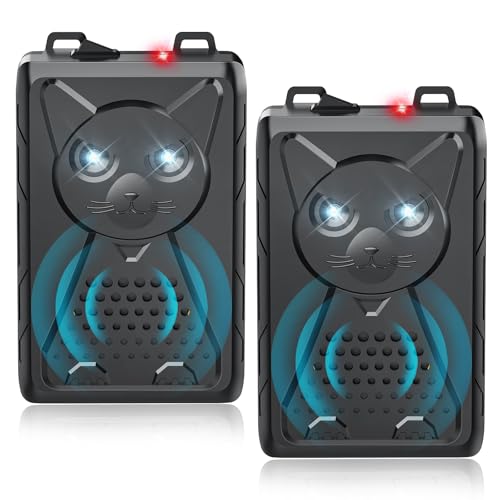
With three power options. AA batteries, USB, or a DC cable, this repellent adapts to how you park, whether it’s in a garage or on the road. The smart vibration sensor puts it into standby when the engine runs, then resumes full operation within 90 seconds of parking, which stretches battery life to over three months. For drivers who want an affordable, no-hassle way to keep rodents out of the engine bay without wiring or traps, this is a straightforward solution that fits nearly any vehicle.
Battery power means you’ll need to replace four AAs every few months if you don’t use the USB or DC options. The included DC cable lets you connect directly to your vehicle’s under-hood power outlet, so you can avoid battery swaps entirely. It’s a smart pick for those who value simplicity and portability over a permanent install.
Product photos
CXIENAOY Ultrasonic Rodent Repellent for Car Engines

What We Like
- Four units cover multiple areas at once
- Three power options for flexible installation
- Auto shutoff saves battery when driving
- Compact, cordless design with zip-tie mount
Trade-offs
- Does not work below 10.7V, limiting low-battery use
- Batteries not included for any of the four units.
With four units in one box, this pack lets you protect your car’s engine bay, garage corner, attic, and shed without buying separate devices. Each unit uses dual ultrasonic waves and a flashing strobe light to irritate rodents’ hearing and sight. It automatically powers down when it senses engine vibration, then reactivates 90 seconds after you park, so you’re not draining batteries while driving. The three power options (AA batteries, USB, or direct 12V connection) mean you can tuck one under the hood with zip ties and plug another into a wall outlet in the garage, making it a flexible, low-hassle setup for someone who wants broad coverage at a reasonable per-unit cost.
Covering multiple vehicles or a large garage with rodent protection often means buying several devices. This four-pack delivers solid value for that scenario, though it does require batteries (four AA per unit, not included). Each unit combines ultrasonic waves between 18,000 and 36,000 Hz with a flashing strobe light, targeting both hearing and sight to drive rodents away. Owners report the devices automatically stop when the engine starts, thanks to a vibration sensor, then reactivate after 90 seconds of parking. That feature saves battery life, which can last up to three months in standby mode. The compact, cordless design mounts easily under a hood or in a corner using the included zip ties.
Product photos
maxfetched Ultrasonic Under Hood Rodent Repeller
What We Like
- Six high-intensity LED strobe lights
- Triple-action: ultrasonic, strobe, vibration
- Auto standby saves battery while driving
- Three power modes for flexible placement
Trade-offs
- Requires 3 AA batteries (not included)
- Battery life 60+ days only in standby mode
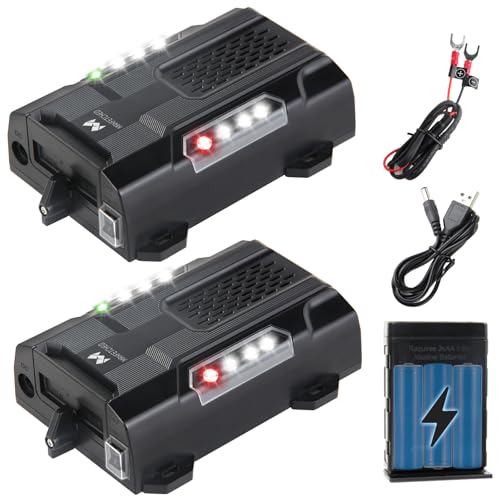
Six LED strobes and a vibration module work alongside fluctuating 18-36 kHz ultrasonic sound to create a multi-sensory deterrent. The combination targets rodents through sound, light, and physical vibration, which may be useful in engine bays where noise alone might not be enough. A built-in vibration sensor automatically pauses protection when the engine starts and resumes 90 seconds after shutdown, preventing battery drain during drives. With three power options, battery, USB, or direct car wiring, you can place it in the engine bay, garage, attic, or basement without being tied to a single outlet.
This unit requires three AA batteries (sold separately) for cordless operation, and the battery life is rated up to 60 days in standby mode. For long-term parking or vehicles stored in a garage, the USB or hardwire options are more practical. Best suited for drivers who want sensory deterrence (sound, light, and vibration) for larger engine bays or stationary storage spaces.
Product photos
Vekibee Ultrasonic Rodent Repellent for Car Engines
What We Like
- Remote control works up to 33 ft
- Low-voltage protection at 10.7V
- Replaceable 0.5A fuse protects wiring
Trade-offs
- Wired install requires battery access
- Single unit covers one engine bay
The included remote control works from up to 33 feet away, letting you switch between Ultra Mode and Test Mode or turn the unit on and off without opening the hood. That convenience matters when you are checking the deterrent before a long trip or turning it off for service. The Vekibee suits drivers who park in different spots and want to adjust settings quickly from outside the vehicle, especially in tight garages or dark lots where fumbling under the hood is a hassle.
This is a wired unit, so installation means connecting directly to a 12V or 24V battery and routing the cable. That gives reliable power but takes more effort than a battery-powered pick like the Loraffe Battery Operated version. For someone who wants remote control flexibility without opening the hood every time, this wired design delivers.
This wired design is best for drivers who want remote control flexibility without opening the hood every time. It is not ideal for those who prefer a quick no-wire install, as the battery connection and cable routing require more effort than a battery-powered alternative.
Product photos
Thcritter Ultrasonic Battery Operated Rodent Repellent
What We Like
- Three power sources for any location
- Withstands engine heat up to 230°C
- Auto-pause during driving saves battery
- Compact 1-inch cube fits tight spaces
Trade-offs
- AA batteries not included for cordless use
- Requires multiple units for large garages or warehouses
The Thcritter repeller runs on three power sources: 12V battery, USB, or four AA batteries. That means you can tuck it under the hood, inside the cabin, or even in a garage without being tied to a single wiring option. That flexibility makes it a good match for anyone who wants rodent protection without committing to a permanent hardwire job, especially since its flame-retardant shell handles engine-bay heat up to 230°C. The built-in vibration sensor also pauses the ultrasonic and strobe lights while you drive, then reactivates when parked, which keeps the unit from draining power during your commute.
The Thcritter repeller connects to a 12V battery, a USB port, or runs on four AA batteries (not included). That means you can mount it under the hood, inside the cabin, or in a garage without being tied to a single power source. For very large spaces like a sprawling garage or a warehouse, the manufacturer recommends placing multiple units to create an overlapping coverage zone, which adds to the upfront cost. Compared to the Loraffe 12V/24V pack-of-two, which gives you two units out of the box, the Thcritter’s strength is its adaptability to different mounting spots and power setups rather than raw coverage area out of the package.
Product photos
How We Evaluated Pack Rat Deterrents For Cars
Our evaluation is research-based, drawing from manufacturer documentation, expert round-ups, and consistent patterns in owner feedback. We analyzed published specs, installation guides, and thousands of user experiences to identify what works and what doesn’t in real-world engine bay conditions.
The four criteria that mattered most were power source flexibility, heat resistance, deterrent effectiveness, and installation difficulty. Power source flexibility means wired versus battery versus solar options. Heat resistance matters because engine bays regularly exceed high temperatures. Deterrent effectiveness covers ultrasonic frequency range, LED strobe intensity, and vibration sensors. Installation difficulty is also key. A deterrent that fails in any of these areas won’t protect your vehicle long-term.
A research-led evaluation has limits. Owner experiences vary by region, rodent species, and vehicle layout. We prioritize products with multiple owner-reported successes across different climates and vehicle types, but no single device guarantees 100% rodent exclusion.
What To Look For In Pack Rat Deterrents For Cars
Choosing a pack rat deterrent means balancing power reliability, heat tolerance, and coverage area against your willingness to run wires or change batteries.
Look for ultrasonic units rated for engine bay heat, with either hardwired 12V power or long battery life. Multiple deterrent methods—sound, light, and vibration—improve effectiveness. Smart features like auto shutoff while driving save battery and prevent drain.
Power Source and Installation
Wired 12V units offer always-on protection but require tapping into a fuse or battery terminal. Battery-powered units install in minutes but need periodic replacement. Some units offer both options, letting you switch between vehicles. Smart vibration sensors that detect engine running and pause the deterrent save battery life in cordless models.
Heat and Weather Resistance
Engine bays reach high temperatures after a drive. Look for units with heat-resistant housings (aluminum cases or high-temp plastics). Units placed too close to exhaust manifolds or turbochargers may fail prematurely. Some models include heat-shielding or recommend specific mounting locations away from direct heat sources.
Deterrent Methods and Coverage
Most units combine ultrasonic sound (above human hearing range) with flashing LED strobes. Some add vibration sensors that activate when rodents climb on the vehicle. Multiple units can cover larger engine bays or protect multiple vehicles. The best setups use two or more deterrent methods simultaneously to prevent rodents from habituating to a single stimulus.
- Confirm the unit’s operating temperature range matches your vehicle’s engine bay
- Measure your battery voltage to ensure compatibility (12V vs. 24V systems)
- Check if batteries are included or need separate purchase
- Verify mounting hardware fits your engine bay layout
- Consider whether you need remote control access for easy on/off
A single deterrent method is rarely enough; choose units with at least two sensory outputs (ultrasonic plus strobe) for better long-term results.
Pack Rat Deterrents For Cars Compared
The table below compares each deterrent’s power options, key features, and best-use scenarios to help you match the right unit to your vehicle and installation preference.
| Product | Power Source | Ultrasonic Range | Deterrence Type |
|---|---|---|---|
| Loraffe 12V/24V Ultrasonic Under Hood Rodent Repellent | 12V/24V vehicle battery | 25-55 kHz | Ultrasonic + LED strobe |
| Jahy2Tech Ultrasonic Rodent Repellent for Car Engines | AA, 5-12V DC, 12V battery | 18-36kHz | Ultrasonic + flashing white LEDs |
| Loraffe Battery Operated Under Hood Ultrasonic Rodent Repellent | 2 C batteries | N/A | Ultrasonic + LED strobe |
| Peepst Ultrasonic Mouse and Rat Repellent for Car Engines | USB-C, 5-12V vehicle battery, 4x AA batteries | 25 kHz fixed + 22-50 kHz variable | Ultrasonic + LED strobe |
| MouseBlocker Prox 12V Under Hood Rodent Deterrent | 12V wired | N/A | Ultrasonic + dual strobe LEDs |
| CIIC Ultrasonic Pest Rodent Repellent for Car Engines | Battery, USB, DC cable | 18-36 kHz | Ultrasonic |
| CXIENAOY Ultrasonic Rodent Repellent for Car Engines | 4×AA batteries, USB, 12V DC | 18,000-36,000 Hz | Ultrasonic + strobe |
| maxfetched Ultrasonic Under Hood Rodent Repeller | Battery, USB, Direct Car | 18-36 kHz | Ultrasonic + LED strobe |
| Vekibee Ultrasonic Rodent Repellent for Car Engines | 12V/24V wired | N/A | Ultrasonic + LED strobe |
| Thcritter Ultrasonic Battery Operated Rodent Repellent | 12V battery, USB, 4 AA | 18-36 kHz | Ultrasonic + LED strobe |
Frequently Asked Questions
Do ultrasonic rodent repellents work in car engines?
Yes, many owners report success with ultrasonic repellents in engine bays, especially when combined with flashing LED strobes. Effectiveness depends on proper placement away from heat sources and obstructions, and using units with heat-resistant housings rated for engine bay temperatures.
Will a rodent repellent drain my car battery?
Wired units with smart low-voltage protection shut off automatically when battery voltage drops below a safe threshold. Battery-powered units use motion or vibration sensors to activate only when the vehicle is parked, preventing unnecessary drain.
How often do I need to change batteries in a cordless rodent repellent?
Battery life varies by model and usage. Most cordless units last 60 to 65 days under typical conditions with motion-activated standby. Frequent engine starts or hot climates may shorten battery life. Units with smart vibration sensors that pause while driving extend battery runtime.
Can I use these deterrents on RVs, tractors, or boats?
Many wired 12V units work on any vehicle with a 12V electrical system, including RVs, tractors, boats, and classic cars. Some models specifically list RV and tractor compatibility. Check the unit’s voltage rating and heat tolerance before installing in non-standard applications.
Where should I mount the deterrent under the hood?
Mount the unit away from exhaust manifolds, turbochargers, and other direct heat sources. Ideal spots include the firewall, inner fender wells, or along the radiator support. Ensure the ultrasonic speaker and LED strobes have a clear path into the engine bay without obstruction from hoses or wiring.
The Bottom Line
The Loraffe 12V/24V Ultrasonic Under Hood Rodent Repellent is our best overall pick for drivers who want reliable, always-on protection for one or two vehicles. Its dual-unit design, heat-resistant materials, and smart battery protection make it a set-and-forget solution that works with standard 12V and 24V electrical systems.
For budget-conscious buyers or those covering multiple locations, the CXIENAOY Ultrasonic Rodent Repellent for Car Engines four-pack delivers solid value. The Loraffe Battery Operated Under Hood Ultrasonic Rodent Repellent offers the simplest tool-free installation for drivers who prefer no wiring.
The single most important factor in choosing a pack rat deterrent is matching the unit’s power source and heat tolerance to your vehicle’s engine bay environment. A well-matched unit installed correctly will outlast and outperform a more expensive one placed in the wrong spot.
