
6 Best Smart Motorcycle Helmets in 2026
This post contains affiliate links. As an Amazon Associate, we earn from qualifying purchases.
The Sena OUTRUSH 2 Modular Smart Helmet is our best overall pick because it combines a practical modular design with Mesh Intercom 3.0 for reliable group communication and auto-off accelerometers that save battery. For riders who want maximum impact protection, the Sena Specter Modular Smart Helmet offers a DuPont Kevlar shell with premium Harman Kardon audio. The ILM 953Max Bluetooth Modular Helmet delivers strong value for group riders on a budget.
Riding connected means balancing safety, communication range, and helmet weight. A smart helmet that works well on solo commutes may frustrate you on group rides, while a feature-packed model can be too heavy for all-day touring.
We evaluated these six smart motorcycle helmets based on manufacturer specifications, safety certifications, communication system capabilities, and patterns in owner feedback. This guide helps you match the right helmet to your riding style and budget.
Top 6 Smart Motorcycle Helmets in the Market
Certain content that appears on this site comes from Amazon. This content is provided "as is" and is subject to change or removal at any time.
The Best Smart Motorcycle Helmets, Reviewed
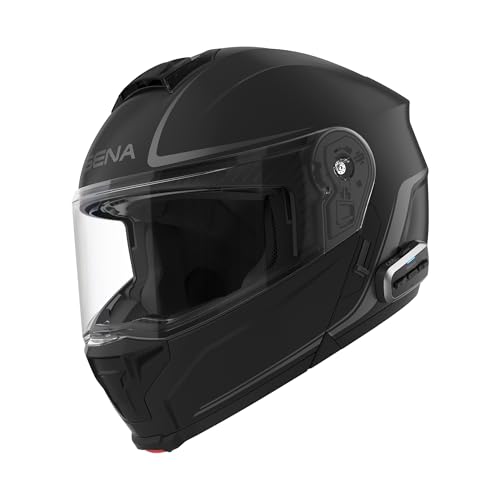
Sena OUTRUSH 2 Modular Smart Helmet
What We Like
- Mesh Intercom 3.0 for group rides
- P/J dual homologation with chin up
- Auto-off via accelerometers saves battery
Trade-offs
- At 4.0 lb, heavier than some modular helmets
- No Harman Kardon audio tuning like Specter
Mesh Intercom 3.0 connects you with other riders in your group. The P/J dual homologation means you can ride with the chin bar up or down and still meet FMVSS 218 safety standards. That combination makes it a practical choice for riders who want communication and flip-up flexibility in one helmet. The 2nd Gen HD Speakers deliver clear music and calls, and Intelligent Power Management automatically turns the helmet off after several hours of no movement, so you do not have to worry about a dead battery.
At 4.0 pounds, the Outrush 2 is on the heavier side for a modular helmet, so you’ll notice the extra mass on long rides. The 2nd Gen HD speakers deliver clear music and calls, though the Specter’s Harman Kardon-tuned speakers offer a step up in audio refinement. If you prioritize lighter weight and premium sound, the Specter is worth considering. But for most riders, the Outrush 2’s Mesh Intercom 3.0 and P/J dual homologation make it a versatile daily driver.
Product photos
Sena Specter Modular Smart Helmet

What We Like
- DuPont Kevlar shell for impact resistance
- 2nd Gen Harman Kardon audio with improved bass
- Precise joystick control for communication features
- Smart Power Management extends battery life
Trade-offs
- At 3.9 lb, heavier than some modular helmets
The DuPont Kevlar fiber shell is the standout feature here, giving you exceptional strength and impact resistance while keeping weight manageable enough for long days on the road. That Kevlar reinforcement means this helmet can take a hit without adding the neck strain you’d expect from a heavier shell, which matters when you’re touring for hours. It also pairs that safety with Harman Kardon’s second-generation audio system, so your music and intercom calls come through with noticeably better bass and clarity than earlier smart helmets.
The trade-off is that at 3.9 pounds, it’s not the lightest modular option out there. If you compare it to the FRBRK Bluetooth Modular Helmet at 3.3 pounds, you’ll feel the extra weight on extended rides, especially if you’re used to a lighter lid. Still, that weight comes from the Kevlar construction, and for riders who prioritize impact protection over grams, it’s a worthwhile swap. Just know you’re getting a tougher shell, not a featherweight one.
Product photos
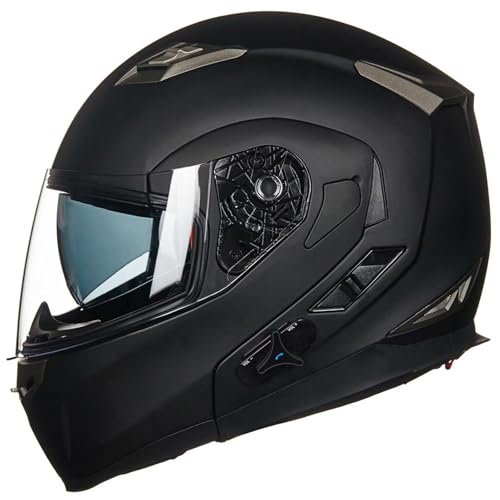
ILM 953Max Bluetooth Modular Helmet
What We Like
- Meets DOT and FMVSS-218 safety standards
- One-touch control for calls and music
Trade-offs
- Intercom works only with ILM 953BT/902BT MAX
- Modular flip-up adds weight over full-face
- App required for full feature access
The trade-off is that the intercom only pairs with other ILM 953BT MAX or 902BT MAX helmets. So if your friends ride with Sena or other brands, you will not be able to chat with them. Compared to the Sena OUTRUSH 2, which uses its own mesh system, the ILM limits you to its own compatible models.
Product photos
ESRADA Carbon Fiber Modular Bluetooth Helmet

What We Like
- DOT and ECE 22.05 certified
- Built-in Bluetooth for calls and music
- Double-layer sun visor for glare protection
- Removable and washable inner liner
Trade-offs
- ABS shell is heavier than Kevlar shell on Sena Specter
- Bluetooth lacks mesh intercom for group rides
Dual DOT and ECE 22.05 safety certification means this helmet meets impact standards used on both sides of the Atlantic, so a rider can trust it for daily commutes or long tours. The built-in Bluetooth pairs with a phone for music, calls, and FM radio through hidden speakers and a microphone, which keeps the setup tidy without dangling wires. It’s a practical modular helmet that puts safety and connectivity together in one straightforward package.
The trade-off is weight: the ABS construction is heavier than the Kevlar shell found on the Sena Specter, so on long rides you’ll feel that extra mass more. For a rider who values certified protection, a flip-up chin bar for quick breaks, and a clean all-in-one setup for solo trips, this helmet delivers solid value without chasing premium frills.
Product photos
FRBRK Bluetooth Modular Helmet

What We Like
- DOT certified for road use
- Integrated Bluetooth with noise reduction
- Dual visor for sun protection
- Lightweight at 3.3 pounds
Trade-offs
- ABS shell less impact-resistant than carbon fiber or Kevlar
- Heavier than many modular helmets at 3.3 pounds
At just 3.3 pounds, this modular helmet is lighter than several competitors in the same category, which makes a real difference on long rides when neck fatigue starts to set in. The integrated Bluetooth headset delivers stereo sound, automatic call answering, and active noise reduction, so you can take a call or follow GPS directions without fumbling for your phone. For riders who want smart features without stretching their budget, the FRBRK brings essential connectivity and solid DOT certification in a package that won’t weigh you down.
The trade-off comes down to materials: the ABS composite shell is durable and stable, but some riders may prefer a different shell material. If you prioritize maximum protection and are willing to pay more, a premium helmet is worth considering. However, for everyday commuting or weekend cruising where budget matters, the FRBRK delivers the core smart-helmet experience: Bluetooth, dual visors, flip-up convenience, at a weight that keeps you comfortable mile after mile.
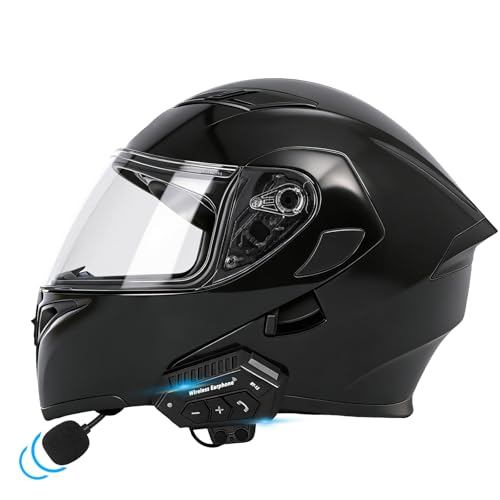
NVSIO Bluetooth Modular Helmet
What We Like
- DOT and ECE 22-05 dual certification
- Dual-layer sun visor for glare control
- Removable washable liner and cheek pads
- Tech ABS shell for durability
Trade-offs
- At 4.4 lb, heavier than some modular helmets
- No mesh intercom system included
The NVSIO Bluetooth Modular Helmet meets both DOT and ECE 22-05 safety standards, so you get a flip-up helmet that’s certified for use on the road in more places than a single-cert helmet alone. The dual-layer sun visor means you can flip down an inner dark shield for bright sun or retract it at night, keeping your vision clear without swapping visors. It’s a practical choice for riders who want Bluetooth connectivity built in, speakers and microphone are included for calls and music, without stepping up to a premium price tier.
At 4.4 pounds, this modular helmet carries extra weight compared to some rivals, so your neck may feel the strain on long rides. That heft is the price for a DOT and ECE 22-05 certified shell with a flip-up design and built-in Bluetooth. The integrated Bluetooth delivers stereo sound, auto-answer calls, and noise reduction, but it lacks the mesh intercom found on pricier models like the Sena Specter, so rider-to-rider range is more limited. For riders who value safety certification and a convenient all-in-one setup over advanced intercom features, this helmet offers a practical trade-off.
Product photos
How We Evaluated Smart Motorcycle Helmets
Our evaluation combines manufacturer specifications, safety certification data, expert round-ups of communication features, and common themes from owner experiences across riding forums. We focused on what actually matters when you are on the road: safety, connectivity, and everyday usability.
The three criteria that mattered most were communication system quality, shell material and safety certifications, and overall weight and comfort for long rides. Communication includes mesh versus standard Bluetooth and group intercom range. Shell materials range from ABS to carbon fiber and Kevlar, with certifications like DOT and ECE. A helmet that is too heavy or poorly balanced can cause neck fatigue, and a weak intercom system defeats the purpose of buying smart.
Any evaluation has limits: we cannot assess impact performance or battery life under real riding conditions. We rely on published safety standards, manufacturer claims, and what the riding community reports as reliable or problematic over time.
What To Look For In Smart Motorcycle Helmets
Choosing a smart helmet means weighing communication needs against shell protection and comfort. The right balance depends on whether you ride solo, in small groups, or in large touring packs.
Prioritize communication type (mesh vs. Standard Bluetooth) for your riding group, shell material for impact protection, and weight for all-day comfort. Certifications like DOT and ECE are non-negotiable.
Communication System Type
Mesh intercom systems, like Sena’s Mesh Intercom 3.0, automatically connect and reconnect to group rides without pairing hassles. Standard Bluetooth intercoms work well for rider-to-passenger or small groups but can drop connections in larger packs. Mesh systems handle many riders and maintain stable connections over longer distances.
Shell Material and Safety Certifications
Kevlar and carbon fiber shells offer better impact resistance than ABS plastic but cost more. Dual certification (DOT and ECE 22.05) means the helmet meets both US and international safety standards. A lighter shell reduces neck strain on long rides, but never compromise on certification for weight savings.
Weight and Modular Design
Modular helmets with flip-up chin bars add convenience for glasses wearers and quick conversations at gas stops, but they typically weigh more than full-face designs. Weights in our list range from 3.3 to 4.4 pounds. A heavier helmet can cause fatigue on multi-hour rides, so try to keep it under 4 pounds if you tour regularly.
- Check that the chin bar locks securely in the down position before riding
- Verify the sun visor is easy to operate with gloves on
- Ensure the Bluetooth or mesh controls are reachable without fumbling
- Look for removable, washable liners for hygiene
- Confirm battery life matches your typical ride duration
A helmet that feels light in the store may feel heavy after many miles, always consider your longest typical ride.
Smart Motorcycle Helmets Compared
The table below compares the six smart motorcycle helmets across key specs and features to help you narrow your choice.
| Product | Weight | Safety | Bluetooth/Intercom |
|---|---|---|---|
| Sena OUTRUSH 2 Modular Smart Helmet | 4.0 Pounds | P/J dual homologation, FMVSS 218 | Mesh Intercom 3.0 |
| Sena Specter Modular Smart Helmet | 3.9 pounds | dual P/J homologation | Mesh Intercom |
| ILM 953Max Bluetooth Modular Helmet | N/A | DOT FMVSS-218 | Bluetooth Intercom 6 riders, 1000M Range |
| ESRADA Carbon Fiber Modular Bluetooth Helmet | N/A | DOT FMVSS 218, ECE 22.05 | Built-in |
| FRBRK Bluetooth Modular Helmet | 3.3 Pounds | DOT FMVSS-218 | Integrated headset |
| NVSIO Bluetooth Modular Helmet | 4.4 pounds | DOT / ECE 22-05, FMVSS 218 | Stereo sound, auto answer, noise reduction |
Frequently Asked Questions
What is the difference between mesh intercom and standard Bluetooth in a smart helmet?
Mesh intercom automatically connects multiple riders and reconnects if someone drops out of range. Standard Bluetooth intercom requires manual pairing and typically supports fewer riders with shorter range. Mesh is better for group rides of four or more.
Are smart motorcycle helmets safe?
Yes, when they hold DOT or ECE certification. Smart features like Bluetooth and intercom do not compromise safety if the helmet shell and impact lining meet the same standards as non-smart helmets. Always verify the certification label.
How long does the battery last on a smart motorcycle helmet?
Battery life varies by model and usage. Most smart helmets offer up to 8 hours of talk time and several days of standby. Mesh intercom systems typically drain the battery faster than simple Bluetooth music streaming.
Can I use a smart helmet with a different brand of intercom?
Standard Bluetooth intercoms are usually not cross-compatible between brands. Some mesh systems, like Sena’s, work only with other Sena mesh helmets. Check compatibility before buying if you ride with a group that already uses a specific brand.
What weight should I look for in a smart motorcycle helmet?
Lighter is generally better for comfort, especially on long rides. Aim for under 4 pounds for a modular smart helmet. Heavier helmets can cause neck fatigue, but do not sacrifice safety certification or communication features just to save a few ounces.
The Bottom Line
The Sena OUTRUSH 2 Modular Smart Helmet is our best overall pick for riders who want a practical modular design with reliable group intercom and the convenience of auto-off. It is ideal for group riders who value reliable communication over the lightest possible weight.
If you prioritize impact protection and premium audio, the Sena Specter Modular Smart Helmet with its DuPont Kevlar shell and Harman Kardon tuning is worth paying more for. Budget-conscious solo commuters should look at the FRBRK Bluetooth Modular Helmet for a lightweight option with essential features.
The single most important factor in choosing a smart helmet is matching the communication system to how you ride. Mesh intercom transforms group rides, but standard Bluetooth is perfectly adequate for solo commutes and two-up riding.
