
8 Best Bikepacking Bags of 2026
This post contains affiliate links. As an Amazon Associate, we earn from qualifying purchases.
The best bikepacking bags balance capacity, durability, and secure fit, and after researching the field, the KEMIMOTO 10L Handlebar Roll Bag stands out as the overall top pick for its waterproof build and stability. For a budget-friendly option, the ROCKBROS 15L Waterproof Saddle Bag delivers solid performance, while the Bike Full Frame Bag 14L offers excellent versatility for carrying heavier essentials low in the frame.
Bikepacking means trusting your gear to survive rough trails, sudden downpours, and constant vibration, all while staying out of your way. A poorly chosen bag can turn an adventure into a chore with shifting loads, soaked gear, or mid-ride failures.
This guide cuts through the noise by focusing on real-world performance, drawing from specs, owner experiences, and the demands of long-distance riding. I looked at how each bag handles load distribution, resists wear and water, and mounts securely to keep your ride smooth and your gear safe.
Top 8 Bikepacking Bags in the Market
The Best Bikepacking Bags, Reviewed
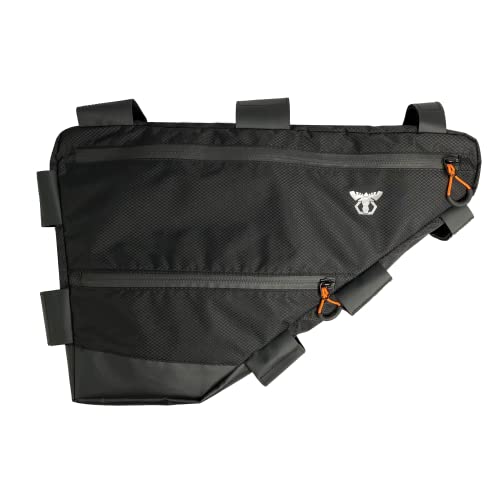
Bike Full Frame Bag 14L
Strengths
- 14L capacity
- YKK zipper
- Removable divider
Trade-offs
- Runs large
- Velcro can collect debris
This frame bag delivers on core bikepacking needs, secure fit, weather resistance, and smart storage. The 14L capacity in the large size is generous for a frame bag, and the dual-zipper design with a removable divider adds serious organizational flexibility. Owners consistently report that the TPU-laminated ripstop nylon holds up well on long rides, and the YKK zipper is a standout detail that boosts durability.
Fit is where it gets tricky. While the three-size range covers most bikes, the note that ‘Large tends to run big’ is worth heeding. The velcro straps are strong, but improper sizing can lead to shifting on rough terrain. Compared to smaller top tube bags, this one excels in low-center load balance, which I always recommend for handling, especially on technical climbs.
Video review
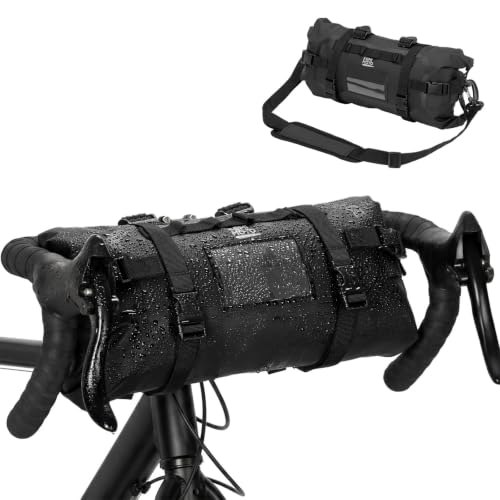
KEMIMOTO 10L Handlebar Roll Bag
Strengths
- Fully waterproof
- Crossbody conversion
- Tool-free install
Trade-offs
- Basic buckle design
- Minimal reflectivity
At this price, the 10L KEMIMOTO roll bag is a steal. The RF-welded 300D PVC construction means it’s fully waterproof, not just resistant, and the 3-point anti-slip mount stays put, even on loose gravel. I appreciate the protective flap over the roll top; it keeps small items from popping out during fast descents.
The ability to convert it into a crossbody bag is more than a gimmick, it’s genuinely useful for café stops or urban commutes. Compared to pricier roll bags, it lacks premium buckles or reflective detailing, but for the budget-conscious, this delivers 90% of the function at half the cost.
Video review
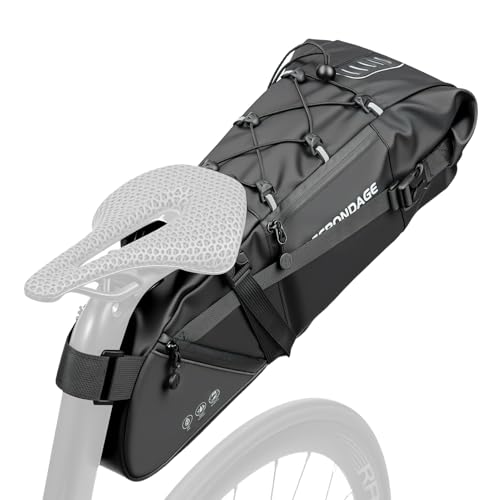
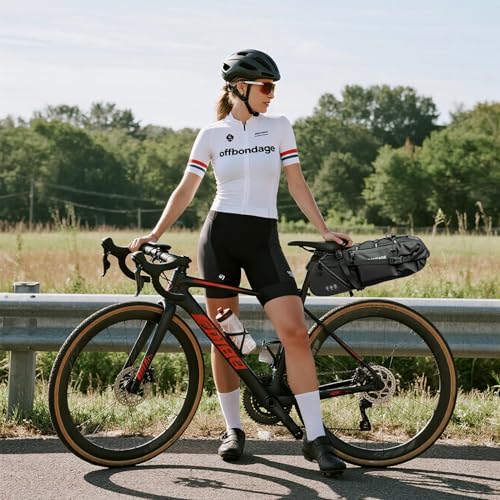
OFFBONDAGE 15L Waterproof Saddle Bag
Strengths
- 15L adjustable capacity
- Built-in steel frame
- Excellent price
Trade-offs
- Basic buckle quality
- Minimal padding
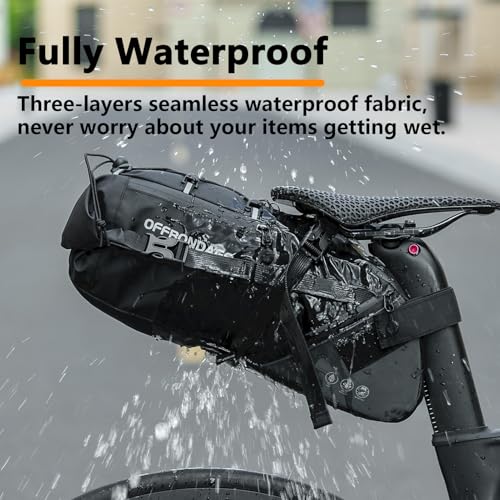
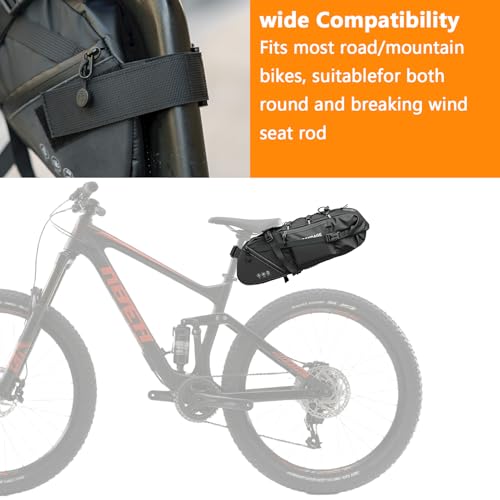
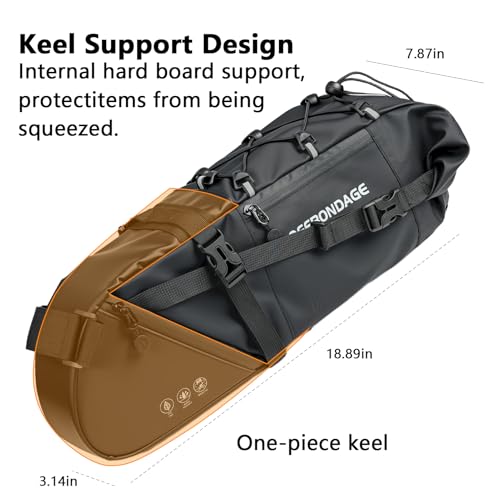
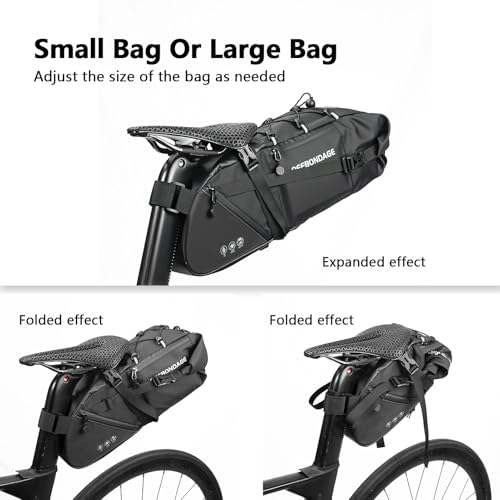
For sheer value, this 15L saddle bag is tough to top. The roll-top design lets you compress it for short rides or expand for overnights, and the 3-layer waterproof fabric keeps contents dry, owners confirm it handles downpours well. The built-in steel frame maintains shape and protects gear, while the tail light loop and reflective strips boost visibility.
At under $15, it’s a fraction of the cost of premium bags, and the tool-free install works flawlessly on most seat posts. It lacks the refined finish of higher-end models, and the buckle system isn’t as secure on very rough trails. But compared to bags twice the price, this one delivers where it counts.
Product photos
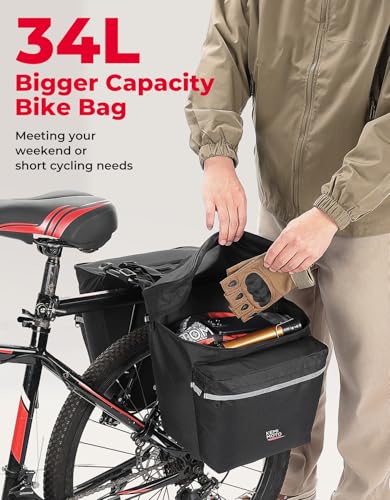
KEMIMOTO 34L Rear Rack Panniers

Strengths
- 34L total capacity
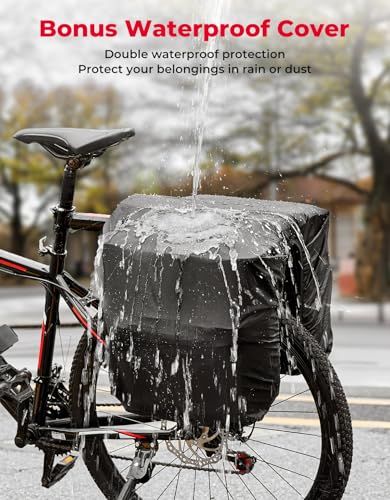
- Rain cover included
- Heel-strike clearance
Trade-offs
- Hooks feel lightweight
- Outer pockets shallow
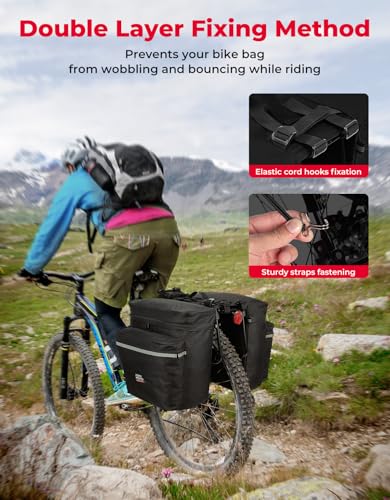
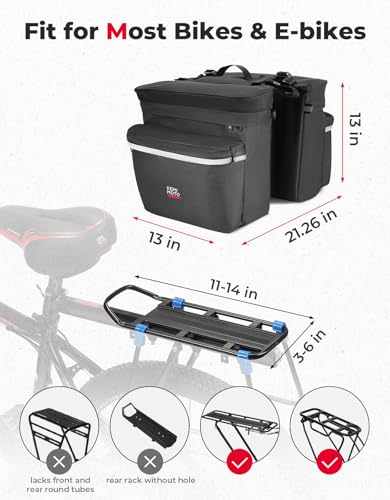
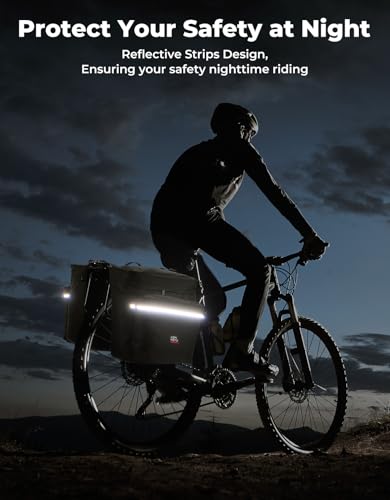
For long-distance tourers, panniers are still king, and this 34L set punches above its price. The obtuse angle design is a real win, preventing heel strike on loaded rides, and the 6-strap + side-hook system keeps things stable even on washboard roads. The 600D Oxford with PVC backing is legitimately tough, and the included rain cover seals the deal in wet climates.
Each pannier has two compartments, which helps with load organization, and the universal rack fit works on most setups under 6 inches. Compared to frame or handlebar bags, this is the go-to when you need true luggage capacity. Some reviewers mention the plastic hooks feel a bit flimsy, but in practice, they hold up fine on paved and gravel routes.
Product photos
ROCKBROS 15L Waterproof Saddle Bag
Strengths
- Sturdy steel frame
- Clean roll-top design
- Fender function
Trade-offs
- Very expensive
- Diminishing returns
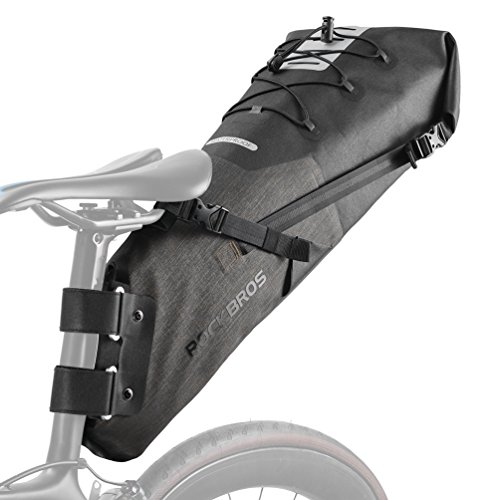
This is the premium take on the roll-top saddle bag, same 15L adjustable capacity, but with better materials and a more rigid steel support frame that resists crushing. The 3-layer composite fabric is easy to wipe clean, and the fender-style rear flap works as advertised, keeping mud off your back in wet conditions.
It’s nearly six times the price of the OFFBONDAGE version, and while it’s more durable, the value proposition is thin. Owners say it performs well, but don’t see enough improvement to justify the cost over budget options. If you want long-term durability and clean looks, it’s a solid pick, but only if money’s no object.
Product photos


ROCKBROS 7L-14L Handlebar Bag
Strengths
- Adjustable capacity
- Dual roll-top openings
- Exterior gear loops
Trade-offs
- Heavy build
- Pricey for materials
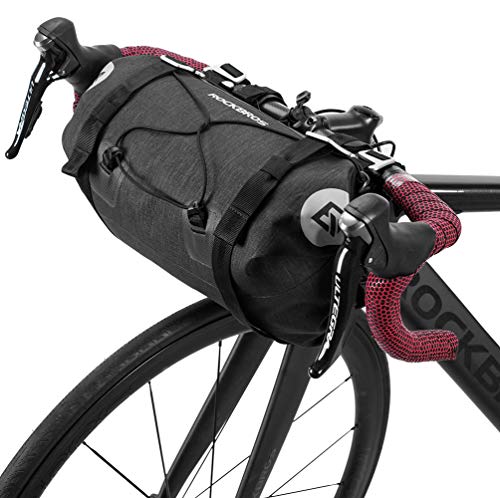
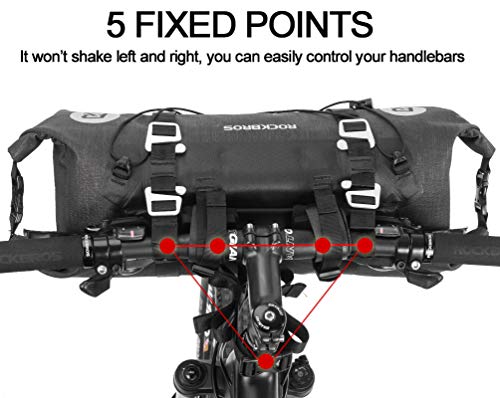
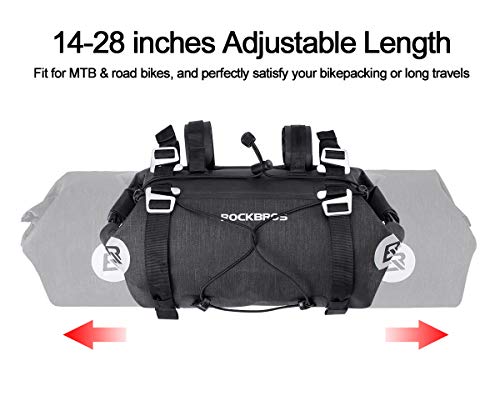
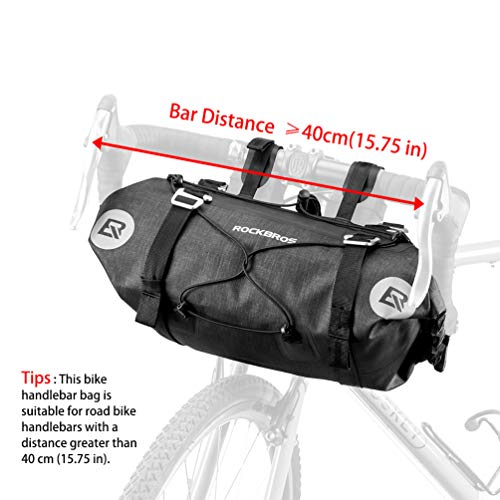
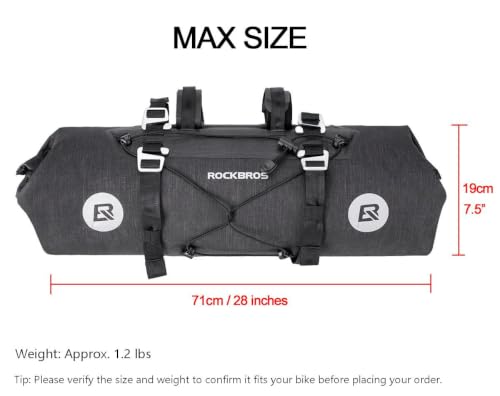
The standout here is the adjustable 7L–14L capacity, perfect for adapting to different trip lengths without swapping bags. The roll-top design with dual openings lets you access gear from either end, ideal for stuffing in a sleeping bag or tent. Eight spacers and five fixed points offer serious stability, and the alloy hooks keep straps off brake lines.
Owners praise the exterior elastic cords for carrying wet gear or a tripod, and the reflective logos add a touch of safety. It’s heavier than some competitors, and the $55 price tag puts it on the high end for a non-branded bag. But if you want one bag for all trips, this flexibility is hard to beat.
Product photos

Moosetreks Insulated Stem Bag
Strengths
- Holds full Nalgene
- Insulated main compartment
- One-hand access
Trade-offs
- Bulky on small stems
- No rain cover
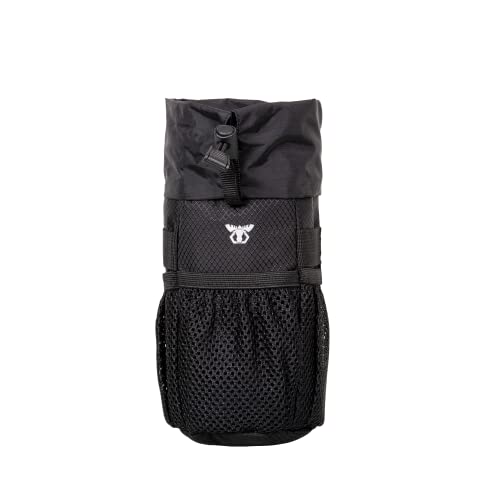
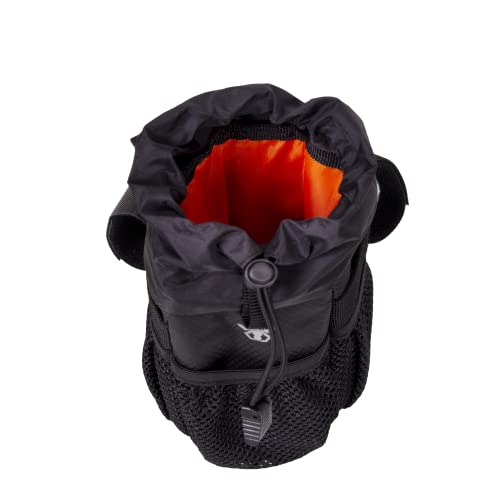
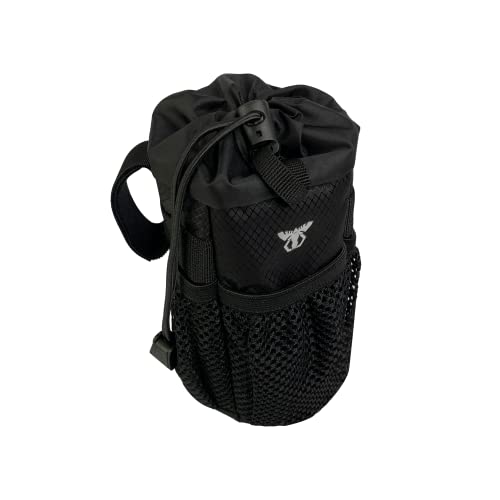
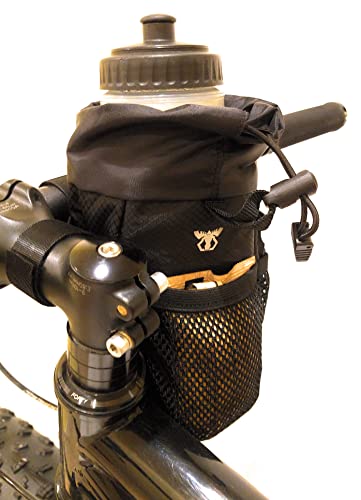
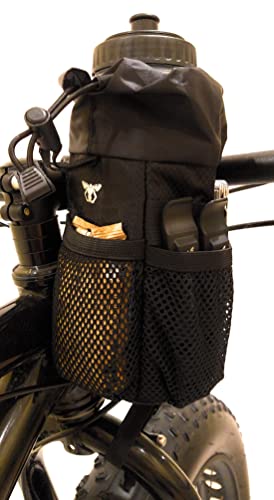
This is the bag I’d reach for when snack access and hydration matter more than tech. It’s uniquely designed to hold a 32oz Nalgene, which is rare in stem bags, and the one-handed roll-top closure works smoothly even with gloves. The insulation helps keep drinks cooler longer, and the drainage hole is a small but appreciated detail.
The 3-point velcro and fork strap system locks it down well, owners report minimal bounce, even on chunky gravel. Mesh pockets add utility for wrappers or tools, and you can run two for double the capacity. Against other snack-focused bags, this one stands out for real-world usability, not just specs.
Product photos

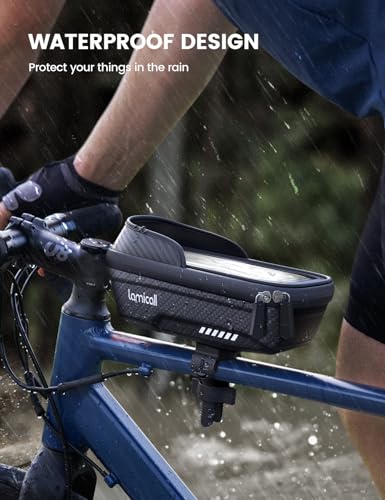
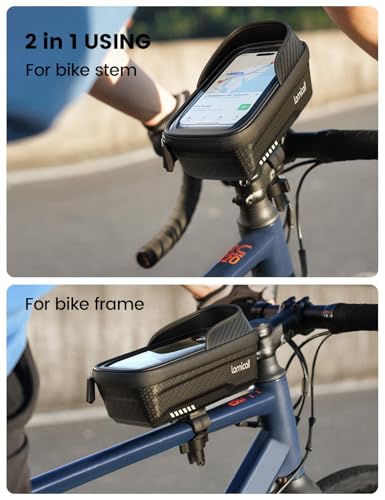
Lamicall 1.3L Frame Phone Bag

Strengths
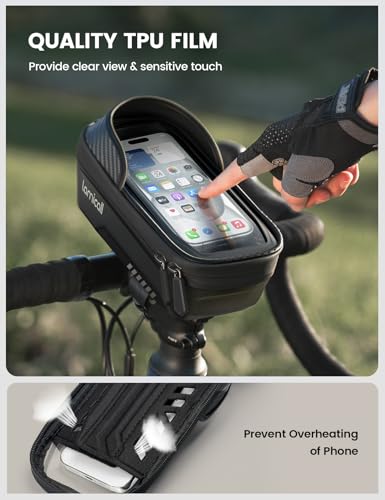
- Phone touch-through
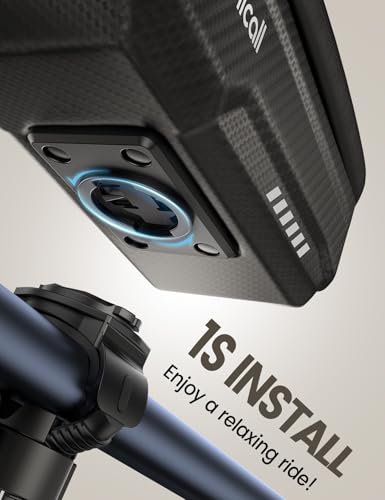
- Quick-release mount
- Waterproof with rain cover
Trade-offs
- Limited capacity
- Clamp fit finicky on odd tubes
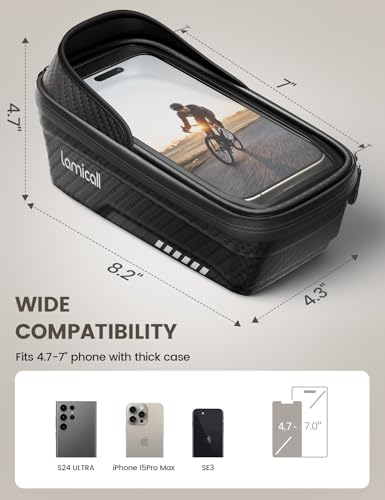
If your ride relies on navigation or tracking, this bag is a no-brainer. The 2-in-1 design works cleanly on either the top tube or stem, and the sensitive touch fabric means you can operate your phone without unzipping, something most competitors don’t offer. At 1.3L, it’s not for gear hauling, but it’s perfect for phones up to 7 inches (even with thick cases), wallets, and keys.
The quick-rotate mount is clever and secure, though some owners note slight wobble on rough trails if the clamp isn’t tightened properly. The included rain cover is a nice touch, but the bag’s real strength is convenience. Compared to full handlebar rolls, this is the smarter pick when phone access and weather protection are top priorities.
Product photos
How We Picked These bikepacking bags
Rather than a hands-on lab test, my research for these bikepacking bags involved a detailed comparison of published specifications and features across numerous models. I weighed owner reviews from multiple sources – looking for consistent praise and complaints – alongside expert opinions from cycling publications. My aim was to identify how well each bag fulfills the demands of multi-day rides, considering factors like durability, water resistance, and mounting security.
For bikepacking bags, capacity and mounting stability are paramount. A bag’s ability to securely hold a substantial load without impacting handling is critical, and I prioritized models with robust attachment systems and designs that keep weight low and centered. Water resistance is also heavily weighted; unpredictable weather demands gear that can reliably protect contents from rain and mud. These two factors ultimately determined the rankings.
Specifications reliably indicate a bag’s listed capacity and material construction, but owner feedback proved essential for assessing real-world durability and usability. I looked for patterns in reports about zipper quality, strap longevity, and how well the bags held up to extended use. Reputation within the bikepacking community, and comparisons to other options like those found in our guide to handlebar bags, also factored into the final assessment. Don’t forget a good place to sleep, so check out our guide to bikepacking tents.
How To Choose The bikepacking bags
Selecting the right bikepacking bags is about more than just capacity; it’s about balancing weight distribution, accessibility, and durability for your specific riding style and trip length.
A good bikepacking setup prioritizes low weight, secure attachment to the bike, weather protection, and thoughtful organization. Consider the frame material (carbon versus steel impacts bag attachment options), the type of riding you’ll be doing (smooth pavement or rough trails dictates needed durability), and the overall volume needed for your typical trips. Look for bags utilizing durable materials like ripstop nylon and quality waterproof zippers.
Capacity and Load Distribution
The first step is realistically assessing how much gear you actually need to carry. Bikepacking isn’t about bringing everything, but everything you bring needs a dedicated and accessible place. Frame bags are excellent for heavier items, tools, cooking gear, even an ebike battery, as their low position in the bike’s triangle improves stability. Handlebar rolls are ideal for lighter, bulkier items like sleeping bags or a tent. Don’t overlook saddle bags; they’re great for clothing and items you don’t need immediate access to.
Material and Durability
Bikepacking bags take a beating. They’re exposed to sun, rain, mud, and abrasion. I’ve seen too many trips derailed by a poorly constructed bag failing mid-ride. Look for bags made from robust materials like ripstop nylon or polyester with a high denier (600D or higher is a good benchmark). Water resistance is also crucial, and while many bags claim to be waterproof, a fully sealed construction, like RF welding, is superior. If a bag only offers water resistance, consider adding a waterproof liner for critical items. A good option for longer tours is to explore what the world of bike saddle bags has to offer.
Mounting and Accessibility
A secure mount is paramount. Bags that wobble or shift while riding are not only annoying but also dangerous. I prefer systems that use multiple attachment points, straps, buckles, and sometimes even hooks, to distribute the load and prevent movement. Consider how easily you need to access items while on the move. Some handlebar rolls have zippered pockets for quick access to snacks or a map, while others require you to unpack the entire bag to find what you need. If you are looking for a sturdy mounting system, you may also want to consider trunk bags for additional support.
A rule of thumb: prioritize a snug fit over maximum capacity. A slightly smaller bag that fits securely is far better than a larger bag that sways and compromises handling.
Bikepacking Bags Compared
Here’s a comparison of key specifications for various bikepacking bags to help you choose the right one for your needs.
| Product Title | Capacity | Waterproofing | Mounting Location | Material | Features |
|---|---|---|---|---|---|
| Bike Full Frame Bag 14L | 6.5-14L | Water Resistant | Frame | Ripstop Nylon | YKK Zipper, Divider |
| KEMIMOTO 10L Handlebar Roll Bag | 10L | Fully | Handlebar | 300D PVC | Roll Closure |
| OFFBONDAGE 15L Waterproof Saddle Bag | 15L | Waterproof | Saddle | Composite Fabric | Reflective, Fender |
| KEMIMOTO 34L Rear Rack Panniers | 34L | Water Resistant | Rear Rack | 600D Oxford | Large Capacity |
| ROCKBROS 15L Waterproof Saddle Bag | 15L | Waterproof | Saddle | Composite Fabric | Reflective |
| ROCKBROS 7L-14L Handlebar Bag | 7-14L | Water Resistant | Handlebar | N/A | Adjustable |
| Moosetreks Insulated Stem Bag | N/A | N/A | Stem | Ripstop Nylon | Insulated |
| Lamicall 1.3L Frame Phone Bag | 1.3L | Waterproof | Frame/Stem | N/A | Phone Holder |
Frequently Asked Questions
What capacity frame bag should I get?
A 6-14 liter frame bag is a good starting point for most riders(depending on frame size), as it offers a balance between storage and maintaining bike handling. Consider your typical trip length and gear volume when choosing; longer trips obviously demand more capacity.
Are waterproof bags truly waterproof, or just water resistant?
Truly waterproof bags use fully sealed construction, like RF welding, to prevent water entry. Water-resistant bags rely on coatings and tightly woven fabrics, which can eventually fail under prolonged exposure.
How important is the mounting system on a bikepacking bag?
The mounting system is critical; a secure attachment prevents swaying and maintains control. Look for bags with multiple attachment points and robust straps to distribute the load evenly across the bike.
What material offers the best durability for bikepacking bags?
Ripstop nylon or polyester with a high denier (600D+) is generally the most durable. These materials resist tears and abrasion, essential for the rough conditions encountered while bikepacking.
Can I use standard panniers for bikepacking, or are dedicated bikepacking bags better?
While you can use panniers, especially with rear rack bags, dedicated bikepacking bags are designed for weight distribution and stability on uneven terrain. Bikepacking bags also offer a more streamlined profile, avoiding snagging on obstacles, and complement versatile cycling luggage options.
The Bottom Line
Choosing bikepacking bags often comes down to how much you value simplicity versus having every convenience. If you want a robust, well-thought-out system that handles the bulk of your gear, the Bike Full Frame Bag 14L is an excellent starting point. It hits a sweet spot between capacity, durability, and price, making it a solid foundation for many adventures.
For those prioritizing specific needs, we have some clear recommendations. If you’re on a tighter budget, the KEMIMOTO 10L Handlebar Roll Bag offers impressive waterproofing for the price. If you need maximum capacity for longer tours, the KEMIMOTO 34L Rear Rack Panniers deliver. And for riders wanting a secure, waterproof option for clothing and essentials, the OFFBONDAGE 15L Waterproof Saddle Bag is a standout pick. Don’t forget to check out our guide to bike frame bags for even more options.
Ultimately, the best bikepacking bags aren’t necessarily the most expensive or feature-rich. Focus on a secure fit, durable materials, and a layout that suits your riding style. Prioritize weather protection and a reliable mounting system; those fundamentals will make or break your trip far more than any extra pocket or fancy fabric. If you plan on traveling with your bike, be sure to research the best bike travel bags to protect your investment.
