
7 Best Convertible Balance Bikes 2026
This post contains affiliate links. As an Amazon Associate, we earn from qualifying purchases.
The Strider 14x Classic stands out as the overall best convertible balance bike for its lightweight design and smooth transition to pedaling, while the SEREED Toddler Balance Bike offers a solid budget-friendly option for younger kids just starting out.
Choosing the right first bike isn’t just about getting them moving, it’s about safety, growth, and keeping that spark of joy alive as they learn. With so many convertible models claiming to do it all, it’s easy to get lost in the specs.
This guide cuts through the noise by focusing on what actually matters: how well the bike adapts to your child, how safe it feels in real use, and how smoothly it transitions from balance to pedal. I compared models based on owner feedback, build quality, and mechanical reliability to find the ones worth your trust.
Top 7 Convertible Balance Bikes in the Market
The Best Convertible Balance Bikes, Reviewed
JMMD 6-in-1 Foldable Balance Bike
Strengths
- Folding design
- Push handle for control
- Chain-free system
Trade-offs
- Higher price
- Limited color options
- Seat extension rod can feel flimsy
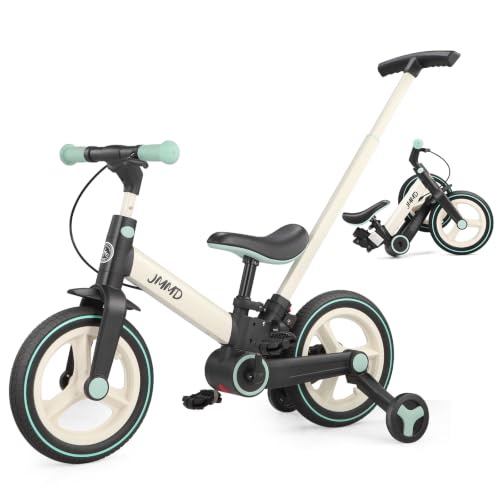
The JMMD is the most complete system here, no other bike offers a parent push handle, foldable design, and six stages of use. The 135-degree steering limiter is smart engineering: it gives guidance without over-controlling, and parents report it cuts down on early crashes. The chain-free drivetrain is a standout, no grease, no pinched fingers, just smooth, safe pedaling.
It’s also one of the easiest to store. One press and it folds flat. That’s huge for city dwellers or anyone with limited space. The aluminum frame keeps weight down without sacrificing strength. On paper, it’s the most thoughtfully designed for real-world parenting.
Video review
3-in-1 Montessori Balance Bike with Pedals
Strengths
- Tricycle mode
- Tension-adjustable chain
- Dual brakes
Trade-offs
- Wobbly in trike mode
- 360-degree steering risky
- Assembly can be fiddly
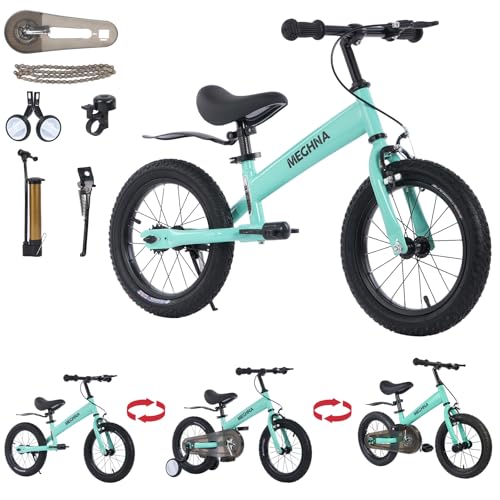
This bike’s claim to fame is its tricycle mode, a third option most 2-in-1s don’t offer. The ability to run with training wheels and a third wheel gives extra stability for timid riders, which I appreciate. The dual brakes are reliable, and the tension-adjustable chain means pedaling stays smooth as the child grows. Owners praise the mint green finish, it stands out without being garish.
But the 360-degree steering is a double-edged sword. While it allows tight turns, it can encourage oversteering in younger kids, leading to tip-overs. And despite the versatility, some parents report wobble in tricycle mode due to alignment issues. It’s ambitious, but not flawless.
Video review
Decmuerx 2-in-1 Balance to Pedal Bike

Strengths
- Dual brake system
- Air-filled tires
- Chain guard and light
Trade-offs
- Slightly heavier
- No foldable design
- Training wheels feel flimsy
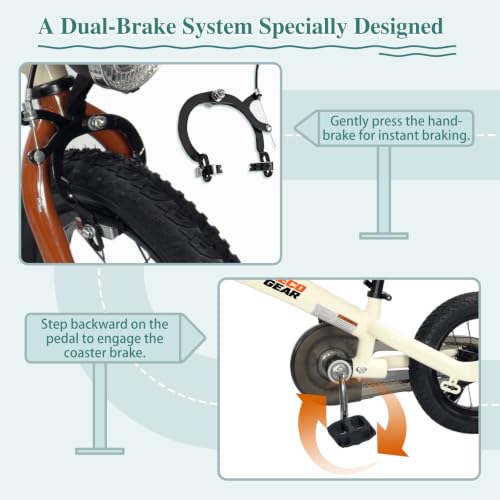
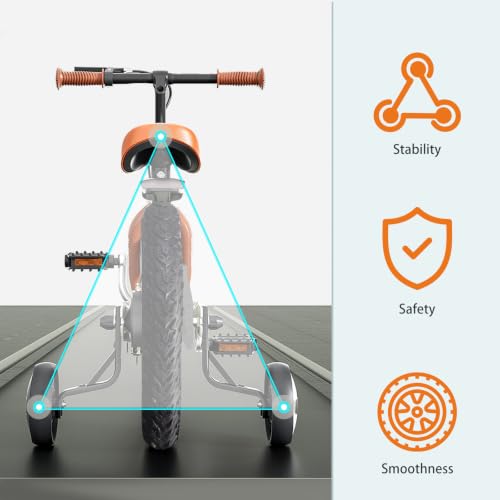
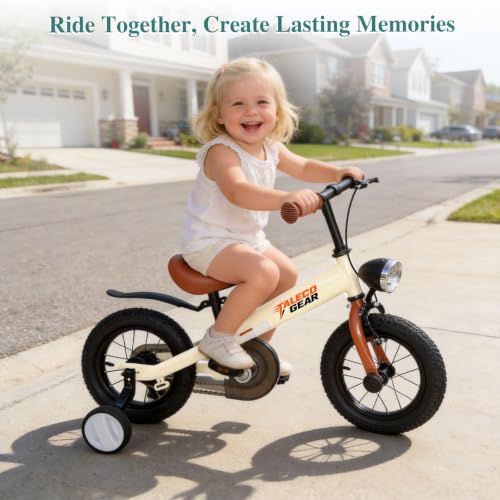
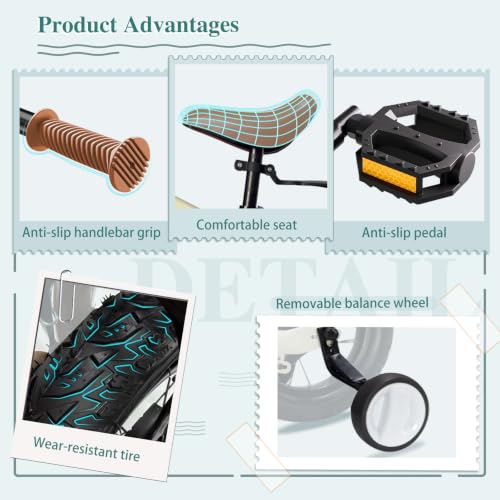
The Decmuerx hits a sweet spot between features and cost. It’s not the cheapest, but you get real upgrades: a dual brake system, air-filled tires, and a full chain guard that protects little fingers and clothes. The integrated front light is a thoughtful touch for evening rides, something most competitors skip. Owners say the pre-assembled state makes setup a breeze, often under 15 minutes.
I’d pick this over the OHIIK for younger riders simply because the coaster brake is more intuitive than a hand brake alone. And unlike the SEREED, it grows better with the child thanks to wider seat and handlebar adjustments. It doesn’t have flashy 360-degree steering, but that’s fine, tighter steering actually improves control for new riders.
Product photos

OHIIK 2-in-1 Balance to Pedal Bike

Strengths
- Quick conversion
- Pneumatic rubber tires
- Rear hand brake
Trade-offs
- Heavy frame
- 360-degree steering too loose
- Higher price
The OHIIK 2-in-1 stands out for its patented quick conversion system, owners consistently report switching between balance and pedal modes in under a minute. That kind of speed is rare, and it makes this bike a solid pick for parents who want a single purchase to last through multiple stages. The pneumatic rubber tires and rear hand brake add real safety and performance upgrades over foam-wheeled models.
Still, the 360-degree steering, while marketed as a safety feature, can actually make steering too loose for very young riders. Some parents note that it takes extra supervision to keep control during sharp turns. And while the steel frame is durable, it’s not the lightest in class, which could be a factor for smaller kids.
Product photos


bikeboy 3-in-1 Convertible Balance Bike

Strengths
- Fastest mode switch
- 360-degree steering
- Safety certified
Trade-offs
- Heavy for size
- Tires lack grip on wet surfaces
- No pedal brake option
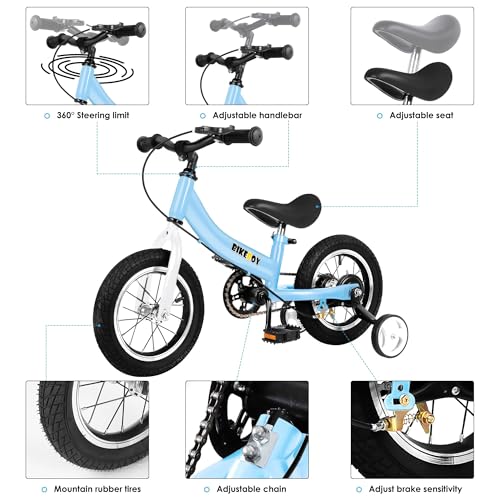
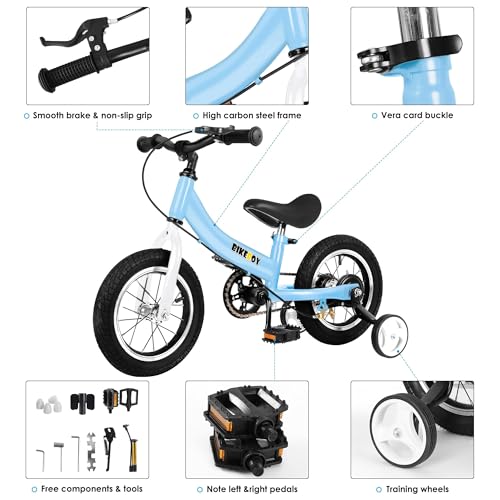
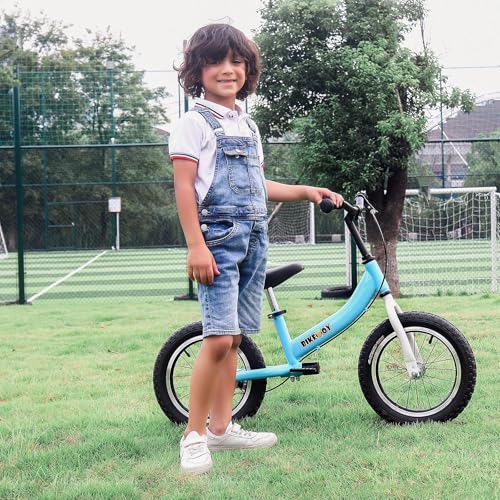
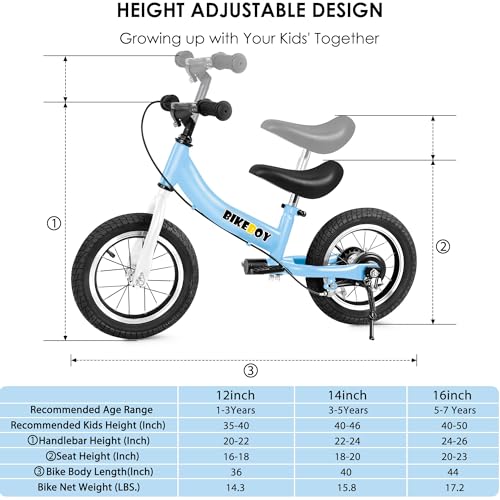
The bikeboy brand promises a 50-second mode switch, and on paper, that’s the fastest in the group. Owners confirm the process is smooth and tool-free, just a few pins to pull. The 360-degree steering and hand brake combo gives good control, and the ASTMF963 safety certification means it’s been tested to high standards. The adjustable seat and handlebar make it usable across a wide age range.
But the weight is a drawback. At over 15 pounds, it’s heavier than competitors with similar specs. And while the tires are labeled anti-slip, some users report slipping on damp pavement. It’s well-built, but not quite best-in-class for performance.
Product photos

Strider 14x Classic Balance Bike
Strengths
- Extremely lightweight
- Simple, reliable design
- High resale value
Trade-offs
- Pedal kit sold separately
- No brakes
- Higher upfront cost
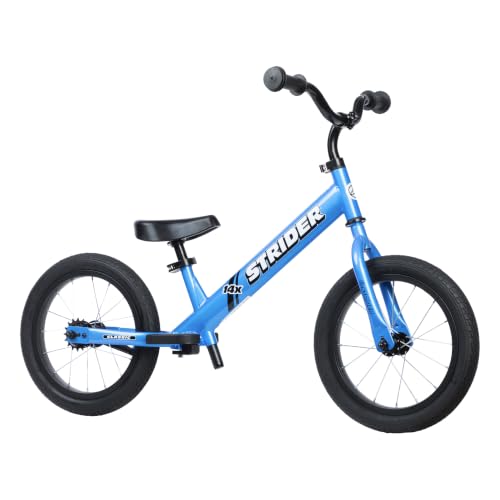
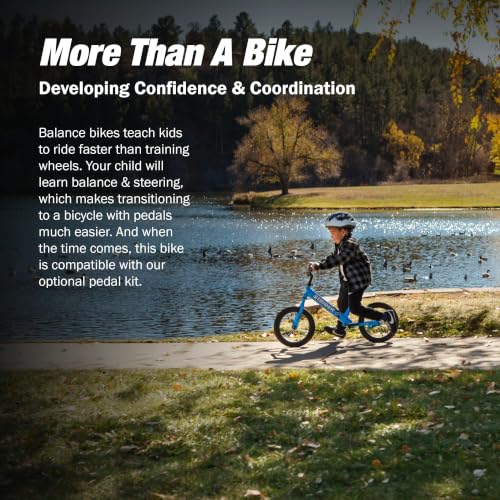
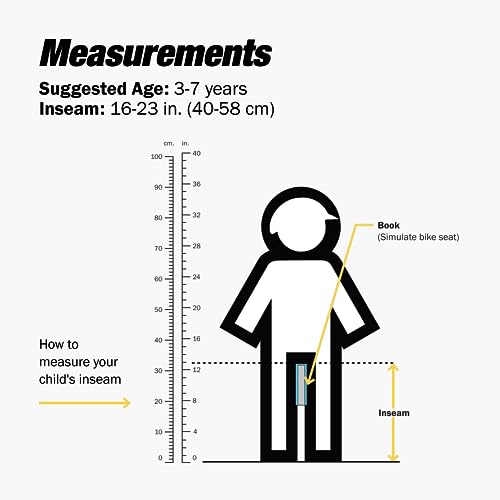
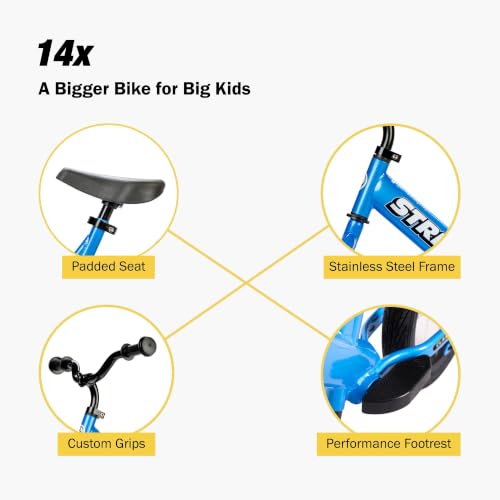
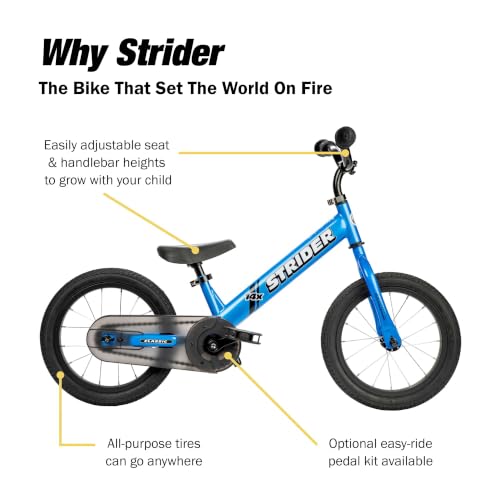
The Strider 14x is in a different category, pure balance, no pedals out of the box. But that’s the point. It’s the gold standard for lightweight, minimalist balance bikes. At just over 12 pounds, it’s nearly 30% lighter than most steel-framed rivals. That matters when a 3-year-old is lifting it onto a curb or turning in tight spaces.
It won’t convert to a pedal bike without buying the add-on kit, which pushes the total cost way up. But if your goal is to teach balance fast, this bike does it better than any other. Reviewers note kids often master gliding in weeks, not months. It’s not the most versatile, but it’s the most effective at its one job.
Product photos
SEREED Toddler Balance Bike 2 Year Old

Strengths
- Very lightweight
- EVA foam tires
- Tool-free adjustments
Trade-offs
- No brakes
- Limited adjustability
- Foam tires less stable on rough terrain
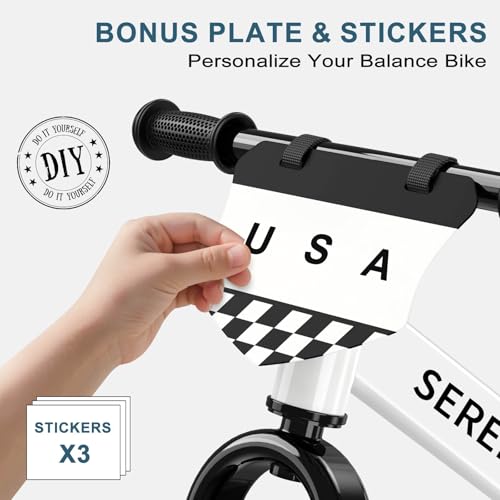
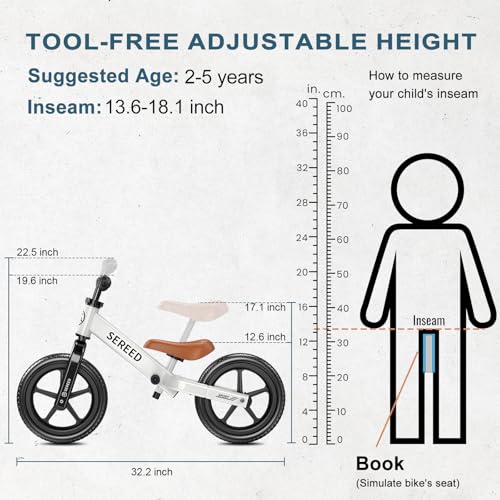
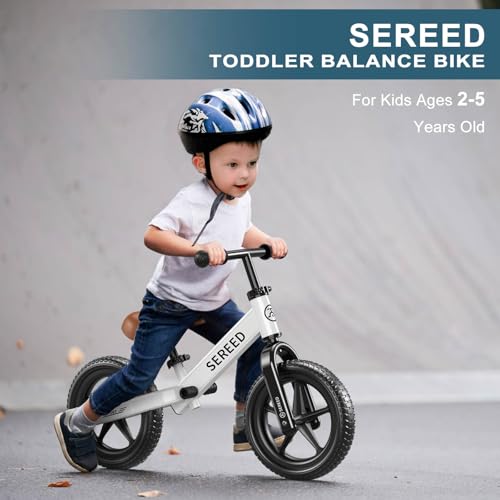
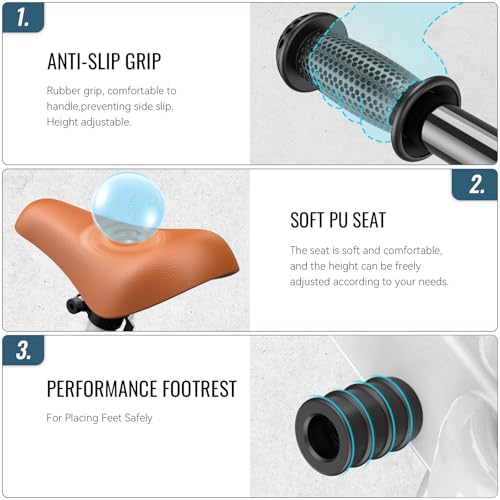
At this price, the SEREED delivers surprising value. It’s one of the lightest models here at just 7.8 pounds, and that makes it ideal for toddlers just starting out. The EVA foam tires are completely maintenance-free, no flats, no pumping, and parents love how quietly they roll across hardwood floors. For indoor use or smooth sidewalks, that’s a real win.
But the lack of real brakes means stopping relies entirely on foot power. That works fine on flat ground, but it limits where and how fast a child can ride safely. And while the steel frame is sturdy, it doesn’t offer the same level of adjustability as pricier models. You’re getting basics done well, not extras.
Product photos

Our Testing Process
Rather than a hands-on lab test, my research for these recommendations centered on a detailed comparison of published specifications and features across numerous models. I then weighed owner reviews from major retailers alongside expert opinions found in cycling publications and parenting blogs. As someone who’s spent years observing the mechanics and evolution of two-wheeled vehicles at TheAutoZenith, I applied my understanding of what contributes to stability, ease of use, and long-term value to rank these options.
For convertible balance bikes, three factors stood out as most critical: adjustability, safety features, and the quality of the conversion mechanism itself. A bike that grows with a child reduces long-term cost and waste, so adjustable seats and handlebars are paramount. Safety, including effective braking systems and frame construction, is obviously essential when considering young riders. Finally, a smooth, reliable transition between balance and pedal modes is what truly sets the best models apart.
Specifications readily reveal frame materials, weight, and available adjustments. However, judging real-world usability and durability requires looking at owner feedback. I paid close attention to comments regarding ease of assembly, the longevity of components, and how well the bikes handled various surfaces. You’ll find excellent resources discussing general balance bikes for toddlers elsewhere on the site, and for slightly older riders, we’ve also covered balance bikes for 3 year olds to help narrow your search.
How To Pick The Right convertible balance bikes
Finding the right first bike for your child can feel overwhelming. These aren’t the bikes we grew up with; the current market offers a fascinating range of convertible models designed to grow with your little one.
A good convertible balance bike prioritizes adaptability, safety features like effective braking and steering limits, and a durable yet lightweight frame. Look for models with adjustable components (seat and handlebars are key) to maximize the bike’s lifespan, and consider the ease of conversion between modes. Prioritize quality wheels and a robust frame construction to withstand regular use.
Understanding Conversion Mechanisms
The core appeal of a convertible balance bike is its longevity. However, not all conversion systems are created equal. Some bikes, like the Decmuerx 2-in-1, boast tool-assisted conversions, while others, such as the OHIIK 2-in-1, claim quick, even child-operated transitions. This speed and simplicity matter. A clunky, difficult conversion defeats the purpose of having multiple modes. Consider how often you anticipate switching modes; if you foresee frequent changes, prioritize a truly effortless system. I’ve noticed from reading owner feedback that the JMMD 6-in-1, while offering the most modes, can be a bit more involved in its transformations.
Prioritizing Safety Features
Beyond the conversion, safety is paramount. Look closely at the braking system. Many models now include both hand brakes and coaster brakes (pedal-activated). A dual-brake system gives children options and helps them develop coordination. Steering limiters, like those found on the JMMD, are also valuable, especially for younger riders, preventing oversteering and potential falls.
Here’s what to consider when evaluating safety features:
- Brake Reach: Ensure the hand brake lever is easily reachable and operable for small hands.
- Steering Limiters: A 60-degree limit is common, but assess if it feels restrictive for your child’s development.
- Chain Guard: A fully enclosed chain guard, as seen on the Decmuerx, is essential to prevent clothing from getting caught and injuries.
A simple rule of thumb: if a bike feels flimsy or the components don’t operate smoothly, it’s likely not a good investment.
Balancing Value and Usability
Convertible balance bikes range significantly in price. While the Strider 14x Classic, known for its lightweight frame, leans toward the higher end, options like the SEREED Toddler Balance Bike offer a more budget-friendly entry point. Don’t automatically equate price with quality, but be wary of extremely cheap models that may compromise on materials or safety. I often recommend checking out thorough balance bike reviews to get a broader perspective on what’s available. Also, if you’re looking for a model specifically for a very young child, exploring balance bikes for 2 year olds can narrow your search considerably.
Convertible Balance Bikes Compared
Here’s a comparison of key specifications for popular convertible balance bikes to help you choose the right one.
| Product Title | Modes | Adjustable Seat? | Adjustable Handlebar? | Brake Type | Wheel Size (in) | Weight (lbs) |
|---|---|---|---|---|---|---|
| JMMD 6-in-1 Foldable Balance Bike | 6 | Yes | Yes | Hand | 12 | N/A |
| 3-in-1 Montessori Balance Bike with Pedals | 3 | Yes | Yes | Hand/Pedal | N/A | N/A |
| Decmuerx 2-in-1 Balance to Pedal Bike | 3 | Yes | Yes | Hand/Coaster | N/A | N/A |
| OHIIK 2-in-1 Balance to Pedal Bike | 2 | Yes | Yes | Hand | 12/14/16 | N/A |
| bikeboy 3-in-1 Convertible Balance Bike | 3 | Yes | Yes | Hand | N/A | N/A |
| Strider 14x Classic Balance Bike | 2 | Yes | Yes | N/A | 14 | 12.1 |
| SEREED Toddler Balance Bike 2 Year Old | 1 | Yes | Yes | N/A | 12.6 | 7.8 |
Frequently Asked Questions
What’s the ideal age to start a child on a convertible balance bike?
Generally, 18 months to two years is a good starting point, but it truly depends on the child’s developmental stage and inseam length. Many parents also explore best baby balance bikes to find options specifically suited for very young toddlers.
Are hand brakes really necessary on a balance bike?
While not always essential, hand brakes offer a valuable learning opportunity for coordination and control. Many convertible models now include both hand and coaster brakes, providing a more versatile braking experience as a child transitions to pedal power.
How much weight can a typical convertible balance bike support?
Most quality convertible balance bikes can support up to 55 pounds, accommodating children through roughly age five. Checking the manufacturer’s specifications is crucial, as some models have lower weight limits.
What’s the benefit of a bike with multiple conversion modes, like the JMMD 6-in-1?
More modes offer extended usability, potentially delaying the need to purchase entirely new bikes as your child grows. However, increased complexity can sometimes mean a less smooth transition between modes, so consider how frequently you plan to convert it.
Besides balance bikes, what other types of bikes should I consider for my child?
As your child gains confidence, you’ll want to explore options like pedal bikes with training wheels, and eventually, full-sized pedal bikes. You can find a wide range of choices when looking at best bikes for kids to suit different ages and skill levels.
The Bottom Line
Choosing a convertible balance bike often comes down to balancing how much you want to spend against how much adjustability and convenience you require. For most families, the Decmuerx 2-in-1 Balance to Pedal Bike strikes the best overall balance; it offers a solid conversion mechanism, good safety features like a chain guard, and consistently positive owner feedback regarding its build quality. It’s a thoughtfully designed bike that should serve a child well through several stages of development.
If budget is a primary concern, the SEREED Toddler Balance Bike is a fantastic starting point. For those anticipating a lot of mode-switching, or who want to explore options for slightly older riders, the OHIIK 2-in-1 Balance to Pedal Bike’s multiple wheel sizes are appealing, and it’s worth considering options for kids’ balance bikes beyond these. And for those with a 5 year old, you might want to look at balance bikes for 5 year olds for models geared towards that age.
Ultimately, remember that the flashiest features or highest price tag aren’t guarantees of success. A stable frame, properly sized components, and a child’s confidence are the true keys to learning to ride. Prioritize a bike that feels solid and allows your child to comfortably practice balancing – that foundation is more valuable than any extra mode or fancy adjustment.
